Bobcat Season and Fur Handling
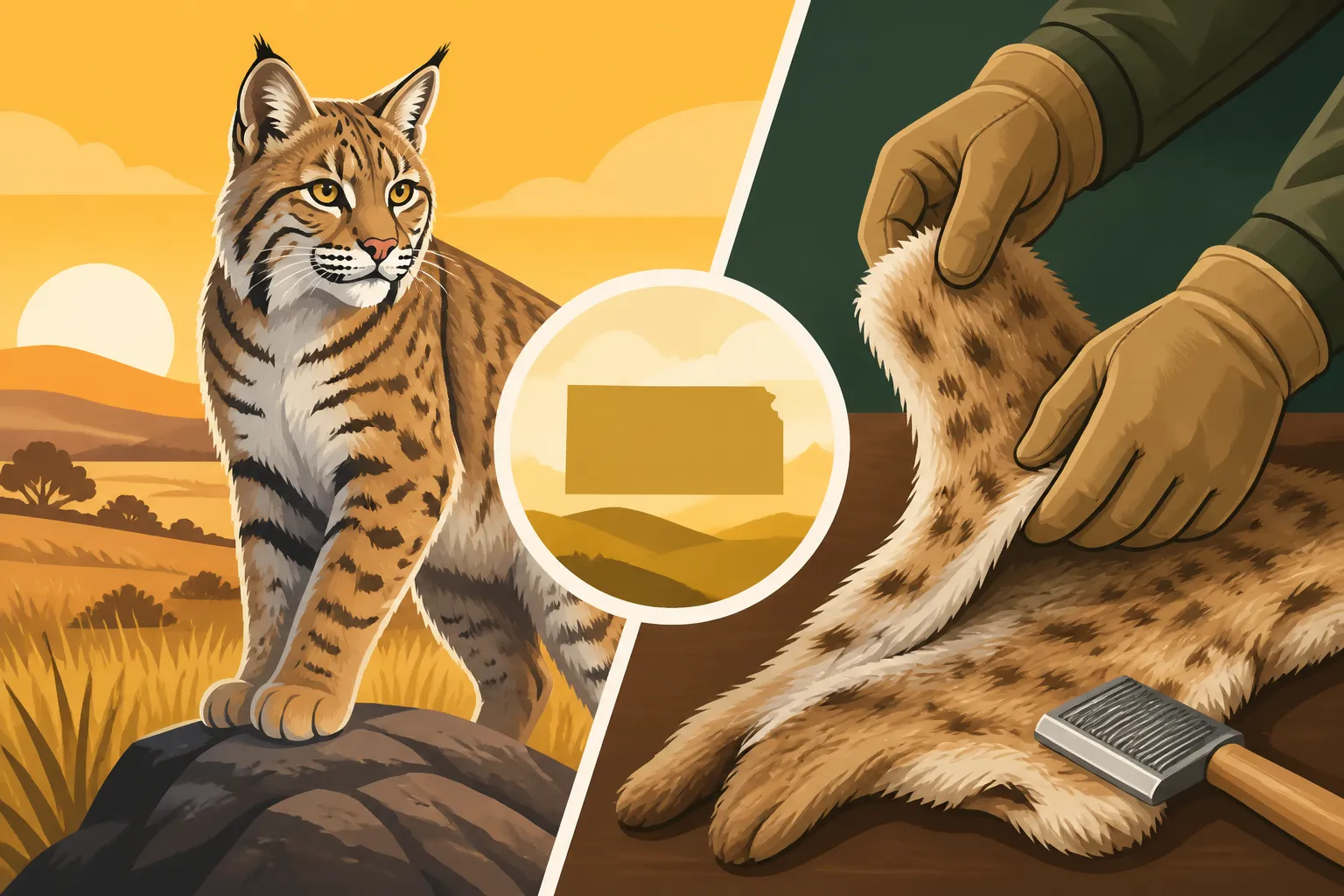
Chasing bobcats in Kansas, whether you’re hunting them with calls or setting traps, is a unique challenge. These elusive furbearers demand a blend of patience, skill, and a deep understanding of local regulations. And once you've successfully brought one to hand, the work is far from over – proper fur handling is absolutely crucial to realize the full value of your effort. This guide is here to walk you through everything from understanding the ever-changing Kansas bobcat season rules to mastering the intricate art of skinning and preparing a prime pelt.
Understanding Kansas Bobcat Season Regulations
Navigating the rules for bobcat season in Kansas can feel like a moving target sometimes. The Kansas Department of Wildlife and Parks (KDWP) sets specific dates, methods, and tagging requirements, and staying on top of these changes year to year is paramount. Missing a small detail can quickly turn a successful hunt into a costly violation.
Key Season Dates and Zones
Kansas typically has a relatively generous bobcat season, often running from early November through mid-February. These dates usually align with the period when bobcat fur is at its prime, thickest, and most valuable. While Kansas doesn't typically break down bobcat season into distinct geographical zones like some other states, it's always wise to consult the most current KDWP Furbearer Regulations Summary. This document is your bible for specific opening and closing dates for both trapping and hunting. For instance, sometimes the archery season might open a little earlier, or the trapping season might have a slightly different end date. Always double-check, as these details can change annually based on population assessments and management goals.
It's also worth noting that weather plays a huge role. While the season dates are fixed, a warm November or a sudden deep freeze in January can greatly affect bobcat activity and the quality of their fur. You might have to adjust your tactics significantly based on what Mother Nature throws at you during the legal season window.
Licensing and Permit Requirements
Before you even think about heading into the field, you need to make sure your paperwork is in order. To legally hunt or trap bobcats in Kansas, you generally need two main things: a valid Kansas hunting license and a Kansas Furharvester license. The hunting license covers the act of pursuing the animal, while the furharvester license specifically allows you to take and possess furbearers, including bobcats, and to sell their pelts.
The cost of these licenses can vary for residents and non-residents, so always check the official KDWP website. If you're planning a trip from out of state, be prepared for higher fees. It’s not uncommon for folks to forget the furharvester license, thinking their hunting license covers it all. That’s a common pitfall! Don't let that happen to you. You can find more details on general licensing and permit requirements in this guide on Kansas Hunting Licence and Permit Costs. Additionally, for those solely focused on trapping and furbearers, a deep dive into the specific Kansas Furharvester Licence requirements is essential.
Legal Hunting and Trapping Methods
Kansas has specific rules governing how you can legally take a bobcat. For hunters, this typically includes the use of firearms, archery equipment, and electronic calls. When calling bobcats, remember that while electronic calls are legal for predators, some states have restrictions on their use for other game, so it's always good to be clear on species-specific rules. If you're already familiar with Coyote Calling in Open Kansas Country, many of those techniques and legal considerations will apply to bobcats as well. Generally, hunting hours for furbearers extend beyond typical big game hours, often allowing night hunting for certain species, but always verify if night hunting is permitted for bobcats specifically, similar to the rules for Night Hunting Rules for Coyotes in Kansas.
For trappers, Kansas permits the use of various trap types, including foothold traps, snares, and conibear traps, though there are often restrictions on size, placement, and whether they need to be submerged. Snares, for example, typically have specific regulations regarding their cable diameter, break-away devices, and how high off the ground they can be set to prevent capturing non-target animals. All traps must be checked within a specific timeframe, usually every 24 hours, to ensure animal welfare and prevent spoilage of any captured furbearer. Landowner permission is also absolutely essential for any trapping activities on private land, even if it's technically open for hunting.
Bag Limits and Reporting
Kansas does not currently impose a statewide bag limit on bobcats, which means hunters and trappers can harvest multiple animals per season, as long as they adhere to all other regulations. This is a significant difference from deer or turkey seasons, where strict limits are in place. However, the reporting of harvested bobcats is absolutely mandatory and critical for species management.
Every bobcat you take must be officially checked in and tagged with a KDWP fur tag. This often involves either reporting the harvest online through the KDWP's digital system or taking the carcass to an official check station or designated KDWP personnel. This process ensures that biologists can accurately track harvest numbers, monitor population trends, and make informed decisions about future season structures. This tagging process needs to happen within a specified time frame after harvest. If you fail to report and tag a bobcat, it’s a direct violation of regulations, and it can carry some pretty steep penalties. Keeping good records yourself, perhaps with a system like GoHunt to track your success, can help ensure you meet all reporting obligations without a hitch. You can also refer to the broader category of Kansas Predators and Furbearers for context on other species and general regulations.
Essential Gear for Bobcat Hunting and Trapping
Just like any other outdoor pursuit, success in bobcat hunting or trapping heavily relies on having the right tools for the job. You wouldn’t go duck hunting with a deer rifle, and you shouldn’t chase bobcats without appropriate gear either. Beyond the legal necessities, having specialized equipment makes the process more efficient, ethical, and ultimately, more successful.
Hunting Gear and Setup
For bobcat hunters, the gear list often mirrors that of coyote or fox hunters, with a few key refinements for these more wary and elusive felines.
- Firearms: A flat-shooting rifle in a caliber like .17 HMR, .223 Remington, or even a fast .22-250 Remington is ideal. The goal is to maximize accuracy and minimize pelt damage, so smaller, faster bullets are generally preferred over larger, slower ones. Shotguns loaded with buckshot can also be effective in thick cover or at close range over bait, but they carry a higher risk of pelt damage.
- Optics: A good quality scope with variable magnification is crucial for making precise shots, especially in low light conditions or at longer distances. Binoculars are also invaluable for scanning terrain and spotting incoming animals before they spot you.
- Calls: Electronic calls are extremely popular and effective for bobcats. Look for units that can play a variety of distress sounds (rabbit, mouse, bird) and even bobcat vocalizations. The ability to control volume and switch sounds remotely is a huge advantage. Hand calls can also be effective, especially for more nuanced vocalizations.
- Camouflage and Scent Control: Bobcats have incredible eyesight and a keen sense of smell. Full camouflage, including face masks and gloves, is essential. Rigorous scent control practices, including scent-free detergents, sprays, and storing hunting clothes separately, are just as important as they are for deer hunting. You can learn a thing or two from general scent control claims, even if focused on deer.
- Blinds/Cover: A well-brushed-in ground blind or natural cover that breaks up your outline is critical for remaining undetected. Bobcats are notorious for circling downwind, so setting up with the wind in your favor and using terrain or cover to hide your approach and position is key.
Trapping Gear and Techniques
Trapping bobcats requires a different set of tools and a more intimate understanding of their movements and habits.
- Trap Types:
- Foothold Traps: Often the most common and effective trap for bobcats. Sizes like a #1.5, #1.75, or #2 coilspring are standard. Offset jaws and padded jaws are often preferred for humane reasons and to minimize damage to the paw, which preserves fur quality.
- Snares: Legal in Kansas with specific restrictions. Snares are highly effective in pinch points, travel corridors, and near dens. Ensure your snares meet KDWP specifications for cable diameter and break-away strength.
- Cage Traps: While less common for wild bobcats due to their wariness, large, sturdy cage traps can be used, particularly in areas where non-target animals (like domestic pets) might be a concern.
- Scents and Lures: Bobcats are attracted to a variety of lures, including glandular lures (from other bobcats), urine, and curiosity lures. Food lures, often made from skunk or beaver castor, can also be very effective. A good "dirt hole" set or a "post set" using visual attractants combined with strong lures can be deadly.
- Setting Tools: Trowels, rebar stakes for anchoring traps, a trap setter, and a sifter for covering traps are all indispensable. You'll also need wire for attaching baits and securing traps.
- Field Care: A pair of heavy-duty gloves, a strong game bag, and a knife for dispatching (if necessary and legal) are essential. When you get an animal in a trap, getting it handled quickly and humanely is key, both ethically and for preserving fur quality. A system like GoHunt can help you log your trap line locations and check times, making your efforts more organized and compliant with regulations.
Field Care and Initial Fur Preservation
The moment a bobcat is harvested, whether by trap or bullet, the clock starts ticking on preserving the quality of its fur. Mishandling in the field can drastically reduce the value of a beautiful pelt.
- Cooling is Paramount: Just like with big game, heat is the enemy of fur. If possible, get the bobcat cooled down as quickly as possible. This means keeping it out of direct sunlight and off warm surfaces. In very cold weather, this might be less of an issue, but on a mild Kansas day, even in winter, body heat can cause hair to slip or fat to "burn" the fur. You might recall the importance of cooling quickly when Getting a Deer Cooled in September, and the principle applies directly here.
- Minimize Blood and Dirt: Try to keep blood and dirt off the fur. Carry a small towel or cloth to wipe away any blood. If the fur gets dirty, try to brush it off gently. Avoid washing it immediately unless absolutely necessary, as water can mat the fur and make drying difficult.
- Transport Carefully: When transporting the bobcat, avoid dragging it, which can cause severe fur damage. Carry it by the feet or in a game bag. Lay it flat in the bed of a truck or in a cooler (without ice directly touching the fur) if temperatures are warm. Don't pile other animals on top of it.
- Protection from Pests: During transport and storage, protect the carcass from flies, beetles, and other pests that can quickly damage fur or meat.
Mastering Bobcat Fur Handling Techniques
Once your bobcat is out of the field, the real craft begins: transforming the raw hide into a valuable pelt. This stage is where many novice fur harvesters lose significant value due to improper technique. Patience, a sharp knife, and attention to detail are your best friends here.
Skinning a Bobcat for Fur Value
Proper skinning is the foundation of good fur handling. The goal is to remove the hide cleanly and efficiently, minimizing cuts, holes, and excess flesh. Bobcat pelts are typically cased-skinned, meaning they are pulled off like a sock, leaving a tube of fur.
- Preparation: Lay the bobcat on a clean surface, ideally a dedicated skinning table or a clean tarp. Ensure your knife is razor sharp – a dull knife will cause more damage and frustration. Many experienced trappers prefer a small, sharp utility knife or a specialized skinning knife with a rounded tip.
- Initial Cuts:
- Make a cut from the center of the hind foot, up the inside of the leg, across the vent, and down the inside of the other hind leg to the other hind foot. Be careful not to cut too deep, just through the skin.
- Circle the front legs at the "knee" or wrist, just above the pad.
- Make a cut circling the tail, about 2-3 inches from the base of the tail, leaving the tail bone attached to the carcass for now.
- Opening the Legs and Vent: Carefully work the skin away from the hind legs, pulling it down. Take your time around the vent area, avoiding cutting into the scent glands, which can contaminate the fur.
- Casing the Body: Begin pulling the hide down the body, much like peeling off a sweater. Use your knife sparingly, only to separate membranes and fat where the skin is tightly adhered to the muscle. This is where a lot of finesse comes in. As you progress, pull with one hand and cut with the other. The goal is to get as much fat and meat off with the carcass as possible, minimizing fleshing later.
- Front Legs and Head: When you reach the front legs, carefully work the skin down, freeing the legs from the hide at your initial circular cuts. Continue casing the hide over the shoulders and neck.
- Ears and Eyes: This is often the trickiest part. Use your knife to carefully cut around the ears, freeing them from the cartilage. Take care around the eyes and nose, peeling back the skin to expose the eyelids and lips. The goal is to leave enough "lip" on the hide to allow for a clean, natural appearance when the pelt is dried.
- Removing the Tail Bone: Once the hide is removed, the tail bone will still be attached to the carcass. Use a tail stripper or simply work the hide off the tail bone by hand, pulling firmly while holding the base of the tail bone.
- Initial Cleaning: Once skinned, inspect the hide for any significant chunks of fat or meat. Remove them roughly with your knife if easily accessible. This is similar to the care taken when Processing Your Own Deer at Home, where initial cleanliness is key to final product quality.
Fleshing and Preparing the Pelt
Fleshing is the process of removing all remaining fat, muscle, and membrane from the underside of the hide. This is critical for preventing spoilage, ensuring proper drying, and making the pelt attractive to buyers.
- Tools: A fleshing beam and a fleshing knife are essential. A fleshing beam is a smooth, rounded piece of wood, often angled, that supports the hide while you work. Fleshing knives have dull edges designed to push and scrape, not cut.
- Positioning the Pelt: Drape the cased pelt over the fleshing beam, fur-side down, starting with the tail end. Use your body weight and the beam to apply tension to the hide.
- Scraping Technique: Use your fleshing knife to scrape away all remaining fat and membrane. Work from the tail towards the head, using short, firm strokes. Be careful around thin areas like the belly and armpits, where it's easy to cut through the hide. The goal is to get the hide clean, leaving a thin, white, and translucent appearance.
- Legs and Neck: Pay special attention to the leg areas and the neck, which often hold stubborn fat deposits.
- Removing Excess Tissue: Once fleshed, the hide should feel much lighter and more pliable. You'll likely see a noticeable difference in its color and texture. Any blood or excess moisture should also be wiped away with a clean cloth.
Stretching and Drying for Market
The final, crucial step in fur handling is properly stretching and drying the pelt. This gives the fur its final shape and presentation, and it must be done correctly to maximize market value.
- Stretching Boards: Bobcat pelts are typically stretched on a tapered, wooden or wire stretcher board. These boards come in standardized sizes to ensure uniformity in the finished product. The fur side should be in (fur-out when finished, after drying), with the leather side exposed.
- Mounting the Pelt: Carefully pull the pelt onto the stretcher, ensuring it's centered and the back is straight. The hind legs should be stretched evenly down the sides of the board. Use small nails or tacks around the edge of the skirt and hind legs to hold the pelt taut and symmetrical. Don't overstretch, as this can make the fur appear thin. The goal is a natural, elongated oval shape.
- Pinning the Legs and Tail: Pin the front legs out to the sides, ensuring they are symmetrical. The tail should be carefully split (if not already done during skinning) and pinned flat against the board or left to hang naturally if regulations permit.
- Drying Conditions: Dry the pelt in a cool, dark, well-ventilated area with good air circulation. Ideal temperatures are typically between 50-60°F (10-15°C) with moderate humidity. Avoid direct sunlight, heat sources, or excessively humid conditions, as these can cause the fur to "burn," hair slip, or rot. A fan can help circulate air but don't blast direct air onto the pelt.
- Monitoring: Check the pelt daily. It will take several days to a week or more to fully dry, depending on humidity and temperature. The leather side should become stiff and dry to the touch. Once completely dry, remove the pelt from the stretcher.
- Turning Fur-Out: Once dry, gently remove the pelt from the board. It will be "leather-out." Now, carefully turn the pelt fur-out. This requires a gentle touch to avoid tearing the dried leather. Once turned, give it a final shake and brush the fur to ensure it looks its best.
- Storage: Store dried pelts flat or hung in a cool, dry, dark place, away from pests like moths or dermestid beetles. Properly handled and stored, a bobcat pelt can retain its quality for years.
Marketing Your Kansas Bobcat Furs
After all that hard work, the final step is to get your prime bobcat pelts to market. Understanding the dynamics of the fur market and knowing your selling options can make a big difference in the price you receive.
Understanding Fur Market Trends
The fur market is a global commodity, and prices for bobcat pelts can fluctuate significantly year to year, influenced by international fashion trends, economic conditions, and even political factors. Bobcat fur is highly prized, especially larger, well-furred western bobcats, for its distinctive spots and luxurious texture.
- Research Current Prices: Before you even start thinking about selling, do your homework. Look up recent auction results from major fur houses like NAFA (North American Fur Auctions) or Fur Harvesters Auction (though both have seen changes recently, other brokers still operate). Online fur market reports, often published by state trappers associations or large fur buyers, can give you a general idea of current prices. A platform like GoHunt, while primarily focused on big game, can sometimes offer insights into general wildlife market trends or connect you with communities that discuss such topics.
- Factors Affecting Value: Several factors determine a bobcat pelt's value:
- Size: Larger pelts generally command higher prices.
- Color and Spots: Well-defined, contrasting spots on a light background are highly desirable. Pelts from western Kansas might sometimes have slightly different colorations than those from the eastern part of the state.
- Condition: Absolutely no holes, tears, or slippage (areas where hair has fallen out due to improper handling or spoilage). The leather side should be clean, white, and supple.
- Seasonality: Pelts taken during the peak of winter (when the fur is prime) are worth significantly more than early or late season furs.
- Preparation: As discussed, a perfectly skinned, fleshed, and stretched pelt is critical. Sloppy work will immediately reduce value.
- Reading Harvest Reports: Understanding the overall Kansas Furbearer Harvest Numbers can give you a broader context of supply from the state, which can indirectly influence local market conditions. Similarly, reviewing general Reading a Kansas Harvest Report can provide insights into KDWP's management and future outlook for furbearers.
Selling Options
You have a few primary avenues for selling your Kansas bobcat furs:
- Local Fur Buyers: Many areas, especially in states with strong trapping traditions, have local fur buyers who will purchase pelts directly. This is often the quickest and easiest way to sell. The downside is that buyers need to make a profit, so you might not get top dollar compared to an auction, but it provides immediate cash and avoids shipping hassles. Many local buyers also offer advice and feedback on your fur handling.
- Fur Auctions: Historically, large fur auctions have been the primary way to get the best prices, as they gather international buyers and create a competitive bidding environment. While the landscape of these major auctions has shifted, regional fur auctions still exist and can be a good option if you have multiple high-quality pelts. You send your pelts to the auction house, they grade them, and sell them on your behalf for a commission.
- Online Marketplaces: The internet has opened up new ways to sell. Websites specializing in raw fur, or even general marketplaces like eBay, can be options. However, you'll need to be proficient at photographing your pelts accurately, describing their condition, and handling shipping logistics. You also bear the risk of dealing with individual buyers.
- Tanneries/Taxidermists: Some tanneries or taxidermists might purchase raw pelts, especially if they have a need for specific species. This is often more for personal use by the tannery or for clients wanting a specific type of mount or rug.
Quality Control for Top Dollar
It truly cannot be overstated: the quality of your fur handling directly translates to the dollar amount you'll receive. A perfectly prepped pelt, even if it's not the largest, will always out-earn a larger, poorly handled one.
- No Hair Slip: This is a death knell for fur value. Hair slip indicates spoilage, usually due to heat or improper drying. Once hair slips, the pelt is severely downgraded, if not rendered worthless.
- Clean and White Leather: The flesh side of the pelt should be impeccably clean, free of all fat and membrane. It should dry to a soft, white, and pliable finish. Any remaining fat will "burn" the fur over time, and any membrane will make the pelt stiff and unsightly.
- Symmetry and Shape: A pelt that is evenly stretched and symmetrical on the board looks professional and indicates careful handling. It should have the classic "cased" shape expected by buyers.
- Absence of Holes: Minimize knife cuts and avoid bullet holes or trap damage wherever possible. Small holes can be sewn, but larger ones decrease value.
- Prime Fur: Aim to harvest bobcats when their fur is at its absolute prime – dense, long, and healthy. This usually means the coldest months of winter. Pay attention to the Kansas Regulation Summary Release Date each year to time your efforts perfectly within the season. For insights into future changes, keeping an eye on Kansas Commission Meetings on Hunting Rules can also be beneficial, though these typically focus on game species rather than furbearer market trends.
Here's a quick comparison of the various steps and their impact:
| Fur Handling Step | Importance to Value | Common Mistakes & Impact |
|---|---|---|
| Field Care (Cooling/Clean) | Critical first step; prevents immediate spoilage | Blood staining, heat damage (hair slip) |
| Skinning (Cased) | Forms basic shape, minimizes cuts | Crooked cuts, cutting into fur, leaving too much meat |
| Fleshing (Cleanliness) | Prevents spoilage, ensures even drying | Leaving fat/membrane (grease burn, stiff hide) |
| Stretching (Shape/Size) | Presents pelt attractively, indicates prime size | Overstretching, crooked shape, uneven drying |
| Drying (Conditions) | Preserves fur long-term, prevents hair slip/rot | Too hot/humid (spoilage), too cold (slow drying) |
| Final Prep (Fur-out) | Final presentation to buyer | Damaging fur when turning, not brushing |
Ultimately, putting in the extra time and care in fur handling will pay dividends. A beautifully prepared Kansas bobcat pelt is a testament to your skill as a trapper or hunter and a valuable commodity on the fur market.
Disclaimer
The information provided in this guide is for general informational purposes only and is not a substitute for official regulations. Hunting and trapping regulations, season dates, and licensing requirements can change annually. Always consult the most current Kansas Department of Wildlife and Parks (KDWP) official regulations, proclamations, and summaries before engaging in any hunting or trapping activities. Adherence to all local, state, and federal laws is the responsibility of the individual hunter or trapper.