Deer Carts on Walk-In Ground
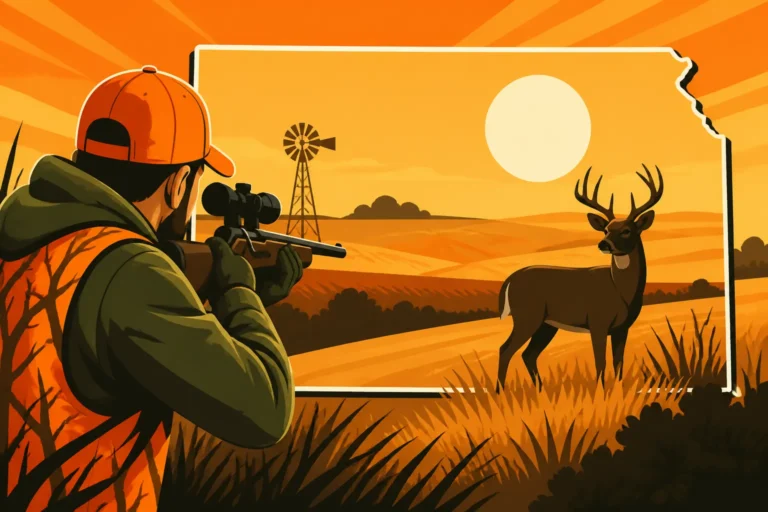
There’s nothing quite like the rush of successfully harvesting a deer, especially when you’ve put in the sweat equity on Kansas public land or Walk-In Hunting Access (WIHA) tracts. But let's be real, the euphoria can quickly turn to dread when you consider the monumental task of actually getting that deer out of the timber, across a CRP field, or out of a creek bottom, especially if you’re hunting alone. This guide is dedicated to easing that burden, diving deep into how deer carts can be your unsung hero in navigating the unique challenges of deer recovery in the vast, often unforgiving landscapes of Kansas.
The Unavoidable Reality of Deer Recovery in Kansas
The moment of truth arrives, and your tag is punched. Now comes the hard part: getting your deer back to the truck. This isn't just a physical challenge; it's a strategic one, particularly on the expansive and often rugged terrain you find across Kansas. From the thick river bottoms of eastern Kansas to the rolling plains and CRP fields out west, every recovery is a test of will and preparation.
Why Traditional Dragging Fails on Walk-In Ground
Dragging a full-sized Kansas whitetail buck, or even a heavy doe, by yourself for any significant distance can feel like an Olympic feat of strength. On private land, you might have the luxury of calling a friend with an ATV or driving a short distance to the downed animal. But on public land or those precious WIHA tracts, motorized vehicles are often prohibited, and you might be miles from the nearest accessible road. The frustration builds when your drag rope digs into your hands, your back screams, and every brush pile or creek bed feels like an insurmountable obstacle. Mud, tall prairie grass, rocky terrain, and fences all conspire against a simple drag, making what should be a straightforward task an agonizing ordeal. Without the right tools, you risk exhaustion, injury, and potentially spoiling your hard-earned venison, especially if you're dealing with a larger animal or a warm September day.
The Role of Deer Carts in Solo Hunting Success
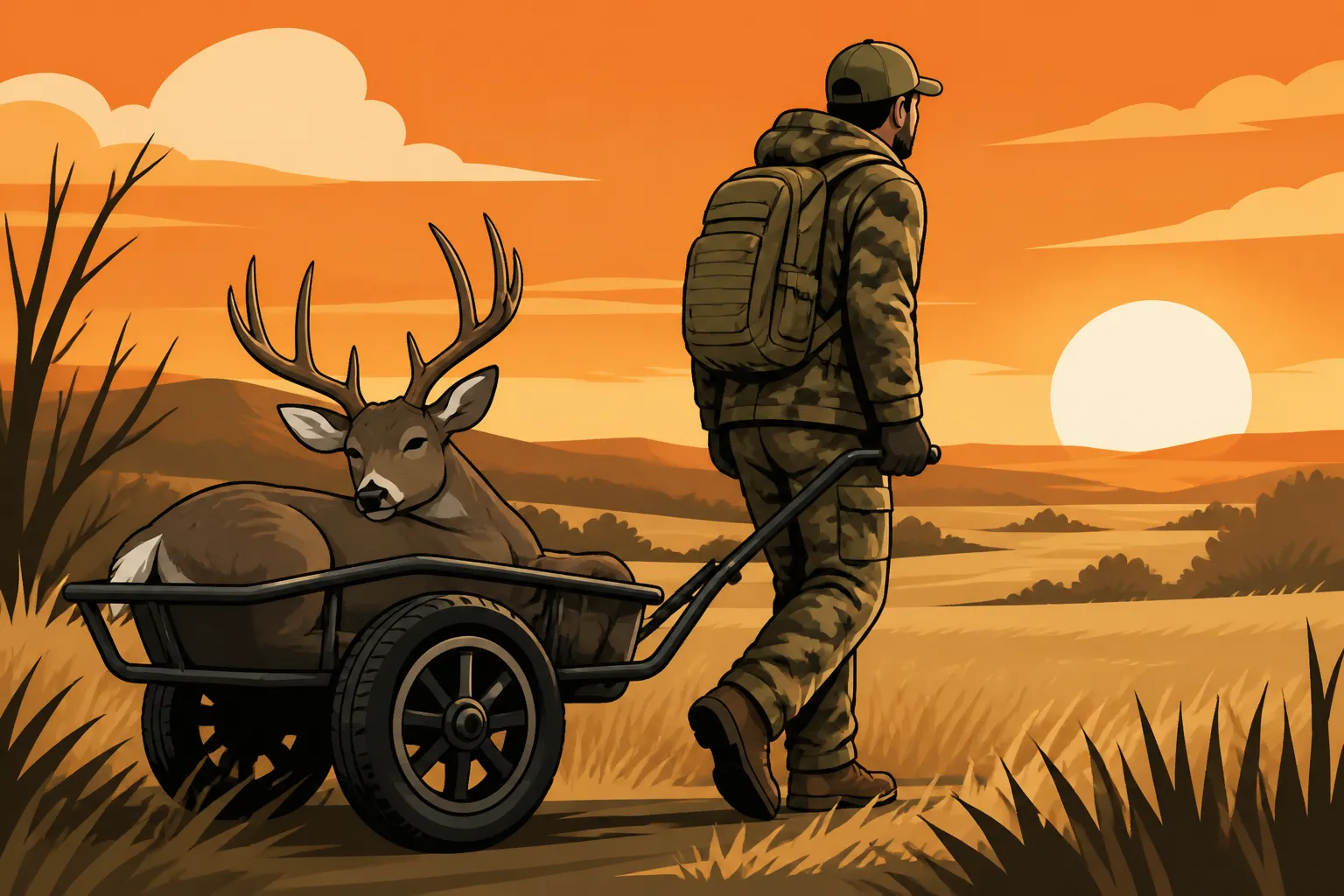
This is where a good deer cart steps in as an absolute game-changer. For the solo hunter, or even a small group, a reliable deer cart can transform a grueling several-hour ordeal into a manageable hour-long trek. It distributes weight, reduces friction, and allows you to navigate challenging terrain much more efficiently. Imagine pulling 200 pounds of deer across a grassy field with a cart versus trying to drag that same weight directly on the ground. The difference is night and day. A well-chosen deer cart becomes an extension of your hunting strategy, allowing you to access more remote areas, pursue game confidently knowing you have a recovery plan, and ultimately, ensuring your harvest is brought out quickly and safely. It's an investment in your physical well-being and the quality of your wild game meat.
Choosing the Right Deer Cart for Kansas Terrain
Not all deer carts are created equal, and what works beautifully in a manicured woodlot back east might be a nightmare on a rugged Kansas river bottom or across a field of stubborn milo stubble. Understanding the types available and their strengths and weaknesses is crucial for making a wise investment.
Two-Wheeled Carts for Stability and Capacity
Two-wheeled deer carts are perhaps the most common design, and for good reason. They offer excellent stability, especially when navigating uneven ground or crossing small obstacles. The two wheels, often spaced wide apart, help prevent the cart from tipping over, which is a major advantage when you're loaded down with a heavy deer. Many models feature larger, pneumatic tires, which can absorb shock and roll over roots, rocks, and ruts more easily than solid wheels. This makes them ideal for the varied landscapes of Kansas, from slightly smoother gravel roads found on some public land to more broken ground near timber lines or along field edges.
However, their width can sometimes be a hindrance in extremely dense timber or through tight gates. You might find yourself occasionally getting hung up if you're trying to push through a thick cedar stand or navigate dense multiflora rose thickets that often line creek draws. When you're Hunting Kansas River Bottoms and Creek Draws, this extra width can mean the difference between a smooth pull and a wrestling match with your equipment. But for the vast majority of Kansas hunting scenarios, especially on those open fields or established game trails, a robust two-wheeled cart is a reliable workhorse, making the heavy lifting significantly easier. Brands like Hawk, Cabela's, and even some lesser-known brands offer solid two-wheeled options that can handle big Kansas bucks.
Single-Wheeled Carts for Agility in Tight Spots
Single-wheeled carts, often referred to as game trolleys or wheelbarrows for deer, sacrifice some stability for superior maneuverability. Their narrow profile allows them to easily navigate through dense brush, thick woods, and narrow deer trails where a wider two-wheeled cart would get snagged. This can be a huge advantage if you're primarily hunting areas with tight cover, such as the thicker portions of Shelterbelts and Timber Points in Kansas Farm Country or areas with dense undergrowth.
The trade-off, however, is that they require more effort to balance, especially when loaded with a heavy animal. You're essentially bearing some of the weight and constantly correcting the cart's lean. While some models are designed with a low center of gravity to mitigate this, they still demand more physical input from the hunter. If your recovery path involves steep inclines or declines, or very rocky, unstable ground, a single-wheeled cart can be quite a workout and even precarious. For hunters who prioritize agility above all else and are confident in their ability to balance a load, these carts can be excellent, particularly when working solo in thick cover where every inch of clearance matters.
Game Sleds and Bags for Specific Recovery Needs
Sometimes, a traditional wheeled cart isn't the best solution, or perhaps it's simply not feasible to carry one in. This is where game sleds and heavy-duty game bags come into their own. Sleds are essentially durable, rigid plastic shells designed to slide across the ground. They excel in snow, over relatively smooth fields, or even through muddy conditions where wheels would bog down. They protect the deer's hide from abrasion and keep dirt and debris off the meat. For hunters operating in colder late-season conditions or those primarily working in open fields, a sled can be an incredibly efficient way to move a deer. They also work well for Getting a Deer Out of a River Bottom Alone where you might have to float it across a shallow section or slide it up a muddy bank.
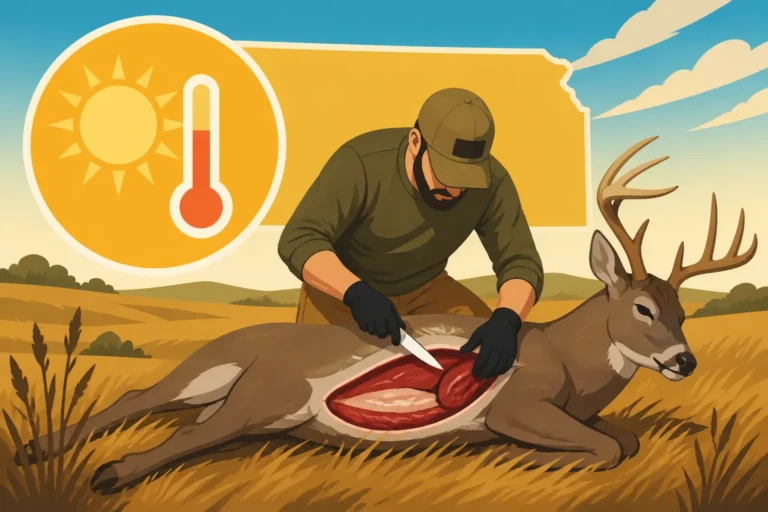
Game bags, on the other hand, are heavy-duty fabric bags, often with multiple handles, designed to encase a quartered or boned-out animal. While this requires field dressing and breaking down the animal (which can be a big job, especially in Field Dressing in Warm Kansas Weather), it can be the ultimate solution for extremely rugged, steep, or remote terrain where a whole deer simply cannot be carted or dragged. By reducing the overall weight and creating smaller, more manageable loads, you can make multiple trips if necessary or carry the meat out in a backpack. While not "carts" in the traditional sense, these recovery tools are vital considerations for hunters facing extreme challenges on Kansas's diverse walk-in areas.
Essential Features and Considerations for Kansas Deer Carts
When you're shelling out your hard-earned money for a deer cart, you want to make sure it can stand up to the rigors of Kansas hunting. There are several key features and considerations that can make or break its utility in the field.
Wheel Type and Durability
The wheels are arguably the most critical component of any deer cart. You'll primarily encounter two types: pneumatic (air-filled) and solid (puncture-proof).
- Pneumatic Tires: These are common and offer excellent shock absorption, making for a smoother ride over rough terrain. They provide better traction in mud and loose soil and can roll over obstacles more easily. The downside, of course, is the risk of a flat tire. Imagine pulling a big buck out of a secluded WIHA tract only to get a flat. That's a gut punch. Carrying a small patch kit or knowing how to quickly change a tube can mitigate this risk.
- Solid/Puncture-Proof Tires: These tires eliminate the worry of flats, which is a massive relief for remote hunts. However, they tend to be heavier and offer less cushioning, meaning a bumpier ride over rough ground. They might also have slightly less traction in truly muddy conditions. For Kansas's often thorny landscapes (think honey locusts and multiflora rose), solid tires offer a strong advantage. Many hunters find the peace of mind worth the trade-off in ride comfort.
Regardless of type, look for large diameter wheels (18-20 inches or more) as they handle obstacles much better. Wider tires also distribute weight more effectively and prevent sinking in soft ground.
Frame Construction and Weight Capacity
The cart's frame is its backbone. You want something made from sturdy, lightweight materials that won't buckle under a heavy load. Aluminum frames are excellent as they offer a great strength-to-weight ratio, making the cart easier to haul before you even load a deer onto it. Steel frames are often more durable and can handle heavier loads, but they are significantly heavier themselves, which adds to your burden.
Check the manufacturer's stated weight capacity. A mature Kansas whitetail buck can easily weigh 180-250 pounds live weight, and sometimes even more. Once field dressed, they might still be 150-200 pounds or more. Ensure your chosen cart can comfortably handle this, plus the weight of any gear you might strap alongside the deer. Overloading a cart is a sure-fire way to bend axles, break welds, or damage tires. When Scouting Kansas Walk-In Tracts Before the Opener, consider the typical size of deer in the area and choose your cart accordingly.
Foldability and Portability
Many public land hunters need a cart that can be easily transported in a truck bed, trunk, or even strapped to an ATV. A folding design is a huge plus. Look for carts that collapse down into a compact size without requiring tools. Quick-release wheels and folding side rails are common features. The easier it is to pack in and out, the more likely you are to actually use it on every hunt. Some designs even allow the wheels to be easily removed for cleaning or storage. When you're making a quick trip to a Public Land Deer Hunting in Kansas spot, convenience is king.
Here’s a quick comparison of common deer cart features:
| Feature | Two-Wheeled Cart (Pneumatic) | Two-Wheeled Cart (Solid) | Single-Wheeled Cart | Game Sled/Bag |
|---|---|---|---|---|
| Stability | Excellent | Excellent | Moderate (needs balance) | N/A |
| Maneuverability | Good | Good | Excellent (narrow) | Excellent (sliding) |
| Terrain Suitability | Varied, mild to moderate rough | Varied, mild to moderate rough | Dense timber, narrow trails | Smooth ground, snow, mud, extreme rugged |
| Puncture Risk | High | None | High | None |
| Weight Capacity | High | High | Moderate | Variable |
| Ease of Transport | Moderate (can fold) | Moderate (can fold) | High (compact) | High (flat) |
| Hunter Effort | Low to Moderate | Low to Moderate | Moderate to High | Low to Moderate |
Mastering Your Deer Cart on Walk-In Ground
Having the right deer cart is only half the battle; knowing how to use it effectively and strategically is what truly makes a difference in the field. Kansas walk-in ground presents its own unique set of challenges that require thoughtful preparation and execution.
Pre-Scouting Your Recovery Route
Just as you would scout for deer sign and bedding areas, it's incredibly beneficial to scout potential recovery routes on your chosen walk-in tracts. Before the season, or even the day before a hunt, take some time to walk the property and identify game trails, field edges, and access points that would be suitable for a deer cart. Using tools like GoHunt's mapping features or other public land mapping apps can help you visualize the terrain and pinpoint potential bottlenecks like deep creek crossings, steep washes, or heavily fenced areas.
Think about the path of least resistance. Does a particular fence line have a downed section a cart could cross? Is there a subtle ridge that avoids a muddy low spot? Identifying these paths when you're fresh and unburdened will save you immense frustration when you're tired and pulling a heavy deer. Pay attention to features like Creek Crossings Worth Hanging a Stand On, as these might also be ideal cart routes. The goal is to minimize uphill drags and maximize downhill or flat terrain.
Efficient Loading and Securing Your Harvest
Proper loading is key to an easy recovery. First, always field dress your deer as close to the kill site as possible. This removes significant weight and allows the carcass to cool faster, especially important if you're hunting during Muzzleloader Deer Tactics in Warm September Weather. Once field dressed, lay the deer on the cart with the back facing down, if possible, to keep the head and antlers from dragging. Use heavy-duty ratchet straps or bungee cords to secure the deer tightly to the cart frame. You don't want the deer shifting or rolling off while you're navigating rough terrain.
Make sure the weight is balanced over the axle(s) to minimize strain on your arms. If the deer is very long, position it so the bulk of the weight is centered. For two-wheeled carts, this means the weight is primarily over the axle. For single-wheeled carts, you'll still be supporting a portion of the weight, so proper balance is even more crucial to reduce fatigue. Consider bringing a small tarp or plastic sheet to lay over the cart before placing the deer. This helps keep the cart cleaner and makes cleanup easier later.
Navigating Tough Kansas Terrain Features
Kansas terrain offers unique obstacles. Here’s how to tackle some common ones:
- Tall Grass and CRP: Miles of dense CRP grass can be incredibly tiring to drag a deer through. A deer cart with large, wide, pneumatic tires will perform best here, rolling over the thick vegetation rather than digging in. You'll still exert effort, but it's far less than dragging directly on the ground. Sometimes, finding a subtle game trail or walking a slightly higher, drier spot where grass is thinner can help. Be mindful of CRP Grass and Where Bucks Bed, as these areas can be particularly thick.
- River Bottoms and Creeks: These can be muddy, rocky, and often involve crossing water. For shallow, firm-bottomed creeks, you can often push or pull the cart directly through. For deeper or muddier sections, you might need to unstrap the deer, carry it across, and then pull the empty cart. In extreme cases, a game sled might be a better option, allowing you to float the deer across if the water is calm enough. Always be cautious of slick banks and swift currents.
- Fences and Gates: Many walk-in properties have fences. Look for gates or easily crossed sections. If you must cross a fence where there's no gate, unstrap the deer, lift it over, and then maneuver the cart over separately. Never try to push a loaded cart under or over barbed wire, as it's a recipe for damage to your cart, the deer, and yourself.
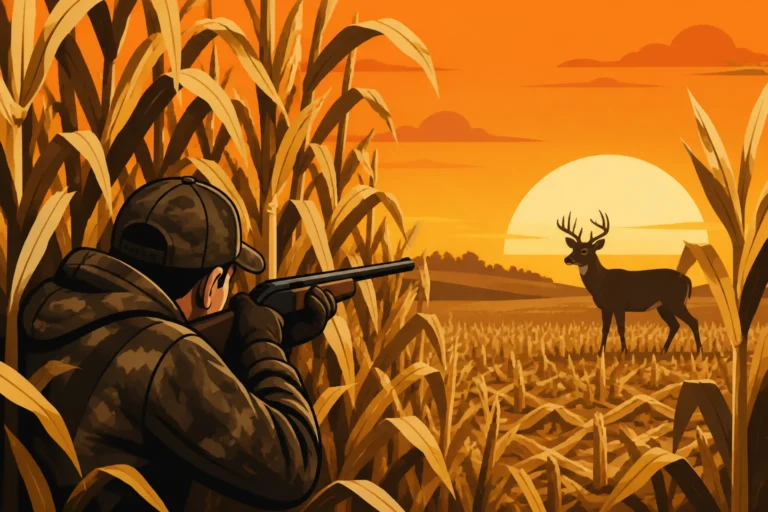
- Milo and Corn Stubble: These agricultural fields, especially later in the season, can be tough on deer, and even tougher on carts. The rigid stalks can snag wheels or poke holes in pneumatic tires. Consider using solid tires if you frequently hunt these areas. If the stubble is very high and dense, you might have to walk around the edges of the field or stick to established tracks. These areas are prime for Milo and Corn Stubble Deer Patterns, but recovery is a consideration.
Maintenance and Preparation Beyond the Hunt
Your deer cart is an investment, and like any good piece of hunting gear, it needs maintenance. After each use, especially if it's been through mud or muck, clean the frame and wheels thoroughly. Inspect tires for wear, check for bent axles, and ensure all bolts and fasteners are tight. Lubricate moving parts if recommended by the manufacturer. Store your cart in a dry place to prevent rust.
Don't forget to prepare yourself for the recovery. While a cart makes it easier, it's still hard work. Stay hydrated during your hunt, and consider packing some high-energy snacks for after the shot. If you plan to be hunting alone on truly remote public land, always Leaving a Trip Plan for a Public Hunt with someone, detailing your location and expected return time. Knowing your limits and being physically prepared will make the entire process safer and more enjoyable.
Alternatives and Strategic Considerations
While deer carts are fantastic, they aren't the only solution, and sometimes the best approach is a combination of tactics, especially when dealing with the vast and varied landscapes of Kansas.
When a Deer Cart Isn't the Right Tool
There are specific scenarios where a deer cart might actually be more of a hindrance than a help. Extremely rugged, mountainous terrain with steep, rocky ascents and descents can make a wheeled cart impractical, if not dangerous. While Kansas isn't typically mountainous, you can find surprisingly challenging topography along river breaks, deep canyons in western Kansas, or particularly steep draws. In very dense, thorny thickets, the width of a cart can be a constant struggle, making a basic drag or even quartering the animal a more efficient, albeit labor-intensive, option.
Also, if you're planning a truly mobile hunt where every ounce matters, packing a large, bulky deer cart might not fit into your strategy. A hunter employing a Mobile Hunting With a Saddle in Kansas setup might find themselves needing to cover significant ground quickly and lightly, making a cart less desirable to carry for hours. In these situations, knowing how to efficiently field dress and quarter an animal into a specialized game pack becomes paramount.
The Buddy System: An Unbeatable Advantage
While this guide focuses on solo recovery, it's worth stating the obvious: hunting with a partner or a group is the ultimate deer recovery strategy. Two sets of hands make short work of almost any recovery, regardless of the terrain. Even with a cart, an extra person to help lift, guide, or push can cut recovery time in half and drastically reduce strain. If you have the opportunity, coordinating hunts with friends, even if you hunt different stands, can provide that invaluable support system. This is especially true when hunting areas known for holding larger bucks or if you anticipate deep penetration into remote areas where Hunting Pressure Patterns on Kansas Public Land might push deer further back.
Having a partner also allows for more strategic approaches, like leapfrogging the cart, where one person pulls while the other rests or assists. It also enhances safety, providing an extra layer of security when navigating unfamiliar or challenging terrain, especially after dark.
Utilizing Natural Features for Easier Recovery
Beyond the equipment, astute observation of the natural landscape can dramatically ease your recovery. Always try to drag or cart a deer downhill whenever possible. Gravity is your friend! Look for subtle contours in the land that might create a "funnel" or a slightly easier path. Old logging roads, utility line cuts, or even well-worn deer trails can be highways for your cart compared to breaking new ground through thick brush.
If you find yourself in a particularly challenging spot, like a steep, muddy bank, consider if there's an alternative route, even if it's longer. Sometimes, walking an extra 100 yards to find a gentler slope is far less exhausting than trying to muscle a deer and cart straight up a difficult one. Remember the lesson from Reading a Kansas Creek Bottom for Deer Sign; these same signs can guide your recovery route too. Being flexible and adaptive to the terrain is a hallmark of a successful and efficient hunter.
Ultimately, a deer cart is more than just a piece of equipment; it's a tool that empowers you to hunt smarter, farther, and with greater confidence on Kansas's walk-in lands. It mitigates the physical toll of a successful hunt and ensures your hard-earned venison makes it back to the truck in prime condition. Choose wisely, practice efficiently, and always prioritize safety and smart strategy in the field.
Disclaimer
The information provided in this guide is for general informational purposes only and does not constitute legal advice. Hunting regulations and rules, including those pertaining to equipment, vehicle access, and carcass transport, can change. Always consult the most current Kansas Department of Wildlife, Parks and Tourism (KDWP) regulations and local ordinances before engaging in any hunting activities. Adherence to all applicable laws and safety guidelines is the sole responsibility of the individual hunter.