Small Timber Drives With Two Hunters
It can feel incredibly frustrating when deer season rolls around, and you’re faced with prime-looking timber pockets, but your hunting crew is smaller than a football team. Many of us find ourselves with just one other buddy, wondering how we could possibly move deer out of cover effectively. The good news is, even with just two hunters, you can absolutely execute a successful, strategic deer drive in Kansas, turning those frustrating thickets into real opportunities. This guide is all about maximizing your chances with minimal manpower, focusing on smart tactics and absolute safety.
The Fundamentals of a Two-Person Drive
When you're trying to push deer with only two people, it's not about brute force or loud, chaotic movements. It's about precision, understanding deer behavior, and leveraging the strengths of each hunter. The beauty of a two-person drive lies in its simplicity and the ability to focus your efforts on smaller, more defined pockets of cover that larger groups might overlook or pass by.
Defining Roles: Driver and Stand-Watcher
Success in a two-person drive hinges entirely on clearly defined roles and trust between partners. There’s no room for ambiguity; each hunter has a specific, vital job that contributes to the overall strategy.
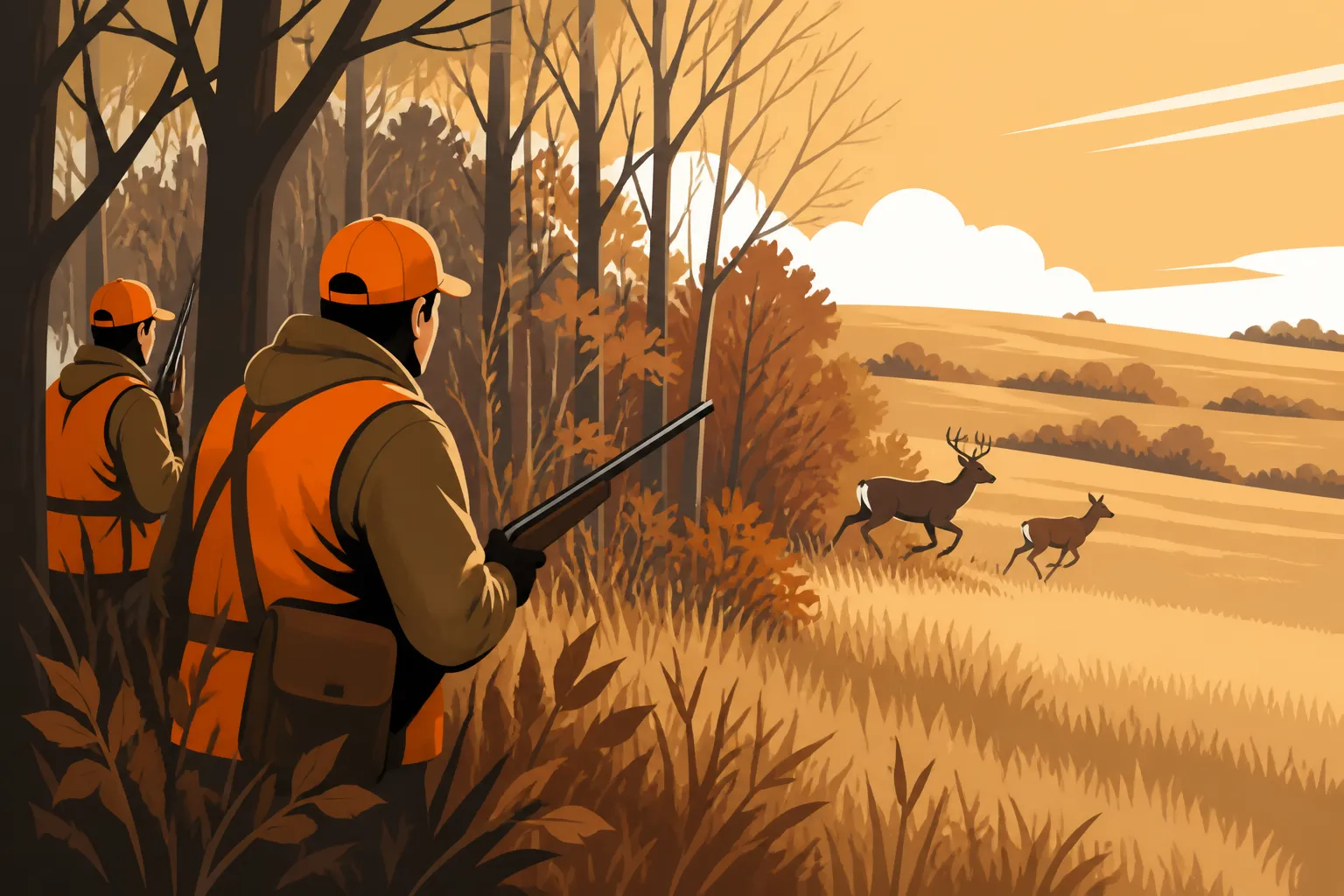
The driver is the individual who will be slowly pushing through the designated piece of cover. Their job isn't to run deer out at full speed, but rather to methodically move through the area, creating just enough disturbance to encourage deer to get up and leave their bedding. This often involves walking at a deliberate, measured pace, making intermittent noise – maybe a quiet clap, a cough, or breaking a small branch. The goal is to make the deer feel uncomfortable, not panicked. A panicked deer might bust out in any direction, making for a difficult shot or worse, running into an unsafe zone. The driver needs to be keenly aware of the terrain, potential escape routes for deer, and, most importantly, the exact location of their partner. They're essentially acting as a mobile low-pressure zone, gently nudging deer towards the escape route where the stand-watcher is waiting.
The stand-watcher, sometimes called the blocker, is the hunter positioned strategically at the anticipated escape point of the deer. This person needs to be in a location that offers good visibility, clear shooting lanes, and, ideally, a vantage point that covers the most likely paths deer will take when leaving the cover. Their role requires immense patience, absolute silence, and constant vigilance. They must be ready to react quickly and quietly when deer appear. Their setup should prioritize being hidden and having a stable shooting platform, whether that’s from a treestand, a well-brushed ground blind, or simply tucked into natural cover. The stand-watcher's success is directly tied to the driver's ability to funnel deer into their zone, and the stand-watcher's preparedness to make an ethical shot.
Why Small Timber is Ideal for Two Hunters
You might think that small timber, like a narrow creek bottom or an isolated cedar thicket in the middle of a big Kansas crop field, isn't worth the effort. But these are precisely the kinds of spots where a two-person drive can shine. Large expanses of timber require many hunters to cover all angles and potential escape routes effectively. Trying to push a massive block of woods with just two people is often an exercise in futility, as deer have too many avenues to slip out unnoticed.
Small pockets of timber, however, are manageable. They have clearer boundaries, making it easier to predict where deer will try to exit. Deer often seek out these isolated patches for bedding, especially during the firearm season when pressure on larger timber blocks can be intense. These smaller spots might only hold a handful of deer, but those deer are often mature animals that have learned to avoid pressure by hiding in seemingly insignificant cover. By focusing your efforts on these tighter, more defined areas, you can concentrate your driver's path and the stand-watcher's position, significantly increasing your odds of intercepting deer as they leave. It also means you’re less likely to "burn out" a huge piece of ground, preserving it for future hunts.
Strategic Planning and Pre-Drive Scouting
A successful two-person drive isn't about improvisation; it's about meticulous planning. You need to think like a deer and anticipate their movements under pressure. This stage often happens long before you ever step foot in the woods with your hunting gear.
Identifying Key Cover and Escape Routes
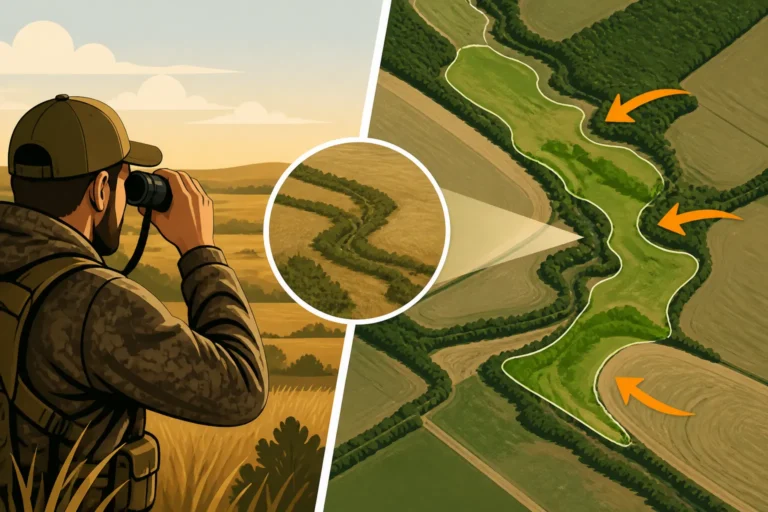
Before you even consider driving a piece of timber, you need to understand it intimately. Start with a mapping application like GoHunt, which provides detailed aerial imagery. Look for specific features:
- Isolated Pockets: Are there any small, dense timber stands surrounded by open fields? These are prime candidates for holding deer.
- Thickets and Brushy Draws: Even if it’s not traditional tall timber, dense brush, plum thickets, or deep draws can hold deer tight.
- Water Sources: Creeks and river bottoms often offer ideal cover and natural travel corridors. Pay close attention to sections of Scouting Kansas River Bottoms and Creek Draws for insights on what to look for along these vital waterways.
- Topographical Features: Even in relatively flat Kansas, subtle rises, ditches, or changes in elevation can create natural funnels or bedding areas.
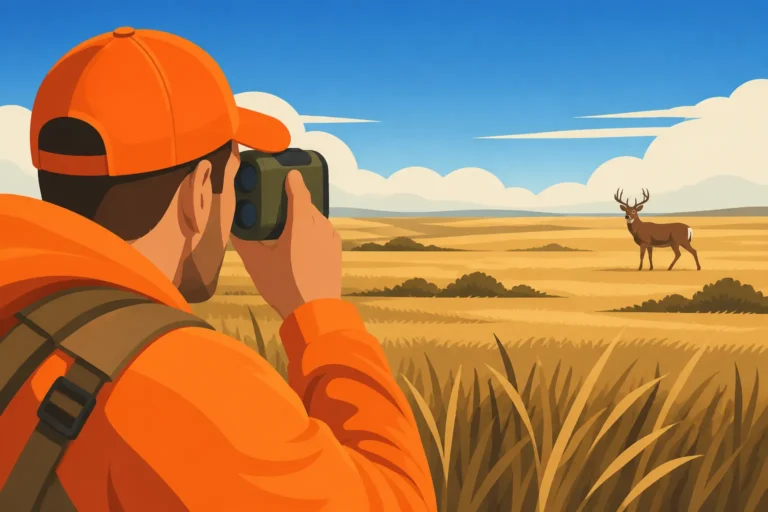
Once you've identified potential spots on the map, it's time for some on-the-ground reconnaissance, if possible outside of hunting hours. Walk the perimeter, identifying where deer might enter and, more importantly, where they are most likely to exit when pushed. Look for pinch points—narrow sections where the cover constricts, forcing deer into a smaller area. These are prime spots for your stand-watcher. Pay attention to recent deer sign: tracks, droppings, rubs, and scrapes can tell you where deer are currently active and how they're using the cover.
Utilizing Wind and Terrain to Your Advantage
Wind direction is paramount in any deer hunt, but it's especially critical in a drive. For the stand-watcher, the wind should always be in their face or quartering to them, ensuring their scent is carried away from the approaching deer. If the wind is blowing their scent into the timber, any deer inside will likely bust out the back long before the driver gets close.
For the driver, the ideal scenario is often to move crosswind or, counter-intuitively, slightly upwind, pushing deer into the wind towards the stand-watcher. Deer prefer to run into the wind when escaping perceived danger because it allows them to use their superior sense of smell to detect any further threats ahead. This tendency can be a powerful ally in funneling them where you want them to go.
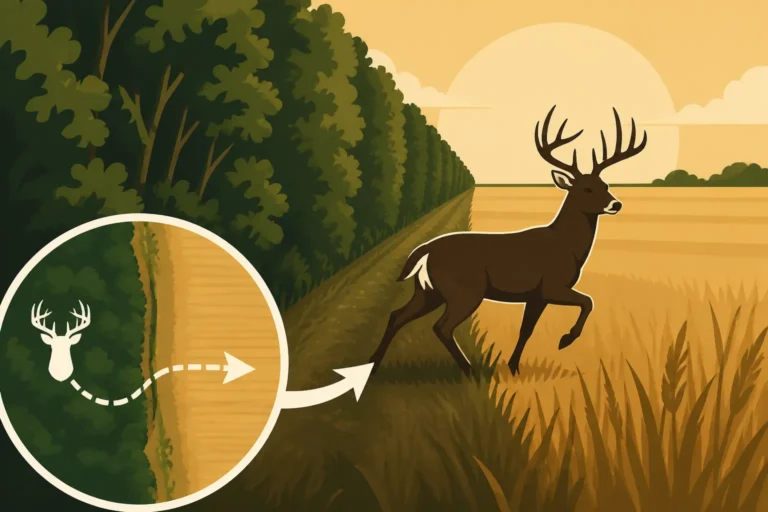
Even in the often-flat landscapes of Kansas, terrain plays a significant role in channeling deer. Small creek beds, fence lines, overgrown ditches, or even subtle changes in elevation can act as natural funnels. Deer will often choose the path of least resistance or the path that offers the most cover. Understanding Hunting Terrain Funnels in Flat Country can give you an edge, allowing you to predict escape routes even where obvious hills are absent. Use your GoHunt app or other mapping tools to pinpoint these subtle features on the landscape.
E-Scouting and On-the-Ground Reconnaissance
Modern hunting has been revolutionized by digital mapping tools, and they are your best friend for a two-person drive. Before you ever step foot in the field, fire up your GoHunt app or other preferred mapping software. Zoom in on public land tracts, WIHA areas, or private land you have permission for. Look specifically for those small, isolated timber blocks, hedgerows, and brushy draws. These often stand out as dark green fingers or splotches surrounded by the lighter greens and tans of agricultural fields or CRP. Using these tools to help with Reading Aerial Imagery for Bedding Cover can reveal hidden gems you might otherwise miss.
Once you’ve identified promising areas from your couch, it's time for some boots-on-the-ground scouting, ideally outside of hunting season or at least before legal shooting light on the day of the hunt. Walk the perimeters of these timber blocks. Note the prevailing wind directions and how they interact with the cover. Identify specific trees that would make ideal elevated stand locations for your stand-watcher, or dense clumps of cedars perfect for a ground blind. Look for well-worn deer trails leading into and out of these pockets. These are the deer's preferred travel routes and your target escape corridors.
When you're walking, also pay attention to potential access points for both the driver and the stand-watcher. You want to plan routes that minimize disturbance before the drive even begins. Remember, Access Routes That Do Not Bump Deer are crucial; walking along field edges, through ditches, or using existing paths can help you get into position without alerting every deer in the county.
Executing the Drive Safely and Effectively
Once you've done your homework and understand the piece of ground you're targeting, it's time to put the plan into action. This phase requires meticulous execution, constant awareness, and, above all, a commitment to safety.
Setting Up the Stand-Watcher
The stand-watcher’s position is arguably the most critical component of the drive. This person needs to be in place well before the driver starts moving. Speed and silence are key during this setup phase. The stand-watcher should move to their designated spot, set up their stand or get settled into their ground cover, and become absolutely still and quiet.
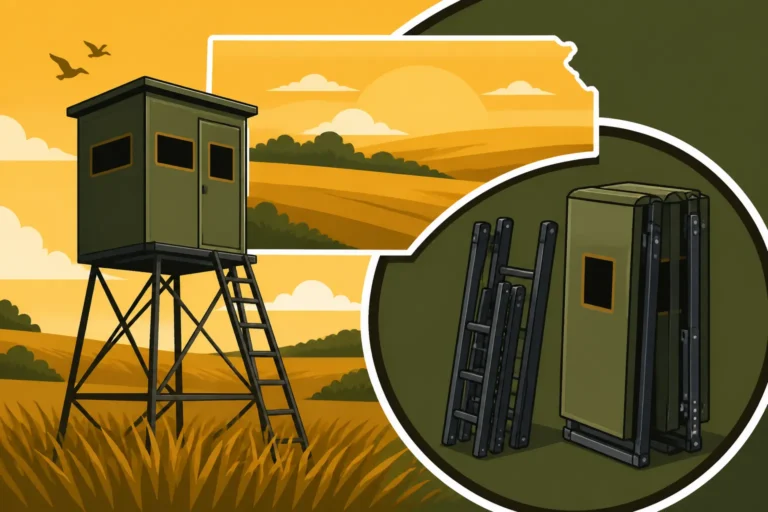
Their position should offer a clear view of the anticipated deer escape routes, with good shooting lanes free of obstructions. Elevated positions in a treestand are often ideal, providing a broader view and helping to keep human scent above the deer’s nose. If hunting from the ground, the stand-watcher must use natural cover to break up their outline and remain completely motionless. The wind must be right, carrying their scent away from where the deer are expected to emerge.
Critically, the stand-watcher needs to be fully aware of the driver's planned path and know the boundaries of the drive. They should identify "safe zones" and "no-shoot zones" based on the driver's position. This is where Safe Zones in a Deer Drive becomes vital – ensuring that all shots are taken away from the driver's direction. Given it's firearm season, adherence to Hunter Orange Rules During Firearm Season is not just a legal requirement but a fundamental safety practice that helps both hunters maintain awareness of each other's location.
The Driver's Approach and Pace
The driver's role is not to be a charging bull, but rather a slow, methodical persuader. Their pace should be deliberate and unhurried. Imagine walking at about half your normal speed. This gives deer ample time to decide to move rather than explode out of cover in a panic, and it allows the driver to pay attention to their surroundings and the terrain.
The driver should make strategic noise—a few soft claps, a stomp, perhaps a whispered "deer" every minute or two, or gently raking a stick against brush. The idea is to create just enough discomfort to get bedded deer on their feet and moving, without sending them into a full-blown panic. Deer that are gently nudged tend to move more predictably, often following established trails, making them easier targets for the stand-watcher. The driver should also weave slightly, covering the full width of the timber strip, ensuring no deer are simply bypassed and left behind. As they move, the driver should constantly be listening for the sounds of deer moving ahead and mentally tracking their partner's position.
Communication and Safety Protocols
Clear communication is paramount for a safe and effective drive. Before the hunt even begins, discuss the exact plan, including:
- Driver's path: The precise route the driver will take.
- Stander's position: The exact location of the stand-watcher.
- Boundaries of the drive: Where the drive starts and ends, and any no-go zones.
- Radio Channels: If using two-way radios, confirm channels and test them. Establish simple codes or phrases to convey information quickly and discreetly, without alarming deer.
- "Stop" or "Hold" command: A universally understood word to immediately halt the drive if a safety concern arises.
During the drive, communication should be minimal but effective. The stand-watcher might give a quick, quiet "ready" when the driver is about to start. The driver might signal "moving" to indicate they've begun. The most important rule is that you must always know where your partner is located. Never take a shot if there's any doubt about your partner's position relative to your target and its backdrop.
Ethical shot placement is also key. Even in the excitement of a drive, you must wait for a clean, broadside, or quartering-away shot. Rushing a shot or taking a low-percentage angle only leads to wounded animals and difficult tracking jobs. Reviewing guides on Shot Placement on a Whitetail at Twenty Yards before the season can reinforce proper shot execution and ensure a humane harvest.
Post-Drive Considerations and Maximizing Success
The drive isn't truly over until you've debriefed and taken care of any deer harvested. What happens after the push is just as important for future success and responsible hunting.
Following Up on the Drive
If a deer is harvested, congratulations! The immediate priority is to safely and efficiently recover the animal. Maintain communication with your partner, especially if the deer runs. Work together to establish a blood trail and follow it systematically.
If no deer are seen or shot, don’t consider it a failure. Instead, treat it as a learning opportunity. Debrief with your partner.
- Where did the deer go? Did they slip out the back, or did they veer off to the side?
- Was the stand-watcher in the right spot? Could they have had better visibility or clearer lanes?
- Was the driver’s pace or noise level appropriate? Too fast, and deer might have busted out wild; too slow, and they might have just laid tight.
- Did the wind shift? A slight change in wind direction can completely alter a deer’s escape plan.
Analyze how the deer reacted to your pressure. This information is invaluable for planning your next drive in that same area or similar cover types. Sometimes, deer just aren't there, or they've learned to evade even the most subtle pressure. The insight gained helps you refine your tactics for next time.
Avoiding Over-Pressuring Small Areas
One of the biggest mistakes hunters make, especially with small, productive areas, is to over-pressure them. While a two-person drive can be effective in small timber, repeatedly hitting the same spot day after day will quickly make those deer nocturnal or send them looking for different bedding areas. Deer are incredibly adaptable and will quickly learn to avoid predictable pressure.
After a successful drive, or even an unsuccessful one where deer were clearly present, it's wise to let that spot "rest" for a few days, or even a week, before attempting another drive there. This allows deer to regain a sense of security and potentially move back into the cover. Constantly running deer out of the same patch of timber will only train them to leave the moment they sense any disturbance. Understanding Hunting Pressure Patterns on Kansas Public Land is key to long-term success, as you want to manage how you interact with specific areas. If you're on Kansas Walk-In Hunting Access (WIHA) land, remember to abide by rules regarding check-ins, such as those covered in Checking In and Out on iWIHA Ground, which can also give you an idea of daily hunter traffic.
Legalities and Ethical Considerations
Always ensure you are operating within the current Kansas hunting regulations. This includes understanding bag limits, season dates, licensing requirements, and any specific rules related to driving deer. While two-person drives are generally accepted, larger, coordinated drives can sometimes fall under different interpretations of regulations in certain states or properties. Always double-check the Kansas Department of Wildlife, Parks and Tourism (KDWP) regulations synopsis.
Be mindful of property boundaries. Even if you're driving a small timber patch on public land, ensure that deer won't be pushed onto private property where you don't have permission to retrieve them. Use your GoHunt app or other mapping tools to clearly delineate property lines before the drive. It’s also important to remember that general regulations like Kansas Public Land Baiting Rules apply to public ground, and while drives are distinct, awareness of all rules is essential for responsible hunting.
Ultimately, hunting should always be conducted ethically and safely. Respect for the animal, the land, and your hunting partners should be at the forefront of every decision. A successful two-person drive isn't just about tagging a deer; it's about a well-executed plan, teamwork, and responsible hunting practices.
Two-Person Deer Drive Roles and Actions
| Role | Key Actions Before Drive | Key Actions During Drive | Key Actions After Drive |
|---|---|---|---|
| Stand-Watcher | – Scout escape routes on map (GoHunt). – Position quietly and early. – Identify clear shooting lanes. – Confirm driver's path and safe zones. |
– Remain absolutely silent and motionless. – Observe intently for deer. – Communicate via radio if necessary (minimal). – Wait for ethical shot. |
– Recover deer (if applicable). – Debrief with driver. – Analyze deer movement and escape. – Note lessons learned. |
| Driver | – Scout cover and potential bedding areas. – Plan slow, deliberate path. – Confirm stand-watcher's location and safe zones. – Plan silent access route. |
– Move slowly, methodically. – Make intermittent, strategic noise. – Pay attention to terrain and deer sign. – Always know partner's location. |
– Assist with deer recovery. – Debrief with stand-watcher. – Evaluate drive effectiveness. – Avoid over-pressuring the spot. |
Disclaimer
Hunting is an inherently dangerous activity. The information provided in this guide is for informational purposes only and is not a substitute for proper hunter education, safety training, or compliance with all local, state, and federal hunting laws and regulations. Always prioritize safety, know your target and what is beyond it, and hunt ethically and responsibly.