Late-Season Food Sources in Kansas
Hunting in Kansas during the late season can feel like a completely different ballgame than the early weeks of fall. The lush landscapes of September and October have often given way to barren fields and stark timber, and the deer and upland birds seem to vanish into thin air. Many hunters find themselves scratching their heads, wondering where all the game went and, more importantly, what they're even eating. This guide is all about peeling back the layers on late-season food sources in Kansas, helping you pinpoint where deer and birds concentrate when the mercury drops and the hunting pressure mounts.
Understanding Late-Season Challenges in Kansas
As the calendar flips past Thanksgiving and heads into December and January, the Kansas landscape transforms. The vibrant greens of summer and the golden hues of autumn are replaced by browns and grays, and with this shift comes a significant change in how and where wildlife survives. For hunters, this means the tactics that worked earlier in the year often fall flat. The biggest hurdle? Food. Early season, deer might have their pick of a thousand different plants, and pheasants could be scratching for bugs in every ditch. But when winter truly sets in, those options dwindle dramatically, making the remaining food sources absolute magnets for game.
The Urgency of Winter Nutrition
Imagine trying to stay warm and active when it's bitter cold, and your calorie intake is plummeting. That's precisely the challenge Kansas wildlife faces in the late season. Deer, especially, need a high-energy diet to maintain their body temperature, recover from the rigors of the rut, and continue to grow, even if it's just a bit. Their metabolism is working overtime, demanding easily digestible carbohydrates and proteins. For pheasants and quail, the stakes are just as high. A strong, steady food supply is crucial not only for warmth but also for maintaining enough energy to evade predators and survive harsh weather. Without adequate nutrition, they become more vulnerable, impacting their ability to reproduce come spring. Finding these concentrated food sources isn't just about bagging game; it's about understanding the fundamental survival instincts driving every animal's movement during this critical time.
Impact of Weather on Food Availability
Kansas weather is famously unpredictable, and its late-season swings can drastically alter food availability. A mild winter might mean some natural browse remains palatable longer, spreading deer out. But a heavy snowstorm or an ice event can completely lock up ground-level food sources. When fields are blanketed in snow, deer can't get to waste grain, and upland birds struggle to scratch through the crust. I've seen countless hunts derailed because a sudden cold snap froze exposed food or a blizzard buried it under a foot of white. This makes the type of food source incredibly important. Some standing crops, for example, are much more resilient to snow and ice than others, remaining accessible when everything else is covered. Always check the forecast and understand how recent weather patterns might have impacted what's available to game.
Hunting Pressure and Food Source Movement
It's not just the weather that pushes deer and birds around; it's us, the hunters. By late season, public land and even some private tracts have seen a fair bit of human activity. This pressure pushes mature animals, particularly, into tighter, more secure cover, and often, they'll only move to feed under the cover of darkness or in areas they perceive as safe. This means that a food source that was hot in October might be virtually abandoned in January if it's too exposed or easily accessed by hunters. You might find deer traveling significant distances from their bedding areas to reach a prime food source that offers some perceived security. Understanding these patterns, like how deer move when facing intense hunting pressure, is key to success. Don't just look for food; look for food that also offers a safe travel route and quick escape to dense cover.
Key Agricultural Food Sources
Kansas is an agricultural powerhouse, and its vast crop fields are undeniably the backbone of late-season sustenance for much of its wildlife. While standing corn gets a lot of hype, it's far from the only game in town. Understanding the different types of crops and how they are harvested – or not harvested – is paramount to locating where deer, pheasants, and quail will be concentrating their efforts for survival. These fields aren't just food; they often provide crucial cover as well, especially when the surrounding landscape is bare.
Standing Corn and Soybean Fields
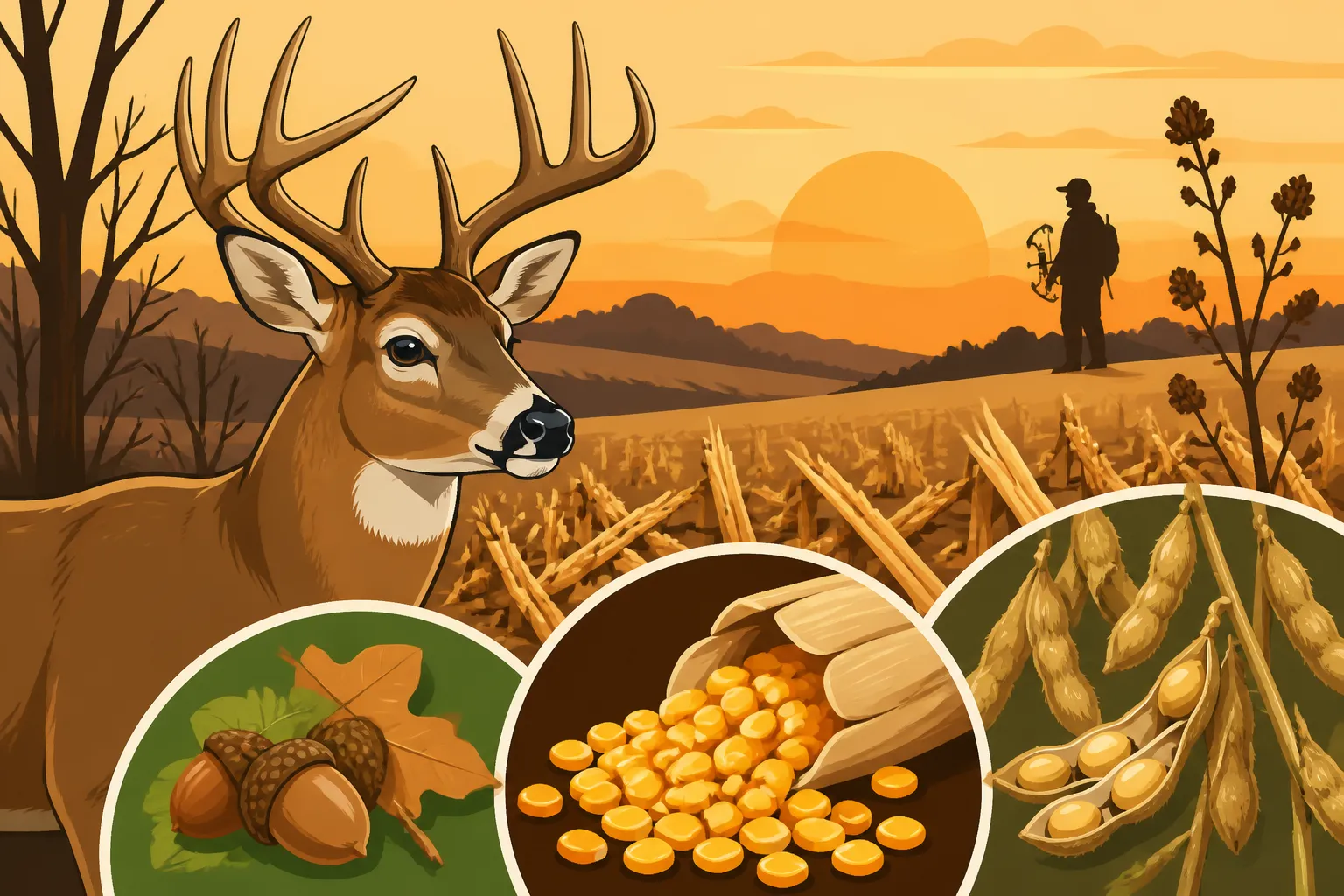
There's a reason standing corn is often referred to as a late-season deer magnet. It provides a trifecta of benefits: incredible caloric value, excellent thermal cover from harsh winds, and visual security from predators, including hunters. When combines can't get into a field due to wet conditions or a landowner intentionally leaves a portion unharvested, it becomes a literal deer sanctuary. Deer will bed right inside these fields, only venturing out briefly. The same goes for soybeans, though they're often harvested earlier. However, if a soybean field is left standing or was too wet to harvest cleanly, those protein-rich beans are a massive draw.
The key to finding success in these fields is understanding that deer aren't just randomly spread out. They'll often utilize the densest parts, especially corners or areas adjacent to thick timber or creek draws. Look for natural travel corridors into and out of these fields, or internal trails where deer navigate the rows. Pay close attention to the field edges that border secure cover; this is where you’ll often catch deer moving at dawn and dusk. The longer these fields remain unharvested, the more valuable they become, especially during the December firearm season in Kansas.
Milo (Grain Sorghum) and Wheat Stubble
While corn and soybeans are king, don't overlook milo (grain sorghum) or even cut wheat fields. Milo, with its compact seed heads, provides fantastic food value for both deer and especially upland birds. A standing milo field, much like corn, offers decent cover and a high-calorie food source that can hold up surprisingly well against snow. I've walked many a milo field in late December only to flush pheasants and find significant deer tracks indicating heavy feeding.
Cut wheat stubble, on the other hand, might seem less appealing, but it's crucial for birds, particularly quail. After the initial harvest, there's often plenty of waste grain on the ground. When snow doesn't completely cover it, quail and pheasants will scratch tirelessly to uncover these morsels. Deer will also browse on any volunteer wheat that sprouts up, or even leftover grains if the field hasn't been tilled. The edges of these stubble fields, especially where they meet CRP grass and where bucks bed, can be prime ambush points, as deer will often skirt these areas before venturing into cover or to more secure feeding grounds.
Food Plots and Winter Forages
For hunters with access to private land, or those fortunate enough to find wildlife areas that manage food plots, these cultivated areas are absolute gold in the late season. Landowners often plant specific winter forages like brassicas (turnips, radishes), winter wheat, or rye specifically to attract and hold deer into the colder months. These plants are designed to remain green and palatable even under snow, providing a critical food source when natural options are scarce.
Brassicas, in particular, become sweeter after a few hard frosts, making them incredibly attractive to deer. Winter wheat and rye also offer green browse that deer crave for their digestive health and energy. If you're scouting areas, identifying these types of food plots can quickly narrow down where deer will be spending their time. Even a small food plot can hold a surprising number of deer, especially if it's located close to bedding cover. When considering your hunting strategy, remember that these plots are designed for late-season success and can provide a consistent draw even when other food sources have been depleted.
Here's a quick look at some common agricultural food sources in Kansas during the late season:
| Food Source | Primary Game Attracted | Late-Season Appeal | Durability in Snow/Ice | Hunter Pressure Impact |
|---|---|---|---|---|
| Standing Corn | Deer, Pheasants | High calories, excellent cover, thermal protection | Excellent | Can hold deer inside |
| Standing Soybeans | Deer, Turkeys | High protein, good calories (if unharvested/spilled) | Good | Often less cover |
| Standing Milo (Sorghum) | Deer, Pheasants, Quail | High calories, decent cover, birds scratch easily | Good | Birds will use it |
| Wheat Stubble (Waste Grain) | Quail, Pheasants | Easy access for scratching birds, some deer browse | Moderate | Birds can be pushed |
| Brassica Food Plots | Deer | Sweetens after frost, highly attractive, very palatable | Excellent | Consistent draw |
| Winter Wheat/Rye Plots | Deer | Green browse, highly digestible, good for health | Good | Consistent draw |
Natural Food Sources and Cover Integration
While agricultural fields dominate much of the Kansas landscape, especially in the central and western parts of the state, natural food sources shouldn't be overlooked. In timbered areas, creek bottoms, and rugged terrain, these native plants become critical for survival. Often, the best late-season spots are where these natural food sources are tightly integrated with thick cover, offering both sustenance and security.
Hard and Soft Mast
Even after the primary acorn drop of early fall, some areas, especially in eastern Kansas timber and river bottoms, will still hold leftover hard mast like acorns. White oak acorns are particularly sought after by deer, but even red oak acorns, though less preferred, become vital when other options are scarce. Deer will literally scour the forest floor, flipping leaves and digging in the snow to find these nutritious nuts.
Beyond acorns, don't forget about soft mast that might persist or become available in late winter. Persimmons, if they haven't all been eaten or fallen, can still provide a sugary treat. Look for honeysuckle patches in creek crossings worth hanging a stand on, as deer will readily browse these green leaves through much of the winter. Sumac berries, while not a primary food, can also be a supplementary source for both deer and birds when everything else is covered in snow. These natural pockets of food are often found within or immediately adjacent to dense thermal cover, making them doubly appealing to wildlife.
Browse and Thermal Cover
As the agricultural fields become barren, deer turn increasingly to woody browse – the twigs and buds of shrubs and young trees. Species like dogwood, sumac, cedar, and even the tender tips of multiflora rose can provide vital nutrients. Thick cedar thickets as bedding cover become especially important, not only providing shelter from the wind and cold but also offering a limited browse option. In areas like the Flint Hills, deer will also rely on native forbs and grasses, particularly those that remain somewhat green or have palatable seed heads.
The key here is recognizing the symbiosis between food and cover. Deer, especially, will not venture far into open areas during daylight in late season. They need to feel secure. Therefore, the best late-season food sources are those that are literally intertwined with, or within spitting distance of, impenetrable thermal cover. This could be a standing cornfield adjacent to a dense CRP field, a patch of browse within a deep river bottom, or a food plot nestled against a plum thicket. When you find this combination, you've found a late-season honey hole.
Scouting and Locating Late-Season Food
Finding late-season food sources isn't just about knowing what to look for; it's about knowing how to look for it. The methods you employed in September might not cut it in January. You need a more focused, disciplined approach, leveraging technology and good old-fashioned boots-on-the-ground effort to zero in on these critical areas. Success in the late season often boils down to precise scouting and adapting to ever-changing conditions.
E-Scouting and Topographic Mapping
Before you even step foot in the woods, your best friend in late-season Kansas hunting is a solid e-scouting platform. Tools like GoHunt or onX Hunt are indispensable. Start by pulling up aerial imagery and looking for unharvested crop fields. These will appear as darker, denser green or brown patches compared to tilled or harvested fields. Pay special attention to field edges that border thick timber, CRP, or creek bottoms. These transition zones are where deer will stage before entering and exiting feeding areas.
Beyond crops, use topographic maps to identify natural funnels and terrain features that lead to potential food sources. Look for river oxbows and deer movement patterns, as these often contain a mix of natural browse and cover. Identify cedar thickets or areas with dense, evergreen cover that could serve as thermal bedding close to food. Mark potential access routes that do not bump deer, as late-season animals are hyper-sensitive to pressure. E-scouting allows you to cover vast amounts of ground from the comfort of your home, helping you formulate a game plan before you ever leave the driveway. This strategic reconnaissance is crucial for E-Scouting Kansas Farm Country From Home.
Boots-on-the-Ground Scouting
Once you've identified potential spots on your maps, it's time for some boots-on-the-ground scouting. There's no substitute for seeing the sign firsthand. Walk the edges of those suspected food sources. Are there tracks leading in and out? Are deer trails worn down? In standing crops, cautiously venture inside (if legal and appropriate for the land you're on) to look for internal trails and bedding areas. You'll often find deer literally living in these fields when pressure is high.
Look for fresh droppings, rub lines (even in late season, some bucks will continue to rub), and most importantly, browse lines on vegetation near food sources. High-browsed honeysuckle, sumac, or young saplings indicate heavy deer use. For upland birds, look for fresh tracks in light snow, dusting bowls, and feather piles. If you're on public land, pay attention to Hunting Pressure Patterns on Kansas Public Land, and focus your scouting on areas that are harder to access, as these often hold less pressured game near food.
Adjusting to Pressure and Changing Conditions
The late season demands flexibility. What was a hotspot yesterday might be barren today due to a sudden cold front or increased hunting pressure. Always be ready to adapt your strategy. If deer are being pushed off obvious food sources, they might retreat to areas with residual standing corn late in the season, moving only under cover of darkness or during brief windows. Consider hunting inside corners of crop fields where deer feel more secure.
Your approach to the stand also becomes critical. Deer are on high alert, so practicing access routes that avoid bedding areas is non-negotiable. If you're encountering too much pressure on one food source, don't be afraid to pull up stakes and try another spot you've scouted. The animals' need for calories will drive them to food eventually; your job is to be there when they arrive, in a spot where they feel secure enough to move during legal shooting hours. Staying warm on a December sit will also be crucial for your patience and effectiveness when waiting for that perfect shot.
Disclaimer
Please note: Hunting regulations, season dates, and access rules can change. Always consult the most current Kansas Department of Wildlife, Parks and Tourism (KDWP) regulations guide before heading into the field. This article is for informational purposes only and does not supersede official state regulations.