Lease Agreements and Liability
There's a special kind of excitement that comes with the dream of leasing your own slice of Kansas hunting heaven. It’s a chance to build a relationship with a landowner, invest in the land, and create truly unforgettable hunting memories. However, the flip side of that excitement is often a knot of anxiety about the legal side of things: what happens if someone gets hurt? What if there's damage? This guide is here to walk you through the ins and outs of hunting lease agreements and, critically, how to handle the liability concerns that keep both hunters and landowners up at night.
Understanding the Basics of a Hunting Lease Agreement in Kansas
Hunting leases in Kansas are becoming increasingly popular, and for good reason. They offer hunters consistent access to quality ground, often leading to better game management and more intimate knowledge of an area. For landowners, they provide a source of income and a way to manage wildlife populations. But it’s not just about shaking hands and exchanging cash; it’s about a formal, written agreement that protects everyone involved.
What a Hunting Lease Truly Is
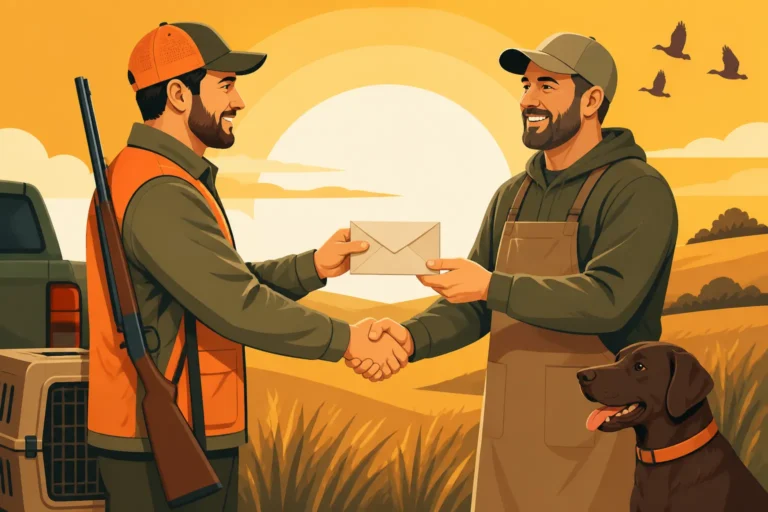
At its core, a hunting lease is a legal contract that grants you, the hunter, permission to access and hunt on a specific parcel of land for a defined period, under certain conditions, in exchange for payment to the landowner. Think of it less as a casual arrangement and more as a detailed roadmap for your hunting season. Without a clear agreement, misunderstandings can quickly arise, turning a promising partnership into a headache for both parties.
For the landowner, it's about setting boundaries and ensuring their property is respected. They want to know who is on their land, when, and what they are doing. For you, the hunter, it solidifies your right to be there, preventing unexpected issues or changes in access. It's the foundation of a good working relationship. This document should lay out everything from the specific acres involved to the type of game you're allowed to pursue, and even details about your hunting methods. Having all these details locked down legally means everyone is on the same page from day one. You'll find many folks researching What Kansas Hunting Leases Cost Per Acre and jumping straight to price, but the agreement itself is far more important than the dollar amount.
Essential Clauses Every Kansas Hunting Lease Should Contain
When you're looking at a hunting lease agreement, whether it's one a landowner provides or a template you bring to the table, there are several non-negotiable clauses that absolutely must be included. These clauses are the backbone of your protection and the landowner's.
First and foremost is a clear and unambiguous Property Description. This needs to be more than just a general address. It should ideally include legal descriptions, specific acreage, and even an attached map outlining the exact boundaries where hunting is permitted. You want to avoid any confusion about which timber block or corner of a field is fair game and which is off-limits.
Next, detail the Permitted Activities. Will you be deer hunting, turkey hunting, upland bird hunting, or a combination? What weapon types are allowed? Archery only? Muzzleloader? Rifle? Be specific. Conversely, you'll need Prohibited Activities listed, too. This often includes things like cutting timber, target shooting near residences, riding ATVs off established trails, or bringing unapproved guests. These details help manage expectations and prevent damage or conflicts.
Payment Terms are obvious but need precise definition: the exact amount, the payment schedule (e.g., annually, semi-annually), and any penalties for late payment. You also need clear rules on Access Routes and Parking. Where can you drive? Where can you park your truck or trailer? Are there gates that must be kept closed and locked?
Finally, think about your hunting infrastructure. Stand and Blind Rules are vital. Are portable stands allowed? What about permanent stands? If so, what are the specifications for construction and placement? When do they need to be removed? These seemingly small details can become major points of contention if not addressed upfront. Some agreements might even include Game Management clauses, such as minimum antler restrictions or required antlerless harvest numbers, especially if the landowner is actively trying to manage their herd for quality. This type of detail speaks to managing a lease for better bucks and is a conversation you should definitely have with the landowner.
Navigating Liability: Protecting Yourself and the Landowner
One of the biggest hurdles in securing a hunting lease, and arguably the most crucial part of any agreement, is understanding and addressing liability. Landowners often express valid concerns about hunters getting hurt on their property, or worse, causing damage that they could be held responsible for. It’s a completely reasonable fear, and addressing it head-on is the key to building trust and a lasting relationship.
The Landowner's Exposure and Why They Need Protection
Imagine being a Kansas farmer or rancher. You've worked hard your entire life, and your property is your livelihood and legacy. Now, a hunter wants to come onto that land, often with firearms, climbing equipment, and sometimes even ATVs. The inherent risks are clear: a fall from a treestand, an accidental discharge, a vehicle accident on a muddy track, or even just someone tripping over an old fence post. If any of these incidents lead to injury or property damage, the landowner faces the potential for costly lawsuits, medical bills, and legal fees.
This exposure is precisely why many landowners are hesitant to allow hunting, or why they insist on very specific protections within a lease agreement. They're not being difficult; they're trying to safeguard their assets and their peace of mind. Your goal, as the hunter, is to show them you understand these risks and are willing to take reasonable steps to mitigate them. This includes agreeing to Written Permission Requirements in Kansas and understanding local laws.
Hunter Responsibilities and Indemnity Clauses
As the hunter, you have a significant role to play in minimizing risk and accepting responsibility for your actions. A well-drafted lease agreement will always include clauses that outline these responsibilities. The most important of these is usually an Indemnity Clause or a "Hold Harmless" agreement.
In essence, an indemnity clause states that you, the hunter (and any guests you bring), agree to take full responsibility for your actions while on the property. Furthermore, you agree to "indemnify and hold harmless" the landowner. This means that if something goes wrong – an accident occurs, or property is damaged – you agree to cover any costs the landowner might incur as a result, including legal fees, settlements, or judgments. It's a legally binding promise that you won't sue them and that you'll protect them if someone else does.
This is where the rubber meets the road. It might sound daunting, but it's a standard practice designed to give landowners peace of mind. Many online resources, like those offered by BookYourHunt or GoHunt, often provide example contracts or highlight the importance of these clauses from a landowner's perspective. They emphasize that while you can try to Finding a Kansas Landowner to Lease From, securing a strong lease often comes down to showing you're a responsible individual willing to protect them. Remember, this isn't just about covering major incidents; it also covers your obligation to respect the property, avoid littering, and adhere to all hunting regulations.
The Role of Hunting Lease Insurance
While an indemnity clause is a crucial layer of protection, it's essentially a promise. Promises are great, but sometimes things go wrong, and you might not have the personal funds to cover a catastrophic event. This is where Hunting Lease Insurance becomes an absolute game-changer. It's truly the ultimate peace of mind for both you and the landowner.
Hunting lease insurance is a specialized liability policy designed to cover incidents that occur on leased hunting land. It typically provides coverage for:
- Bodily Injury: If you or one of your guests accidentally injures another person (including the landowner, though often the policy names the landowner as an additional insured to cover them if they are sued due to an incident involving you).
- Property Damage: If you or your guests accidentally damage the landowner's property (e.g., a fence, equipment, or even their house if a stray shot were to occur).
The most critical aspect of hunting lease insurance for the landowner is ensuring they are named as an "Additional Insured" on your policy. This extends the policy's coverage to them, providing a direct layer of protection for their assets. This small detail often makes the difference between a hesitant landowner and one who feels comfortable entering into a lease. The cost of such a policy is generally quite reasonable, especially when you consider the immense financial protection it offers. It's a small investment that can secure a long-term hunting opportunity.
Practical Tips for Crafting and Maintaining Your Lease Agreement
Alright, so you understand the importance of a solid lease and how liability works. Now, let's talk about the practical steps to make sure your hunting lease agreement is not just a piece of paper, but a living document that fosters a great hunting experience and a strong relationship with the landowner.
Getting Everything in Writing
I know, I know. A handshake and a man's word used to be enough, and sometimes still is for quick favors between neighbors. But when you're talking about hunting access over an extended period, especially for deer season, verbal agreements are an absolute recipe for disaster. Memories fade, intentions shift, and unexpected issues arise. What if the landowner sells a portion of the property? What if their son-in-law suddenly decides he wants to hunt the best stand? Without a written agreement, you have very little recourse.
A written lease agreement eliminates ambiguity. It's a definitive record of what was agreed upon, by whom, and for how long. It forces both parties to think through potential scenarios and address them upfront. This means fewer arguments, less confusion, and a clearer path forward. Don't rely on assumptions. If it's not in writing, it might as well not exist. This is also important for understanding Kansas Landowner and Tenant Deer Permits as eligibility might be tied to documented agreements.
Review and Legal Consultation
For many hunters, the idea of getting a lawyer involved in a hunting lease sounds excessive. But think of it as an investment in your peace of mind and protection. While there are many excellent hunting lease templates available online (and resources like BookYourHunt and GoHunt might even offer some), a generic template might not cover the specific nuances of Kansas law or the particular property you're leasing.
If you have any doubts, or if the lease agreement seems particularly complex, having a lawyer who specializes in real estate or contract law review it is highly recommended. They can spot potential loopholes, clarify confusing language, and ensure that your interests (and the landowner's) are adequately protected. This is particularly true for complex situations such as Sharing a Kansas Lease With Friends, where additional clauses might be needed to define group responsibilities. Even if you don't hire a lawyer for a full draft, a quick consultation to review an existing document can save you significant headaches down the road.
Communication and Respect Beyond the Paperwork
While the lease agreement is a legal document, the success of your hunting lease ultimately hinges on the relationship you build with the landowner. The paperwork sets the rules, but ongoing communication and mutual respect keep the partnership strong.
Treat the leased land as if it were your own – or, perhaps, even better. This means leaving no trash, respecting crops and fences, and being mindful of gates. If you notice a fence down, let the landowner know. If you see something out of place or observe trespassers, communicate it responsibly. Regular check-ins, even quick texts to say you're headed out to hunt, go a long way. If you plan to implement habitat improvements like food plots, which ties into Food Plots on Leased Kansas Ground, discuss it with the landowner first, even if your lease allows it.
A good relationship means transparency. If you bring a new guest, ensure they understand and adhere to all rules. If you harvest a deer, send a picture and a thank you. These gestures, though not written in the contract, foster goodwill and can lead to a long-lasting, positive hunting lease experience in Kansas. It's a partnership, and like any good partnership, it thrives on trust and consideration.
| Lease Clause / Aspect | Benefit to Hunter | Benefit to Landowner | Potential Pitfall for Hunter (Without Clear Clause) | Potential Pitfall for Landowner (Without Clear Clause) |
|---|---|---|---|---|
| Property Description | Clear boundaries, no accidental trespass. | Defines exact hunting area, protects other parcels. | Hunting off-limits areas, disputes over access. | Encroachment on private areas, conflict with other users. |
| Permitted Activities | Knows what can be hunted and with what weapon. | Controls game harvest, protects property from damage. | Accidental legal violation, landowner frustration. | Over-harvesting, damage from unapproved activities. |
| Prohibited Activities | Understands limitations, avoids rule-breaking. | Protects property, livestock, and personal privacy. | Unintentional damage to property, lease termination. | Property damage, liability issues, loss of privacy. |
| Payment Terms | Clear cost and payment schedule. | Guaranteed income, financial stability. | Unclear costs, unexpected demands. | Delayed payment, non-payment. |
| Access Routes & Parking | Defined entry/exit, avoids damaging property. | Protects fields, limits traffic, maintains order. | Getting stuck, damaging crops, blocking access. | Damaged property, blocked access for farm equipment. |
| Stand/Blind Rules | Knows what's allowed, avoids stand removal issues. | Controls property alterations, ensures safety. | Losing equipment, disputes over permanence. | Permanent damage to trees, unsightly structures. |
| Indemnity/Hold Harmless | Demonstrates responsibility, secures lease. | Protects from lawsuits and financial liability. | Direct liability for accidents/damage. | Direct liability for accidents/damage on their property. |
| Hunting Lease Insurance | Financial protection for unforeseen incidents. | Direct financial protection as additional insured. | Catastrophic financial loss from a lawsuit. | Catastrophic financial loss from a lawsuit. |
Disclaimer
This article is for general informational purposes only and does not constitute professional advice. Laws, prices and regulations vary by location and change over time. Consult a qualified professional for guidance on your specific situation.