Does an Outfitter Apply for You in Kansas?
One of the most common questions and biggest sources of anxiety for non-resident hunters eyeing a Kansas deer hunt is navigating the permit application process, especially when planning to hunt with an outfitter. It's a complicated, sometimes confusing system, and many hunters wonder if their outfitter will just take care of applying for their tag. This guide will walk you through exactly how the Kansas deer permit draw works, what role outfitters typically play, and what responsibilities you, as the hunter, need to be aware of to ensure you're legally ready for your hunt.
The Kansas Deer Permit Draw Process for Nonresidents
If you're looking to hunt deer in Kansas as a non-resident, you quickly learn that it's not simply a matter of walking into a sporting goods store and buying a tag over the counter. Kansas operates a draw system for its highly sought-after non-resident deer permits, which means you have to apply well in advance and hope your name is selected. This can be a significant hurdle for many, especially those unfamiliar with state-specific regulations. The process itself is designed to manage the number of hunters and the harvest pressure on the deer herd, ensuring that Kansas continues to produce those incredible whitetails it's famous for. It's a system that works to maintain a healthy balance, but it does require careful planning on your part.
Understanding the Nonresident Application Period
The Kansas non-resident deer permit application window is a critical period that you absolutely cannot miss. Typically, this window opens in early spring, often in April, and closes a few weeks later. Mark your calendar, set reminders, and maybe even get a buddy to remind you. If you miss this timeframe, you're out of luck for the main draw for that year, and all your plans for a Kansas hunt will likely have to be pushed back. There are no extensions, no exceptions, and no late applications accepted for the primary draw. It's a firm deadline, and the Kansas Department of Wildlife, Parks, and Tourism (KDWP) sticks to it. You'll need to submit your application online through the KDWP website or their designated vendor. Many prospective hunters find this period stressful, constantly double-checking their applications, because they know how much is riding on getting it right. Make sure you read through the regulations each year as they can sometimes be updated. For a detailed look, check out Kansas Deer Application Window in April.
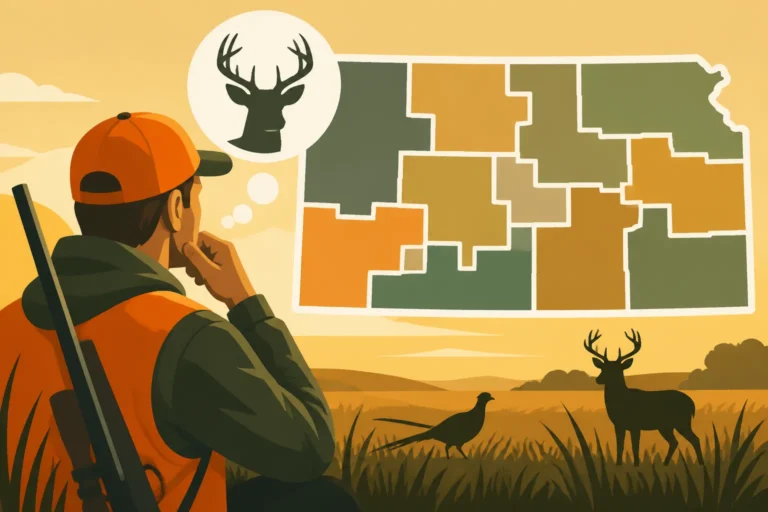
During the application, you'll specify your weapon choice (archery, muzzleloader, or firearm) and your preferred deer unit. Kansas is divided into numerous deer management units, and some are harder to draw than others due to their reputation for big deer or high deer densities. You'll usually have the option to pick a primary unit and an adjacent unit. This is where strategic thinking comes into play. If your primary unit is exceptionally popular, selecting a less-pressured adjacent unit can sometimes increase your odds of drawing a tag, even if not your first choice. It’s a delicate balance between aiming for a trophy unit and ensuring you get a tag in hand.
The Role of Preference Points
Kansas also incorporates a preference point system, which is designed to give applicants who have been unsuccessful in previous draws a better chance in subsequent years. Every time you apply for a non-resident deer permit and are not drawn, you earn a preference point. You can also purchase a preference point without applying for a permit, which is a common strategy for hunters who know they can't hunt a particular year but want to build points for the future. These points accumulate, and the more points you have, the higher your odds of drawing a permit in a desirable unit.
However, it's not a guarantee. The system essentially gives you a better lottery ticket each year, but it's still a lottery. Some units might take a high number of points to draw, meaning it could take several years to accumulate enough. This waiting game can be frustrating, especially if you're eager to hunt Kansas sooner rather than later. Understanding Kansas Preference Points Explained is crucial to developing a long-term strategy for hunting the state. It's also worth noting that if you do draw a permit, your preference points are reset to zero. This means you start building them up again for future hunts.
How Outfitters Fit (Or Don't Fit) Into the Application Process
This is where a common misconception often arises. Many hunters assume that if they book a guided hunt, the outfitter will automatically handle the permit application. After all, they're the experts, right? While an outfitter is undeniably an expert in hunting Kansas, the permit application process is, with rare exceptions, your personal responsibility as the hunter. The KDWP regulations are very clear that each hunter must apply for their own license and permit. This isn't just a technicality; it's a fundamental aspect of hunting ethics and legal compliance.
Outfitters and Direct Application Assistance
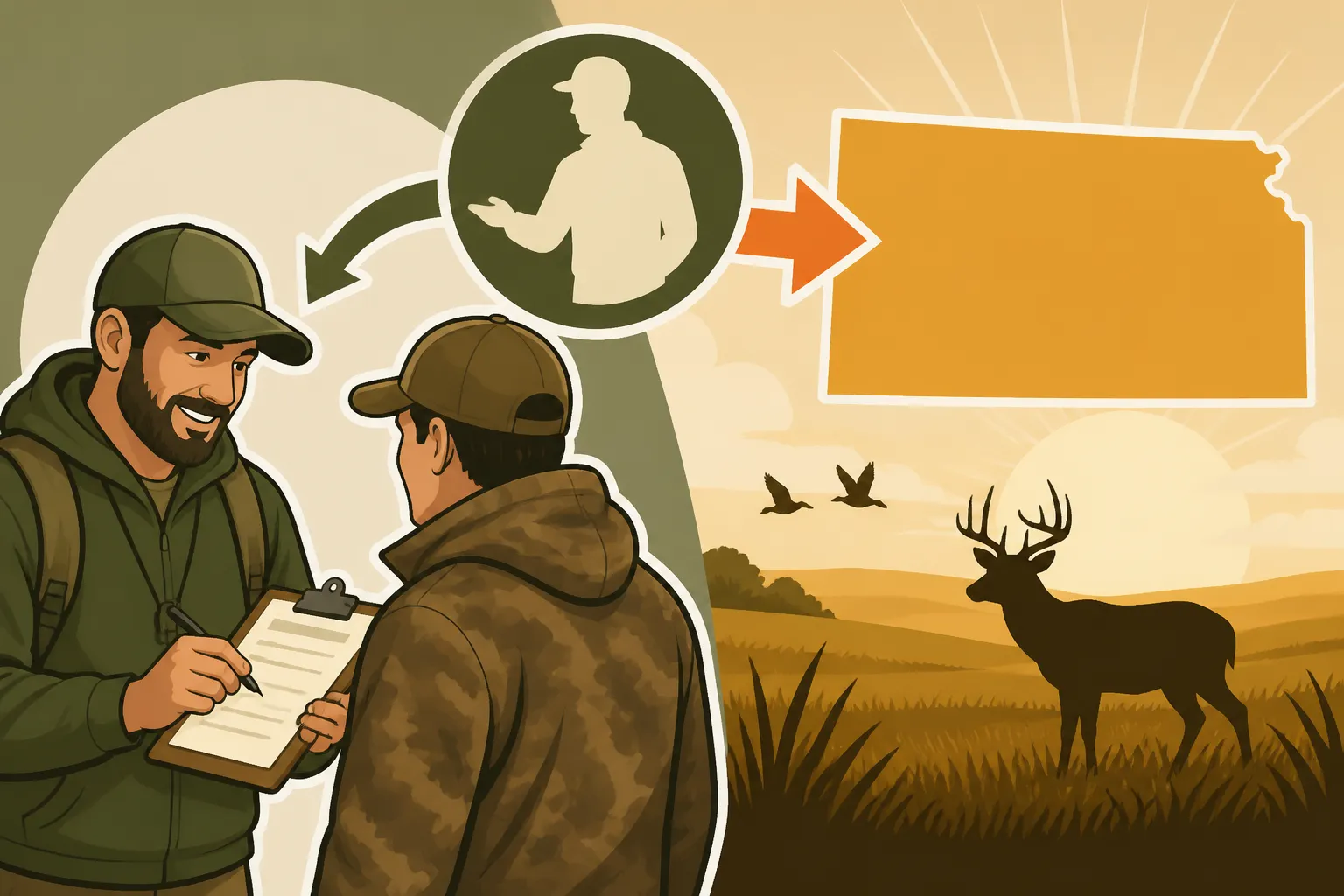
Generally speaking, a Kansas outfitter will not apply for your deer permit on your behalf. This is largely due to legal and logistical reasons. The application typically requires your personal information, including your social security number, and involves a financial transaction directly from you to the KDWP. An outfitter acting as an intermediary could create legal complications and potential privacy issues. Moreover, the state wants to ensure that the individual hunter is fully aware of the declarations and agreements they are making when applying for a hunting permit. This includes understanding the regulations and agreeing to abide by them.
What an outfitter will do is provide guidance and information. They might direct you to the exact page on the KDWP website, tell you the dates of the application period, and even explain the nuances of selecting a unit. Think of them as a highly knowledgeable consultant, not an administrative assistant for your permit. This is particularly true for independent outfitters. Larger booking platforms like BookYourHunt or GoHunt also act as aggregators of information and services, but they don't apply for your individual tags either; they facilitate connecting you with the outfitter who will then guide you on your hunt. It’s essential to clarify this expectation upfront with any outfitter you consider booking.
The Importance of Personal Responsibility
Ultimately, the onus is on you, the hunter, to ensure you have all the necessary licenses and permits before you step foot in the Kansas deer woods. Failing to do so can result in significant fines, loss of hunting privileges, and even confiscation of game. It's a serious matter, and ignorance of the law is rarely an acceptable defense. You need to be diligent about checking the KDWP website for the current year's regulations, application deadlines, and permit costs. This personal responsibility extends beyond just the application; it includes understanding the specific unit you've drawn, the season dates for your chosen weapon, and all other rules of fair chase.
Even if an outfitter offered to apply for you (which, again, is highly uncommon and generally ill-advised), it would still be your responsibility to verify that the application was correctly submitted and that you received your permit. Trust is important in a guide-client relationship, but when it comes to legal documents and compliance, a healthy dose of personal oversight is paramount. Prepare to handle the permit draw yourself, and you'll avoid any unpleasant surprises down the road. This also shows respect for the resource and the regulatory framework that protects it.
What Outfitters Can Do to Help With Your Permit
While outfitters generally won't fill out the application form for you, their expertise is invaluable in navigating the strategic side of the Kansas draw. They spend all year living and breathing Kansas hunting, monitoring deer populations, understanding pressure, and observing harvest trends across different units. This deep well of knowledge can significantly inform your application choices, helping you make the most of your application and preference points.
Guidance on Unit Selection
Choosing the right deer unit for your application is perhaps the most crucial decision you'll make, and it's where an outfitter's advice can be golden. They know which units consistently produce mature deer, which ones might be experiencing higher pressure, and which have good public access or reliable private leases. They can offer insights into the habitat types within various units – whether it's vast crop fields and small timber points, or sprawling river bottom systems. This kind of localized, real-time information isn't something you'll easily find in a basic regulations booklet. An outfitter can help you understand the pros and cons of, say, Unit 10 versus Unit 14, based on your hunting goals (trophy potential, success odds, amount of public land, etc.).
For instance, an outfitter might advise a first-time applicant with few preference points to select a unit that has slightly higher draw odds but still offers quality hunting, rather than wasting a year on a long-shot unit. Conversely, if you have several points saved up, they might suggest applying for a historically tougher unit that aligns with your trophy expectations. This strategic guidance can literally save you years of waiting and increase your chances of success once you do draw a tag. Many outfitters understand the nuances of Kansas Outfitter Unit Coverage and can tell you exactly where they focus their efforts and why.
Strategies for Managing Preference Points
Outfitters also have a good grasp of the typical preference point requirements for various units. While these numbers can fluctuate slightly year to year based on demand, an experienced outfitter can give you a realistic idea of how many points you might need to draw a tag in their specific hunting area. This allows you to plan your application strategy more effectively. If they primarily operate in a unit that takes 3-4 points to draw, and you only have one, they might suggest buying points for a couple of years before applying, or looking at an adjacent unit that requires fewer.
They can help you decide whether it's worth it to apply for a permit and risk drawing and losing your points, or if you should just purchase a point for the current year to build up your bank. This is especially useful for non-residents who might hunt Kansas only every few years. The long-term strategy involved in Kansas Preference Points Explained is something a seasoned outfitter can explain clearly, helping you set realistic expectations for when you might actually get to hunt their ground. This kind of collaborative planning is a huge benefit of working with a reputable outfitter, moving beyond simply booking a hunt to truly strategizing your Kansas deer hunting journey.
| Aspect of Permit | Hunter's Responsibility | Outfitter's Role |
|---|---|---|
| Completing Application | Primary responsibility | Provides links/info |
| Submitting Payment | Primary responsibility | Does not handle |
| Meeting Deadlines | Primary responsibility | Reminds/advises |
| Unit Selection | Final decision, but guided | Provides strategic advice |
| Preference Point Strategy | Final decision, but guided | Advises on optimal use |
| Checking Draw Results | Primary responsibility | May check for clients |
| Ensuring Legal Compliance | Primary responsibility | Expects hunter to comply |
Booking Your Hunt: Timing and Contingencies
When you decide to hunt with an outfitter in Kansas, the timing of your booking relative to the permit draw is a crucial consideration. It impacts deposits, cancellation policies, and your overall peace of mind. Many hunters get excited and want to book immediately, but it's important to understand the sequence of events and plan for potential outcomes.
Booking Before or After the Draw
Most non-resident hunters will apply for their Kansas deer permit in the spring, and the draw results are typically released in June. This gives you a natural timeline for booking. Some hunters prefer to book their outfitter before they apply, especially if they have accumulated several preference points and feel confident about drawing. This can secure a prime spot, especially for rut hunts, which often book out a year or more in advance. If you choose this route, you'll need to discuss with the outfitter what happens if you don't draw your tag. Will your deposit be refunded, rolled over to the next year, or will there be a cancellation fee? Make sure to get these terms in writing as part of your Outfitter Contracts and Deposits in Kansas.
Other hunters opt to wait until after the draw results are announced to book their hunt. This eliminates the uncertainty of whether you'll even have a tag, simplifying the booking process. The downside is that prime spots, particularly during peak rut, might already be taken. If you wait, you might have fewer options for dates or even outfitters. Platforms like GoHunt or BookYourHunt often have calendars showing outfitter availability, which can help you gauge demand. It's a risk-reward scenario: certainty versus choice. If you're a bowhunter targeting the peak of the rut, sometimes booking a year or more in advance, even before the draw, is the only way to secure a spot for Kansas Whitetail Hunting Tactics Through the Rut.
Handling a Missed Draw or Failed Application
This is the scenario everyone dreads: you applied, you waited, and then the draw results came out, and you were unsuccessful. It's disappointing, to say the least, especially if you had your heart set on a Kansas hunt. If you booked your hunt prior to the draw, this is where those cancellation and rollover clauses in your outfitter contract become vital. A reputable outfitter will have clear policies in place for this eventuality. Many will allow you to roll your deposit over to the following year's hunt, assuming you apply and draw a tag then. Some might offer a partial refund, while others might have a non-refundable deposit policy. It really varies, which is why asking detailed Questions to Ask a Kansas Outfitter about this specific scenario is so important before you put any money down.
If you waited until after the draw and didn't get a tag, then, of course, there's no hunt to book for that year. Your immediate action should be to ensure you purchase a preference point for the next year if that's part of your long-term strategy. This keeps you moving forward, even if you're not in the woods this season. Don't despair if you don't draw; it happens to many hunters. Use the time to refine your strategy, save more money, and ensure you're even better prepared for the next application cycle. The ultimate guide for this situation is What Happens if You Do Not Draw, which outlines several paths forward.
Questions to Ask Your Prospective Outfitter
When you're vetting potential Kansas outfitters, you're not just asking about their success rates or the size of their deer; you need to delve into the practicalities of the permit process and how they handle related contingencies. A good outfitter will be transparent and happy to answer all your questions, providing clarity and confidence.
Clarifying Permit Application Support
Beyond asking "Do you apply for my tag?", which we've established is almost always a "no," you should ask more nuanced questions that clarify the level of support they offer. For instance, ask:
- "What deer unit do you primarily operate in, and what are the typical preference point requirements for that unit for a non-resident bow or rifle permit?" This helps you align your expectations with their hunting ground.
- "Can you provide guidance on which units I should list as my primary and adjacent choices, considering my number of preference points?"
- "When is the application window, and can you remind me closer to the deadline?" Some outfitters might send out courtesy reminders, which can be incredibly helpful when you're juggling a busy life.
- "Do you have any resources or links that walk non-residents through the KDWP application process step-by-step?"
Getting clear answers to these questions will establish a solid understanding of how they will (and won't) assist you. They should be able to confidently explain Applying With an Outfitter's Help and what that entails for you as the client. It’s about setting expectations so there are no surprises once you've committed to a hunt.
Understanding Cancellation and Refund Policies
This is a critical area that often gets overlooked in the excitement of booking a hunt. Before you sign any contract or send any money, ensure you fully understand the outfitter's policy regarding the draw. Ask these specific questions:
- "If I book a hunt with you and then fail to draw my Kansas deer permit, what happens to my deposit?"
- "Is my deposit refundable, transferable to another hunter, or can it be rolled over to the next hunting season?" If it's rolled over, ask if there are any additional fees associated with that.
- "What are the deadlines for notifying you if I don't draw my tag, and what is your process for managing rollovers?"
- "Are there any cancellation fees or administrative charges if I can't make the hunt for other reasons (e.g., medical emergency, family event)?"
Getting these answers in writing is non-negotiable. Don't rely on a verbal agreement. The outfitter's contract should clearly spell out these terms. Review it carefully, and don't hesitate to ask for clarification on anything you don't understand. Reputable outfitters, especially those listed on platforms like BookYourHunt or GoHunt, typically have well-defined contracts to protect both parties. Knowing exactly what to expect in a worst-case scenario will protect your investment and give you peace of mind throughout the permit draw and booking process.
Disclaimer
This article is for general informational purposes only and does not constitute professional advice. Laws, prices and regulations vary by location and change over time. Consult a qualified professional for guidance on your specific situation.