Tipping a Kansas Guide and Cook
You’ve just wrapped up an incredible hunt in Kansas, maybe you arrowed that buck of a lifetime, or perhaps you worked hard for a tom turkey, and now you’re back at camp, exhausted but exhilarated. Amidst the high fives and storytelling, a common question quietly starts to nag at many hunters: "What's the deal with tipping? How much, and to whom?" It’s a moment that can feel awkward and uncertain, especially if you’re new to guided hunts or just unsure of the local etiquette. This guide is here to demystify the process of tipping your Kansas hunting guide and the wonderful folks who make your stay comfortable, ensuring you can express your gratitude confidently and appropriately.
The Why Behind the Tip
Let's be honest, few things feel more uncomfortable than being unsure of unspoken social rules, especially when money is involved. Tipping isn't just about handing over extra cash; it's a deep-rooted tradition in the service industry, and hunting outfitters are no exception. It’s a way for clients to acknowledge the effort, expertise, and personal sacrifices made by those who dedicate their lives to helping others fulfill their hunting dreams. For many guides and camp staff, tips are a significant part of their income, reflecting their hard work beyond their base wages.
Acknowledging Hard Work and Dedication
Think about everything your guide does for you. They're up before you, often hours before, scouting, checking trail cameras, monitoring wind direction, and preparing your stand. They might be driving you through muddy two-tracks, wading through icy creeks, or busting brush to retrieve your game. During the hunt, they’re glassing, strategizing, calling, and often acting as a therapist when things get tough. Then, after the shot, they're tracking, field dressing, and helping you haul out heavy game, sometimes for miles in challenging terrain. This isn't just a job for them; it's a passion, a lifestyle that demands long hours, time away from their own families, and an intimate knowledge of the land and the animals. They want you to succeed just as much as you do, and that dedication is invaluable.
It’s easy to overlook the physical toll and mental focus required for a successful guided hunt. A guide’s commitment isn't clock-in, clock-out. They're constantly evaluating conditions, adapting plans, and putting your experience first. When they put you on a beautiful Kansas whitetail or help you fill your Kansas Antlerless Hunts and Filling the Freezer tag, that’s the culmination of their experience and relentless effort. Your tip is a direct recognition of that personal investment and hard work, far beyond the initial fee you paid for the hunt itself.
The Industry Standard and Hunter's Etiquette
Tipping in the hunting industry, much like in restaurants or other service sectors, has become an established norm. When you book a guided hunt, whether it's for deer, turkey, or upland birds, a tip for your guide is generally expected. It’s a part of the overall cost of the experience, even if it's not explicitly stated in your What a Kansas Guided Deer Hunt Costs breakdown. Ignoring this convention can leave a sour taste and reflect poorly not just on you, but potentially on other hunters who follow.
The industry standard varies slightly depending on the type of hunt, its duration, and the success rate, but it’s a widely accepted practice. Many outfitters, especially those that cater to a high volume of clients, rely on their guides receiving tips as part of their compensation package. When you’re researching potential outfitters, or asking Questions to Ask a Kansas Outfitter, it's not a bad idea to subtly inquire about their tipping policy or expectations, just so you're fully prepared and can budget accordingly. Many will be upfront if asked directly, or you can often glean information from reviews on platforms like BookYourHunt or GoHunt, where past clients share their experiences. It's about being a respectful, informed guest in their operation.
How Much to Tip Your Kansas Guide
Now for the nitty-gritty: how much money are we talking about? There isn't a one-size-fits-all answer, as several factors come into play. However, understanding the common practices and what influences the amount can help you arrive at a figure that feels fair and appreciative.
Factors Influencing Your Tip Amount
While success is often a factor, it shouldn't be the only factor. A guide can work incredibly hard, put you in prime spots, and do everything right, but sometimes the animals just don't cooperate. Here's a look at what truly matters:
- Effort and Dedication: Did your guide go above and beyond? Were they enthusiastic, knowledgeable, and always working to make your hunt better, even when conditions were tough? Did they adapt their tactics when the first plan didn't pan out? This is paramount.
- Professionalism: Was your guide punctual, safe, respectful, and prepared? Did they maintain good communication and ensure you felt comfortable and informed throughout the hunt?
- Experience Quality (Beyond the Kill): Even if you didn't punch your tag, did you have a great time? Did you learn a lot? Did your guide make the experience enjoyable, regardless of the outcome? A good guide creates memories, not just opportunities.
- The Type of Hunt: A multi-day whitetail hunt in November, especially during the When the Kansas Rut Peaks, might warrant a more substantial tip than a single-day turkey hunt due to the increased investment of time and resources. Similarly, a high-stakes trophy hunt might carry different expectations compared to a meat hunt.
- Outfitter's Rate: Generally, the higher the base cost of the hunt, the higher the expected tip percentage. If you're paying a premium for a top-tier Kansas whitetail hunt, the tip should reflect that level of service.
- Game Harvested: While not the sole determinant, successfully harvesting an animal, especially a trophy, does often influence the upper end of a tip. It's a natural inclination to be more generous when the hunt culminates in success, particularly if your guide's expertise directly contributed to that outcome. Be wary of outfitters that tie a portion of the guide's wages to Trophy Fees on Kansas Deer Hunts as this can create undue pressure.
Common Percentage-Based Guidelines
Most hunters approach tipping their guide with a percentage of the total hunt cost, excluding licenses, travel, and any Kansas Outfitter Contracts and Deposits in Kansas. This provides a straightforward way to calculate a fair amount.
| Hunt Type | Typical Tip Range (Percentage of Hunt Cost) | Considerations |
|---|---|---|
| Whitetail Deer | 10-20% | Multi-day hunts, intensive scouting, game retrieval. |
| Turkey | 10-15% | Shorter duration, but still requires significant woodsmanship. |
| Upland Birds | 10-15% | Dog handling, field navigation, bird cleaning. |
| Waterfowl | 10-15% | Blind setup, decoy spreads, calling, cold weather conditions. |
So, for example, if your guided Kansas whitetail hunt package was $3,000, a 15% tip would be $450. If you felt your guide went above and beyond, you might lean towards 20% ($600). For a fantastic turkey hunt costing $1,000, a 15% tip would be $150. Remember, these are guidelines, not hard and fast rules. Use them as a starting point and adjust based on the specific factors mentioned above.
What About a Flat Rate?
While percentages are common, some hunters prefer to offer a flat rate, especially for shorter hunts or if they feel uncomfortable calculating a percentage on the fly. This often works well when the hunt is a daily rate rather than a multi-day package. For instance, a guide on a single-day pheasant hunt might receive a flat rate, perhaps $100-$200, depending on the number of hunters and the intensity of the work.
However, for multi-day, more expensive hunts, a flat rate can sometimes fall short of expectations, particularly if it doesn't adequately reflect the total value of the service. If you opt for a flat rate, try to ensure it aligns with what a percentage-based tip would likely be. Discussing it discreetly with the outfitter beforehand (if you can't find clear information elsewhere) might be helpful to avoid any miscommunication. It's all about ensuring your guide feels properly compensated for their time and expertise, whether you're focused on Kansas Muzzleloader Deer Hunting in Kansas's September Season or a general archery tag.
Don't Forget the Camp Staff: Tipping the Cook and Other Personnel
While the guide is often the most direct point of contact, a successful guided hunt is truly a team effort. Behind every great hunt is a well-oiled machine of camp staff, working tirelessly to ensure your comfort and well-being. Overlooking these unsung heroes can be a significant oversight.
The Unsung Heroes of Your Hunt
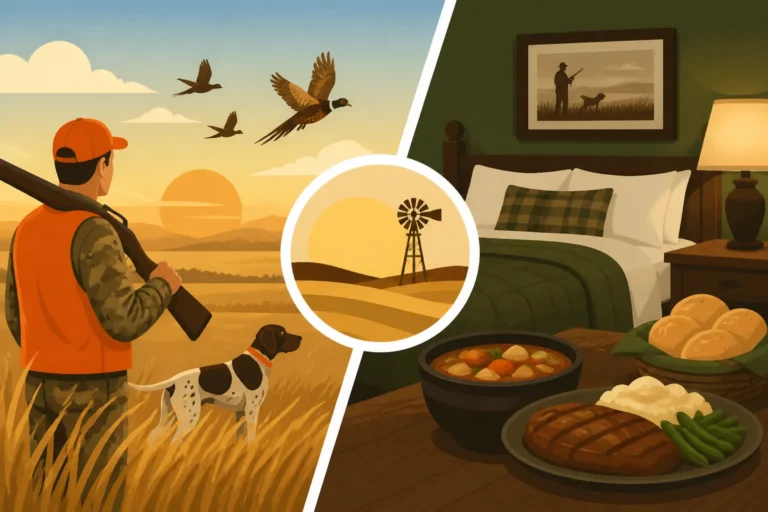
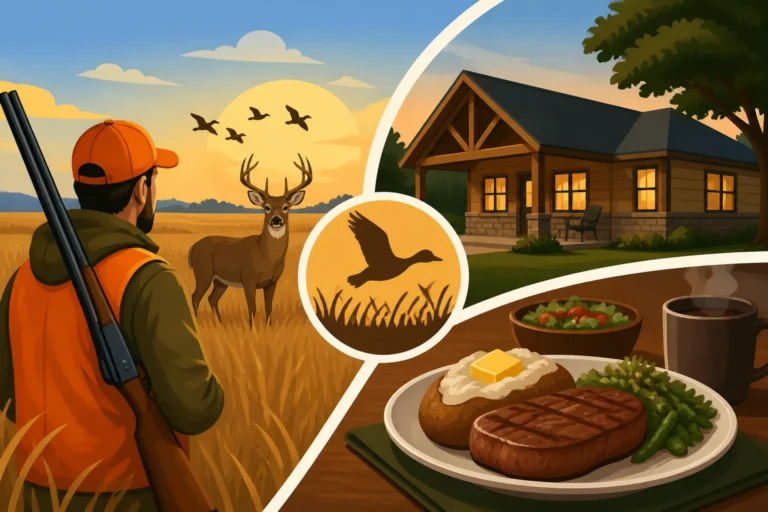
Imagine coming back from a bone-chilling morning sit, hungry and tired, to a delicious, hot breakfast. Or collapsing into a clean, warm bed in a comfortable Kansas Hunting Lodges and Lodging after a long day of tracking. That's the magic the camp staff creates. The cook, the housekeepers, the administrative staff, and sometimes even the outfitter themselves, wear multiple hats to make your experience seamless. They handle everything from preparing meals and cleaning the lodge to scheduling logistics and helping with game processing.
Their efforts directly impact your energy levels, your morale, and your ability to focus on the hunt. A good cook can transform a hunting trip from a rustic experience into a culinary delight, while a diligent camp manager ensures all your needs are met. Just like a guide, these individuals work long, often thankless hours, often starting before dawn and finishing long after you’ve gone to bed. Their role in the overall enjoyment and success of your hunt is undeniable, and their tips are just as vital to their livelihoods as they are for the guides.
Recommended Averages for Camp Staff
Tipping for camp staff is typically done as a pooled tip, given to the outfitter or camp manager to distribute among the staff, or individually if there are distinct roles and you have specific people in mind.
Here are some general recommendations for tipping camp staff:
- Cook: $50-$100 per hunter for a multi-day hunt, or $15-$25 per day. This can be higher if the food was exceptional and a clear highlight of your trip.
- Lodge Staff/Housekeepers: $25-$50 per hunter for a multi-day hunt, or $10-$15 per day. This covers the cleanliness and comfort of your accommodation.
- Overall Camp Pool: Alternatively, many hunters prefer to contribute to a general camp tip pool, which the outfitter then divides. A common approach is to allocate an additional 5-10% of your total hunt cost for this pool, on top of your guide's tip. So, if your hunt was $3,000, you might add $150-$300 for the camp staff.
| Role | Recommended Tip Range (Per Hunter, Multi-Day Hunt) | Notes |
|---|---|---|
| Hunting Guide | 10-20% of hunt cost | Based on effort, professionalism, and overall experience. |
| Cook | $50 – $100 (or $15-$25/day) | For delicious meals and dietary accommodations. |
| Lodge Staff | $25 – $50 (or $10-$15/day) | For cleanliness, comfort, and general assistance. |
| Overall Camp Pool | 5-10% of hunt cost (alternative to individual staff tips) | Given to the outfitter to distribute amongst all non-guide staff. |
When you're considering your budget for a guided hunt, whether you're looking at Booking a Kansas Hunt a Year Out or a last-minute trip, remember to factor in these additional gratuities. They are an integral part of the overall experience and reflect your appreciation for the entire team that makes your hunt possible.
When and How to Present Your Gratitude
Knowing what to tip is one thing; knowing when and how to do it can feel just as daunting. You want to convey your appreciation genuinely, without making anyone feel awkward.
Timing Your Tip Appropriately
The best time to present your tip is usually at the end of the hunt, just before you depart. This allows you to assess the entire experience and ensures your gratitude is fresh in everyone's mind.
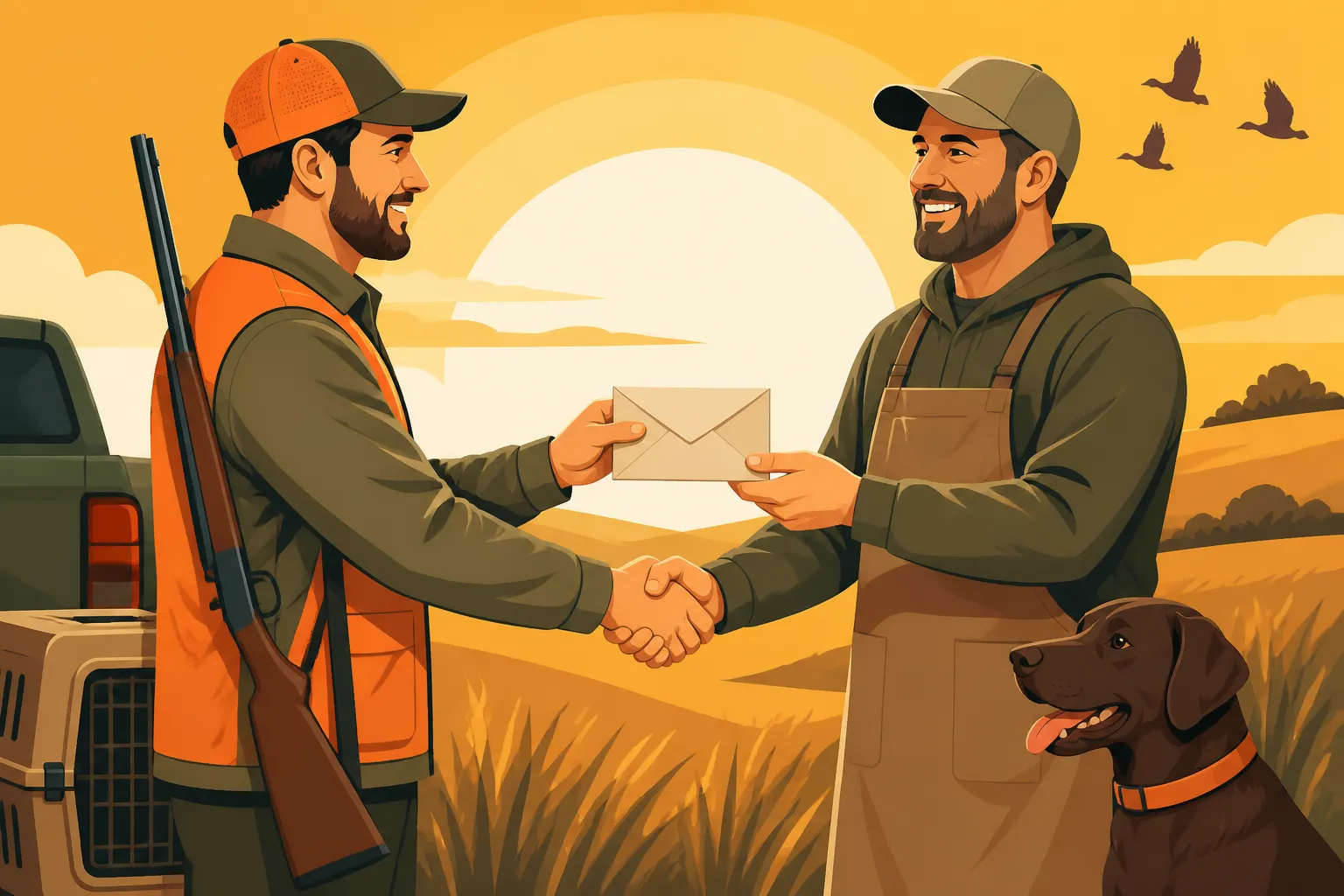
- For Guides: Hand your guide their tip discreetly and personally. A handshake with the cash folded in your palm, accompanied by genuine thanks and specific compliments about their work, is a classic and appreciated gesture. Avoid making a grand public display. This moment offers a chance to recap some highlights and express your specific appreciation for their efforts during the Kansas Whitetail Hunting Tactics Through the Rut or whatever specific hunt you were on.
- For Camp Staff: If there's a designated camp manager or the outfitter themselves, you can give them a single amount for the pooled staff tips. Again, a quiet word of thanks for the food, the clean rooms, or the overall comfort goes a long way. If you have a specific cook who consistently wowed you, you might give them a separate, smaller token of appreciation directly.
- Before Departure: Don't wait until you're halfway down the road. The final morning or evening, before everyone scatters, is the ideal window. This ensures all the staff are still present and can receive their recognition.
Cash Versus Other Methods
When it comes to the medium of your tip, cash is almost always king in the hunting world.
- Cash is Preferred: Guides and camp staff often prefer cash because it's immediate, discreet, and doesn't involve any processing fees or delays. They can use it immediately, and it avoids any awkward accounting or tax implications that might arise from other forms of payment through the outfitter. Always try to have enough cash on hand for tips before you arrive at camp, as rural Kansas towns might not have readily accessible ATMs, and many outfitters don't have the capability to add tips to a credit card charge.
- Checks: While less ideal than cash, a personal check can be acceptable if you genuinely don't have cash, especially for larger guide tips. Just be sure to communicate this clearly and make sure the check is made out directly to the individual.
- Venmo/Digital Payments: In some more modern operations, guides might be set up for digital payment apps. It's not the norm everywhere, but if you're truly stuck, it's worth asking discreetly. However, cash still reigns supreme.
Regardless of the method, remember that the gesture of appreciation is what truly matters. Your thoughtfulness in considering the hard work of your guide and the entire camp staff ensures that the memories of your Kansas hunting adventure are positive, for everyone involved. You've invested time, effort, and money into your hunt; making sure the people who made it possible feel valued is the final, essential step in a truly successful trip.
Disclaimer
This article is for general informational purposes only and does not constitute professional advice. Laws, prices and regulations vary by location and change over time. Consult a qualified professional for guidance on your specific situation.