Score Minimums Written Into a Contract
You've scrimped, saved, and finally decided to book that dream Kansas whitetail hunt with an outfitter. You pour over their website, check out their success photos, and everything looks perfect. Then the contract arrives, and tucked away in the fine print is a clause that makes your stomach drop: a "score minimum." This often-misunderstood detail can add unexpected stress, financial penalties, or even regret to what should be an incredible experience. This guide will demystify score minimums in hunting contracts, explain why outfitters use them, and equip you with the knowledge to navigate these agreements confidently, ensuring your Kansas hunt is everything you dreamed of, free from unwelcome surprises.
Understanding Score Minimums in Hunting Contracts
When you book a guided hunt, especially for trophy animals like Kansas whitetails, it's easy to focus on the exciting details: the dates, the unit, the anticipation. But buried within the legal language of an outfitter's contract, you might find a stipulation known as a "score minimum" or "antler restriction." This clause isn't just a suggestion; it's a binding agreement that sets a minimum Boone and Crockett (B&C) or Pope and Young (P&Y) antler score that any buck harvested on the property must meet. Fail to meet it, and you could face significant financial penalties.
What Exactly Is a Score Minimum?
At its core, a score minimum is a quality control measure. An outfitter who invests heavily in land management, food plots, and year-round deer care wants to ensure that younger bucks, or those not reaching their full potential, aren't harvested prematurely. The contract will typically state a specific B&C gross score, for example, "140-inch minimum gross score." This means that if you shoot a buck that scores below 140 inches, you'll be charged an additional fee, often referred to as a "trophy fee" or "penalty fee."
Imagine you're sitting in a treestand on a crisp November morning, and a beautiful 8-point buck steps out. He looks mature, wide, and heavy. Your heart pounds. You take the shot. After the recovery, the guide tape measures him, and he grosses 135 inches. If your contract had a 140-inch minimum, that 5-inch difference just cost you a significant penalty. This isn't about shaming a hunter; it's about the outfitter's business model and herd management strategy. It’s crucial to understand these terms before you ever get in the stand. For more on what a hunt might include, check out What a Kansas Hunt Price Includes.
How Score Minimums Are Measured and Enforced
The actual measurement of a buck's antlers is usually performed by the outfitter or guide after the animal is recovered. They will typically use a flexible steel tape to get gross B&C measurements, which include all antler length, circumference, and spread measurements before any deductions for asymmetry. This is an important distinction to grasp, as some hunters are more familiar with net scores.
Enforcement can vary, but generally, the penalty is clearly outlined in the contract. It might be a flat fee, a per-inch charge for every inch under the minimum, or even a sliding scale. Some contracts might also stipulate that if you shoot a buck under a certain threshold, your hunt is over, regardless of the remaining days. It's not uncommon for these penalties to be substantial, sometimes even exceeding the original cost of the hunt itself. This is why a detailed discussion with the outfitter about Trophy Fees Beyond the Base Price is paramount. Before you commit to anything, ensure you fully understand the implications of Penalties for Shooting a Small Buck.
Why Outfitters Implement Score Minimums
Outfitters aren't trying to trick hunters with these clauses; rather, they're protecting their investment and their brand. Managing a deer herd for quality antlers, especially in a state renowned for big deer like Kansas, requires significant effort and commitment. Score minimums are a key tool in this management strategy.
Protecting the Investment in Herd Management
Think about the effort involved in growing mature deer. It starts with quality habitat: managing timber, planting diverse food plots, and ensuring ample water sources. It includes reducing pressure on younger bucks, allowing them to age and express their genetic potential. This isn't a passive process; it involves year-round work, often on large tracts of private land that outfitters lease or own. They're investing in the future of their deer herd, and harvesting an immature buck that hasn't reached the minimum score can set back years of management.
Outfitters want to maintain a healthy buck-to-doe ratio and an older age structure in their buck population. This leads to more intense rut activity, higher breeding success, and ultimately, bigger, older bucks available for their clients to hunt in future seasons. Without mechanisms like score minimums, a steady stream of younger bucks might be taken, diminishing the overall quality of the hunting experience and the outfitter's reputation over time. They are trying to provide the best opportunity for a client to harvest something close to the Average Kansas Buck Antler Score on their ground.
Maintaining a Reputation for Quality
Kansas has a well-deserved reputation for producing monster whitetails. Hunters from all over the country travel here specifically for the chance at a truly big buck. An outfitter's business thrives on this reputation. If their clients are consistently harvesting smaller, younger bucks, word gets around quickly. Their marketing materials often feature photos of impressive animals, and they need to back that up with real results year after year.
A score minimum helps ensure that the bucks harvested align with the expectations of their clientele and the quality they advertise. It protects their brand and ensures future business. Imagine scrolling through outfitters on a platform like BookYourHunt or GoHunt, looking at success photos. You’re drawn to those with consistently large deer. Score minimums help maintain that image. It's a way for outfitters to demonstrate their commitment to quality hunting and to attracting serious trophy hunters.
Managing Hunter Pressure and Expectations
Outfitters also use score minimums to manage hunter pressure, particularly on the bucks. With multiple hunters on the property throughout a season, it’s critical to control who shoots what. Without a minimum, there's a higher chance that excited hunters might harvest the first legal buck they see, even if it's a 2.5-year-old 8-point that has the potential to be a true giant in another year or two.
This clause sets clear expectations for the hunter. It signals that this isn't just a meat hunt, but a quest for a mature, high-scoring animal. It forces hunters to be more selective, to pass on deer they might otherwise take, and to hold out for the "right" buck. While sometimes frustrating in the moment, it ultimately contributes to the overall quality of the hunting experience and the long-term health of the deer herd. Outfitters want to provide opportunities for Kansas Record Book Whitetails, and that means letting younger bucks walk.
The Hunter's Perspective: Navigating Score Minimums
For hunters, score minimums can feel like a high-stakes gamble. The pressure to accurately judge a buck's score in a fleeting moment, often in low light or dense cover, is immense. However, with proper preparation and communication, you can approach these hunts with confidence.
The Challenge of Field Judging
Accurately field judging a buck's antler score is one of the hardest skills in deer hunting. It requires a keen eye, experience, and often, high-quality optics. Factors like body size, antler mass, tine length, and inside spread all contribute to the final score, and these can be deceptive in the field. A buck standing alone in a field might look huge, but next to a mature doe, he might appear smaller. Terrain can flatten antlers, making them look wider or narrower than they are.
This is where your homework comes in. Before your hunt, spend time studying photos and videos of bucks with known B&C scores. Pay attention to how the main beams extend past the nose, how many inches above the ear the width appears, and the proportion of the tines to the main beam. Practice estimating scores on deer you see at home or on trail camera footage. Remember, most outfitters will be using a gross B&C score, so familiarize yourself with Scoring a Whitetail Rack without deductions for asymmetry. Knowing the difference between Typical Versus Non-Typical Racks can also be important, as some minimums apply differently or specifically to typical frames.
Communicating with Your Outfitter
The single most important step you can take is to have a frank and detailed conversation with your outfitter before signing any contract. Don't be shy about asking questions regarding the score minimum:
- What is the exact gross score minimum? (e.g., 140 inches, 150 inches)
- What is the penalty for shooting under the minimum? (e.g., a flat fee, per-inch charge)
- Who makes the final call on field judging? Is it always the guide?
- What happens if there's a disagreement on the score? Do you get to be present during measurement?
- What if I shoot a buck that is obviously under the minimum unintentionally (e.g., a "cull" buck or a non-typical that doesn't fit the typical scoring)? Some outfitters have exceptions for management deer.
- Will guides assist with field judging in the stand? This is a huge help and should be expected on a guided hunt with a score minimum.
Platforms like GoHunt often provide detailed outfitter profiles, but even then, a direct conversation is irreplaceable. Ask for recent trail camera pictures or videos of bucks that meet and don't quite meet the minimum to get a visual reference. This dialogue helps set clear expectations for both parties and can prevent miscommunications later. You should also ask other critical Questions to Ask a Kansas Outfitter before booking.
Strategies for Hunting with a Score Minimum
Hunting with a score minimum requires a disciplined approach. It’s not just about taking a shot; it's about making the right shot on the right buck.
Here are a few strategies:
- Reliance on Your Guide: This is why you booked a guided hunt! Your guide's job is to put you on big deer and help you judge them. Trust their experience. If they tell you to pass, pass. If they give you the green light, go for it. They know the deer on their property better than anyone.
- Take Your Time: If a buck appears, don't rush the decision. Use your binoculars, study the rack, and try to get a clear picture. If you're uncertain, wait for a better look or for the guide's input. A few extra seconds of observation can save you a lot of money and regret.
- Know Your Personal Threshold: Understand that even with a minimum, you might see bucks that are "on the bubble" – right around the minimum score. Decide beforehand what you're willing to accept. Are you comfortable with the risk of a penalty if you're slightly off? Or do you only want to shoot a buck that's clearly over the minimum?
- Practice with Optics: Practice using your binoculars and rangefinder in hunting scenarios to quickly assess deer. A clear, steady view is essential for judging.
- Consider a Semi-Guided Hunt: If the pressure of a score minimum feels too great, or you prefer more autonomy in judging, you might consider a Kansas Semi-Guided Hunt Costs option, though these may still have some stipulations, or focus on a Kansas Self-Guided Lease Hunts where you manage your own expectations.
Beyond the Rack: What Else to Consider
While score minimums are a significant aspect of many outfitter contracts, they are just one piece of the puzzle. A truly successful hunt encompasses far more than just antler inches.
The True Meaning of a "Trophy"
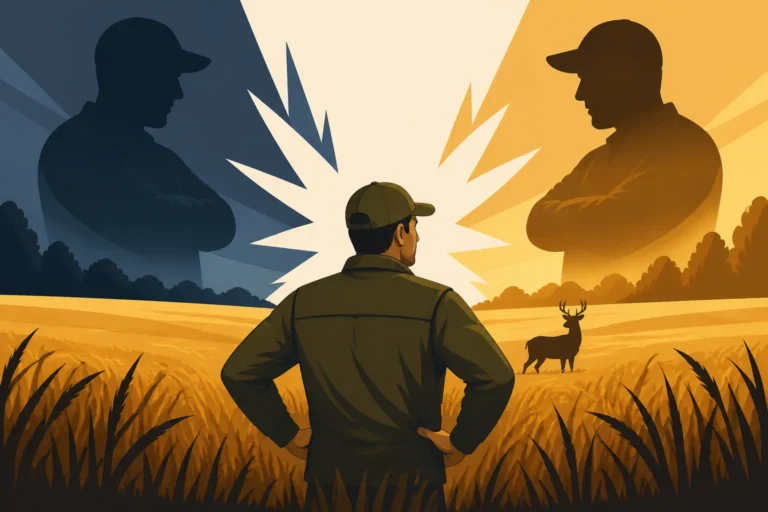
A trophy is deeply personal. For some, it’s about breaking a Boone and Crockett record. For others, it’s about the challenge, the experience, or the memories made. A 130-inch buck might be the buck of a lifetime for one hunter, while another might pass on a 150-inch deer waiting for something larger. Score minimums, by their nature, impose an external definition of "trophy."
When choosing an outfitter, reflect on what you truly value in a hunt. If chasing giant, record-book bucks is your absolute top priority, then an outfitter with a high score minimum might be a good fit, provided you're confident in your field judging skills and comfortable with the associated risks. If your goal is more about the overall experience, a fair chase, or simply harvesting a mature deer, then perhaps an outfitter with a more lenient policy, or no score minimum at all, would be better suited. Always understand Boone and Crockett Minimums for Whitetail if you're chasing that upper echelon.
Outfitter Reputation and Guarantees
Beyond the specific contractual clauses, consider the outfitter's overall reputation. Talk to past clients, read reviews on forums and platforms like BookYourHunt or GoHunt, and look for consistency in their offerings. Do they have a high client return rate? Are their guides knowledgeable and ethical? Do they stand behind their service?
Some outfitters offer "opportunity guarantees" rather than "kill guarantees." An opportunity guarantee means they promise to put you in a position to see bucks meeting the minimum, not necessarily that you'll harvest one. This is a subtle but important distinction. Carefully review Reading Kansas Outfitter Success Rates and understand what those numbers truly represent. A high "opportunity rate" is often a better indicator of a quality outfitter than a "kill rate," as the latter is heavily dependent on hunter skill and luck.
The Role of Experience and Enjoyment
Ultimately, a guided hunt should be an enjoyable, memorable experience. The pressure of a score minimum, while a valid business practice for outfitters, shouldn't overshadow the joy of being in the field. If you find yourself constantly stressing about antler inches rather than soaking in the sunrise, listening to the sounds of the woods, or enjoying the camaraderie with your guide, then perhaps the hunt isn't delivering on its true promise.
Consider what you want from your hunt. Is it a relaxed experience with the possibility of a nice buck? Or is it a high-pressure pursuit of a specific-sized trophy? Your comfort level with score minimums will likely reflect this personal preference. A well-chosen outfitter, regardless of their minimums, should be focused on providing you with an exceptional and fulfilling hunt. Consider questions like How Many Hunters Share a Kansas Lease to gauge potential pressure, and always make sure you're comfortable with the hunt dates and duration outlined in Hunt Dates Written Into the Agreement.
| Aspect | With Score Minimum | Without Score Minimum |
|---|---|---|
| Hunter Pressure | High stress on field judging, potential penalties. | Less pressure, focus on mature deer or personal choice. |
| Outfitter Goal | Focus on herd management, trophy quality, reputation. | Might cater to diverse hunter goals, less strict. |
| Cost Implications | Potential for significant additional "trophy fees." | Fewer unexpected costs related to antler size. |
| Learning Curve | Encourages advanced field judging skills. | Allows for more relaxed hunting, personal learning. |
| Target Buck | Generally aims for older, higher-scoring bucks. | Can target mature deer, but also management or meat deer. |
| Contract Detail | Explicit clauses on score, penalties, measurement. | Simpler, often focuses on legal harvest only. |
Choosing the right outfitter and understanding their contract, especially score minimums, is essential for a successful Kansas hunt. Do your homework, ask the tough questions, and ensure your expectations align with what's on offer.
Disclaimer
This article is for general informational purposes only and does not constitute professional advice. Laws, prices and regulations vary by location and change over time. Consult a qualified professional for guidance on your specific situation.