Kansas Muzzleloader Hunt Cost
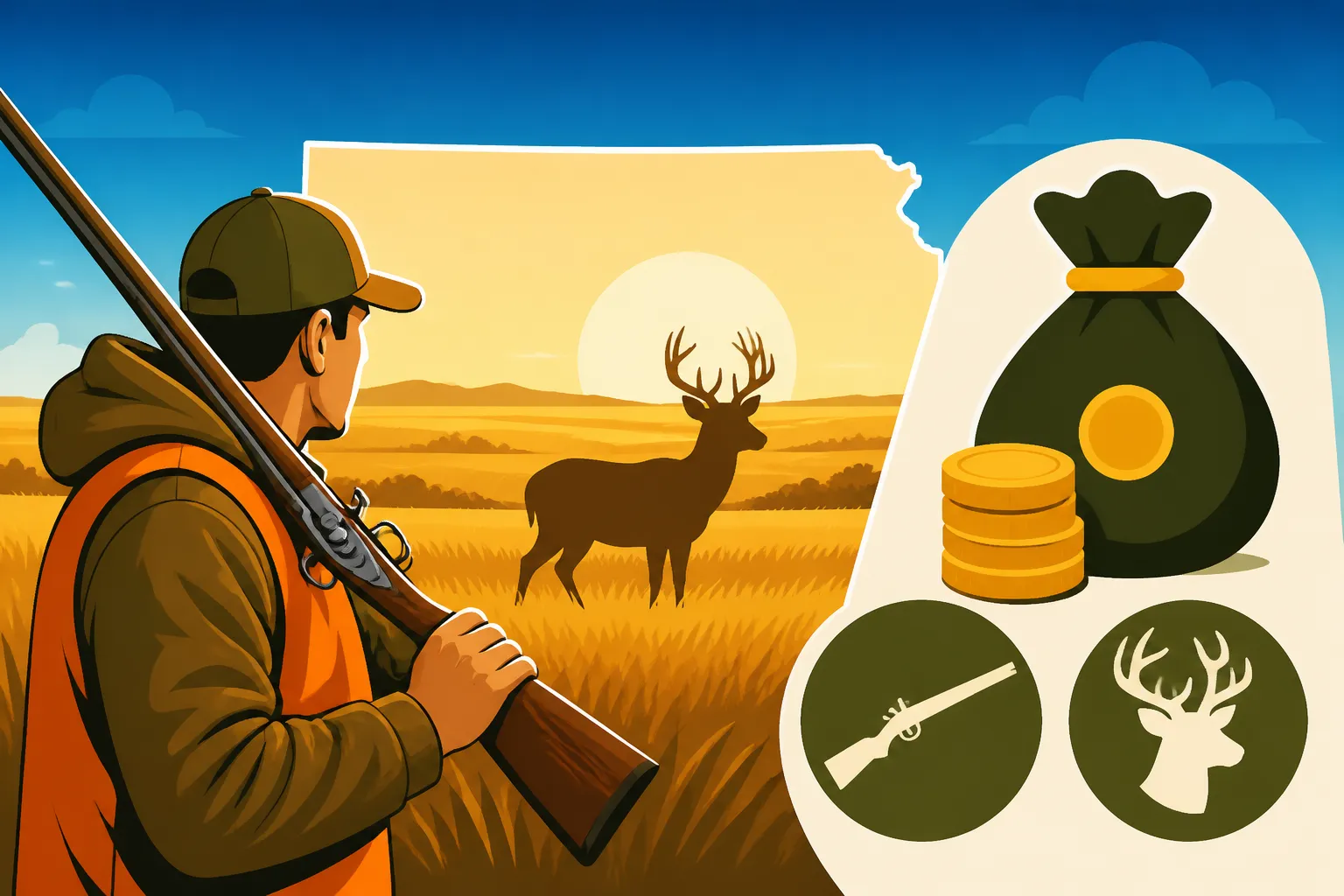
The dream of chasing a big Kansas whitetail during the special muzzleloader season is exciting, but for many hunters, the practical reality hits when they start looking at costs. It can feel like you're navigating a confusing maze of outfitter fees, permit applications, and hidden expenses, leaving you wondering if it’s even attainable. This guide is here to untangle the financial side of a Kansas muzzleloader hunt, giving you a clear picture of what to expect and how to budget effectively so you can focus on the hunt itself.
Understanding the Factors That Influence Muzzleloader Hunt Costs in Kansas
When you start digging into the cost of a Kansas muzzleloader hunt, it's quickly apparent that there isn't one single price tag. Instead, it's a spectrum, shaped by a multitude of decisions you make and the services you choose. Think of it like planning a road trip – are you camping and cooking your own meals, or staying in hotels and eating out every night? Each choice has a significant impact on your wallet, and hunting is no different.
Guided vs. Semi-Guided vs. Self-Guided Hunts
This is perhaps the biggest cost differentiator you'll encounter. Each option offers a different level of support and, consequently, a different price point.
- Guided Hunts: This is often the most comprehensive and, typically, the most expensive option. When you book a fully guided muzzleloader hunt, you’re usually getting a complete package. This often includes lodging, meals, transportation to and from your stand, pre-scouted stand locations, and hands-on guidance from an experienced hunter. The outfitter often handles everything from advising on permit applications to assisting with field dressing and recovery. For someone unfamiliar with Kansas terrain or short on time for scouting, this can be an invaluable investment. You're paying for expertise, convenience, and a higher probability of success, especially if you're targeting a trophy buck. This can feel like a premium experience, and the price reflects that level of service.
- Semi-Guided Hunts: This option strikes a middle ground. You might get access to prime private land, sometimes with pre-hung stands or identified hunting areas, but without a guide sitting with you or providing daily transport. Lodging might be included, but meals might be your responsibility. Outfitters offering semi-guided hunts usually offer advice on local deer movements, recent sightings, and general strategies. It’s a good choice if you're comfortable hunting independently but still want the advantage of quality private land access and some logistical support without the full cost of a guided experience. It demands a bit more self-sufficiency but rewards you with a lower price.
- Self-Guided Hunts / Lease Access: At the most affordable end of the outfitter spectrum is often simply leasing access to private land. You might pay a fee for a block of acres for a specific duration, and everything else—scouting, stand placement, lodging, meals, processing—is entirely on you. This is essentially paying for access to good ground that isn't publicly available. Some landowners might offer primitive camping spots, but generally, you're responsible for all your amenities. This requires significant preparation, research, and a strong DIY spirit. You’ll be your own outfitter, managing all aspects of the hunt yourself, but the cost for access is usually much lower than the other options. For those who love the challenge of figuring it all out, this can be extremely rewarding, and much easier to manage financially.
Length of the Hunt and Time of Year
The duration of your hunt directly correlates with its cost, especially when dealing with outfitters.
- Standard Hunt Durations: Most guided and semi-guided muzzleloader hunts are offered in packages, often ranging from three to five hunting days. Longer hunts will, naturally, incur higher fees. The logic is simple: more days on the ground mean more resources from the outfitter, more guide time, and more wear and tear on their equipment.
- The Coveted September Muzzleloader Season: The Kansas muzzleloader season typically falls in mid-September. This can be an attractive time to hunt, as the deer are still in velvet (for some early shed bucks) or early hard-horn, and patterns can be predictable around water and food sources before the intense rut activity begins. This "early season" appeal can sometimes drive prices up, particularly for prime ground where bucks are still following summer patterns. Outfitters know hunters often want to try for a specific type of buck during this period, and demand influences pricing. Weather during this time can also be a factor; if you're Muzzleloader Deer Tactics in Warm September Weather, you'll want to ensure your outfitter is set up for it.
Inclusions and Exclusions in Hunt Packages
It's absolutely critical to understand precisely what’s included in any hunt package you consider. What seems like a great deal initially might quickly become expensive when you factor in all the exclusions.
- Typical Inclusions: Many guided and semi-guided packages include lodging (which could range from a bunkhouse to a comfortable lodge), and often meals (sometimes home-cooked, sometimes basic provisions). Transportation to and from your hunting stand, stand setups (ladder stands, hang-ons, ground blinds), and initial field dressing are common. Some outfits might even include airport pickup or assistance with game retrieval and transport to a local processor. Always confirm these details.
- Common Exclusions: Almost universally, your Kansas hunting license and deer permit will be your responsibility and are not included in the outfitter's price. You'll also need to budget for gratuities for your guide and lodge staff, which can be a significant amount. Game processing, taxidermy, alcohol, and any personal gear you need (like a muzzleloader, optics, clothing, or scent control products) are almost always extra. Sometimes, even special requests like tracking dogs for a lost deer or caping services for a taxidermy mount might come with an additional charge. Don't be shy about asking for a detailed list of what's not included.
Breaking Down the Typical Muzzleloader Hunt Budget
Once you have a handle on the type of hunt you're after, it's time to build a realistic budget. Beyond the outfitter's fee, there are several other substantial costs that need careful consideration. Ignoring these can lead to unpleasant surprises down the road.
Permit and License Fees
This is a non-negotiable cost for any hunter, and for non-residents, it's a significant portion of the overall expense.
- Nonresident Deer Permit: Kansas uses a draw system for most non-resident deer permits. You'll need to apply, usually in April, for a permit that allows you to hunt either a whitetail buck or doe (or mule deer in certain units if you draw a specific stamp). The cost for this permit, if successfully drawn, is substantial. This permit specifically allows you to hunt during the archery, muzzleloader, and firearm seasons, so if you draw a permit for a unit, you can use it for muzzleloader season. You'll want to research Kansas Deer Permits and the Nonresident Draw well in advance.
- Nonresident Hunting License: In addition to your deer permit, you must also purchase a general hunting license to legally hunt in Kansas. This is a separate fee, and it's required for all non-residents, regardless of whether you're drawing a deer permit or hunting small game.
- Application Fees and Preference Points: When applying for your deer permit, there's usually a non-refundable application fee. Many hunters also choose to purchase a preference point if they don't draw their desired unit or if they want to build points for future seasons. While not mandatory for your current hunt, it's a common strategy and an additional expense to factor in if you're playing the long game for a specific unit or high-demand tag. Understanding Kansas Preference Points Explained is crucial for non-residents.
Travel, Lodging, and Meals (Beyond the Package)
Even if your hunt package includes some amenities, there are often additional travel and living costs.
- Transportation to Kansas: Whether you're driving or flying, getting to Kansas isn't free. Factor in fuel costs, wear and tear on your vehicle, or plane tickets. If flying, consider the cost of checking your muzzleloader and ammunition, which often requires special handling and fees. Remember to research Flying With a Rifle to Kansas if that's your plan.
- Extra Nights of Lodging: Sometimes, your flight or drive schedule might necessitate arriving a day early or staying a day late, outside the bounds of your hunt package. These extra nights, whether in a motel or a different Airbnb, will add to your total. Even for self-guided hunters, decent local lodging can add up quickly.
- Meals and Supplies: If your package doesn't include meals, or if you prefer to supplement them with your own snacks and drinks, these costs accumulate. Even with a fully catered hunt, you'll likely want personal snacks, beverages, and perhaps some celebratory meals before or after the hunt. Self-guided hunters will need to plan and purchase all their food. A quick trip to a local grocery store can add a surprising amount to your bill.
Gear, Supplies, and Miscellaneous Expenses
This category is often overlooked but can easily add hundreds, if not thousands, to your total hunt cost.
- Muzzleloader and Optics: If you don't already own a muzzleloader, this is a significant upfront investment. Beyond the rifle itself, you'll need a quality optic, specific powder, projectiles, primers, cleaning supplies, and a proper case. Practice ammunition costs money too, and you absolutely need to practice to ensure Shot Placement on a Whitetail at Twenty Yards.
- Hunting Clothing and Gear: Kansas weather in September can be notoriously unpredictable. You might experience hot, humid days followed by surprisingly cool evenings. Quality layering systems, rain gear, comfortable boots, and scent control products are essential. Don't forget items like a good headlamp, rangefinder, binoculars, a solid knife, and a pack suitable for carrying gear and potentially meat out of the field.
- Game Processing and Taxidermy: The hope is always to harvest a deer, and if you do, these costs come into play. Professional game processing can be a lifesaver, especially if you’re traveling a long distance, and prices vary depending on the cuts you want. If you harvest a trophy, a taxidermy mount is a lasting memory, but it's a significant expense. Consider how you'll get your meat and cape home; shipping frozen venison or a prepared cape can be costly. You’ll want to know the ins and outs of Getting Venison Home From Kansas.
- Gratuities: For guided hunts, tipping your guide and any lodge staff is customary and expected. This is a way to show appreciation for their hard work and dedication. A general guideline is often a percentage of the hunt cost, but it's best to ask your outfitter about their suggestions or industry norms. This isn't a "maybe" cost; it's a "definitely" cost if you've had a good experience.
| Expense Category | Typical Inclusions (Guided) | Often Excluded (Hunter's Responsibility) | Notes |
|---|---|---|---|
| Hunt Package Fee | Guide service, lodging, meals, transport, pre-scouted stands | Permits/Licenses, Gratuities, Personal Gear | Varies wildly by duration, services, and outfitter reputation. |
| Kansas Permits/Licenses | N/A | Nonresident Deer Permit, Nonresident Hunting License, Application Fees | Mandatory. Significant cost for non-residents. Apply well in advance. |
| Travel | Sometimes airport pickup (confirm) | Fuel, airfare, baggage fees (for rifle), rental car | Consider distance, vehicle type, and potential extra nights. |
| Personal Gear | N/A | Muzzleloader, ammo, optics, clothing, boots, pack, knives, calls | Can be a one-time investment, but always budget for consumables. |
| Post-Harvest Costs | Basic field dressing | Professional meat processing, taxidermy, shipping meat/cape | These costs only apply if successful but are substantial. |
| Miscellaneous | N/A | Extra food/drinks, souvenirs, unexpected repairs, emergency supplies | Always good to have an emergency fund. |
Finding and Vetting Muzzleloader Outfitters in Kansas
Choosing the right outfitter for your Kansas muzzleloader hunt is paramount, not just for success, but for ensuring you get good value for your investment. There are many options out there, and doing your homework is essential. Platforms like BookYourHunt and GoHunt can be great starting points for research.
Researching Reputable Outfitters and Leases
The internet has made finding outfitters much easier, but it also means wading through a lot of information.
- Online Platforms and Directories: Websites like BookYourHunt offer directories of vetted outfitters, often with reviews and detailed descriptions of their packages. GoHunt might focus more on points and draw odds, but can sometimes list outfitters or offer forums where hunters discuss experiences. These platforms can give you a broad overview and help you compare different operations.
- State Wildlife Agency Websites: The Kansas Department of Wildlife, Parks and Tourism (KDWPT) website is an invaluable resource for regulations, season dates, and sometimes even lists of licensed guides or outfitters. It's also where you'll apply for your Kansas Deer Permits and the Nonresident Draw.
- Hunting Forums and Social Media Groups: While you need to take online opinions with a grain of salt, hunting forums and dedicated social media groups for Kansas hunting can be treasure troves of information. Ask specific questions about muzzleloader hunts, and you might get recommendations (or warnings) from hunters who have firsthand experience.
- Word of Mouth: Nothing beats a personal recommendation. Talk to fellow hunters, especially those who have hunted Kansas before. Their experiences can provide invaluable insights that you won't find on any website.
Questions to Ask Before Booking
Once you've narrowed down your choices, prepare a list of questions. A reputable outfitter will be transparent and happy to answer them.
- Exact Price and What's Included: Reiterate this to avoid any confusion. Ask for a written breakdown. Are there any hidden fees or surcharges? What happens if you need an extra day?
- Hunter-to-Guide Ratio: For guided hunts, this indicates how much personal attention you'll receive. A lower ratio often means more dedicated support.
- Hunter Density on the Property: How many hunters will be on the property during your hunt? Too many hunters can lead to crowded conditions and spooked deer. Ask about the total acreage available to hunters.
- Stand Setup and Strategy: What kind of stands do they use (ladder, hang-on, ground blind)? Can you bring your own? How often are stands moved? What is their strategy for muzzleloader season in particular? Do they focus on water sources, food plots, or travel corridors? Understanding their approach helps you know if it aligns with your hunting style.
- Success Rates and Opportunity Rates: Ask for both. Success rate is the percentage of hunters who harvested a deer. Opportunity rate is the percentage of hunters who had a shot opportunity at a deer the outfitter considers "targetable." An outfitter with a high opportunity rate, even if the kill rate is lower, often indicates good deer numbers and effective scouting.
- Game Recovery Policy: What happens if you wound a deer? What is their policy on tracking dogs or extended searches? This is incredibly important for ethical hunting.
- Permit Draw Assistance: Will they help you with the How to Apply for a Kansas Nonresident Deer Permit process? Some outfitters offer guidance or even dedicated services to help ensure you apply correctly.
- Contract and Cancellation Policy: Always ask for a written contract. Understand their deposit requirements, payment schedule, and what happens if you need to cancel or if they have to cancel your hunt for unforeseen reasons.
The Value of Outfitter References and Online Resources
A good outfitter should be able to provide references from past clients. Don't just ask for them – call them!
- Contact References: When speaking with references, ask detailed questions. Were they satisfied with the hunt? Was the outfitter honest about expectations? Was the food good, and the lodging comfortable? Did they feel supported throughout the hunt? How accurate were the success rate claims?
- Online Reviews and Testimonials: Look beyond the testimonials on the outfitter's own website. Check independent review sites, hunting forums, and even their social media pages for candid feedback. Be wary of operations with consistently negative reviews or a complete lack of any outside feedback.
- Licensing and Insurance: Ensure the outfitter is properly licensed and insured. This protects both you and them in case of an accident. A reputable operation will have no problem providing proof of this.
Cost-Saving Strategies for Your Kansas Muzzleloader Hunt
While a Kansas muzzleloader hunt can be a significant investment, there are ways to manage costs without completely sacrificing the quality of your experience. It often comes down to balancing convenience and support with your willingness to do more of the work yourself.
DIY vs. Outfitter: When to Choose Each
Making the fundamental choice between a fully DIY hunt and an outfitter-assisted hunt is where most of your cost savings will stem from.
- Choosing DIY: If your budget is extremely tight, or you simply love the challenge of self-sufficiency, a DIY hunt on public land (like Kansas WIHA tracts or federal lands) is your most cost-effective option. You'll save thousands on outfitter fees. However, this demands extensive e-scouting, Scouting Kansas Walk-In Tracts Before the Opener on foot, and being completely self-reliant in terms of navigation, stand setup, game retrieval, and field dressing. The learning curve can be steep, and success is often harder-won, but the satisfaction is immense. You'll still need to budget for your permits, license, travel, gear, and food.
- Choosing an Outfitter: If time is a major constraint, you're new to Kansas hunting, or your primary goal is to maximize your chances at a mature buck, an outfitter is generally a better choice, despite the higher cost. They provide access to private land, expertise, and logistics that would take years to build on your own. It's about buying efficiency and opportunity. Even with an outfitter, you can look for semi-guided options or those with less luxurious amenities to keep the price in check.
Off-Peak Season or Antlerless Hunts
Strategic timing and permit choices can sometimes reduce costs.
- Early Season Muzzleloader Value: While the general September muzzleloader season can be popular, some outfitters might offer slightly different rates for earlier or later segments within the allowed window. It's worth inquiring if there are any subtle price variations based on the exact week of your hunt.
- Antlerless Hunts: Kansas offers various Kansas Antlerless Deer Permits and extended antlerless seasons, sometimes even in December after the firearm season. While these might not be specific to muzzleloader hunting, if your primary goal is to fill the freezer and experience a hunt, an antlerless-only permit is significantly less expensive than an either-sex draw permit. This might mean adapting your weapon choice, but it’s a solid way to experience Kansas hunting at a fraction of the cost.
- Last-Minute Openings: Occasionally, outfitters might have last-minute cancellations or openings. While rare for prime muzzleloader spots, if you're flexible and can drop everything to hunt, you might find a discounted rate. Keep an eye on reputable outfitter listings or contact them directly about such opportunities.
Group Hunts and Shared Expenses
Hunting with friends can make a Kansas muzzleloader hunt much more affordable.
- Splitting Outfitter Costs: If you book a multi-hunter package with an outfitter, the per-person cost might be slightly reduced compared to a solo hunt. Some outfits are set up for groups and prefer to book that way.
- Sharing Travel and Lodging: Road-tripping with buddies means splitting fuel costs, and sharing motel rooms or self-catering lodges reduces individual lodging expenses. This is especially impactful for self-guided groups leasing a property or hunting public land, where you can share the cost of a rental house or cabin.
- Dividing Gear and Supplies: A group might be able to share larger items like a cooler for meat, cooking equipment, or even certain calls and scents, rather than everyone buying their own. This requires coordination but can lead to significant savings. Make sure you discuss Leaving a Trip Plan for a Public Hunt with your group for safety.
Ultimately, a Kansas muzzleloader hunt is an unforgettable experience, and with careful planning and realistic budgeting, it's an achievable goal for many hunters. By understanding the cost drivers and exploring your options, you can tailor a hunt that fits both your aspirations and your wallet.
Disclaimer
This article is for general informational purposes only and does not constitute professional advice. Laws, prices and regulations vary by location and change over time. Consult a qualified professional for guidance on your specific situation.