Firearm Season Drives on Small Timber
During the Kansas firearm season, when those crisp December winds sweep across the plains, many deer hunters face a common frustration: the deer seem to vanish. They've gone from visible field-edges to deep, thick cover, often in those overlooked, smaller timber blocks that dot the agricultural landscape. Trying to sit and wait them out can be a real challenge. This guide will walk you through the effective, safe, and ethical strategies for conducting deer drives on small timber in Kansas, helping you understand how to push deer out of their hiding spots and create opportunities.
Why Drive Small Timber in Kansas?
When the pressure from opening day hits or the weather turns bitter, those big Kansas whitetails often seek refuge in the places hunters might overlook. While everyone else is focusing on sprawling river bottoms or vast CRP fields, those smaller pockets of timber become prime hideouts. Understanding why deer use these spots and how hunting pressure influences their behavior is key to making a drive successful.
Deer Behavior During Firearm Season
The moment the firearm season kicks off, deer behavior shifts dramatically. Gone are the leisurely movements of early archery season. Deer, especially mature bucks, become much more nocturnal and wary. They know what a pickup truck on a gravel road means, and they quickly learn to avoid open areas during daylight hours. This isn't just a Kansas thing; it's a universal whitetail response to increased human activity. Here in Kansas, with our often-open landscape, those small timber patches, even just a few acres, become critical sanctuaries. They offer thermal cover, visual security, and a sense of isolation from the larger, more obvious hunting grounds. You'll often find deer bedded tight in the nastiest tangles within these small woods, sometimes right under your nose.
They don't just hide; they adapt their travel patterns. Instead of bold movements, they'll often stick to the thickest edges, utilizing every bit of cover to move from bedding to feeding. This is where your understanding of terrain funnels in flat country comes in handy. They'll use even subtle depressions, fence lines, or small draws to travel unseen. A well-executed drive can capitalize on these escape routes, pushing deer towards hunters positioned along these natural travel corridors.
The Allure of Small, Isolated Cover
It's easy to dismiss a 5-acre block of woods next to a soybean field as "too small" to hold a mature deer. But that's exactly why they love it. When bigger timber blocks get pounded, or the large public land deer hunting in Kansas tracts become a maze of hunters, those small, isolated parcels offer relative peace. These areas might be an old farmstead windbreak, a small creek bottom, or a neglected woodlot that hasn't seen a chainsaw in decades. They might not seem like much on a map, but a mature whitetail sees them as a safe haven. The deer learn quickly that hunters often shy away from these tight, noisy, and sometimes thorny spots.
Furthermore, small timber patches often act as crucial staging areas. Deer might hold up there during the day, waiting for dusk to venture out into surrounding crop fields. They provide cover close to food sources, reducing the amount of exposed travel they need to undertake. If you've been sitting on a stand overlooking a field and seeing nothing until the last few minutes of legal light, there's a good chance those deer were bedded tight in a small timber patch nearby, just waiting for their moment. Identifying these pockets and understanding their importance to deer is the first step toward a successful drive.
Planning Your Drive: The Blueprint for Success
A successful deer drive isn't just about walking through the woods and hoping for the best. It requires meticulous planning, clear communication, and a deep understanding of the specific timber block you're hunting. Without a solid plan, you risk bumping deer out unseen, putting hunters in unsafe positions, or simply wasting your time and energy.
Scouting and Mapping the Timber Block
Before you even think about putting boots on the ground for a drive, you need to scout the area thoroughly. This means more than just a quick look. Utilize aerial imagery, either through apps like GoHunt or other mapping platforms, to get a bird's-eye view of the timber block. Look for the densest cover, potential bedding areas, and clear escape routes. Pay close attention to any subtle elevation changes, ditches, fence crossings deer use every day, or natural funnels that might dictate how deer will move when pushed.
Walk the perimeter, identifying where the timber thins out and where deer are most likely to exit. Look for fresh deer sign: tracks, rubs, scrapes, and droppings. This tells you not only if deer are using the area but also which parts of it they frequent most. Mark these potential exit points and bedding zones on your map. Identifying terrain funnels that work without hills is especially crucial in flat Kansas country, as deer will often follow the path of least resistance. This pre-drive scouting is where you build your mental map of how the deer will react.
Assigning Roles and Communicating the Plan
Once you have a good understanding of the timber block, it's time to gather your hunting party and assign roles. A typical small timber drive involves two main roles: drivers and standers. Drivers are the hunters who will walk through the timber, pushing deer out. Standers are positioned strategically at the likely exit points, ready to intercept the deer. For small timber, you generally don't need a huge group; even two hunters working together can be effective, though having a third or fourth person provides more flexibility. If you are doing small timber drives with two hunters, one can drive while the other stands.
Crucially, communication is paramount. Before you spread out, everyone needs to be on the same page. Go over the map together, pointing out the exact starting line for the drivers, the intended path of the drive, and the precise locations where standers will be posted. Discuss the wind direction, as this will heavily influence how deer will try to escape. Establish clear hand signals or radio communication protocols if using radios. Decide on a start time, a pace for the drivers, and any specific areas within the timber that need extra attention. Make sure everyone understands the safe zones in a deer drive and their lanes of fire. This detailed planning ensures safety and maximizes your chances of success.
Positioning for Success: Standers and Drivers
The execution of a deer drive hinges on the precise placement of both standers and drivers. It's a calculated chess match against a deer's instincts, trying to funnel them exactly where you want them to go, while maintaining hunter safety at all times.
Strategic Placement of Standers
Standers are the linchpin of any drive. Their job is to be silent, still, and alert, positioned to intercept deer that are attempting to escape the pressure. The best stand locations in flat farm country are almost always along known or anticipated escape routes. Think about where a deer, startled and moving quickly, would naturally run. This might be a fence line, a creek crossing worth hanging a stand on, a subtle dip in the terrain, or a shelterbelt end and buck travel point where thick cover meets open ground.
Place standers downwind of the anticipated deer movement, if possible, to minimize their scent reaching the deer too early. They should have a clear line of sight and a safe shooting lane, always being aware of where other hunters are. Often, standers will position themselves just outside the timber, allowing deer to exit before presenting a shot, which can be safer and offer better shot angles from an elevated stand if using one. Remember, deer rarely run straight out into an open field if they can help it; they'll often skirt the edges, looking for the next piece of cover. This is where your knowledge of how deer behave in small timber, gleaned from your scouting efforts, becomes invaluable.
Driver Formations and Movement
Drivers are the active component of the drive, the ones pushing the deer. Their formation and movement are critical for effectively dislodging deer from their beds without scattering them unpredictably. In small timber, a single driver can be effective, but having two or three drivers can create a more consistent push. Drivers should walk in a line, maintaining visual contact with each other, covering the width of the timber block. The goal isn't to run through as fast as possible, but to move steadily and deliberately, making just enough noise to encourage deer to move.
Pacing is key. You don't want to go so fast that deer break cover without giving standers a chance, nor so slow that they double back behind you. The general rule is to move at a walking pace, pausing occasionally, and allowing any deer that slip out to present a shot to the standers. If the timber is particularly thick, drivers might need to zig-zag slightly to ensure all pockets of cover are disturbed. Think about a wide front, slowly advancing. If you're driving a long, narrow shelterbelt, for example, two drivers walking parallel on opposite sides of the interior, slightly staggered, can effectively push deer down its length.
Executing the Drive: Pushing Deer Effectively
With standers in position and drivers ready, the real work begins. Executing the drive safely and effectively requires coordination, discipline, and a keen awareness of your surroundings. This isn't a race; it's a calculated maneuver to outwit a whitetail.
Maintaining Pace and Noise Discipline
Once the drive starts, drivers need to maintain a consistent, slow pace. The objective is to apply steady pressure, not to spook deer into a full-blown panic. Deer often prefer to sneak out quietly rather than burst into the open. A steady, predictable approach from the drivers, with some gentle noise (talking, brushing through thickets, maybe a light whistle every now and then), will encourage them to get up and start moving. Too much sudden noise can cause them to circle back, hide deeper, or blow out in an unexpected direction, potentially away from your standers.
As drivers move, they should continue to scan ahead for deer trying to slip through or hide. Pay attention to any fresh tracks in the snow or mud, or the subtle flick of an ear. If you spot a deer trying to hold tight, a slight increase in noise or a direct visual contact might be enough to encourage it to move. Remember, the goal is to gently herd them toward the standers, not to initiate a full-blown stampede. The drivers' job is done when they reach the agreed-upon endpoint, having swept the entire timber block.
Making the Shot: Ethics and Safety
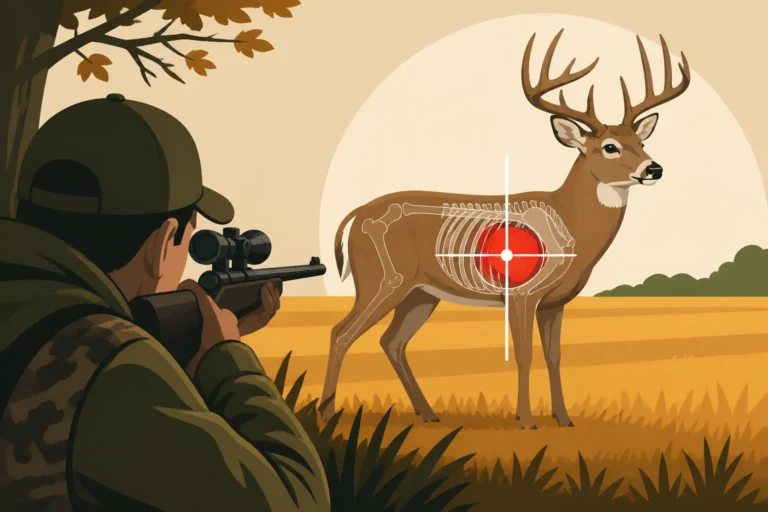
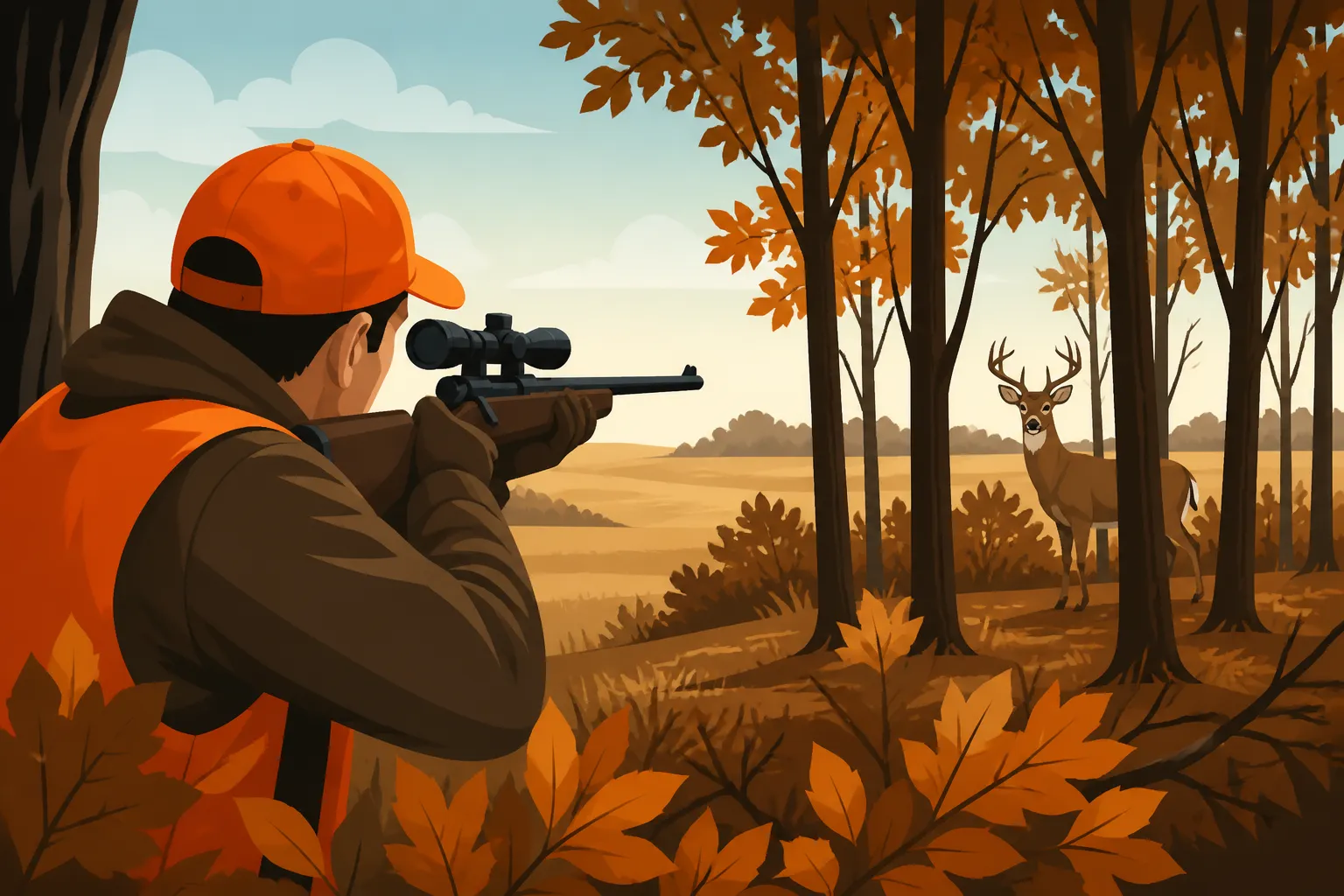
For standers, patience is the ultimate virtue. Deer will often approach cautiously, trying to determine the safest escape route. Resist the urge to draw attention to yourself or make sudden movements. Wait for the deer to present a clear, ethical shot. This means waiting until the deer is fully exposed and you have a clean background, well away from other hunters. Shot placement on a whitetail at twenty yards is critical, and during a drive, quartering-away shots on whitetails are often common as they move past. Always be sure of your target and what's beyond it.
Safety cannot be stressed enough during a drive. Everyone involved must wear hunter orange rules during firearm season. Before any shots are fired, standers need to confirm the deer is clear of the drivers and any other standers. If a deer breaks out in an unexpected direction, standers should only take a shot if it is absolutely safe to do so. A missed opportunity is always better than an unsafe shot. If drivers are carrying firearms, they must exercise extreme caution, only shooting at deer that are moving away from standers and offering a safe, ethical shot. The most important rule of a deer drive is that everyone goes home safely.
After the Drive: Recovery and Follow-Up
The drive might be over, but the hunt isn't truly finished until the deer is recovered. The moments immediately after a shot are critical for ensuring a successful and ethical recovery, especially if the deer isn't immediately visible.
Immediate Post-Shot Protocol
If a stander or driver takes a shot, the immediate protocol is crucial. First, clearly communicate to the rest of the hunting party that a shot has been taken. This alerts everyone to potentially wounded game and ensures no one moves into an unsafe area. Second, if the deer is not visibly down, mark the exact spot where the deer was standing when shot, and the direction it ran. Use a brightly colored piece of flagging tape, a hat, or a prominent landmark. This "last seen" point is vital for initiating a blood trail.
Resist the urge to immediately rush in. Give the deer some time, especially if it appears to be hit in a non-vital area or is just beyond sight. A deer that is given 15-30 minutes to lay down will often expire within that time, making recovery much easier than pushing a wounded animal further. If the shot was obviously lethal (e.g., a spine shot or heart shot, and the deer piled up), you can proceed more quickly, but still exercise caution. Always assume the animal is still alive and capable of sudden movement until you confirm otherwise.
Blood Trailing and Recovery Techniques
After a reasonable wait, begin the blood trailing process from the marked "last seen" spot. Look for blood on both sides of the trail, disturbed leaves, broken twigs, and scuff marks. If blood is scarce, spread out in a line, slowly moving forward, meticulously searching every square foot. Blood trailing in tall CRP or cedars can be a monumental challenge, so go slowly and mark the last blood found.
If you lose the blood trail, fan out in concentric circles from the last confirmed spot. Look for any change in the environment: a patch of darker leaves, disturbed ground, or even the distinct musky odor of a wounded deer. If you are having extreme difficulty, consider using a tracking dog legally in Kansas if one is available. Remember to remain calm and systematic. Recovering a deer across a property line might require prior permission from adjacent landowners, so always be mindful of boundaries. Getting a deer out of a river bottom alone, or any other challenging terrain, can be tough work, so assess the situation and consider calling for assistance from your hunting partners.
Safety, Ethics, and Regulations in Kansas
Deer drives, while effective, come with inherent risks and responsibilities. Adhering to strict safety protocols, maintaining ethical hunting practices, and understanding Kansas hunting regulations are non-negotiable.
Understanding Kansas Laws for Drives
Before organizing any drive, review the current Kansas Regulation Summary Release Date from the Kansas Department of Wildlife and Parks (KDWP). While driving deer is generally legal, there are critical rules to follow. Everyone participating in a firearm deer drive must possess a valid Kansas hunting license and appropriate deer permits. During the firearm season, wearing hunter orange is mandatory for all hunters. This typically means an outer garment with at least 100 square inches of orange, visible from all directions.
Pay close attention to private land access. All hunters must have written permission to hunt private land in Kansas. This is critical for avoiding trespass violations. Also, be aware of specific rules regarding shooting from a Kansas road right-of-way; it is illegal to shoot from, upon, or across a public road or railroad right-of-way. Understand the daily capacity limits on iWIHA tracts if you are driving public ground, as some Walk-In Hunting Access (WIHA) areas have specific regulations that might limit party size or access methods. Knowing these rules ensures a legal and enjoyable hunt for everyone.
Prioritizing Safety and Fair Chase
Safety is paramount, always. Every hunter involved in a drive must be fully aware of the positions of all other hunters. Clear communication, discussed during the planning phase, must be maintained throughout the drive. Never shoot in the direction of another hunter or without a clear understanding of what is beyond your target. Treat every firearm as if it's loaded, keep the muzzle pointed in a safe direction, and keep your finger off the trigger until you are ready to shoot.
Ethical considerations also play a huge role. Deer drives should be conducted as an organized method to take game, not simply to harass animals. Fair chase means giving the animal a reasonable chance. Avoid excessive noise or aggressive tactics that could injure deer or cause them to act unpredictably. Only take shots at deer that are within your effective range and offer an ethical kill shot, avoiding extreme distances that increase the risk of wounding an animal without recovering it. The goal is a clean, quick harvest, not just to move deer around. Instilling a culture of safety and respect for the game and fellow hunters makes the experience better for everyone.
| Role | Primary Objective | Key Responsibilities | Safety Considerations |
|---|---|---|---|
| Stander | Intercept deer exiting the timber block | Remain silent and still; identify safe shot lanes | Always know driver positions; clear background for shots |
| Driver | Push deer out of cover towards standers | Maintain consistent pace; scan for deer; communicate | Avoid shooting towards standers; wear hunter orange |
| Planner | Develop and communicate the drive strategy | Scout area; assign roles; review safety protocols | Ensure all hunters understand plan and boundaries |
For more detailed information on specific Kansas deer units and season dates, you can often find comprehensive guides. Understanding the Kansas deer season dates by weapon, for example, is essential for timing your firearm drives. Similarly, knowledge of topics like hunting pressure patterns on Kansas public land can inform your decision on which timber blocks might be less pressured and more likely to hold deer. Always check for current regulations, which can sometimes be found on resources like the Go Outdoors Kansas website.
Disclaimer
The information provided in this guide is for informational purposes only and is not a substitute for official hunting regulations. Hunters are responsible for knowing and abiding by all current Kansas Department of Wildlife and Parks laws and regulations. Always prioritize safety and ethical hunting practices.