Kansas Outfitter Unit Coverage
When you're dreaming of that Kansas whitetail hunt, you're probably picturing big bucks, wide-open country, and maybe even a specific season like the rut. But what many hunters don't immediately realize, especially if they're considering an outfitter, is just how critical "unit coverage" truly is. It's not just a fancy term; it's the bedrock of an outfitter's operation and directly impacts your chances of success and the quality of your experience. This guide will walk you through what Kansas outfitter unit coverage means, why it's so important, and how to thoroughly vet an outfitter's claims so you can book with confidence and set realistic expectations for your dream hunt.
Understanding Kansas Deer Units and Outfitters
Kansas is renowned for its deer hunting, particularly for the potential to harvest a mature whitetail buck. However, the state manages its deer herd by dividing it into specific Deer Management Units, often referred to simply as "units." These units are more than just lines on a map; they represent distinct hunting areas with varying characteristics, deer densities, and drawing odds for permits. For an outfitter, understanding and strategically operating within these units is fundamental to their business model and directly impacts the hunts they can offer.
The Importance of Kansas Deer Units for Hunting
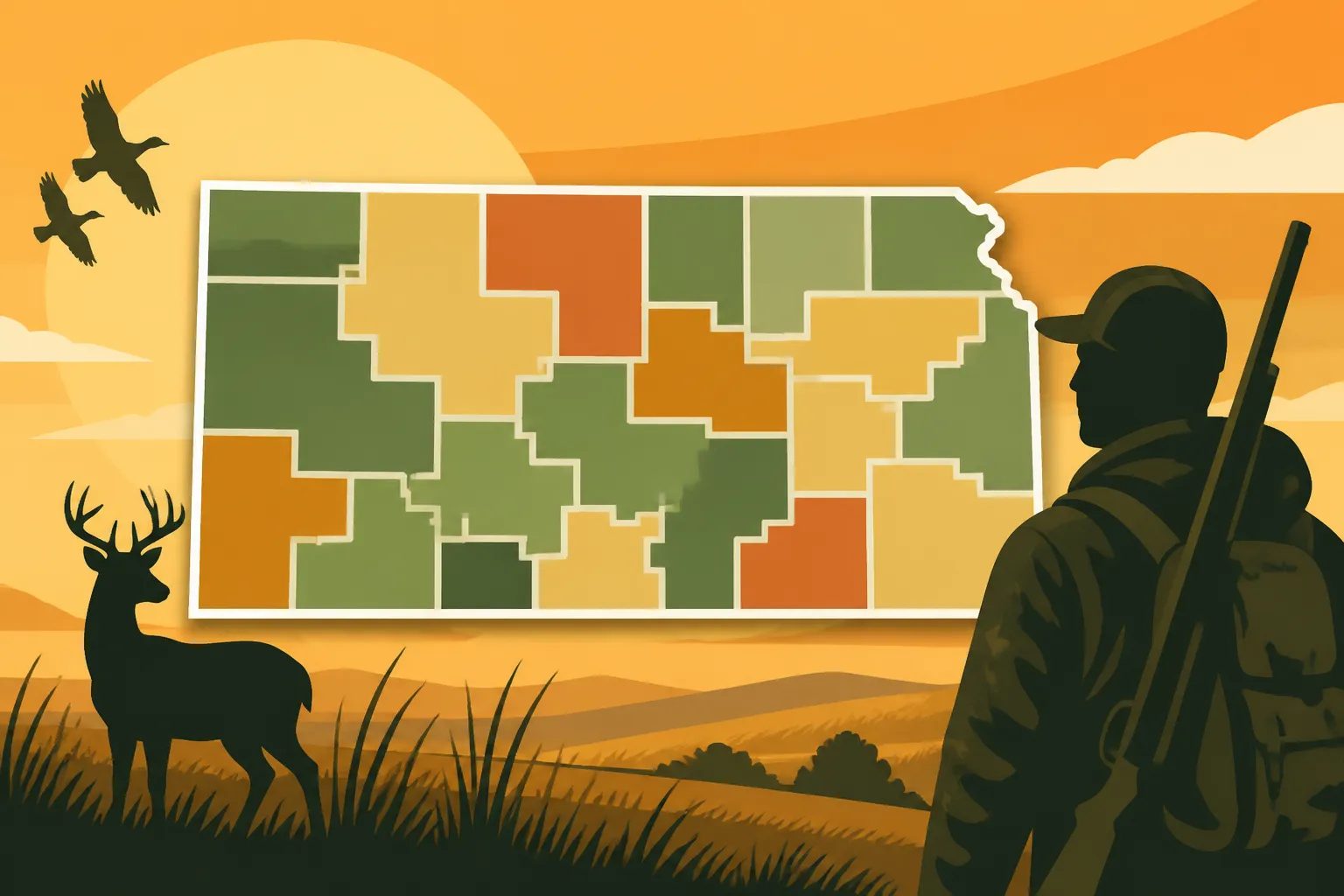
Imagine Kansas as a giant checkerboard, with each square representing a different unit. Each of these squares has its own unique personality, so to speak. Some units, particularly in the eastern part of the state, are characterized by rolling hills, dense timber, and substantial river bottoms, offering classic whitetail habitat. Others, especially out west, lean more towards expansive agricultural fields, shelterbelts, and smaller creek drainages. The habitat dictates deer behavior, population density, and ultimately, the hunting experience. A unit known for its vast expanses of CRP and scattered timber might be fantastic for early-season archery hunts near water, while another unit with extensive corn and bean fields might shine during the late season when deer are focused on remaining food sources.
Furthermore, these units are crucial because non-resident deer permits are drawn based on unit choice. When you apply for your Kansas Deer Permits and the Nonresident Draw, you'll be asked to select a primary unit and potentially an adjacent unit. Your success in drawing a permit often depends on how popular that unit is and how many preference points you've accumulated. An outfitter who operates in a unit that is notoriously difficult to draw might offer fewer hunts or require clients to have a substantial number of points, impacting availability and your overall planning timeline.
What "Outfitter Unit Coverage" Really Means
When an outfitter talks about their "unit coverage," they're essentially telling you which of these Kansas Deer Management Units they have access to hunt. This isn't just about general location; it implies that they have established land access, whether through ownership or leasing agreements, within that specific unit's boundaries. It means they have done their scouting, understand the local deer patterns, and possess the necessary permits or arrangements to conduct guided hunts there.
For instance, an outfitter might proudly state they "cover Units 7, 8, and 9." This tells you that their operations, their network of leases, and their knowledge base are concentrated within those three distinct areas. It doesn't mean they can hunt anywhere in those units, but rather on specific parcels of land within them. This distinction is vital, as simply being located in a unit doesn't guarantee quality hunting; it's the quality of their ground within that unit that truly matters. This information is your first clue to understanding the kind of hunt you might experience and whether it aligns with your permit.
Why Unit Choice is a Core Outfitter Strategy
An outfitter's decision on which units to operate in is a deeply strategic one, directly influencing their success and reputation. It's not arbitrary; it's based on a multitude of factors, much like a seasoned chess player planning several moves ahead. They're looking for units that consistently produce quality deer, offer diverse habitat, and align with their business goals. Some outfitters might focus on units known for Why Kansas Grows Trophy Whitetails, specifically targeting those Boone and Crockett hopefuls. Other outfitters might prioritize units with higher deer densities for greater opportunity, even if the average antler size is slightly smaller.
Their unit selection also dictates their target clientele. An outfitter in a high-demand, low-draw-odds unit might cater to hunters with multiple preference points or those willing to spend more on a guarantee, if such a thing existed. Conversely, an outfitter in a unit with easier draw odds might attract first-time Kansas hunters or those on a tighter budget. It's about matching their services to the resources available within those specific geographic and regulatory boundaries. Ultimately, their unit strategy is designed to provide what they believe is the best hunting experience, based on the land they've secured and the deer present within those units.
How Outfitters Select and Manage Units
The process by which an outfitter decides where to hang their hat, so to speak, is far more complex than simply picking a spot on a map. It involves a deep understanding of wildlife biology, land management, and intricate logistics. Their success hinges on making smart choices about where they operate and how they manage that territory.
Factors Influencing an Outfitter's Unit Choice
When an outfitter chooses which unit or units to operate in, they're typically weighing several critical factors. First and foremost is the quality and quantity of the deer herd. They need to assess Kansas Deer Herd Numbers by Unit and the historical data on antler size and age structure. A unit that consistently yields mature bucks is obviously more attractive than one with a younger herd. They also consider the habitat diversity within a unit. Does it offer a mix of timber, agriculture, and waterways that can support deer through various seasons and weather patterns? A unit with varied terrain, like river bottoms and expansive crop fields, provides more hunting options.
Another crucial factor is access to quality private land. Kansas has a lot of private property, and securing leases on productive parcels is the lifeblood of many outfitting businesses. They look for landowners who are willing to lease, have managed their property well for deer, and offer good accessibility for hunters. The cost of these leases also plays a significant role. Finally, draw odds for non-resident permits are a huge consideration. An outfitter won't set up shop in a unit where their clients have virtually no chance of drawing a tag, unless they cater exclusively to residents or offer other species. They might opt for a unit that's a bit easier to draw, even if it means slightly less "trophy potential" on average, simply to ensure their clients can actually hunt.
Acreage and Lease Management Within Units
Once an outfitter has chosen a unit (or several), the real work begins: acquiring and managing the actual hunting ground. It's one thing to say you cover "Unit 12," and quite another to have thousands of huntable acres within Unit 12. Outfitters typically lease land from private landowners, often signing multi-year agreements to ensure consistent access. The amount of acreage they control per hunter is a huge indicator of hunt quality. A good outfitter strives for ample space, ensuring that hunters aren't stepping on each other's toes. This means strategically managing how many hunters are in camp at any given time and how they are rotated through different parcels.
Lease management also involves active habitat work. This could include planting food plots, managing timber for bedding areas, or ensuring water sources are available. An outfitter isn't just a guide; they're often a land manager, investing time and resources into making their leased properties as attractive to deer as possible. This proactive approach ensures a better hunting experience and helps retain those leases year after year. For example, some outfitters might focus on areas with Milo and Corn Stubble Deer Patterns in the late season, requiring specific types of agricultural leases.
Balancing Hunter Numbers and Unit Pressure
A major challenge for any outfitter, especially within a specific unit, is balancing the number of hunters they take with the overall hunting pressure on their ground. Too many hunters, and the quality of the experience plummets. Deer become warier, patterns are disrupted, and the chances of success for each individual hunter decrease. A reputable outfitter carefully calculates how many clients their leased acreage within a given unit can sustain without over-pressuring the deer.
They often implement strategies like rotating properties, resting certain areas, or limiting the number of hunters in camp during peak times like the When the Kansas Rut Peaks. This careful management prevents their best spots from getting burned out. When you're talking to an outfitter, it's perfectly reasonable to ask about their hunter-to-acreage ratio or how many hunters they typically have in camp during your desired week. This provides insight into how well they manage pressure and helps you gauge the realism of their claims about consistent success within their chosen unit.
Researching an Outfitter's Unit Coverage
You wouldn't buy a house without an inspection, and you shouldn't book a hunt without thoroughly researching the outfitter's claims, especially concerning their unit coverage. This due diligence is crucial for setting realistic expectations and ensuring your hard-earned money is well spent.
Direct Questions to Ask Potential Outfitters
When you're speaking with a potential outfitter, don't be shy about asking direct, specific questions about their unit coverage. Here are a few to get you started:
- "Which specific Kansas Deer Management Units do you operate in?" Get a clear, unambiguous answer. Don't settle for "central Kansas" or "the eastern region." You need unit numbers.
- "What percentage of your leased ground is within my primary choice unit, and how much is in the adjacent unit (if applicable)?" This helps you understand where the majority of their efforts and prime spots are concentrated.
- "How much total acreage do you control within those units, and what is your typical hunter-to-acreage ratio during the week I'm considering?" This goes back to pressure management.
- "Can you provide me with a general idea of the terrain and habitat types on your ground within those units?" This helps you visualize the hunt and compare it to the unit's known characteristics.
- "How do you handle situations if a client draws a permit for a unit you don't primarily cover?" This tests their flexibility and honesty about their capabilities.
- "What is your success rate and opportunity rate for mature bucks in Kansas Deer Units 1 Through 19?" Always ask for specifics relevant to the units they claim to operate in.
A reputable outfitter will be transparent and willing to discuss these details. Be wary of vague answers or deflections. You can find more comprehensive questions to ask in resources like Questions to Ask a Kansas Outfitter.
Using Online Resources to Verify Unit Claims
In today's digital age, you have powerful tools at your fingertips to cross-reference an outfitter's claims. Start by looking up the official Kansas Department of Wildlife, Parks and Tourism (KDWP) website for an up-to-date Kansas Deer Unit Map. This will give you the precise boundaries. Many mapping apps and online platforms, such as GoHunt or even the public-facing KDWP maps, allow you to overlay unit boundaries onto satellite imagery.
You can also use services like BookYourHunt or other hunting booking platforms to research outfitters. While these platforms often list the units an outfitter operates in, it's still wise to dig deeper. Look for consistent reviews that mention specific units or areas that align with the outfitter's claims. Be aware that some outfitters might list a unit they "occasionally" hunt or have a single small parcel in, so verify their primary areas of operation. Remember, your goal is to confirm that they have a significant, well-established presence in the units they claim.
Understanding Draw Odds and Unit Permit Availability
This might be the most critical piece of your research puzzle, especially for non-residents. Kansas deer permits are often a draw, and the odds vary significantly by unit and weapon choice. An outfitter might claim fantastic ground in Unit X, but if Unit X requires four preference points for a non-resident to draw, and you only have one, then their coverage in that unit is irrelevant to your hunt.
It's imperative to understand How Many Points to Draw a Kansas Unit for your desired weapon (archery, muzzleloader, or firearm) and season. The KDWP publishes annual draw odds, and while they are historical, they provide the best indication of future success. Talk to your outfitter about the typical number of points their clients need to draw in the units they cover. A good outfitter will advise you on Choosing a Primary and Adjacent Kansas Unit to maximize your chances, or help you understand the Kansas Application Fee and Refund Rules if you're unsuccessful. If an outfitter pushes you towards a unit that consistently has extremely high point requirements when you have few points, it's a red flag.
The Impact of Unit Coverage on Your Hunt
An outfitter's unit coverage isn't just a logistical detail; it's a foundational element that shapes nearly every aspect of your hunting experience, from the size of the deer you might encounter to the daily logistics of getting to your stand.
Deer Quality and Trophy Potential by Unit
Let's be honest, for many, the allure of Kansas is the potential for a truly impressive whitetail buck. While big deer can theoretically show up anywhere, certain units, due to their habitat, genetics, and management practices, consistently produce larger-bodied and bigger-antlered deer. An outfitter operating primarily in these "trophy units" will likely have a different set of expectations and a higher price point than one in a unit known for its abundance of deer but perhaps slightly smaller average antler size.
For example, a unit dominated by dense timber and limited public access might have a different age structure for bucks compared to a unit with vast agricultural fields where deer are exposed to more road traffic and hunting pressure. Which Kansas Counties Produce Big Deer often correlates directly with specific units. Your outfitter's unit coverage directly tells you the general caliber of deer you can expect to be hunting. It’s important to align your personal hunting goals with the realities of the unit the outfitter operates in. If you're chasing a true monster, ensure your outfitter is actually hunting ground within units known for producing them.
Public vs. Private Land Access Within a Unit
Kansas offers both private and public hunting opportunities, including its popular Walk-In Hunting Access (WIHA) program. Most reputable outfitters primarily operate on leased private land, as it allows them to control access, manage deer, and offer a more consistent experience. However, some outfitters might have access to or utilize public land, especially if they offer more budget-friendly or semi-guided hunts.
It's crucial to clarify whether an outfitter's "unit coverage" means entirely private land or a mix of private and public. If they're using public land, ask about their strategies for Hunting Pressure Patterns on Kansas Public Land and how they minimize encounters with other hunters. Public land hunting, even with an outfitter, presents different challenges and opportunities. For non-residents, understanding Kansas WIHA Acres and Enrollment and how it might factor into an outfitter's strategy is important, though most guided hunts will be on managed private land. Don't assume; always ask about the type of land you'll be hunting.
Navigating Travel and Logistics Across Units
Kansas is a big state, and while it might look like a simple drive on a map, crossing unit boundaries can sometimes involve significant travel, especially if an outfitter has leases spread out. Imagine an outfitter with their main lodge in Unit 7, but their best November rut ground is actually an hour and a half away in Unit 8. This could mean longer drives to and from your hunting spot each day, impacting sleep, morning setup times, and evening recovery efforts.
When an outfitter claims coverage in multiple units, ask about the geographical distribution of their leases. Are they concentrated, or are they widely dispersed? This isn't usually a deal-breaker, but it's a logistical consideration that can affect your daily routine. Knowing this upfront helps you manage expectations about travel time and allows you to plan for things like vehicle rental choices if you're driving yourself to certain spots.
Navigating Multiple Unit Coverage
Some outfitters boast coverage across numerous units, which can initially sound impressive. However, this expansive reach comes with its own set of advantages and challenges that you, as a hunter, need to understand and scrutinize carefully.
Outfitters Operating in Adjacent Units
It's not uncommon for outfitters to operate in two or three adjacent units. This can be a smart strategy, offering a few distinct advantages. First, it provides flexibility in the draw. If a client fails to draw in their primary unit, there might be a chance they drew for an adjacent unit where the outfitter also has ground. This can sometimes save a planned hunt from being cancelled entirely.
Second, it can offer habitat diversity. For example, one unit might have more river bottom timber excellent for early-season stand hunting, while an adjacent unit might be dominated by large agricultural fields perfect for late-season food source hunting. This allows the outfitter to cater to different seasons or specific hunting preferences. An outfitter might strategically have ground that allows for Early-Season Bowhunting Over Water in one unit, and another unit more suited to Late-Season Food Source Hunting. However, it also requires the outfitter to have strong local knowledge and established infrastructure in each of those units, which can be a significant undertaking.
The Benefits and Challenges of Multi-Unit Operations
From a hunter's perspective, the benefits of an outfitter having multi-unit coverage often include:
- Increased flexibility: As mentioned, it can improve your odds of salvaging a hunt if your primary unit draw fails.
- Diverse hunting experiences: You might have access to different types of terrain and hunting scenarios if the units vary.
- Mitigation of localized issues: If one unit experiences a specific issue like an EHD outbreak or extreme weather that impacts deer, the outfitter might have alternative options in another unit.
However, there are also challenges that you need to be aware of:
- Diluted focus: An outfitter spread too thin across many units might not have the intimate, in-depth knowledge of any single unit compared to one focused entirely on one or two.
- Logistical complexities: Running operations in multiple, potentially distant units can strain resources, guides, and equipment, potentially impacting the quality of the daily hunt experience.
- Consistency concerns: It's harder to maintain consistent quality across multiple disparate hunting grounds.
Always ask how they manage these multi-unit operations. Do they have dedicated guides for each unit? Is there a separate camp for each unit, or are you driving long distances from a central lodge?
Ensuring Your Permit Aligns with Outfitter's Unit
This is the non-negotiable bottom line: your hunting permit must be valid for the unit(s) where your outfitter intends to put you. It seems obvious, but it's a mistake hunters sometimes make. When you apply for your How to Apply for a Kansas Nonresident Deer Permit, you declare your primary unit (and potentially an adjacent unit). Once drawn, that permit is tied to those specific units. You cannot simply hunt anywhere else.
Before you finalize your booking, have a clear conversation with the outfitter, confirming the unit(s) where you will be hunting. Then, double-check your permit to ensure it matches precisely. If an outfitter suggests hunting in a unit not covered by your permit, that's a serious red flag and could lead to legal issues. A reputable outfitter will make this alignment a priority and guide you through the process of choosing the correct unit on your application, perhaps suggesting units they have strong ground in and where the draw odds are favorable for your point level. Never assume your permit covers all of Kansas; it is unit-specific.
| Unit Coverage Aspect | Hunter Benefit | Hunter Consideration |
|---|---|---|
| Specific Unit Names | Clear understanding of hunting area | Verify against KDWP map; research unit characteristics |
| Acreage per Hunter | Reduced pressure, better deer movement | Ask for ratio; less is generally more (acreage, not hunters) |
| Private vs. Public | Private often means managed, lower pressure | Public means potential for other hunters, different tactics |
| Multiple Units | Flexibility, diverse habitat | Risk of diluted focus; confirm logistics and guide allocation |
| Draw Odds Advice | Guidance for permit application | Cross-reference with KDWP data; ensure aligns with your points |
| Habitat Description | Visualize hunt, match expectations | Compare to actual unit terrain and typical cover |
Disclaimer
This article is for general informational purposes only and does not constitute professional advice. Laws, prices and regulations vary by location and change over time. Consult a qualified professional for guidance on your specific situation.