Preserve Bird Hunts and How They Differ
Many of us, myself included, have spent countless hours trudging through CRP fields, hoping to flush a pheasant or find a covey of quail, only to come up empty-handed or see birds too far out of range. It's a frustrating but all too common experience in wild bird hunting. This guide is for those times when you're looking for a different kind of upland bird experience in Kansas, one that offers a higher likelihood of success, more controlled conditions, or simply a different flavor of wingshooting. We're going to dive deep into preserve bird hunts, exploring what they are, how they stack up against traditional wild bird hunting, and what you should consider if you're thinking of trying one.
What Exactly Are Preserve Bird Hunts in Kansas?
Let's clear the air right from the start. A preserve bird hunt in Kansas isn't about chasing wild pheasants that have survived multiple seasons or outsmarting a cunning covey of bobwhite quail that calls a dense plum thicket home. No, preserve hunting, sometimes referred to as a "shooting preserve" or "game bird farm," is a controlled environment where game birds are raised or acquired, then released into designated hunting areas for sport. The goal is to offer a consistent, accessible, and often high-volume hunting experience.
These operations are typically regulated by the Kansas Department of Wildlife, Parks, and Tourism (KDWPT) with specific rules that differ from general state hunting regulations. Think of them as a managed ecosystem specifically designed to provide wingshooting opportunities. For many hunters, especially those new to the sport, those with limited time, or those wanting to train a young dog, preserves offer a fantastic alternative to the often unpredictable nature of wild bird hunting.
Defining the Difference: Not Your Grandfather's Wild Hunt
The most fundamental difference between a preserve hunt and your grandfather's wild hunt lies in the origin and density of the birds. In a traditional wild hunt, you're pursuing birds that were hatched and raised in nature, navigating predators, weather, and hunting pressure on their own terms. These birds are spread out, wary, and often require significant scouting, skilled dog work, and a good dose of luck to find. The pursuit itself is a huge part of the challenge and reward.
On a preserve, the birds are typically farm-raised pheasants, chukar, or quail. They are released into cover specifically managed for hunting, often in higher densities than you'd ever find in the wild. While they are still birds and will fly, their flight patterns and overall "wildness" can sometimes be different due to their upbringing. This isn't to say it's easy; a fast-flying pheasant or a covey of chukar exploding from cover can still challenge even the most experienced shooter. However, the expectation of encountering birds is much higher, and the logistics of finding them are significantly reduced. It’s a guaranteed opportunity to pull the trigger, which for many, is precisely the point.
Typical Species You'll Find on a Preserve
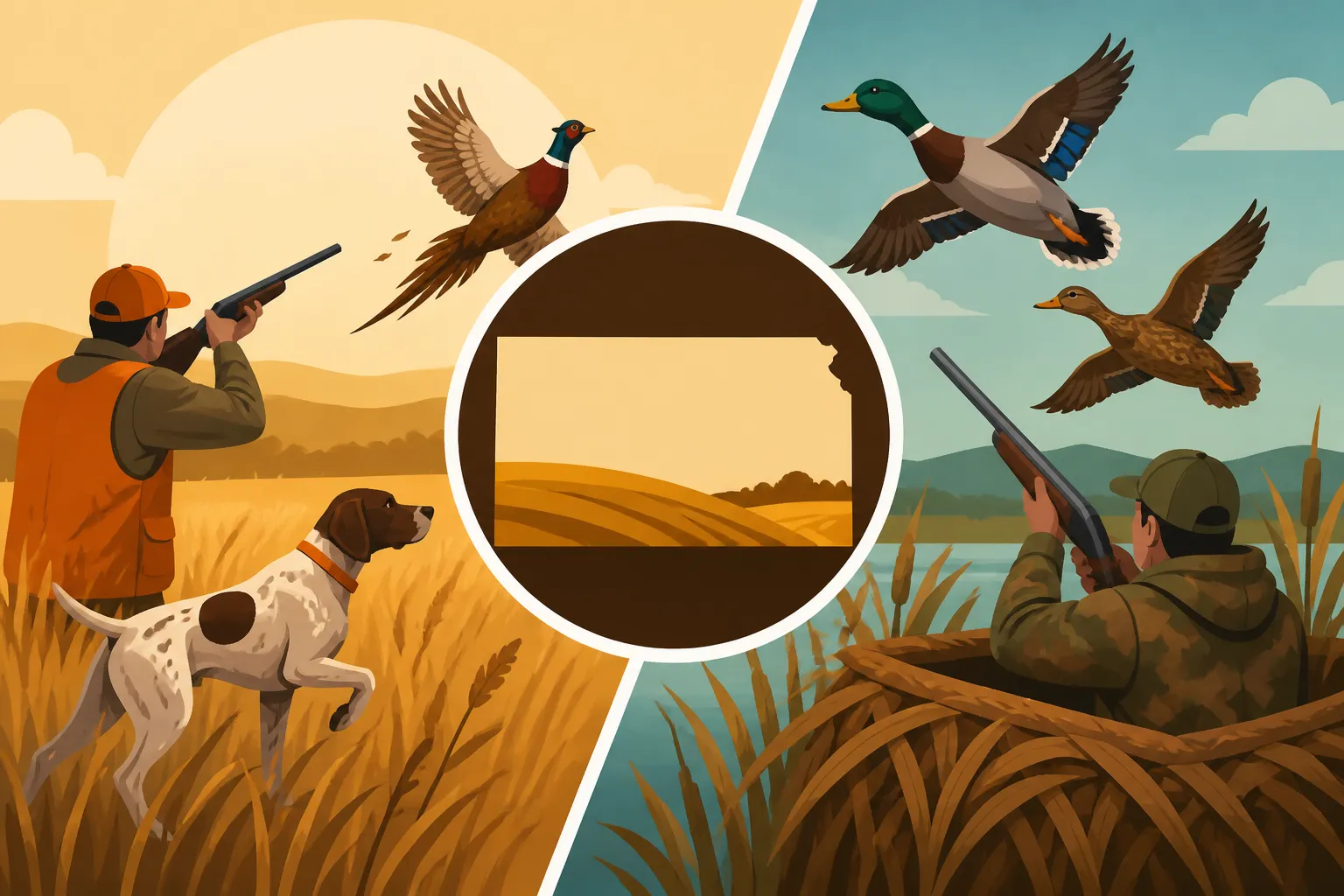
While Kansas is renowned for its wild ring-necked pheasants and bobwhite quail, preserve operations often broaden the menu. The most common species you'll encounter on a Kansas bird preserve include:
- Ring-necked Pheasants: These are the superstars of upland hunting, and preserves often stock various strains bred for good flight. They provide exciting flushes and robust sporting birds. You'll often find them released in fields of milo, standing corn, or thick CRP-like cover.
- Chukar Partridges: Not native to Kansas, chukar are known for their strong, rapid flight and their tendency to run uphill when pressured. They offer a unique and challenging target, often released in areas with more varied terrain or brushy cover, providing a different experience than typical Kansas flatlands.
- Bobwhite Quail: Many preserves also offer quail hunts, often releasing coveys into ideal habitat. While they might not be as "explosive" as a wild covey that has survived a harsh winter, they still offer the classic thrill of multiple birds flushing simultaneously.
- Other Birds: Less commonly, you might find Hungarian partridge or even mallard ducks on some specialized preserves, though pheasants, chukar, and quail remain the primary draw for most Kansas operations.
These various species allow preserves to tailor experiences for different preferences, whether you prefer the powerful flush of a pheasant or the quick, darting flight of a chukar. Many preserves offer Preserve Bird Hunts and How They Differ for combo packages, letting you try multiple species in one outing.
The Core Distinctions: Wild vs. Preserve Hunting
Understanding the fundamental differences between hunting wild birds and preserve birds is key to setting your expectations and choosing the right experience for you. It's not about one being inherently "better" than the other, but rather about what you're seeking from your hunting adventure.
Habitat and Bird Density: A Controlled Environment
In wild bird hunting, especially in Kansas, you're often covering vast tracts of varied habitat. Think expansive CRP fields, overgrown creek bottoms, shelterbelts, and dense plum thickets. The birds are naturally dispersed, adapting to their environment, moving with food and cover changes, and facing natural predation. Finding them is a puzzle, and the habitat itself is a crucial character in the hunt.
Preserve environments, while designed to look natural, are inherently controlled. The cover is typically managed specifically for holding released birds, often with an emphasis on accessibility and safe shooting lanes. The bird density is significantly higher, meaning you're much more likely to encounter birds in a given area. This density is the main selling point for many, as it offers a higher number of shooting opportunities. Hunters don't typically need to worry about Working Pheasant Fields Without a Dog or Working Grass Edges Without a Dog on preserves, as guides and dogs are often provided, and the birds are more concentrated. This can be fantastic for building confidence or getting a lot of dog work in.
Hunter Experience and Success Rates
Let's be honest, walking miles in wild country without seeing a single feather can be disheartening, especially for new hunters or those who've traveled a long way. Wild bird hunting demands patience, persistence, and often a level of physical stamina to cover ground. Success rates for wild birds can vary wildly year to year and depend heavily on weather, habitat, and hunter skill. Sometimes, just seeing a bird is a victory.
Preserve hunts, by their very nature, are designed for high success rates. The increased bird density means more flushes and more chances to shoot. This makes them incredibly appealing for introducing beginners to upland hunting, allowing them to experience the excitement of a bird flush and the satisfaction of a successful shot without the frustration of empty miles. It's also a great way to guarantee some action for a corporate outing or a group of friends who want to focus on shooting and camaraderie rather than endless searching. Many outfitters offering preserve hunts highlight their "opportunity rate" rather than just "kill rate" to emphasize the plentiful chances hunters will have.
Seasonal Freedom and Regulatory Differences
Kansas wild bird seasons, like for pheasants and quail, typically run from early November through late January, with specific bag limits and shooting hours set by KDWPT. These regulations are in place to ensure sustainable populations and fair chase. You need to keep up with Kansas Upland Bird Season Dates and Limits every year.
Preserve operations often have extended seasons, sometimes running from September or even earlier right through to March or April. This flexibility allows hunters to enjoy upland action outside the regular wild bird seasons. Furthermore, preserve bag limits are generally set by the individual preserve, often reflecting the number of birds released, rather than state-mandated limits. This means you might be able to harvest more birds on a preserve than you would be legally allowed to in a wild setting. This freedom is a huge draw for many, allowing more flexibility in scheduling and ensuring a full cooler of birds at the end of the day.
| Feature | Wild Bird Hunting | Preserve Bird Hunting |
|---|---|---|
| Bird Origin | Naturally hatched and raised in the wild | Farm-raised and released into designated areas |
| Bird Density | Low to moderate, naturally dispersed | High, concentrated in managed cover |
| Habitat | Diverse, unmanaged natural landscapes | Managed cover specifically for hunting, often accessible |
| Success Rate | Variable, highly dependent on skill, conditions, luck | High, designed for consistent shooting opportunities |
| Season Length | Defined by state regulations (e.g., Nov-Jan) | Extended seasons, often Sept-Apr |
| Bag Limits | Strict state-mandated limits | Set by the preserve, often higher or per bird released |
| Challenge | High, requires scouting, patience, and skill | Moderate to high, focusing on shooting and dog work |
| Cost | License/Permit, fuel, personal gear | Package fees, often includes birds, guide, dog |
Why Hunters Choose Preserve Operations
So, with all these differences, why do hunters, especially in a state like Kansas known for its fantastic wild bird hunting, opt for a preserve? The reasons are varied and often speak to different priorities, needs, or stages in a hunter's journey. It’s not just about "guaranteed birds;" there’s a deeper appeal for many.
Training Opportunities for Young Hunters and Dogs
One of the most profound benefits of a preserve hunt is the unparalleled training ground it offers. For young hunters just learning the ropes, the consistent action provides invaluable experience. They get more chances to practice gun safety, learn how birds flush, and develop their shooting skills without the added pressure of covering miles for a single opportunity. It builds confidence and makes the sport enjoyable, which is crucial for fostering the next generation of hunters.
Similarly, dog owners find preserves to be an exceptional resource. A new pup needs exposure to live birds, lots of retrieves, and the chance to work in various cover types. On a preserve, you can guarantee multiple bird contacts, allowing your dog to hone its pointing, flushing, and retrieving skills in a controlled, safe environment. Experienced dogs can also benefit from a "tune-up" before the wild season, or simply enjoy a day of high-volume work. Many preserves offer Dogs Provided on a Kansas Bird Hunt as part of their package, but they also welcome hunters to bring their own canine companions, which is a major draw for dog enthusiasts.
Guaranteed Action and Convenience
Let's face it: life is busy. Not everyone has the luxury of taking weeks off to scout public land, secure private leases, and pray for ideal wild bird numbers. Preserve hunts cut through much of that logistical complexity. You book a date, show up, and the birds are there, ready to fly. This convenience is a huge draw for working professionals, families, or groups of friends simply looking for a fun day out.
The "guaranteed action" aspect is also significant. While no hunt is ever truly 100% guaranteed, preserves offer a far higher probability of flushing birds and getting shooting opportunities than a typical wild hunt. This is particularly appealing for those who might not have had much success in the wild recently or who are introducing new people to hunting and want to ensure they have a positive, exciting experience. It's a way to remove some of the variables and simply enjoy the process of wingshooting.
Social Gatherings and Corporate Events
Beyond the individual hunter, preserve operations excel at hosting groups. They are perfectly suited for social gatherings, family outings, or even corporate team-building events. Imagine bringing a group of colleagues or clients out for a day in the field, enjoying crisp Kansas air, exhilarating flushes, and the camaraderie of a shared experience, followed by a meal at the lodge.
Many preserves are set up to handle these larger groups, often providing guides, dogs, and even meals and lodging. This makes organizing such an event incredibly easy. It’s a unique way to bond, celebrate, or entertain in an outdoor setting, creating lasting memories. Plus, the high likelihood of success means everyone, regardless of their prior hunting experience, can feel a sense of accomplishment and enjoy the day.
Potential Drawbacks and Ethical Considerations
While preserve hunts offer many advantages, it's also important to acknowledge their potential drawbacks and the ethical discussions they sometimes spark. It’s about understanding the full picture before deciding if this type of hunt aligns with your personal values and expectations.
The "Tamed" Aspect and Fair Chase Debates
One of the most common criticisms of preserve hunting centers around the "tamed" nature of the birds and whether the experience truly qualifies as "fair chase." Since the birds are farm-raised and released, they often don't exhibit the same level of wariness, speed, or evasive maneuvers as their wild counterparts. This can lead some hunters to feel that the challenge is diminished or that the experience lacks the authenticity of a wild hunt.
For dedicated traditionalists, the thrill comes from outsmarting an animal that has survived purely on its instincts. Preserve birds, while still capable of strong flight, may not have the same survival instincts honed by seasons in the wild. This difference is a valid point of discussion within the hunting community. Ultimately, whether it constitutes "fair chase" is a personal judgment, but it's important to be aware of the sentiment.
Financial Investment and Perceived Value
Let's talk dollars and cents. Preserve hunts, especially guided, all-inclusive packages, can represent a significant financial investment. While wild bird hunting requires licenses, permits, fuel, and gear, preserve hunts often involve a per-bird fee, a per-hunter package price, or a daily rate that includes guides, dogs, and birds. This cost can sometimes be a barrier for hunters on a tight budget.
The perceived value is also subjective. For those prioritizing high-volume shooting, convenience, or dog training, the cost might be entirely justified. For others who value the challenge, solitude, and raw unpredictability of wild hunting, the cost for a more "controlled" experience might seem less appealing. It's a calculation each hunter needs to make based on their priorities and what they seek from their time in the field. Many outfitters have various Kansas Pheasant and Quail Hunt Packages that cater to different budgets and group sizes.
Overcoming the Stigma of "Canned Hunts"
Unfortunately, preserve hunting sometimes carries a negative stigma, often unfairly labeled as "canned hunts." This term generally implies a complete lack of challenge or a highly artificial environment where animals have no chance of escape. While some poorly run operations might unfortunately fit this description, the vast majority of reputable Kansas bird preserves operate ethically and strive to provide a challenging and rewarding experience within a managed setting.
These operations typically release birds into large, well-managed fields with abundant cover, giving the birds plenty of space to fly and requiring good dog work to find and flush. The aim is still to simulate a genuine hunting experience as much as possible, just with a higher guarantee of birds. It's important for hunters to do their research and choose operations that adhere to high standards of sportsmanship and bird welfare, helping to overcome any negative perceptions.
Navigating Your Options: Finding the Right Kansas Preserve
Deciding a preserve hunt is right for you is one thing; finding the right preserve is another entirely. Kansas has a number of excellent shooting preserves, each with its own flavor, price point, and offerings. Doing your homework is crucial to ensure your experience matches your expectations.
What to Ask Before You Book
Before you commit to a preserve hunt, arm yourself with questions. Don't be shy about asking for details; a reputable preserve will be happy to provide thorough answers. Here are some key things to inquire about:
- Bird Release Protocol: How and when are the birds released? Are they put out just before the hunt, or are they allowed time to acclimate? This impacts how "wild" their flight might feel.
- Cover Quality and Acreage: What kind of cover will you be hunting? Is it dense enough for birds to hide, or are they exposed? How much acreage will your group have access to?
- Guide and Dog Services: Are guides and dogs included, or can you bring your own? If they provide dogs, what breeds do they use, and how well trained are they?
- Group Size and Hunter Density: How many hunters will be in your group? Will there be other groups hunting nearby? Understanding hunter density can give you an idea of the pressure on the birds.
- Bag Limits and Costs: Confirm the per-bird cost or package price. Are there extra fees for additional birds, cleaning, or packaging?
- Facilities: Do they have a lodge for warming up, restrooms, or a place to eat lunch? What about Bird Cleaning and Packaging Services after the hunt?
- References: Ask for references from past clients, particularly those who have hunted the same type of birds you're interested in.
Researching Reputable Operations
With a clear idea of what you're looking for, it's time to hit the books (or the internet). Start by looking for preserves with a solid reputation. Online reviews, hunting forums, and word-of-mouth recommendations are excellent starting points. Websites like BookYourHunt can be valuable resources, offering listings and reviews of various hunting operations, including preserves, which can help you compare options easily. You can filter by species, location, and services offered.
Also, don't forget to check with KDWPT. They often have lists of licensed shooting preserves, ensuring the operations meet state standards for game bird propagation and hunting. When researching, pay attention to how long an operation has been in business and the consistency of their reviews. Look for detailed descriptions of their hunting areas and bird management practices. Reputable preserves will be transparent about their operations.
Planning Your Day: Logistics and Expectations
Once you've chosen a preserve and booked your hunt, it's time to plan the logistics. Confirm your arrival time, what gear you'll need to bring (shotgun, shells, appropriate clothing, blaze orange if required), and any specific rules of the preserve. If you're bringing your own dog, ensure it's up-to-date on vaccinations and well-behaved around other dogs and people.
Set realistic expectations for your day. While success rates are high, it's still hunting. Not every bird will be hit, and some will escape. Focus on enjoying the company, working with the dogs, and the thrill of the flush. If you're using a service like GoHunt for broader hunting research, you might find articles or forums discussing gear specific to preserve hunts or tips for making the most of a high-volume shooting experience. Remember that the goal isn't just to harvest birds, but to have a positive and enjoyable experience in the field, whether it's your first time or your hundredth.
Disclaimer
This article is for general informational purposes only and does not constitute professional advice. Laws, prices and regulations vary by location and change over time. Consult a qualified professional for guidance on your specific situation.