Kansas iWIHA Check-In Rules
There's nothing quite like the excitement of finding a promising piece of public hunting ground, only to have your hopes dashed when you arrive and it's already packed with other hunters. Or worse, you discover too late that it operates under a specific check-in system you weren't aware of. This guide is here to untangle the complexities of the Kansas iWIHA check-in rules, helping you understand how this innovative system works so you can hunt with confidence and avoid those frustrating surprises.
Understanding the Shift to iWIHA for Kansas Public Land
Kansas has long been a destination for hunters seeking public access, thanks in large part to its expansive Walk-In Hunting Access (WIHA) program. However, as hunting pressure increased, the need for a more dynamic management system became clear. This led to the development of iWIHA, or Interactive Walk-In Hunting Access, a game-changer for how many of us plan and execute our hunts on these valuable public tracts. It’s designed to improve the hunting experience by spreading out pressure and giving hunters a better shot at finding uncrowded spots.
What is iWIHA and How it Differs from Traditional WIHA
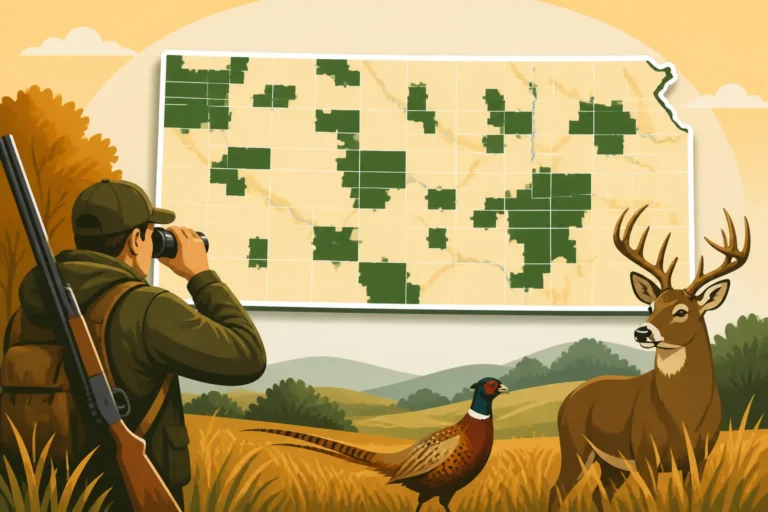
For years, the traditional WIHA program was a simple, open-access system. You'd get your Kansas Walk-In Hunting Access Explained atlas, find a green-shaded tract, and as long as it was open for the season, you could just walk right in. This was fantastic in its simplicity, but it also came with its share of challenges. Hunters would often drive hours to a prime location, only to find multiple trucks already parked there, indicating the spot was likely "burned out" for the day, or at least heavily pressured. This led to a lot of frustration and sometimes, a less-than-ideal hunting experience.
iWIHA emerged as a response to these growing pains. Think of it as WIHA 2.0, adding an interactive layer that directly addresses the issue of overcrowding. Instead of a free-for-all, iWIHA tracts have a predefined, real-time hunter capacity. This means you can check online or via an app to see if a specific tract has available spots before you even leave home. It's a proactive approach that moves away from the old first-come, first-served model in certain areas, allowing for a more managed and, ideally, more enjoyable hunting environment. It’s all about creating a better balance between hunter access and game quality.
Why Kansas Implemented iWIHA and Its Goals
The Kansas Department of Wildlife and Parks (KDWP) didn't just wake up one day and decide to complicate things. The implementation of iWIHA was a direct result of listening to hunter feedback and observing the realities on the ground. Hunters were expressing a lot of frustration with the lack of quality hunting experiences on some traditional WIHA tracts due to excessive pressure. Imagine Hunting Kansas Walk-In Land Without Burning It Out – it’s a constant struggle when everyone converges on the same few spots.
The primary goal of iWIHA is to improve the quality of the public land hunting experience by managing hunter density. By limiting the number of hunters on a given parcel at any one time, KDWP aims to reduce competition, decrease game disturbance, and give each hunter a better chance at encountering game. This also has conservation benefits, as it prevents excessive pressure on specific wildlife populations or habitats that could occur under unlimited access. The system is also designed to collect valuable data on hunter use, which can inform future management decisions and help distribute hunters more effectively across the landscape, making sure everyone has a fair shake.
The Step-by-Step iWIHA Check-In Process
Venturing onto an iWIHA tract requires a bit of pre-planning, but once you get the hang of it, the process is quite straightforward. The key is to remember that you can't just show up and hunt. You'll need to use the official KDWP online system or mobile app to gain access. This ensures that the hunter limits are respected and that the system functions as intended, providing real-time data for both you and the KDWP.
Setting Up Your Go Outdoors Kansas Account
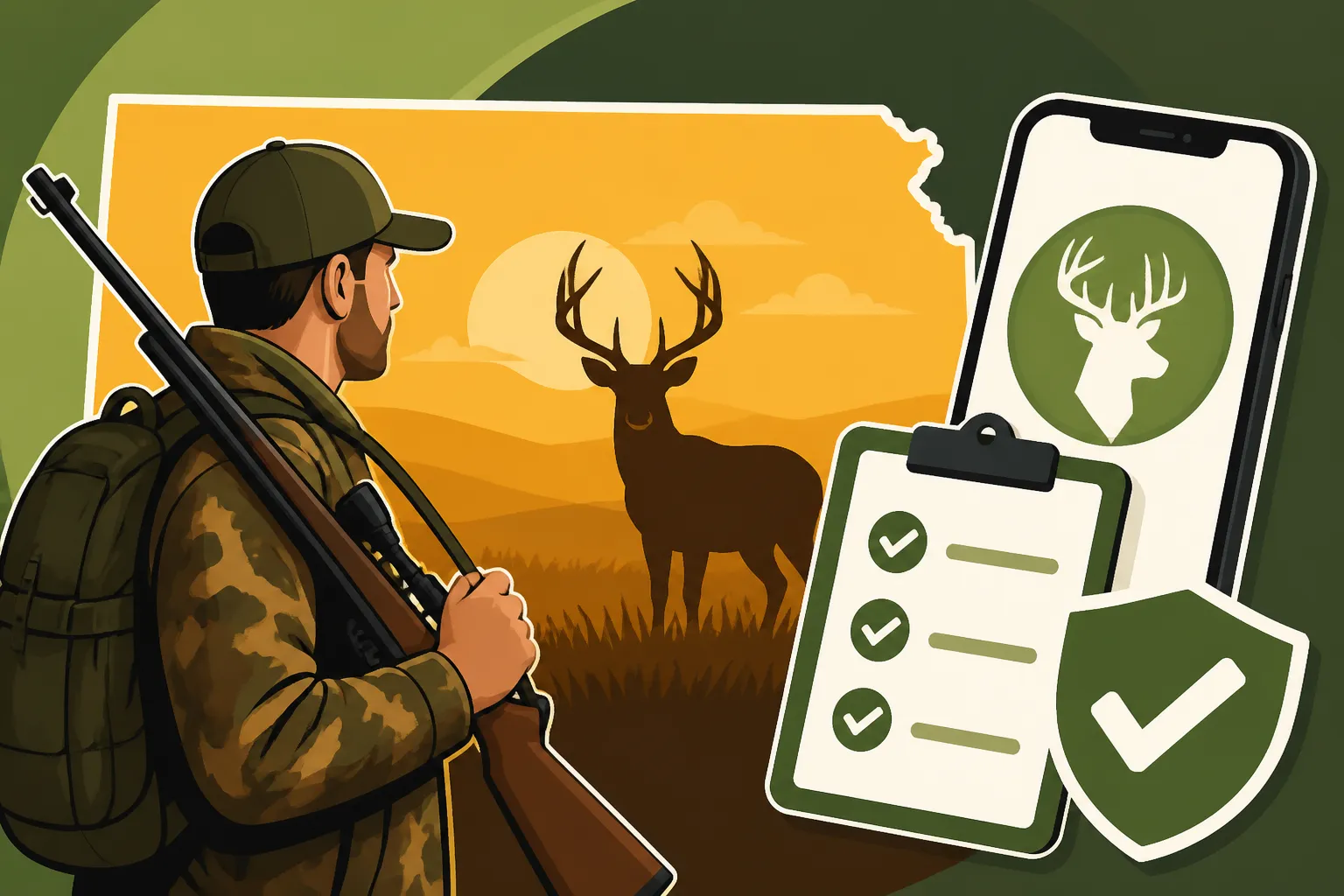
Before you even think about checking into an iWIHA tract, you absolutely need to set up an account on the Go Outdoors Kansas platform. This is the central hub for all your Kansas hunting and fishing licenses, permits, and, of course, iWIHA check-ins. It's like your digital hunting wallet and access pass all rolled into one. You'll need a valid Kansas hunting license to proceed, so make sure that's squared away first. Understanding your Kansas Nonresident Hunting Licence Cost or resident equivalent is step one.
Navigating to the Go Outdoors Kansas website or downloading the official app is your starting point. You'll need to create a profile, providing your personal information and linking any licenses and permits you've purchased. Don't wait until you're already in the field, staring at a "No Service" message on your phone, to do this. Get it done at home, where you have reliable internet and can take your time. Familiarize yourself with the interface; knowing where everything is will save you a lot of stress when you're trying to check in at 5:00 AM. This setup is crucial and serves as the foundation for all your iWIHA interactions, ensuring your identity is verified and you're legally ready to hunt.
Checking In and Out of an iWIHA Tract
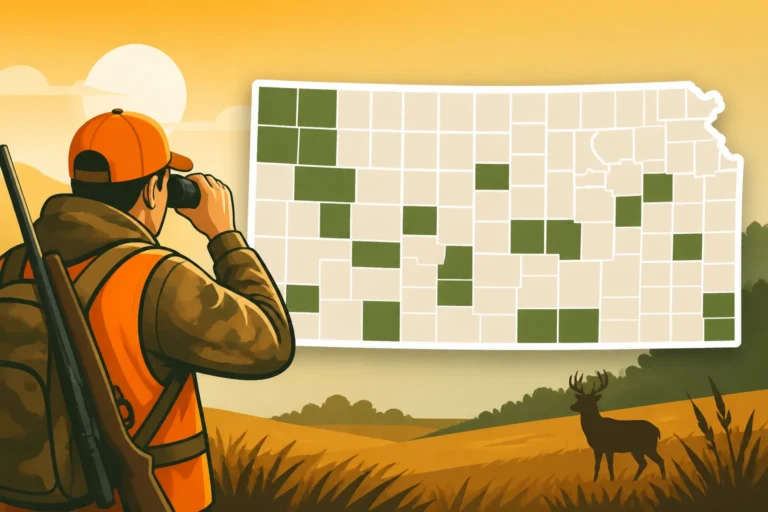
Once your Go Outdoors Kansas account is set up and your licenses are in order, the actual check-in process for an iWIHA tract is surprisingly intuitive. You'll use the same website or app to view available iWIHA tracts. This is where the "interactive" part really comes into play. The system displays a real-time count of how many hunters are currently checked in to each specific tract and its maximum capacity. This is invaluable information for planning your hunt; it lets you know instantly if your preferred spot is open or full.
When you've selected an open tract, you simply follow the prompts to "check in." You'll usually receive an immediate confirmation, often with a digital permit or confirmation number, indicating you're now legally occupying one of the spots on that tract. This digital record is critical, and you should always have access to it while hunting. Just as important as checking in is checking out when you leave the tract. This isn't just a courtesy; it's a critical part of the system's functionality. If you fail to check out, the system will assume you're still on the property, keeping a spot occupied that another hunter could be using. Even if you're just leaving for lunch or moving to another spot, always remember to check out. Ignoring this step can lead to frustration for other hunters and could potentially result in being unable to check into other tracts or even face penalties.
Navigating iWIHA Specifics: Capacity, Timing, and Equipment
While the core concept of iWIHA is about managing hunter numbers, there are several nuances that every hunter needs to understand to effectively utilize these tracts. These specifics relate to the daily limits, the exact dates and times parcels are open, and any equipment restrictions that go beyond standard WIHA rules. Paying attention to these details can make the difference between a successful, legal hunt and a wasted trip.
Daily Capacity Limits and What They Mean for You
The most defining feature of iWIHA is its daily capacity limit. Each individual iWIHA tract is assigned a maximum number of hunters that can be present on it at any given time. This number can vary greatly depending on the size of the tract, its habitat type, and historical use patterns. For you, the hunter, this means that when you check the system, you'll see a clear indication of how many spots are left. If the tract is "full," you won't be able to check in, no matter how early you arrived or how far you traveled.
This system is a double-edged sword: it prevents overcrowding, but it can also mean your top-choice spot isn't available. Strategies for dealing with full tracts are crucial. You might need to have several backup tracts identified through the Reading the Kansas WIHA Atlas or the online platform, allowing you to quickly check for availability on an alternative. Sometimes, a short wait might open a spot if another hunter checks out. It also highlights the difference between hunting on a weekday versus a weekend. Weekends, especially during peak seasons like early November, are far more likely to see tracts hit their capacity. Thinking about Weekday Versus Weekend Public Land can significantly influence your iWIHA success.
Understanding iWIHA Season Dates and Open Times
It’s easy to assume that if a general hunting season is open, all WIHA and iWIHA tracts are fair game. However, this isn't always the case, and misunderstanding the specific iWIHA season dates and open times can lead to frustration or even a violation. Many iWIHA parcels are managed under agreements with landowners that dictate specific usage periods. For instance, a tract might be open for Kansas Archery Season Dates but not for late-season firearm hunting, or it might open exclusively for upland birds after deer season has concluded.
You absolutely must check the online hunting atlas or the Go Outdoors Kansas app for the specific opening and closing dates for each individual iWIHA tract. These dates are often listed right alongside the capacity information. Also, remember that legal hunting hours still apply. Just because you can technically check into a tract at 3 AM doesn't mean you can start hunting before legal shooting light. Always cross-reference the iWIHA tract's specific dates with the statewide season dates and legal hunting hours for your chosen species. Overlooking these details can result in a wasted drive or, worse, a run-in with a game warden.
Equipment and Rules Specific to iWIHA
Beyond the check-in and capacity rules, hunters on iWIHA tracts still need to adhere to the general WIHA program guidelines and KDWP regulations, with a few important considerations. The overarching principle is usually "leave no trace" and respect the landowner's property. This means no permanent blinds or stands are allowed. If you're using a treestand or a ground blind, it needs to be portable and removed at the end of your hunt each day. Always review the rules for Portable Stand Rules on Kansas Public Land to ensure compliance, as these regulations can be quite specific about how stands can be attached and what materials are allowed.
Vehicles are generally restricted to designated access points and parking areas; you won't be driving into the middle of a field or timber on an iWIHA tract. The same goes for any other practices like baiting or planting food plots, which are strictly prohibited on all public access lands, including iWIHA. It's vital to remember that while these lands offer public access, they are often private property enrolled in the program, so being a respectful steward is paramount. Using mapping apps like onX Hunt can be incredibly helpful here, as they often have layers that show property boundaries and even KDWP regulations, allowing you to double-check that you're staying within the allowed areas and adhering to all rules. This helps you avoid any unintended trespass or violations.
Common Challenges and Solutions for iWIHA Hunters
The iWIHA system, while beneficial, isn't without its quirks, especially for hunters accustomed to simpler public land access. Anticipating common challenges and knowing how to overcome them can save you a lot of headache and ensure your hunting trips remain enjoyable and productive. From connectivity issues to understanding regulatory nuances, a little foresight goes a long way.
Dealing with No Cell Service in Rural Kansas
One of the most frequent and frustrating issues encountered by iWIHA hunters is a lack of cell service in the vast, rural expanses of Kansas. The entire iWIHA system relies on an internet connection to check in and out, and if you're deep in a river bottom or out on the open plains where signals are scarce, you're in a bind. Imagine driving an hour before legal light, arriving at your chosen iWIHA tract, only to find you can't check in because your phone is a brick. It's a truly disheartening experience.
The best solution is proactive planning. Always try to check into your desired iWIHA tract before you lose service. This often means checking in from a nearby town, a gas station, or any spot with reliable connectivity before you make the final drive to the property. Once you're checked in, the system registers your presence, even if you lose service afterward. For checking out, if you absolutely cannot get a signal while leaving the tract, make it a priority to check out as soon as you regain service, even if it's when you're driving away or back in town. Additionally, using mapping apps like onX Hunt allows you to pre-download maps of your hunting areas. This ensures you still have access to property lines, roads, and other critical navigational information even without cell service, helping you confirm you're on the correct iWIHA tract and not inadvertently trespassing.
Avoiding Penalties and Misunderstandings
Navigating any public land system comes with the responsibility of understanding and adhering to the rules, and iWIHA is no exception. The most common penalties or misunderstandings arise from not checking in, not checking out, or exceeding the posted hunter capacity. If you're caught hunting an iWIHA tract without being properly checked in, you could be considered trespassing on private land (as most WIHA is privately owned) or hunting without proper permission, which carries significant fines and penalties. Not checking out, while perhaps seen as a minor oversight, can also lead to problems. It effectively "holds" a spot, preventing another hunter from accessing the tract, and continuous failure to comply could flag your account for review by KDWP.
To avoid these issues, always make checking in and out an integral part of your hunting routine. Before you leave the truck, double-check that you're checked in. Before you drive away, confirm you've checked out. Make it a habit. Understand that these rules are in place not to make your life harder, but to ensure fair access for everyone and to collect accurate data on public land use. This data is vital for KDWP to manage the program effectively and potentially expand it in the future. It’s also wise to occasionally review the Kansas Regulation Summary Release Date for the most current information, as rules and processes can sometimes be updated. When in doubt, call KDWP for clarification rather than making an assumption that could lead to a violation.
Maximizing Your iWIHA Experience
The iWIHA system, when used effectively, can significantly enhance your Kansas hunting experience. It provides a level of certainty and a reduction in overcrowding that was previously unattainable on many public lands. By integrating smart scouting, responsible usage, and a flexible mindset, you can truly leverage iWIHA to its full potential and enjoy more productive and less stressful hunts.
Scouting and Planning Your iWIHA Hunts
Effective scouting and planning become even more critical with iWIHA. The online hunting atlas is your best friend here, and you should be spending time with it before the season even begins. Look at the satellite imagery on the Kansas Online Hunting Atlas for potential bedding areas, travel corridors, and food sources. Combine this with weather patterns and crop rotations to predict deer movement or bird locations. Tools like GoHunt or onX Hunt allow you to overlay WIHA boundaries with detailed topographic maps, identifying Terrain Funnels That Work Without Hills or Cedar Thickets as Bedding Cover on these specific tracts.
Beyond just identifying prime habitat, you should also be looking at access points and potential entry/exit strategies. Identifying Access Routes That Avoid Bedding Areas is crucial for not alerting game on these often smaller, more pressured tracts. Always have several iWIHA tracts scouted as backups. If your primary spot is full on the day you want to hunt, having a second or third option ready to go, complete with a mental game plan, can save your hunt. Remember, the early bird often gets the worm, not just in terms of getting to the land first, but in terms of getting your homework done early.
Best Practices for Using the iWIHA System
To truly maximize your iWIHA experience, a few best practices will serve you well. First and foremost, always check the system status before you even load your gear into the truck. A quick glance at the Go Outdoors Kansas app can confirm if your target tract is open and has available spots. This simple step can prevent a wasted drive and a lot of frustration.
Secondly, be a courteous hunter. This means checking out promptly when your hunt is over, even if you’re just moving to another section of the same property or leaving for a quick lunch. By doing so, you free up a spot for another hunter, maintaining the integrity and fairness of the system. We all benefit when everyone plays by the rules. Consider hunting during off-peak times if your schedule allows. Weekdays or midday hunts often have lower hunter pressure and more available spots. Finally, remember that your participation in the iWIHA system directly contributes to its success. The data collected helps KDWP understand how these lands are being used, which supports the ongoing funding and expansion of public access opportunities. By following the rules and being a responsible user, you're not just ensuring your own access, but you're helping preserve these opportunities for all Kansas hunters. Always strive to Leave No Trace on Walk-In Ground and represent the hunting community in a positive light.
Traditional WIHA vs. iWIHA: A Comparison
To help clarify the differences and understand when each system applies, here's a quick comparison of the two Kansas Walk-In Hunting Access programs:
| Feature | Traditional WIHA (Older, Still Exists) | iWIHA (Interactive Walk-In Hunting Access) |
|---|---|---|
| Access Method | First-come, first-served. Walk right in. | Online or app check-in/out required. |
| Hunter Capacity | No explicit limit; relies on self-regulation. | Strict, real-time daily hunter limits per tract. |
| Real-time Info | No. Hunter learns status upon arrival. | Yes. Check online/app for current hunter count and availability. |
| Management Goal | Provide broad access. | Manage hunter density, improve experience, collect data. |
| Required Tools | WIHA Atlas (print/digital map). | Go Outdoors Kansas account, app/website, WIHA Atlas. |
| Key Benefit | Simplicity, wide availability. | Reduced crowding, better hunt quality. |
| Common Challenge | Overcrowding, "burned out" spots. | Technical issues (no cell service), full tracts, forgetting to check out. |
| Locations | Most WIHA tracts statewide. | Specific tracts, often in higher-pressure areas. Identified on atlas/app. |
Disclaimer
This article is for general informational purposes only and does not constitute professional advice. Laws, prices and regulations vary by location and change over time. Consult a qualified professional for guidance on your specific situation.