Kansas Antlerless Hunts and Filling the Freezer
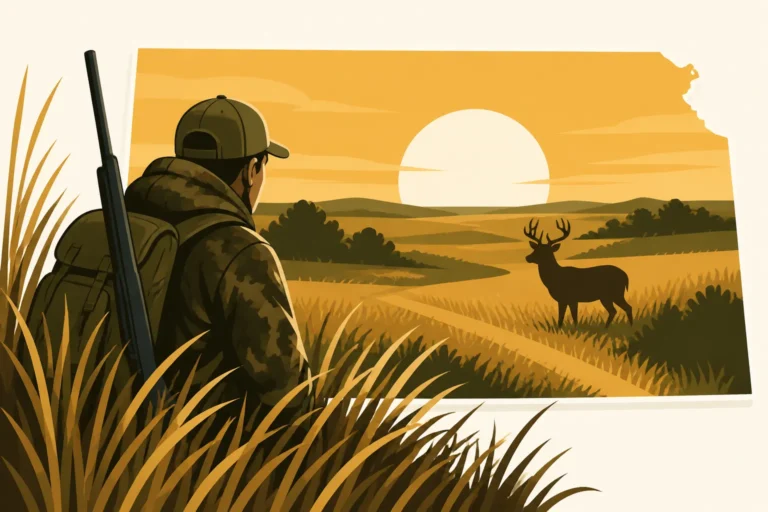
There's nothing quite like the satisfaction of a successful deer hunt, especially when you're focused on filling the freezer. For many hunters in Kansas, the pursuit of a trophy buck, while exhilarating, sometimes overshadows the practical and equally rewarding experience of an antlerless hunt. If you've ever felt the pressure of putting meat on the table or just wanted to contribute to healthy herd management, this comprehensive guide will walk you through everything you need to know about antlerless deer hunting in Kansas, from understanding the seasons and permits to field dressing and processing your harvest to maximize every cut.
Understanding Kansas Antlerless Deer Seasons
Hunting antlerless deer in Kansas isn't just a late-season afterthought; it's a strategic part of herd management that offers incredible opportunities to put venison in the freezer throughout multiple seasons. Unlike the more restrictive regulations often placed on antlered deer, Kansas provides a generous framework for pursuing does and fawns, recognizing their importance in maintaining a balanced and healthy deer population. Knowing when and where these seasons take place is your first step to planning a successful hunt.
The Early Archery Opportunity
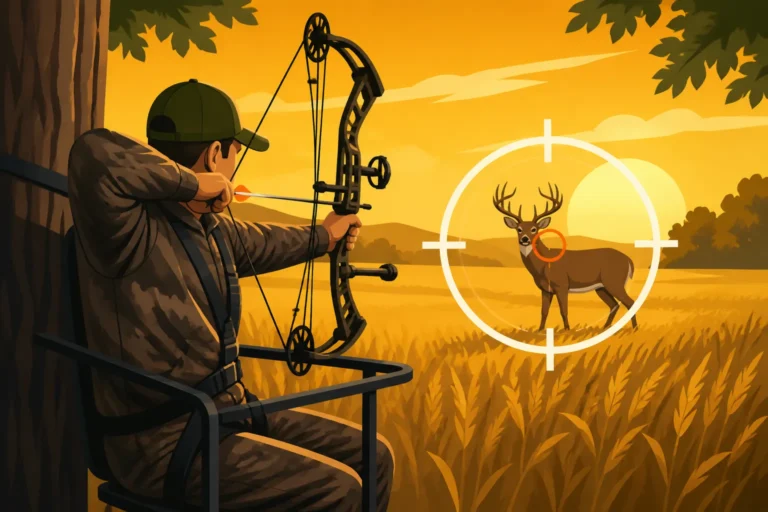
The Kansas archery season kicks off in September, often bringing with it the challenge of warm weather but also some fantastic opportunities for antlerless deer. During this early period, deer are still in their summer patterns, typically focusing on abundant food sources like standing soybeans, alfalfa fields, and lush native forages. While many archers are holding out for a velvet buck, this is a prime time to target does, particularly those without fawns, or young, independent does. The deer are generally less pressured, and their routines can be more predictable, often moving from bedding areas to food sources early in the morning and late in the evening. It’s a great way to shake off the off-season rust and stock up on some early venison before the chaos of the rut begins.
Warm September days mean that proper game care is paramount. You'll need a quick recovery and efficient field dressing to preserve the meat quality, a topic we'll dive into later. Bowhunting during this time allows for stealthy approaches, especially if you're targeting small pockets of timber or CRP (Conservation Reserve Program) grass that does frequent. Using platforms like GoHunt can be incredibly helpful for e-scouting these early season food plots and identifying potential travel corridors that antlerless deer might use. Look for areas with diverse forage options, as deer tend to browse on a variety of plants during this time, not just focus on one specific crop.
Muzzleloader and Regular Firearm Seasons
Following the early archery season, muzzleloader season offers another dedicated window, usually in September, giving hunters a chance to pursue deer with a different weapon before the general firearm season. This can be a fantastic time for antlerless hunting, especially if you're not specifically looking for a trophy buck. Muzzleloaders are a powerful and effective tool, and the slower loading time often encourages a more deliberate, patient approach to hunting. By this point, some agricultural crops might be harvested, forcing deer to concentrate on remaining food sources or transition to hard mast like acorns if available.
The general firearm season, typically in early December, is when many hunters head afield in Kansas, and it presents a significant opportunity for antlerless deer. While some hunters will be chasing the last vestiges of the rut or looking for a big post-rut buck, the abundance of antlerless tags often allows for a more relaxed and strategic approach. Weather can be a major factor during the December firearm season, with cold fronts often pushing deer to feed heavily. This makes hunting over late-season food sources particularly effective. Concentrating on freshly cut corn or milo fields, or standing beans that haven't been harvested yet, can be highly productive.
Extended Antlerless Seasons: A Late-Season Bonus
Perhaps one of the most underutilized opportunities for filling your freezer in Kansas comes with the extended antlerless seasons. These specialized seasons, often running through late December and into January in specific units, are explicitly designed to help manage the deer population by encouraging the harvest of more does. For many units, this means additional days of hunting beyond the regular firearm season, providing a chance to extend your time in the woods when most other deer seasons have closed. This is particularly valuable for hunters who might have missed opportunities earlier in the year or simply want more venison.
These late-season hunts can be challenging, as deer have faced significant pressure for months. However, they also present unique advantages. Deer are often highly patterned around reliable food sources as winter sets in. Fields of standing corn, winter wheat, or brassicas become magnets for deer trying to pack on calories. Understanding specific Kansas Extended Antlerless Seasons by Unit is crucial, as availability and dates can vary. It’s a grind, no doubt, but the reward of a full freezer when other hunters have long since hung up their gear is hard to beat. This is also a fantastic time to participate in Kansas Antlerless Hunts and Filling the Freezer.
Why Hunt Antlerless Deer? Beyond Just a Tag
Hunting antlerless deer might not get the same glamour as chasing a Boone & Crockett buck, but it's an incredibly important, ethical, and often more rewarding pursuit. For many of us, hunting isn't solely about antlers; it's about connecting with nature, providing for our families, and contributing to the health of the deer herd. Targeting does and fawns directly addresses these core values, offering a tangible return on your hunting efforts.
Herd Management and Ethical Responsibility
One of the most compelling reasons to hunt antlerless deer is for sound herd management. In many areas of Kansas, deer populations can grow unchecked without adequate harvest, leading to overbrowsing of habitat, increased agricultural damage, and a higher risk of disease transmission. By removing does, particularly older does, hunters help balance the buck-to-doe ratio and reduce overall herd numbers, allowing the remaining deer better access to food and resources. This translates to healthier deer, better fawn survival, and ultimately, the potential for bigger, healthier bucks in the future. It’s a vital role that hunters play as conservationists.
Taking an antlerless deer can also be a more ethical choice in certain situations. For instance, if you're hunting private land where landowners are dealing with crop damage, or if you're on public land where the population is clearly high, taking a doe directly addresses these issues. It's about being a responsible steward of the land and its wildlife, ensuring that the resource remains healthy for future generations. This isn't just about pulling a trigger; it's about understanding the ecosystem and making informed decisions that benefit the entire deer population and the habitat they rely on.
Filling the Freezer with Quality Protein
Let’s be honest, one of the primary drivers for many of us to hunt is the incredible table fare that venison provides. An antlerless deer is often the ideal choice for filling the freezer. Does and younger deer, especially fawns, typically offer incredibly tender, mild-flavored meat that is lean and nutritious. Unlike mature bucks, whose meat can sometimes be gamier, especially during the rut, a doe harvested outside of the breeding season yields some of the finest wild protein available. This makes antlerless hunts perfect for ensuring your family has a healthy, sustainable food source for the year.
The practicality of focusing on meat cannot be overstated. When you’re hunting for the freezer, the pressure of a trophy hunt is lifted. You can focus purely on executing a clean, ethical shot and ensuring quick recovery and proper game care. This allows for a more enjoyable and less stressful hunting experience. The goal is clear: put wholesome, organic meat on the dinner table. And with the generous number of Kansas Antlerless Deer Permits available, it’s a readily achievable goal for many hunters throughout the season.
Honing Your Hunting Skills and Confidence
Hunting antlerless deer provides an excellent opportunity to refine your hunting skills without the immense pressure often associated with chasing a record-book buck. Every aspect of the hunt, from scouting and reading deer sign to stalking and shot placement, is equally applicable whether you're after a doe or a buck. By regularly hunting antlerless deer, you gain valuable experience in the field, learn deer behavior, and develop a deeper understanding of their movements and habitat preferences.
This practice translates directly to becoming a more effective and confident hunter overall. Think of it as a crucial training ground. You can experiment with different tactics, perfect your calling sequences, or try out new stand locations. For newer hunters, taking an antlerless deer first can build confidence and provide a successful foundation before tackling the added challenges of antlered deer. It also reinforces the fundamental principles of ethical hunting, ensuring that every shot taken is precise and humane, which is a skill that serves you well throughout your hunting career.
Choosing Your Antlerless Permit: Types and Availability
Navigating the various permit options can sometimes feel like solving a puzzle, but for antlerless deer in Kansas, it’s often more straightforward than for bucks. Understanding the types of permits available and how to acquire them is essential for planning your hunt effectively and ensuring you have the legal means to pursue these valuable animals. Kansas offers several pathways to obtaining an antlerless tag, catering to different hunting styles and seasons.
Antlerless-Only Permits: The Dedicated Doe Tag
The most direct route to hunting antlerless deer is through specific "Antlerless-Only" permits. These tags are precisely what they sound like: they allow you to harvest only an antlerless deer (a female deer, or a fawn of either sex). These permits are generally sold over-the-counter and are unit-specific, meaning you'll need to purchase one for the deer management unit you plan to hunt. The cost for these tags is typically lower than an either-sex or either-species permit, making them a very affordable option for filling the freezer.
The availability of Antlerless-Only permits can vary by unit and year, depending on population goals set by the Kansas Department of Wildlife, Parks and Tourism (KDWP). Some units, particularly those with higher deer densities or areas experiencing significant agricultural damage, will have more tags available. It's always a good idea to check the current year's regulations and availability through the KDWP website or your Go Outdoors Kansas portal. You can usually purchase these tags right up until the end of the season, which offers excellent flexibility for late-season hunts or if you decide last minute that you need more venison. Understanding the Kansas Antlerless-Only Permit Cost is a smart move before you apply.
"Either-Sex" vs. "Either-Species" Permits with Antlerless Options
Many hunters draw a "Whitetail Either-Sex" permit through the Kansas deer draw, especially non-residents. This permit allows you to harvest one antlered whitetail or one antlerless whitetail. While the temptation is always there to hold out for a buck, using your either-sex tag on an antlerless deer can be a very smart strategic move, especially if you prioritize meat over antlers for a particular hunt. If you fill your buck tag early, or if conditions aren't right for trophy hunting, an either-sex tag can easily convert into a delicious freezer filler.
Similarly, "Either-Species" permits, often drawn by non-residents who also obtain a Mule Deer Stamp, allow for the harvest of either a whitetail or a mule deer, and can be either sex. Again, while the dream is often a mule deer buck, these tags can be used for an antlerless deer of either species. It’s important to remember that once you harvest an antlerless deer with an either-sex or either-species permit, that permit is fulfilled, just as if you had taken a buck. This flexibility allows you to adapt your hunting strategy to current conditions, herd goals, and your personal hunting objectives.
Availability and Application Considerations
For most Kansas residents, Antlerless-Only permits are readily available over-the-counter without going through a draw. Non-residents, however, typically purchase an antlerless permit as an additional tag if they've successfully drawn an either-sex whitetail permit. While the initial non-resident deer draw is competitive, securing an antlerless tag afterward is usually much simpler. The KDWP aims to provide enough antlerless opportunities to help manage the herd effectively.
Always consult the official Kansas hunting regulations each year, as season dates, unit boundaries, and permit availability can change. Some units might have higher quotas or different regulations based on local deer populations and management goals. Using tools like the KDWP’s online hunting atlas or third-party apps like GoHunt can provide up-to-date information on permit sales and unit-specific rules, helping you make informed decisions about where and when to hunt for antlerless deer. Pay close attention to application deadlines if you're a non-resident applying for primary tags, but for over-the-counter antlerless tags, you generally have more leeway.
| Permit Type | Species | Sex | Availability (General) | Cost (Approx. Non-Res.) | Primary Use |
|---|---|---|---|---|---|
| Antlerless-Only | Whitetail | Antlerless | Over-the-counter | $115-$150 | Purely for meat harvest, herd management |
| Whitetail Either-Sex | Whitetail | Either-Sex | Draw (Resident/Non-Res) | Included in permit fee | Flexibility to harvest buck or doe |
| Either-Species (w/ Mule Deer Stamp) | Whitetail/Mule Deer | Either-Sex | Draw (Non-Res) | Included in permit fee | Flexibility for either species/sex |
Note: Permit costs are estimates and subject to change. Always check current KDWP regulations for exact pricing and availability.
Finding the Right Spots for Antlerless Success
Successfully hunting antlerless deer hinges on understanding their daily routines and preferred habitats. While bucks can be elusive, especially during the rut, does and fawns are generally more predictable, often moving in groups and sticking to specific areas for food, water, and cover. Kansas, with its diverse landscape of agricultural fields, river bottoms, and CRP grasslands, offers a myriad of opportunities if you know where to look.
Crop Fields and Ag Edges: The Food Connection
Kansas is prime agricultural country, and deer, especially does, are heavily reliant on these bountiful food sources. Standing corn, soybeans, alfalfa, and winter wheat fields are absolute magnets for antlerless deer throughout the seasons. During the early archery season, does will often feed in the edges of soybean fields or browse on young alfalfa. As fall progresses, unharvested corn and milo become critical, providing both food and dense cover. Even after harvest, the waste grain left in cut fields will draw deer in, especially during colder periods when they need high-calorie sustenance.
Focus your scouting efforts on the transition zones where these crop fields meet timber, brushy draws, or CRP. Deer will often stage in these edges before entering fields to feed, and they'll use them as safe travel corridors. Look for fresh tracks, droppings, and browse lines along these perimeters. Identifying specific points, inside corners, or funnels within these agricultural landscapes can pinpoint high-traffic areas. Remember to consider the wind direction, as deer will almost always approach food from downwind or crosswind to catch any potential danger. GoHunt's detailed aerial imagery is fantastic for dissecting these agricultural interfaces and spotting subtle terrain features that might concentrate deer.
Thick Cover and Bedding Areas
While food sources draw deer in to feed, dense cover is where antlerless deer spend a significant portion of their day, particularly during daylight hours. This can include thick stands of timber, dense plum thickets, cedar groves, and especially tall, sprawling CRP grass. Does, particularly those with fawns, will seek out secure bedding areas that offer concealment and protection from predators. These spots might not be as obvious as a food plot, but finding them is key to intercepting deer during their movement phases.
When scouting for bedding cover, look for areas with minimal human disturbance. In flat country, this might be a large block of undisturbed CRP, a dense shelterbelt, or a creek bottom choked with cedars and multiflora rose. Does will often bed on the leeward side of hills or in thickets that offer thermal cover from the wind. These areas are also critical for deer to use as escape cover when pressured. If you're Hunting Kansas Walk-In Land Without Burning It Out, identifying these sanctuaries and avoiding disturbing them is crucial, focusing instead on intercepting deer as they move in or out. Understanding CRP Grass and Where Bucks Bed can also apply to does, as they share similar preferences for security cover.
Water Sources in Dry Periods
Water is often an overlooked factor in deer movement, especially in drier parts of Western Kansas or during prolonged dry spells. While deer can get a lot of moisture from the forage they consume, a reliable water source can become a significant draw. Ponds, creek beds, natural springs, and even cattle watering tanks can concentrate deer activity, particularly during warmer early season hunts or in areas where natural water is scarce.
When scouting, pay attention to the availability of water, especially if your chosen hunting area lacks natural flowing creeks or abundant wetlands. Deer will often visit water sources during midday hours or as they transition between bedding and feeding areas. Setting up a ground blind or a treestand near a secluded water source can be a highly effective tactic, particularly for early season bowhunting over water. Just like with food sources, look for fresh tracks and trails leading to and from these watering holes. Even a small, stagnant pond can be a hotspot if it's the only game in town.
Effective Tactics for Antlerless Deer Hunting
Once you've identified potential hunting spots, the next step is to employ effective tactics to bring home an antlerless deer. While some strategies overlap with buck hunting, focusing on does allows for certain approaches that might be less effective or even counterproductive when specifically targeting mature bucks. The key is to be adaptable, patient, and understand the general behavior of does and fawns.
Still-Hunting and Spot-and-Stalk Approaches
Still-hunting involves moving slowly and deliberately through the woods, pausing frequently to observe, listen, and scan your surroundings. This can be incredibly effective for antlerless deer, especially in larger timber blocks or along the edges of dense cover where deer might be bedded or slowly browsing. The goal is not to push deer, but to subtly move through their habitat, hoping to catch them unaware. Pay close attention to wind direction, making sure it's in your favor, and move with extreme caution, mimicking the natural movement of animals.
Spot-and-stalk is another dynamic tactic that works wonderfully in the more open country of Kansas, particularly in fields with taller crops or undulating terrain. This involves using optics to locate deer from a distance, then carefully planning a stalk to get within shooting range. This requires patience, an understanding of the terrain, and the ability to use every bit of cover to your advantage. For instance, if you're hunting Milo and Corn Stubble Deer Patterns, you can often spot groups of does feeding in a cut field and then use a ditch, a fenceline, or even standing stubble to close the distance. This is an active and engaging way to hunt, and it can be especially successful on less pressured public land or large private tracts.
Stand Hunting Over Food Sources
Stand hunting remains one of the most popular and effective tactics for all deer, and it’s particularly potent for antlerless deer. Setting up a treestand or ground blind overlooking a primary food source or a well-used travel corridor connecting food and cover is a tried-and-true method. Does are highly patterned around reliable food, especially during the early season and the late season when specific crops are abundant. Think about setting up on the inside corner of a crop field or along a timber edge that borders an alfalfa field.
The key to successful stand hunting is proper placement, considering wind, access, and concealment. You want your stand to be accessible without disturbing the deer you intend to hunt, and it needs to offer a clear shot at the anticipated travel route or feeding area. For those hunting in open country with limited trees, utilizing a ground blind brushed in effectively can be a game-changer. Remember, patience is your best friend when stand hunting. Arrive early, stay late, and be prepared for deer to show up at any time during legal shooting hours.
Small-Scale Drives for Reluctant Deer
Sometimes, especially during the firearm seasons or when deer have become particularly wary, a small-scale deer drive can be an effective tactic for moving antlerless deer. This is best done with a small group of two to four hunters and is typically employed in smaller timber blocks, dense creek bottoms, or thick shelterbelts. The idea is to have one or two "drivers" slowly and quietly push through the cover, while one or two "standers" are positioned ahead, ready to intercept deer as they try to slip out.
Communication and safety are paramount with deer drives. Everyone involved needs to be aware of each other's positions, wear appropriate hunter orange, and have clear shooting lanes and safe zones of fire. The goal isn't to run deer frantically but to gently nudge them towards the standers. This method can be especially productive when trying to clear out a thick bedding area that does consistently use. It’s a classic tactic for Firearm Season Drives on Small Timber and can yield great results for filling the freezer when other methods aren't producing.
Processing and Preserving Your Harvest
Taking down an antlerless deer is just the first step; the real work, and where you secure that delicious venison for your freezer, begins immediately after. Proper field dressing, cooling, and transport are crucial to ensuring the highest quality meat. Rushing this stage or neglecting key steps can significantly compromise the taste and longevity of your harvest, which is something no one wants after a successful hunt.
Field Dressing for Optimal Meat Quality
The moment your deer is down, the clock starts ticking, especially if temperatures are warm. The primary goal of field dressing is to remove the internal organs quickly to allow the carcass to cool rapidly and prevent bacterial growth and off-flavors. If you're Field Dressing in Warm Kansas Weather, speed is of the essence. Make a precise incision, remove all organs, and if possible, wipe the cavity clean with a damp cloth or even rinse it out with water if you can dry it thoroughly afterward.
Getting the deer elevated or propped open to allow air circulation through the body cavity will further aid cooling. In warmer conditions, you might even consider adding bags of ice into the chest cavity, especially if you have a long way to transport the deer or can't get it to a cooler immediately. This initial step is non-negotiable for preserving the meat quality. Don't be afraid to get a little messy; it's a small price to pay for excellent venison.
Cooling and Transporting Your Deer
Once field dressed, the next critical step is to get the deer cooled down as quickly and thoroughly as possible. If ambient temperatures are above freezing, you need a plan. Ideally, hang the deer in a shaded, well-ventilated area, allowing air to circulate around the entire carcass. If you're on public land or without a suitable hanging spot, quartering the deer in the field can be the best option. Break the deer down into its primal cuts – hams, shoulders, backstraps, tenderloins – and place them in clean game bags inside a large cooler packed with ice. This allows for much faster cooling than an intact carcass.
Transporting the deer efficiently also plays a role. Dragging a whole deer long distances, especially over rough terrain, can heat up the meat and introduce dirt and debris. Consider using Deer Carts on Walk-In Ground to minimize this. If you quartered the deer, backpacks or specialized game bags make transport much easier and keep the meat cleaner. When transporting in a vehicle, never lay the deer directly on a hot truck bed or in direct sunlight for an extended period. Keep it cool and ventilated, or keep those quartered sections on ice.
Butchering Basics for the Home Processor
Many hunters prefer to process their own deer at home, which gives them complete control over the cuts and saves a significant amount of money. Processing Your Own Deer at Home is a rewarding skill to learn. Once the deer is properly cooled (ideally for 2-7 days at around 35-40°F if possible, depending on temperature and cleanliness), you're ready to butcher. Start by removing the hide, then systematically break down the carcass into its major muscle groups.
You'll want a sharp knife, a clean workspace, and plenty of freezer paper, vacuum seal bags, or other packaging materials. Separate the hindquarters, front shoulders, backstraps, and tenderloins. Trim away all fat, fascia, and any blood-shot meat aggressively; deer fat has a waxy, unpleasant taste that can ruin the flavor of the venison. You can then cut steaks, roasts, or chunk meat for grinding into burger or sausage. Don't forget the neck meat and shanks, which are excellent for slow-cooking.
Maximizing Your Freezer: Recipes and Storage Tips
The real payoff for all your hard work in the field and during processing comes when you open your freezer and see it stocked with high-quality venison. But having a freezer full of meat is one thing; knowing how to utilize it effectively and store it properly to maintain its flavor for months is another. Getting creative in the kitchen can elevate your antlerless deer harvest into gourmet meals.
Popular Cuts and Culinary Versatility
Antlerless deer provide a wide array of cuts, each suitable for different culinary applications. The backstraps and tenderloins, often considered the prime cuts, are fantastic for quick searing, grilling, or slicing into medallions. The hindquarters can be broken down into roasts, steaks (like sirloin or round steak), or smaller chunks perfect for stews and chili. The front shoulders, while often tougher, are excellent for slow-cooking, braising, or grinding. Don't overlook the neck meat, which, when slow-cooked, yields incredibly tender, flavorful meat perfect for pulled venison sandwiches or tacos.
The beauty of venison is its lean nature, which means it cooks quickly and benefits from moisture. Think about marinades for steaks, bacon-wrapping for roasts to add fat, or slow-cooking methods to break down tougher cuts. With an antlerless deer, you'll often have a smaller bone structure and less sinew than a mature buck, making for easier processing and more usable meat. From hearty chili and savory stews to elegant steaks and gourmet burgers, your freezer will be a treasure trove of culinary possibilities.
Long-Term Storage Solutions
Proper packaging is paramount for long-term freezer storage. Air is the enemy of frozen meat, leading to freezer burn and degraded quality. Vacuum sealing is arguably the best method, as it removes all air and creates a tight seal, extending the life of your venison for a year or even longer without loss of quality. If you don't have a vacuum sealer, heavy-duty freezer paper or double-wrapped freezer bags can work, though the shelf life might be slightly shorter.
When packaging, label everything clearly with the cut (e.g., "Venison Steak," "Ground Venison"), the date it was processed, and the weight or number of servings. This helps you rotate your stock and easily identify what you have. Organize your freezer so that older items are at the front, encouraging a "first-in, first-out" system. A well-organized, properly packed freezer ensures that every piece of venison you pull out, months down the line, will taste as fresh and delicious as the day you harvested it.
Creative Ways to Use Every Part
Beyond the prime cuts, there are many creative ways to utilize the lesser-known parts of an antlerless deer. The bones, for instance, can be roasted and then simmered for hours to create a rich, flavorful venison stock – an excellent base for soups, stews, and gravies. This stock adds a depth of flavor that store-bought broth simply can't match.
Even the scraps and trim pieces, free of fat and gristle, are perfect for grinding into ground venison. You can mix it with a little beef, pork, or bacon fat to add moisture for burgers or meatballs. Don't forget organ meats like the heart and liver, which are highly nutritious and can be delicious when prepared correctly (think sliced and pan-fried heart or venison liver pate). Maximizing your harvest means respecting the animal and ensuring that as little as possible goes to waste. It’s a testament to the sustainable nature of hunting and further enhances the value of your efforts.
Common Challenges and How to Overcome Them
Every hunting season throws curveballs, and antlerless deer hunting is no exception. While often less demanding than trophy buck hunting, you'll still encounter common frustrations that can derail your efforts. Being prepared for these challenges and knowing how to adapt can make all the difference between an empty freezer and a well-stocked one.
Warm Weather Woes in Early Seasons
Kansas can be surprisingly warm even into October, making early season hunts for antlerless deer a unique challenge. High temperatures are a major concern for meat spoilage. As discussed earlier, rapid field dressing is critical, but beyond that, you need a solid plan for getting the deer cooled down. This might mean only hunting mornings or evenings, having a cooler full of ice readily available in your vehicle, or being prepared to quarter the deer immediately.
To mitigate heat, consider September Bow Season Heat Strategy. This could involve hunting near water sources where deer might frequent for a drink to cool down, or focusing on heavily shaded bedding areas during midday hours. If you're successful on a particularly hot day, don't hesitate to take the deer straight to a locker plant that can professionally process and chill it for you. Investing in high-quality game bags that allow for airflow while keeping flies off can also be a lifesaver for quartered meat in the field.
Hunting Pressure on Public Lands
Public hunting lands in Kansas, especially the popular Walk-In Hunting Access (WIHA) tracts and State Wildlife Areas, can see significant pressure, particularly during the firearm seasons. Does, while often more tolerant of human presence than mature bucks, will still alter their patterns to avoid heavy pressure. They'll become more nocturnal, move into thicker cover, or completely abandon heavily disturbed areas. This can be a major frustration when you've done your scouting and found promising sign.
To overcome this, flexibility and strategic thinking are key. Try hunting weekdays instead of weekends if your schedule allows, as pressure often drops considerably. Focus on smaller, overlooked pockets of public land that other hunters might pass up. Often, the thickest, nastiest cover that’s hard to access is precisely where pressured does will seek refuge. Understanding Hunting Pressure Patterns on Kansas Public Land and adjusting your entry and exit routes to avoid bumping deer is also paramount. Use mapping apps like GoHunt to identify overlooked corners or areas with natural barriers that deter other hunters. Sometimes, walking an extra mile into dense cover can lead to untouched deer.
Dealing with Processing Logistics
For hunters who choose to process their own deer, the sheer volume of work can be daunting, especially after a successful hunt. The physical labor, the need for a clean, cool workspace, and the time commitment can sometimes feel overwhelming. It’s a common frustration to have a deer down but then dread the hours of butchering ahead.
To make processing less of a chore, plan ahead. Make sure you have all your supplies – sharp knives, cutting boards, packaging materials – ready before the season starts. Enlist friends or family to help; it makes the work go faster and is a great way to bond. If you don't have a cool space, consider doing the rough breakdown into primal cuts quickly, then chilling them in coolers with ice before bringing them inside for more detailed butchering. Don't be afraid to take breaks. Remember, a portion of your harvest can always go to a professional locker plant if you get overwhelmed. The goal is to enjoy the process and the delicious end result, not to feel completely burned out.
Disclaimer
The information provided in this guide is for general informational and educational purposes only. Hunting regulations, season dates, and permit availability in Kansas are subject to change. Always consult the official Kansas Department of Wildlife, Parks and Tourism (KDWP) regulations and local ordinances before engaging in any hunting activities. It is the hunter's responsibility to know and comply with all applicable laws and regulations. The author and publisher are not responsible for any errors or omissions, or for any adverse effects that may result from following the information presented herein.