Blood Trailing in CRP and Cedars
Kansas whitetail tracking strategies explain how to follow deer blood trails through dense CRP grasslands and cedar thickets.
Close the distance.
Archery, muzzleloader, and firearm techniques — calling, stand placement, still-hunting, spot-and-stalk, and the weapon rules that change at the state line.
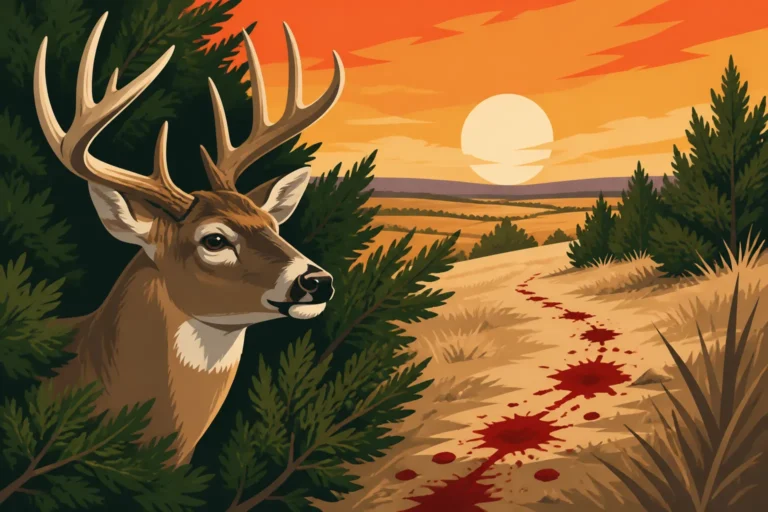
Kansas whitetail tracking strategies explain how to follow deer blood trails through dense CRP grasslands and cedar thickets.
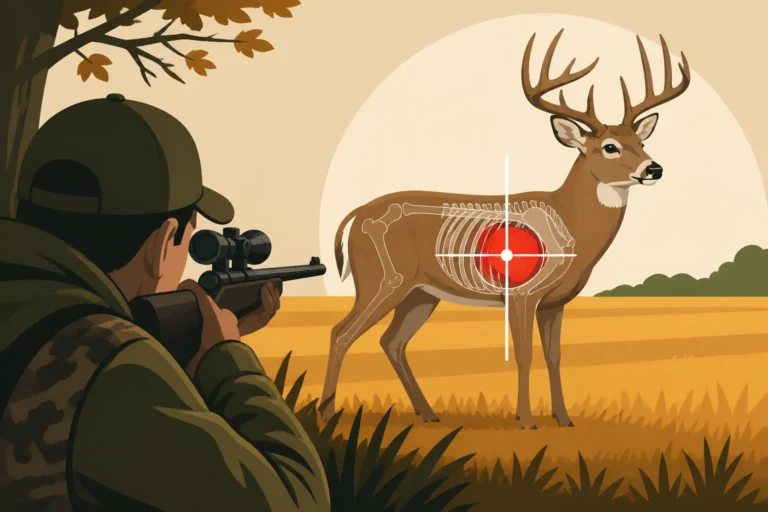
Precise shot placement on a whitetail deer at twenty yards targets the heart and lungs directly behind the shoulder blade.
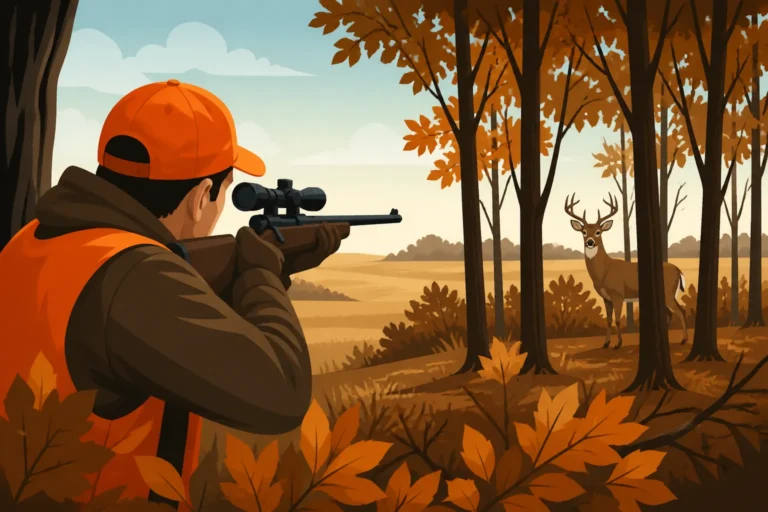
Kansas deer drives on small timber blocks explain how hunters push whitetails out of hiding spots during firearm season.
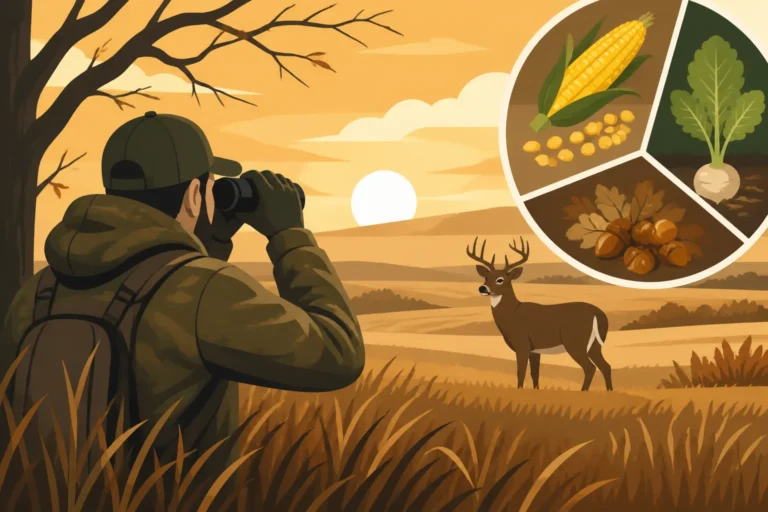
Late-season Kansas deer hunting strategies focus on locating high-calorie food sources to find surviving animals during winter.
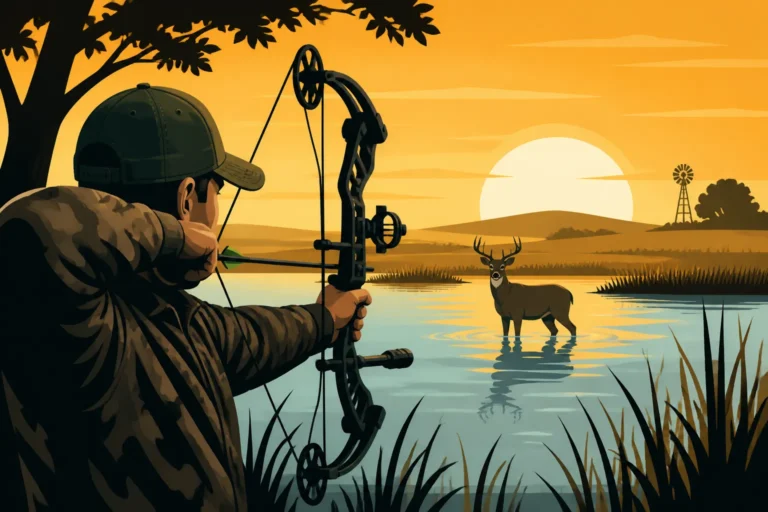
Early-season bowhunting over water sources in Kansas explains how hot September temperatures affect whitetail deer movement.
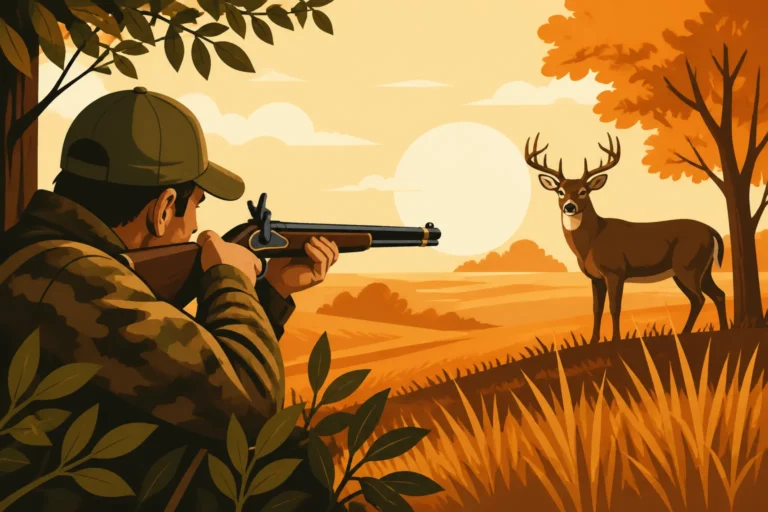
Kansas muzzleloader deer tactics for warm September weather explain how to hunt mature whitetails during early season heat.
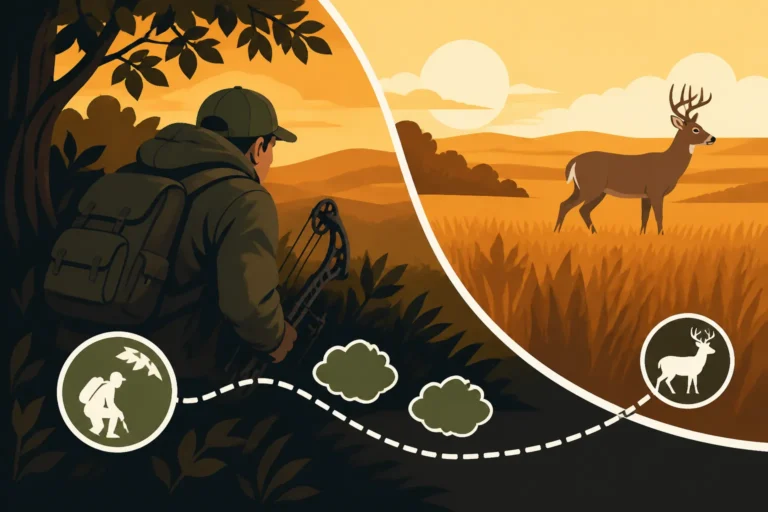
Stealthy access routes for Kansas whitetail hunting prevent deer disturbance and maximize success during the season.
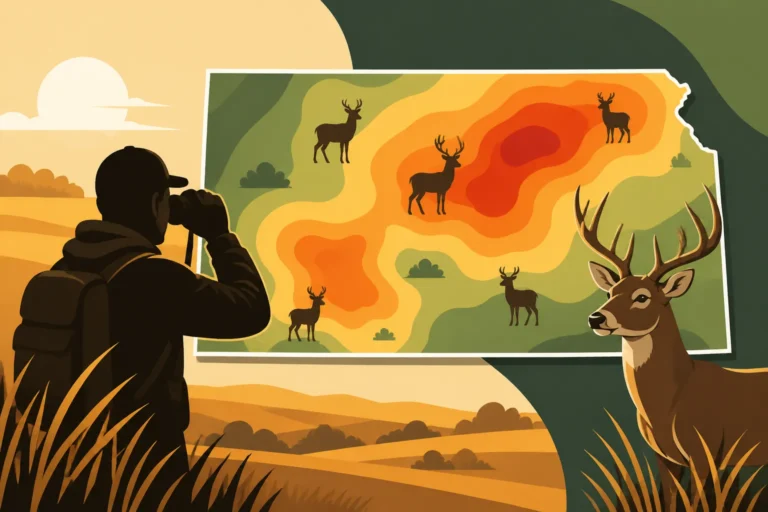
Kansas public land hunting pressure patterns, including WIHA tracts, State Wildlife Areas, and Corps of Engineers lands.
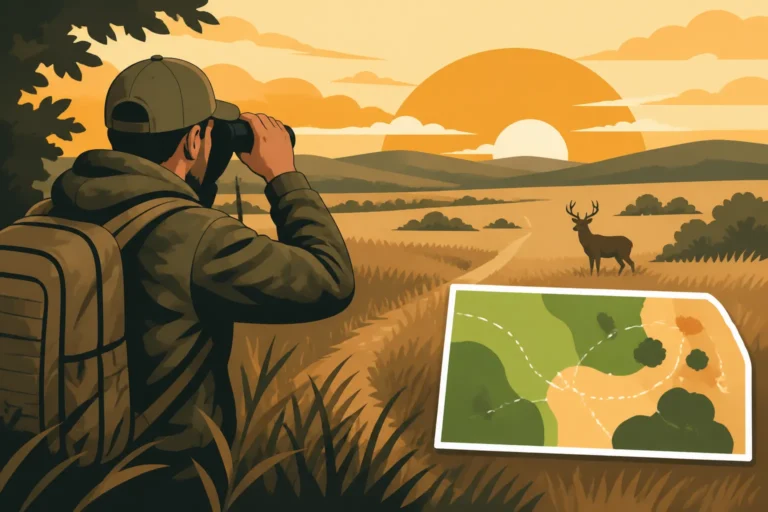
Kansas Walk-In Hunting Access tracts require pre-season scouting to locate deer and avoid hunting pressure on opening day.
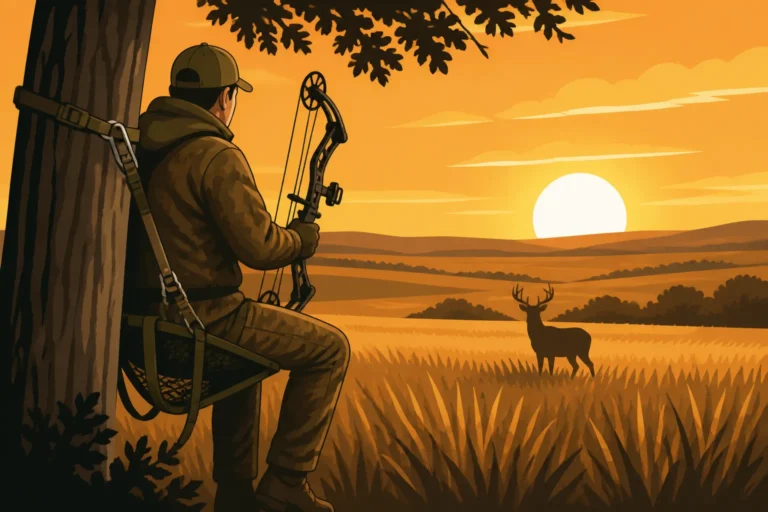
Mobile hunting with a saddle in Kansas helps bowhunters adapt to changing deer behavior across river bottoms and public land.