Wind and Thermals on a River Bank
Kansas river bottom winds and thermals create complex air currents that affect deer movement and hunter scent control during bowhunting.
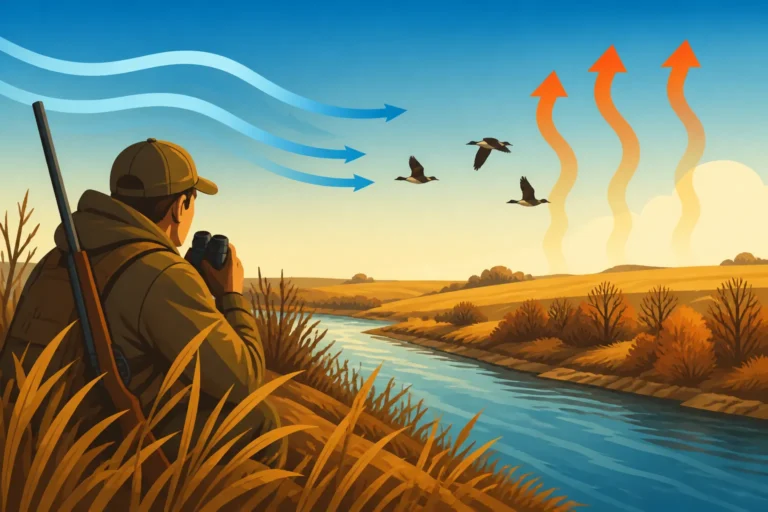
Kansas river bottom winds and thermals create complex air currents that affect deer movement and hunter scent control during bowhunting.
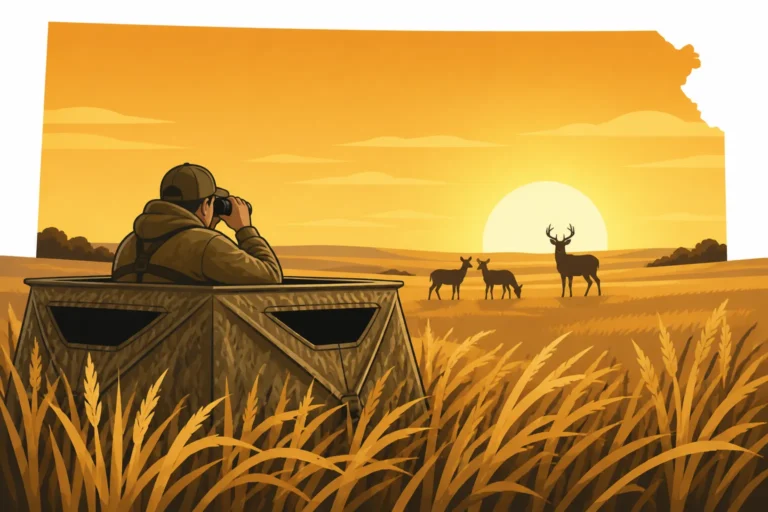
Ground blinds provide portable concealment for hunting whitetails, turkeys, coyotes, and waterfowl across open Kansas landscapes.
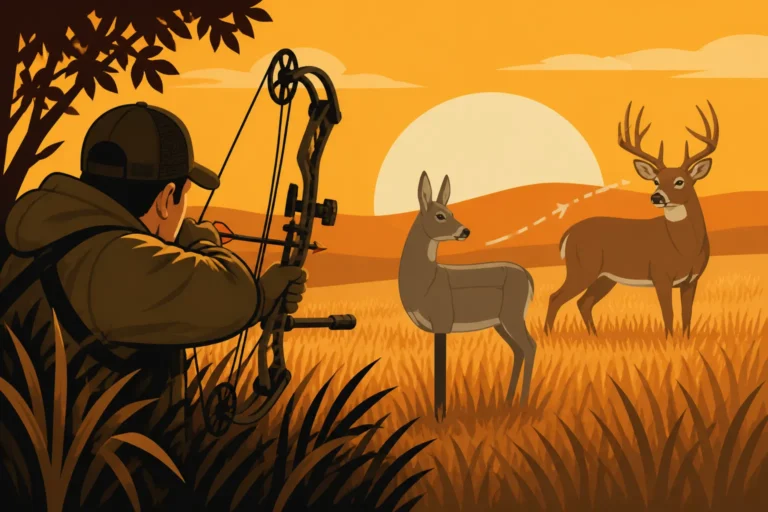
Kansas whitetail buck decoying techniques explain whitetail responses, decoy types, and wind strategies to secure close shots.
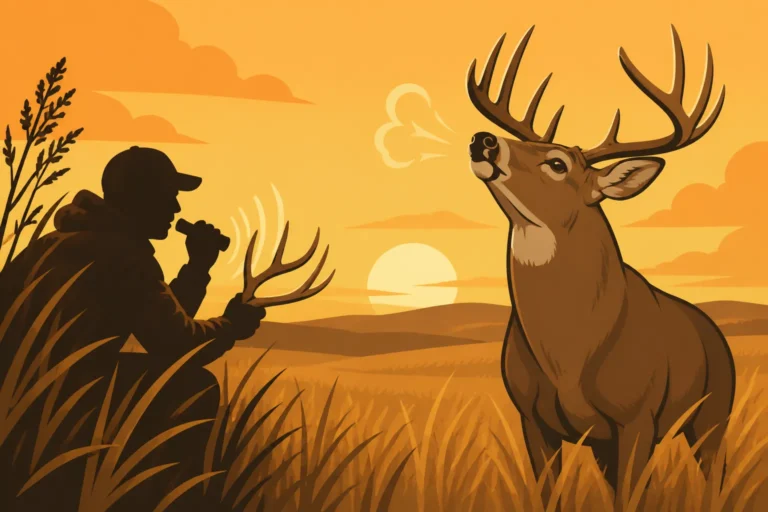
Kansas whitetail rattling and grunting techniques help hunters bring bucks within range during late October and early November rut phases.
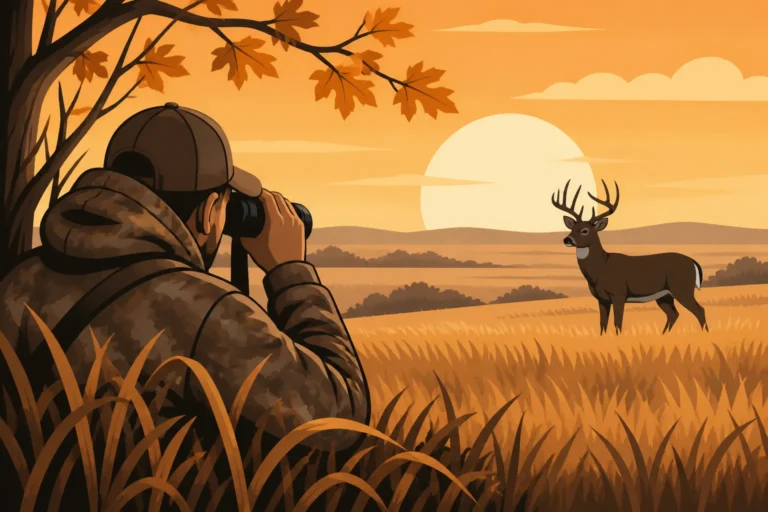
Kansas late October pre-rut deer behavior shifts explain how hunters can target trophy whitetails using rubs and scrapes.
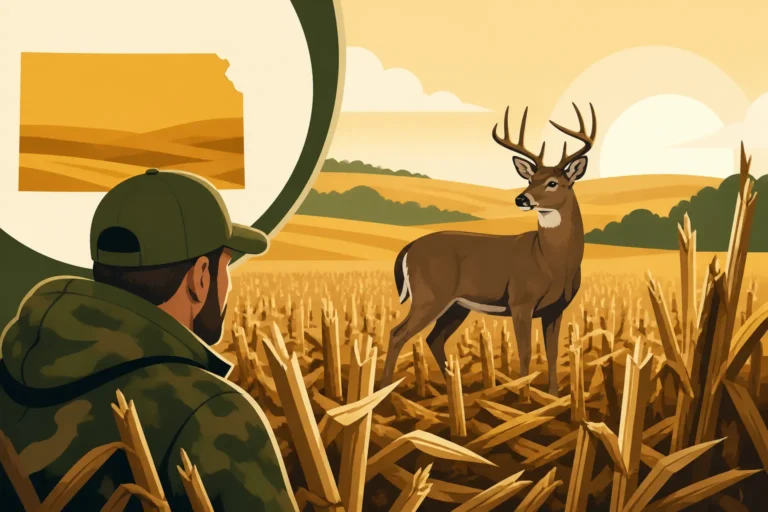
Kansas whitetail deer movement patterns shift after milo and corn harvest, revealing how deer use residual stubble grain.
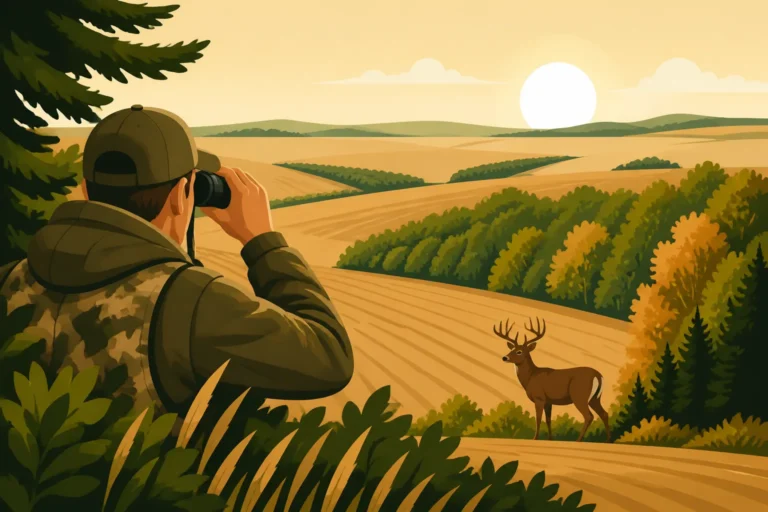
Kansas shelterbelts and timber points provide deer cover and travel routes in open farm country, offering hunters effective ambush strategies.
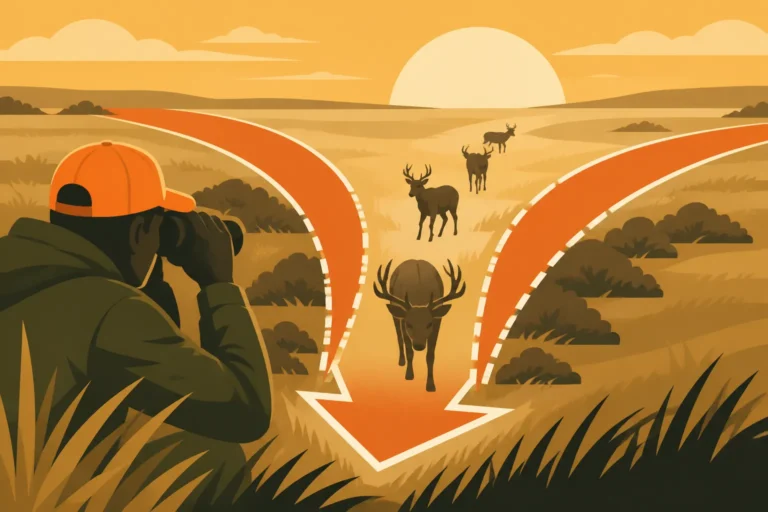
Subtle terrain funnels in flat Kansas farmland direct whitetail buck movement, offering hunters predictable travel corridors to intercept deer.
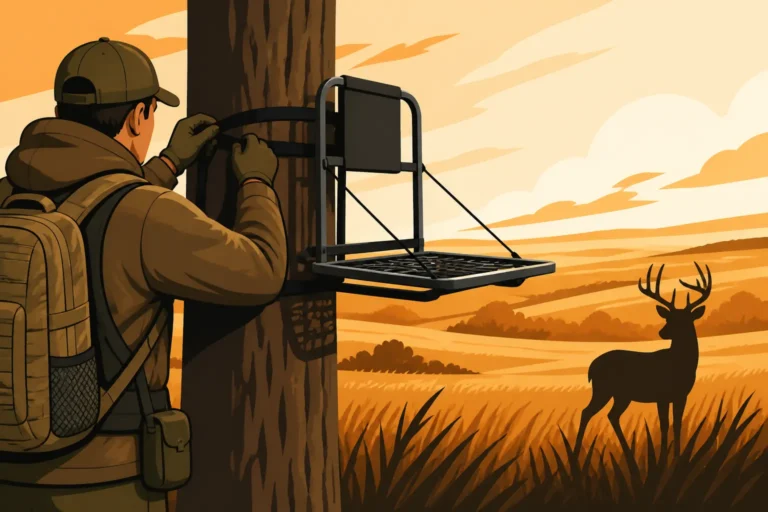
Kansas public land hunting regulations, treestand security strategies, and methods to prevent theft and equipment confiscation.
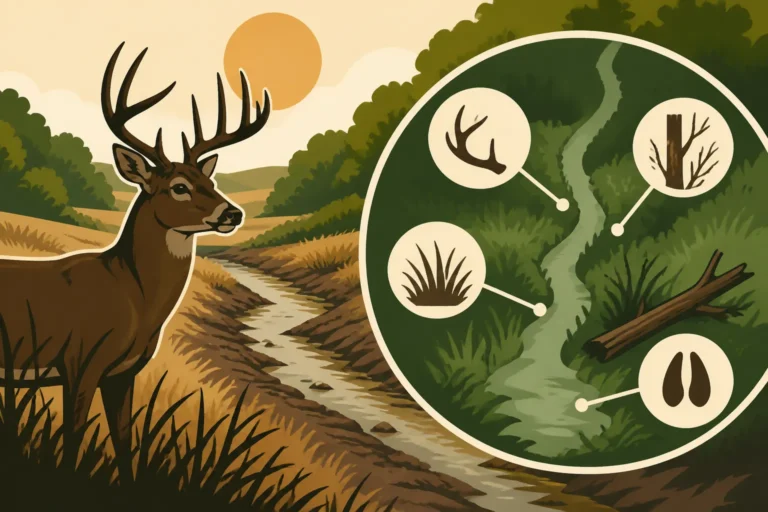
Kansas creek bottoms offer whitetails cover, water, and food, explaining how to find hidden signs across flat terrain.