Small Timber Drives With Two Hunters
Two hunters can successfully drive deer from small Kansas timber pockets by dividing roles into driver and stand-watcher.
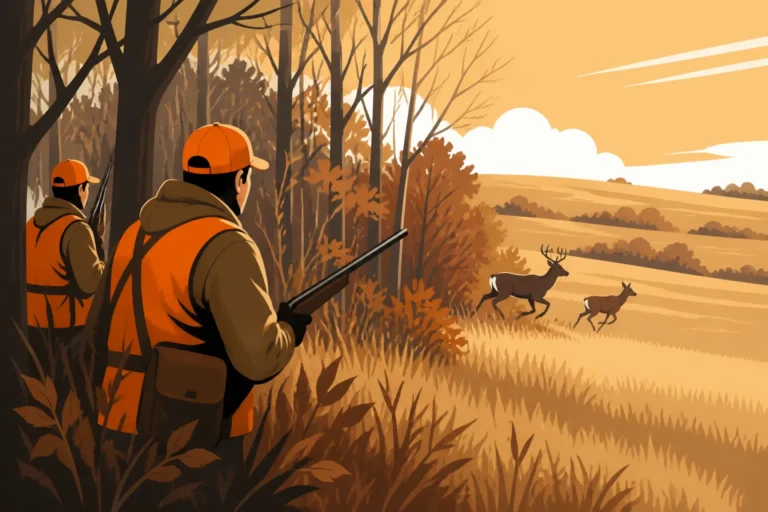
Two hunters can successfully drive deer from small Kansas timber pockets by dividing roles into driver and stand-watcher.
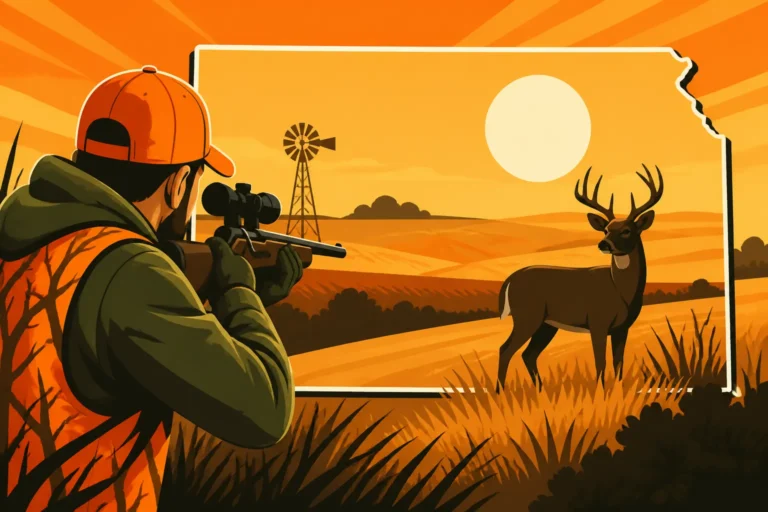
Kansas firearm deer season strategies help hunters navigate opening day pressure, locate wary whitetails, and find secure cover.

December cold fronts in Kansas trigger predictable whitetail deer movement, heavy feeding, and successful late-season hunting.
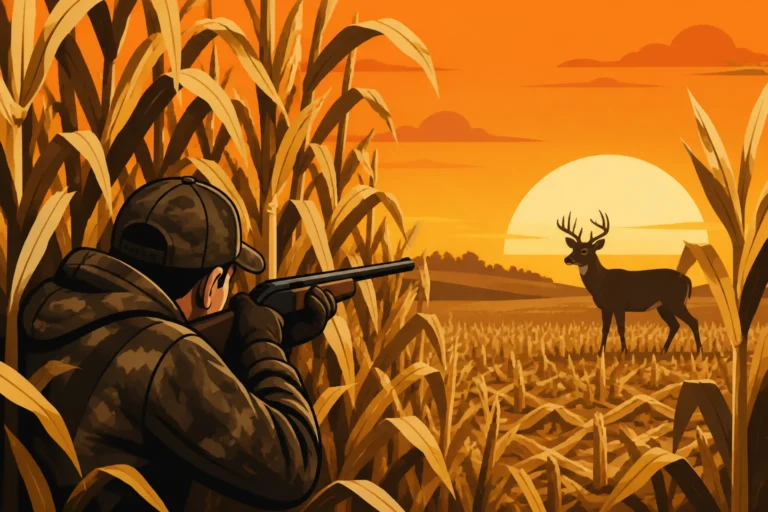
Standing corn in Kansas late-season fields provides whitetail deer with vital food, heavy cover, and winter thermal refuge.
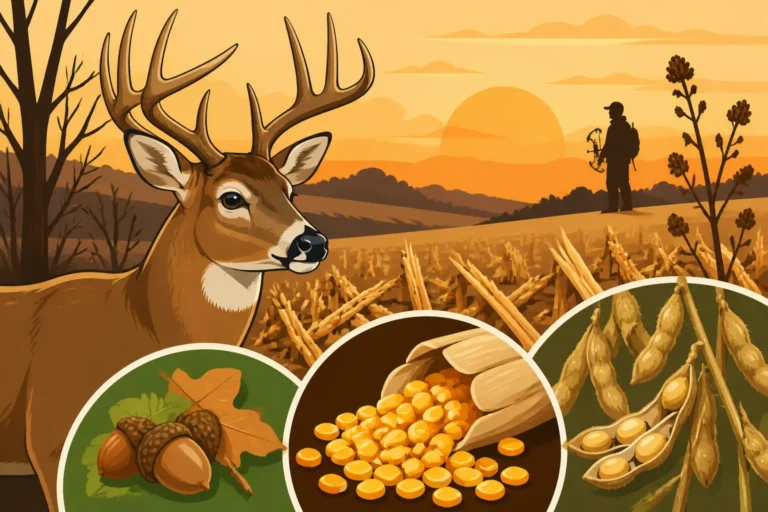
Late-season food sources in Kansas determine where deer and upland birds concentrate during winter weather and hunting pressure.

The Kansas three-day antlerless deer season offers hunters a strategic opportunity to fill freezers using proper permits.
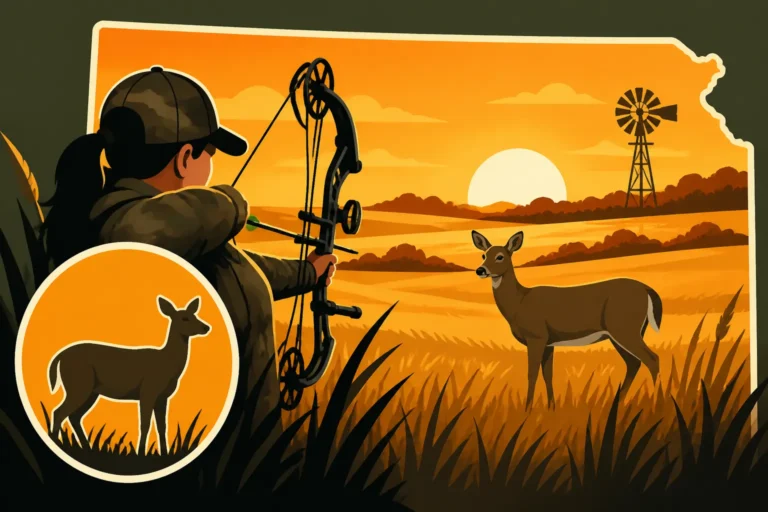
Kansas pre-rut antlerless deer hunting tactics explain how to find family groups using food sources, bedding areas, and predictable travel routes.
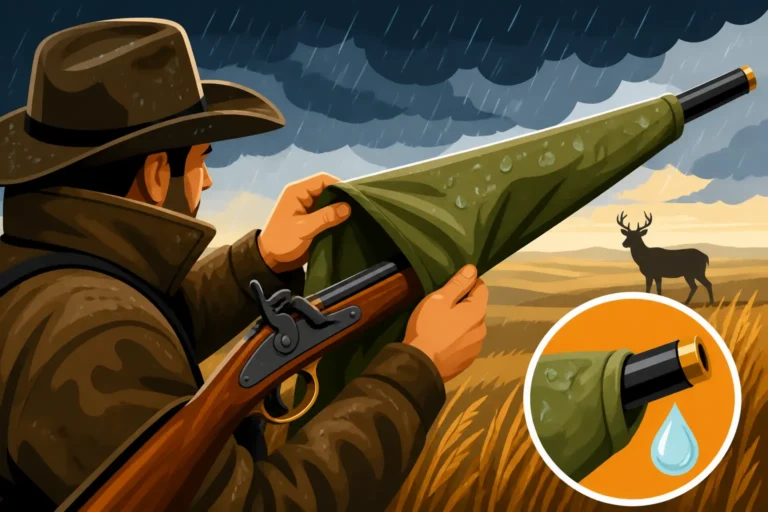
Practical strategies for keeping muzzleloaders dry during rain explain how to prevent misfires and corrosion on Kansas hunts.
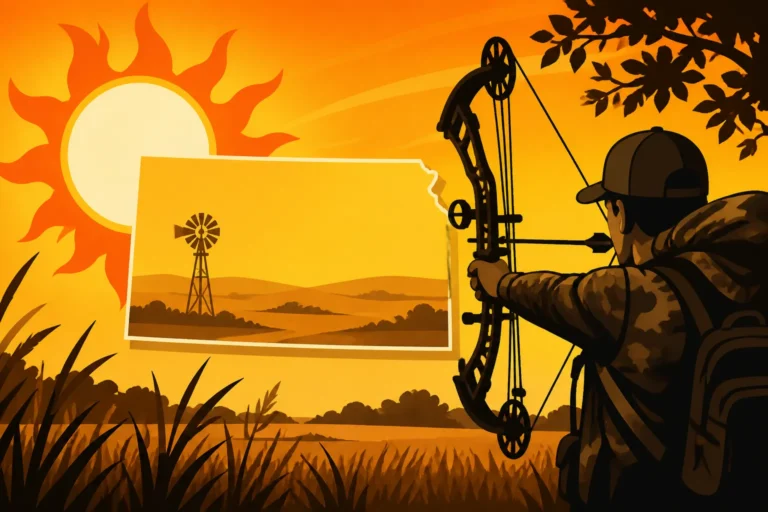
Kansas September bow hunting strategies help hunters handle heat stress, deer behavior changes, and meat spoilage risks.
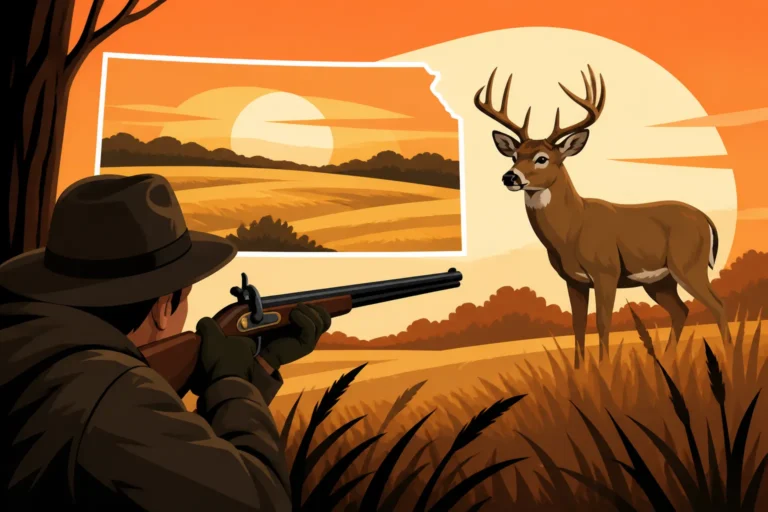
Kansas muzzleloader season deer behaviour involves predictable dawn and dusk patterns, bachelor groups, and heavy September heat.