Kansas Whitetail Body and Antler Size
It's completely understandable to look at all those incredible photos of giant bucks coming out of Kansas and wonder, "Is that really what most of them look like?" The online hunting world can sometimes paint an unrealistic picture, leading to frustration when you hit the timber or crop edges yourself. This guide is here to cut through the hype and give you a realistic, deeply informative look at the average and exceptional body and antler sizes of Kansas whitetail deer, exploring what truly makes them the giants they are often portrayed to be, and what factors contribute to their impressive growth.
The Foundation of Kansas Whitetail Growth: Environment and Genetics
Kansas isn't just flat farmland; it's a dynamic ecosystem that, under the right conditions, is an absolute powerhouse for growing big deer. The combination of its rich agricultural heritage, diverse habitats, and carefully managed genetics sets the stage for the remarkable whitetails hunters pursue each season. It’s not just luck; it’s a symphony of factors working together.
Nutrient-Rich Agricultural Landscape
One of the biggest unsung heroes in the story of Kansas whitetails is the sheer abundance of high-quality food. You drive across this state, and what do you see? Miles upon miles of corn, soybeans, milo, and wheat. These aren't just cash crops for farmers; they're an all-you-can-eat buffet for deer, especially during critical growth periods. Think about the protein available in lush alfalfa fields, or the carbohydrates packed into corn after harvest, offering sustained energy through the challenging winter months. This consistent, nutrient-dense diet from fawn-hood right through adulthood is absolutely vital.
Unlike deer in more mountainous or heavily forested regions where natural browse might be less diverse or abundant, Kansas whitetails often have access to a constant supply of easily digestible, energy-rich forage. This incredible food source translates directly into healthier deer, stronger skeletal development, and ultimately, bigger body sizes. It also provides the essential building blocks – minerals, proteins, and fats – that directly fuel the rapid antler growth we all marvel at. This isn't just about survival; it's about optimal nutrition, giving bucks the extra boost they need to reach their full genetic potential.
Genetics and Herd Management
While food is king, you can't overlook the genetic blueprint. Kansas whitetails naturally possess a strong genetic predisposition for larger body sizes and impressive antler growth. Over generations, the herd has evolved in an environment conducive to these traits. Beyond natural selection, the Kansas Department of Wildlife and Parks (KDWP) plays a significant role in managing the herd to maintain a healthy age structure, which directly impacts the number of mature bucks on the landscape. This focus on allowing bucks to reach older age classes means that more deer get the chance to express their full genetic potential for antler growth.
The limited number of nonresident permits and the specific regulations around antlered deer harvest contribute to this management success. By balancing harvest pressure and protecting younger bucks, the KDWP ensures that a good percentage of bucks survive past their yearling and two-and-a-half-year-old phases. This allows them to allocate more energy to antler development rather than just body growth. When you combine these strong genetics with consistent, high-quality nutrition and sound management strategies, you have the recipe for truly outstanding whitetails. It’s a testament to good conservation practices paying off in a big way.
Understanding Whitetail Body Size in Kansas
When we talk about "big" Kansas whitetails, it's not just about the antlers; the body size of these animals is often equally, if not more, impressive. Many hunters accustomed to deer from other regions are genuinely surprised by the sheer mass of a mature Kansas buck. It's a key indicator of the health and robust nature of the herd.
Average Weights and Dimensions
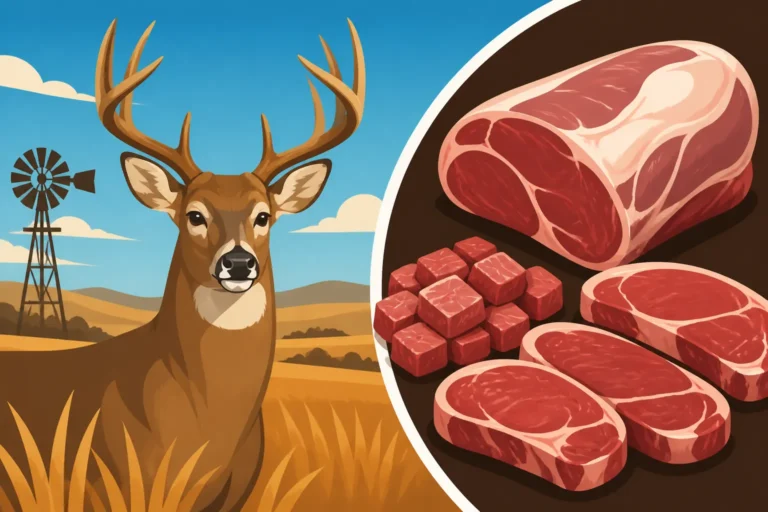
Let's be realistic: not every buck you see in Kansas is going to be a 300-pound monster. However, compared to many other states, the average weight of a mature Kansas whitetail buck is notably higher. For a healthy, mature buck (4.5 years and older), field-dressed weights often range from 180 to 220 pounds, with some truly exceptional individuals pushing over 250 or even 270 pounds. Does also exhibit substantial size, with mature animals commonly weighing 120-150 pounds field-dressed.
These weights translate to significant body dimensions. A large Kansas buck stands tall, often with a deep chest and a thick, muscular neck, especially as the rut approaches. Hunters frequently note how long-legged and barrel-chested these deer appear. This substantial frame is a direct result of the continuous access to nutrient-rich food sources year-round, allowing them to pack on mass efficiently. When you compare this to a deer from, say, the pine forests of the Southeast, the difference in sheer bulk is often striking, making recovery a much more significant undertaking, especially if you're Getting a Deer Out of a River Bottom Alone.
Factors Influencing Body Mass
Several interconnected factors contribute to the impressive body mass of Kansas whitetails. As mentioned, nutrition is paramount. The agricultural crops and fertile soils provide a constant stream of high-energy, high-protein food. This means fawns start strong, yearlings grow rapidly, and mature deer can maintain their weight and even add muscle mass. When you look at the correlation between soil fertility and antler growth, it's clear the underlying health of the land directly supports larger animals.
Age is another critical component. A buck's body continues to grow and put on weight until around 4.5 to 5.5 years of age. If bucks are harvested too young, they never reach their full physical potential. The KDWP's management philosophy, which encourages hunters to pass younger bucks, allows more individuals to reach these older, heavier age classes. Lastly, climate plays a subtle but important role. While Kansas winters can be harsh, deer generally enter them in peak condition due to ample fall food sources. The ability to store significant fat reserves helps them survive cold snaps and emerge in better shape for spring green-up and antler regeneration, further contributing to their overall robust health and size.
| Age Class (Years) | Average Field-Dressed Weight (Lbs) | Antler Points (Average) | Typical Antler Score (Inches) |
|---|---|---|---|
| 1.5 (Yearling) | 120-150 | 4-6 | 80-100 |
| 2.5 | 150-180 | 6-8 | 100-125 |
| 3.5 | 170-200 | 8-10 | 125-145 |
| 4.5+ (Mature) | 180-220+ | 8-10+ | 145-180+ |
Note: These are average ranges and individual deer can vary greatly based on nutrition, genetics, and region.
The Antler Story: Why Kansas Bucks Grow Big Racks
The true allure for many hunters chasing Kansas whitetails often comes down to one thing: the antlers. The state has a well-deserved reputation for producing massive racks, both typical and non-typical, that grace the pages of record books and hunter dreams alike. But what's the secret sauce behind these impressive bone growths?
Age Structure and Antler Potential
The number one factor for a buck to grow truly large antlers is age. It's a simple truth often overlooked in the quest for instant gratification. While a 2.5-year-old buck might have an impressive 8-point rack, he hasn't even begun to hit his prime for antler development. In Kansas, the combination of excellent nutrition and smart herd management means that a significant percentage of bucks are allowed to reach 3.5, 4.5, and even 5.5 years of age. This is the sweet spot where their bodies are fully mature, and they can shunt maximum energy and minerals toward antler growth.
A buck's antlers typically increase in size, mass, and point count year after year until they reach their peak around 5.5 to 7.5 years old. The KDWP's focus on maintaining a healthy Buck Age Structure in Kansas ensures that there are enough older-age-class bucks on the landscape. This patient management allows hunters the opportunity to encounter deer that have reached their full antler potential, rather than a herd primarily composed of younger, still-developing animals. This is a crucial distinction that separates Kansas from many other hunting destinations.
Mineral Intake and Antler Development
Beyond age and genetics, the raw materials for antler growth come from the environment itself. Kansas is blessed with incredibly fertile soils, particularly in its agricultural regions. These soils are rich in calcium, phosphorus, and other trace minerals essential for robust bone development. Deer ingest these minerals directly from the plants they eat, whether it's native browse, forbs, or cultivated crops. When you consider the vast amount of feed available in Kansas Deer Habitat in Crop Country, it's easy to see how bucks get all the necessary building blocks.
During the antler growth phase, which kicks off in spring and continues through late summer, a buck's body is a mineral-processing factory. The richer the soil and the more diverse and nutritious the forage, the more efficiently a buck can build bone. This direct link between Soil Fertility and Antler Growth is a cornerstone of why Kansas produces so many large-racked deer. The nutrients from the ground fuel the crops, the crops feed the deer, and the deer grow impressive headgear – it’s a beautiful, natural cycle. Many hunters use mapping tools like GoHunt to analyze habitat and soil types, helping them identify areas with the potential to produce bigger bucks.
Typical vs. Non-Typical Racks
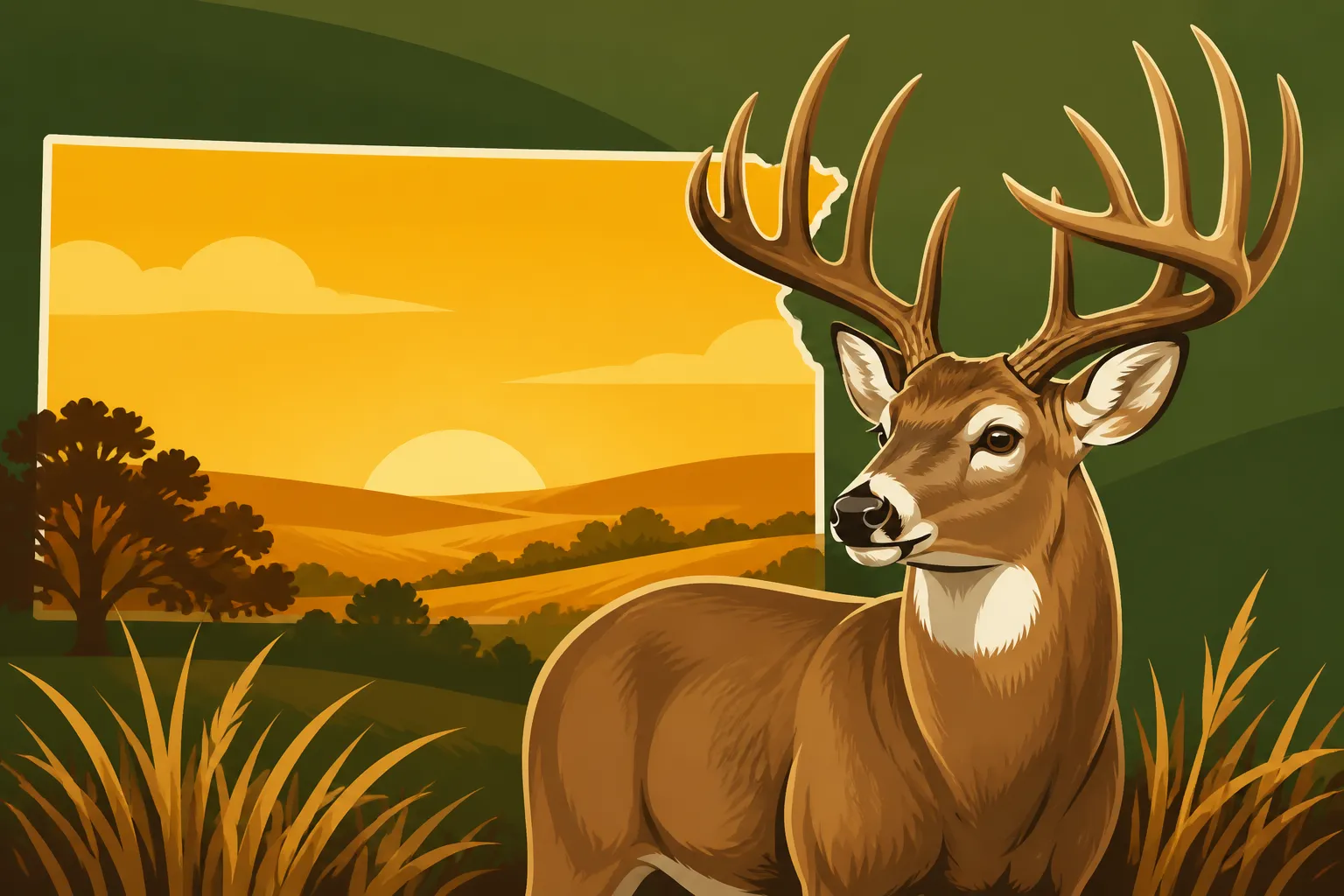
Kansas is renowned for producing both magnificent typical and giant non-typical whitetail racks. A "typical" rack is generally symmetrical, following a traditional point structure where main beams sweep forward and upward, with tines projecting mostly upward from the main beam. These are often scored based on symmetry and length of points. However, sometimes bucks develop unique, irregular antler formations, often called "non-typical" points, such as drop tines, kickers, or points projecting in unusual directions.
Many of the top record-book bucks from Kansas fall into the non-typical category, showcasing incredible antler mass and unique character. This prevalence of impressive non-typicals can be attributed to genetics, but also to the fact that deer in Kansas often live long enough for these unique traits to fully manifest. A buck that survives multiple years has more opportunities to grow these kinds of unique racks, which might start as smaller kickers in earlier years and explode into massive non-typical points as they mature. Whether you're chasing a perfectly symmetrical 10-point or a wild, character-filled non-typical, Kansas offers the opportunity for both.
Regional Variations in Kansas Whitetail Characteristics
While Kansas is broadly known for big deer, it's not a monolithic hunting landscape. Just like anywhere else, there are distinct regional differences that can subtly, or sometimes dramatically, impact the body and antler size you'll encounter. Understanding these nuances can help you fine-tune your expectations and strategies.
Eastern Kansas Timber Bucks
Eastern Kansas, particularly the eastern third of the state, features more timbered river bottoms, creek draws, and rolling hills compared to the vast plains further west. Think of areas along the Missouri River, the Marais des Cygnes, or the Neosho River. In these regions, deer often have more natural cover and a slightly different diet mix, including more native browse and acorns, in addition to agricultural crops. This denser cover can also lead to more limited visibility, making close encounters with mature bucks a real possibility.
While these areas still produce outstanding deer, the average body size might be slightly less massive than their western counterparts due to different nutritional inputs and perhaps higher deer densities in some pockets. However, the quality of antlers remains top-tier. Hunters in eastern Kansas often find themselves engaging in classic timber hunting tactics, focusing on pinch points, funnels, and food sources within or adjacent to heavier woods. When Hunting Kansas River Bottoms and Creek Draws, you might find deer that are more accustomed to dense cover, which impacts how they move and where they spend their daylight hours. These bucks are incredibly smart and can be challenging to hunt, even if the terrain is more forgiving than the wide-open spaces.
Western Kansas Farm Country Whitetails
Move west into the vast open farm country and you'll encounter a different breed of whitetail. These deer have adapted to a landscape dominated by expansive crop fields, limited timber, and vast stretches of CRP grass. The bucks in this region are often lauded for their incredible body mass, which makes sense given the sheer acreage of corn, milo, and wheat available. They are built for survival in wide-open spaces, often having to travel greater distances between cover and food.
Antler size here is also exceptional, driven by the intense agricultural nutrition. What's particularly striking about western Kansas bucks is their ability to blend into seemingly barren landscapes. They utilize every ditch, shelterbelt, and standing crop field as cover. A buck that looks like a small dot on the horizon can quickly resolve into a massive animal when you get closer. These animals are often incredibly wary and possess keen eyesight, making them a formidable challenge for hunters. Strategies like Hunting Terrain Funnels in Flat Country or setting up Ground Blinds in Open Country become essential here, as traditional treestand hunting can be difficult in the sparse cover. While the "average" buck may still be a 140-inch deer, the potential for true giants, especially those pushing into the Boone and Crockett scores, is definitely prominent in these big farm country units.
Managing for Quality: The Hunter's Role and KDWP Efforts
The impressive body and antler size of Kansas whitetails aren't accidental. They are the result of conscious management decisions by the Kansas Department of Wildlife and Parks (KDWP) and, crucially, the choices made by individual hunters in the field. Every tag filled and every buck passed contributes to the overall health and quality of the herd.
Selective Harvest and Buck Age Structure
The KDWP employs various strategies to promote a healthy deer population and improve the age structure of bucks. This includes the limited allocation of nonresident tags, which helps control overall harvest pressure, particularly on antlered bucks. For residents, while antlerless permits are often abundant to manage herd numbers, antlered buck tags are typically limited to one per hunter, often specific to a unit and weapon choice. This limits the ability of individual hunters to take multiple antlered deer, thus allowing more bucks to mature.
However, the most impactful "management" often comes from individual hunter decisions. The growing trend of selective harvest, where hunters voluntarily pass up younger bucks in hopes of harvesting a more mature animal, has significantly contributed to the older Buck Age Structure in Kansas. This isn't just about "trophy hunting"; it's about understanding that a 1.5-year-old buck, no matter how healthy, hasn't developed its full body or antler potential. By giving him another year or two, he not only becomes a larger animal but also contributes his genes to the next generation, perpetuating the cycle of quality. It's a testament to the idea that sometimes, the best hunt is the one where you choose not to pull the trigger on a younger buck.
Kansas Deer Harvest Reporting and Data
Every successful deer hunter in Kansas is required to report their harvest to the KDWP. This isn't just a bureaucratic formality; it's a vital tool for wildlife managers. The data collected from these reports — including species, sex, unit, and date of harvest — allows the KDWP to track population trends, understand harvest rates, and make informed decisions about future permit allocations and regulations. If you're interested in understanding the health of the herd and the opportunities in specific areas, knowing How KDWP Counts Deer and how to analyze their annual harvest reports is incredibly useful.
This data is crucial for assessing herd health, monitoring for diseases like Chronic Wasting Disease in Kansas, and ensuring sustainable hunting opportunities for years to come. By participating in accurate harvest reporting, hunters directly contribute to the science-based management that helps Kansas maintain its reputation for exceptional deer. It's a collaborative effort: hunters provide the boots-on-the-ground information, and wildlife managers use that to ensure the long-term health and vitality of the herd. You can access these public reports to get a good idea of typical harvest sizes in different units by Reading a Kansas Harvest Report.
Dispelling Myths and Setting Realistic Expectations
Kansas holds a near-mythical status for deer hunting, and while much of that is well-earned, it's easy for newcomers or those dreaming from afar to develop unrealistic expectations. It's important to separate the occasional giants from the everyday reality of hunting.
The "Monster Buck Around Every Corner" Myth
Let's be honest, you've seen the Instagram posts and magazine covers. They often feature incredible bucks that score well into the 170s, 180s, or even 200+ inches. These deer are absolutely real, and Kansas does produce them consistently. However, the myth is that these "monster bucks" are around every corner, waiting for you to walk up and tag them. That's simply not the case. While the potential for an Average Kansas Buck Antler Score to be higher than in many other states is true, the reality is that truly giant, mature bucks are still exceptionally rare, even in Kansas.
Hunting them requires significant effort, scouting, patience, and a healthy dose of luck. Just like anywhere else, deer hunting in Kansas is still hunting. You'll encounter many young bucks, does, and mid-sized animals. The challenge and thrill often come from recognizing a mature deer that might not be a record-breaker but is a truly exceptional animal for its age and the specific property you're hunting. It's crucial to go into a Kansas hunt with a realistic mindset, appreciating every deer encountered, and understanding that success isn't solely defined by Boone and Crockett scores.
Understanding Success Rates and Opportunity
When researching a Kansas hunt, you'll often see terms like "opportunity rates" and "kill rates." It's important to understand the difference. An opportunity rate reflects the percentage of hunters who saw a mature buck during their hunt, regardless of whether they harvested it. A kill rate (or success rate) indicates the percentage of hunters who actually harvested a mature buck. Kansas outfitters might boast high opportunity rates, and for good reason – the deer are there. However, kill rates are almost always lower, reflecting the inherent challenges of closing the deal on a wary, mature whitetail.
For example, a unit might have a KDWP harvest report indicating a 40% success rate for antlered deer during the firearm season. This doesn't mean you have a 40% chance of shooting a Boone and Crockett buck; it means 40% of hunters harvested any antlered buck. The vast majority of these will be solid, mature deer, but not necessarily world-class giants. Understanding these statistics, rather than being swayed by isolated photos of giants, will help you manage your expectations and enjoy the Kansas hunting experience for what it truly is: a challenging, rewarding pursuit in some of the best whitetail country in North America. Whether you're archery hunting during the Kansas Pre-Rut in Late October or chasing deer during the Kansas December Firearm Season, the effort is real, and the rewards, whatever size they may be, are hard-earned.
Disclaimer
Please note that hunting regulations, season dates, and permit requirements in Kansas can change. Always consult the official Kansas Department of Wildlife and Parks (KDWP) regulations and website before planning any hunting trip to ensure you have the most current and accurate information. This guide provides general information and should not be considered legal advice or a substitute for official KDWP publications.