Kansas Unit 4 Turkey Permit Eligibility
It can be incredibly frustrating to dream of a spring turkey hunt in a prime area, only to dig into the regulations and find out that specific unit has unexpected restrictions. You've likely heard whispers or seen comments about Kansas Unit 4 being a special case for turkey hunting, and you're wondering if you're even eligible to apply. This guide is going to clear up all that confusion, detailing exactly who can hunt turkeys in Kansas Unit 4 and what steps you need to take to get in on the action.
Understanding the Uniqueness of Kansas Turkey Unit 4
Kansas is renowned for its excellent turkey hunting opportunities, but Unit 4 holds a unique place in the state's wildlife management strategy. Unlike many other units where permits might be available to both residents and non-residents, Unit 4 operates under specific restrictions designed to manage turkey populations and hunting pressure within its boundaries. If you're scratching your head wondering why this particular unit is different, you're not alone. It’s a common point of confusion, especially for hunters coming from out of state or those new to Kansas hunting regulations.
Why Unit 4 Stands Apart
The primary reason Kansas Unit 4 has different eligibility rules is rooted in wildlife management principles. Over time, the Kansas Department of Wildlife and Parks (KDWP) assesses various factors like turkey population densities, harvest rates, habitat quality, and hunting pressure across different regions. For Unit 4, these assessments have led to the decision to designate it as a resident-only unit. This isn't an arbitrary rule; it's a strategic move to ensure sustainable turkey populations and provide quality hunting experiences for local hunters. The goal is often to maintain a healthy and robust flock without over-pressuring specific areas, especially those with sensitive habitats or slower population recovery rates.
Furthermore, there are often socio-economic considerations. Providing exclusive opportunities for residents helps foster a strong local hunting culture and ensures that local communities benefit directly from the wildlife resources in their backyard. This designation helps manage expectations and streamline the permit application process for a key segment of the hunting community.
Geographic Scope of Unit 4
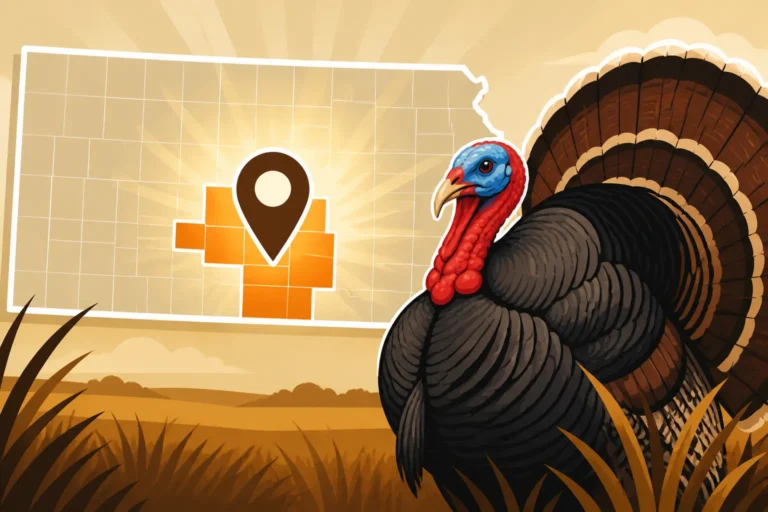
Kansas Unit 4 covers a significant portion of the north-central part of the state. It stretches across several counties, encompassing a variety of landscapes from riparian timber along rivers and creeks to expansive agricultural fields and smaller patches of woodland. This diverse habitat is precisely what makes it attractive to turkeys and, consequently, to hunters. Understanding the exact boundaries of Kansas Unit 4 is crucial for any hunter planning to apply, as inadvertently hunting outside your permitted unit can lead to serious legal consequences.
You can typically find detailed maps of all the deer and turkey units on the KDWP website or through hunting atlases and apps. It's always a good idea to cross-reference your planned hunting location with an official unit map, like those you might explore on platforms such as GoHunt, to ensure you're in the right place. These tools are invaluable for confirming you're staying within the bounds of your permit and the law.
Who Can Legally Hunt Turkeys in Kansas Unit 4?
The most critical piece of information for anyone eyeing a spring turkey hunt in Kansas Unit 4 is this: only Kansas residents are eligible to apply for and receive a turkey permit for Unit 4. This rule is clear-cut and unwavering. If you are not a resident of Kansas, you will not be able to obtain a permit to hunt turkeys in this specific unit. This distinction often catches non-residents off guard, especially if they are accustomed to more open regulations in other states or even other Kansas units.
Defining Kansas Residency for Hunting Purposes
What exactly constitutes a "Kansas resident" in the eyes of the KDWP? Generally, a resident is defined as any person who has maintained a bona fide domicile in the state for 60 consecutive days immediately prior to applying for or purchasing a license, and who claims Kansas as their place of residency. This means you must genuinely live in Kansas, not just own property or have family here.
Specific criteria often include:
- Establishing a fixed and permanent home in Kansas.
- Residing in Kansas continuously for at least 60 days.
- Possessing a valid Kansas driver's license or state ID card.
- Registering to vote in Kansas, if applicable.
- Paying Kansas state income taxes.
There are also specific rules for military personnel stationed in Kansas, students attending Kansas universities, and minor children of Kansas residents. It's vital to check the latest KDWP regulations for the most up-to-date and precise definition of residency, as these rules can occasionally be updated. Misrepresenting your residency status can lead to severe penalties, including fines and revocation of hunting privileges.
Non-Resident Alternatives and Why Unit 4 is Excluded
For our non-resident hunting friends, this news about Unit 4 can be a real bummer. You might wonder, "If I can't hunt Unit 4, where can I go?" Thankfully, Kansas offers fantastic turkey hunting opportunities in other units across the state that are open to non-residents. While Unit 4 specifically reserves its permits for residents, other units often have specific Kansas Nonresident Turkey Unit Quotas that allow non-residents to apply and hunt.
The state is generally divided into several turkey management units, and most of these are accessible to non-residents through a permit draw process. The overall number of permits for non-residents is usually limited, and specific unit choices might be more competitive than others. However, non-residents can still experience exceptional turkey hunting in Kansas. You'll need to focus your application strategy on units outside of Unit 4, keeping in mind the Kansas Spring Turkey Permits and Units information to make an informed decision. Remember, the goal isn't just to hunt any turkey, but to hunt legally and ethically within the framework of Kansas wildlife regulations.
Applying for Your Kansas Unit 4 Turkey Permit
So, you've confirmed you're a bona fide Kansas resident and you're ready to chase some gobblers in Unit 4. Great! Now comes the nitty-gritty of the application process. While it might seem daunting at first, navigating the KDWP's online system is fairly straightforward once you know the steps. Just like planning for any big hunt, being prepared and organized is key.
Key Application Dates and Deadlines
One of the most common pitfalls for any hunter, resident or non-resident, is missing critical application deadlines. For Kansas spring turkey permits, there's a specific window during which you can submit your application. This period usually falls in late winter, often starting in January and running through February or early March. The exact dates can shift slightly from year to year, so it's absolutely crucial to check the KDWP website annually or consult a reliable resource like the GoHunt platform's state regulations section. Set reminders on your phone, mark it on your calendar, and tell your hunting buddies to remind you! Missing this window means you'll be sitting out the spring season in Unit 4, which nobody wants.
It’s also important to note that if there are any leftover permits after the initial draw, they might be sold over the counter at a later date. However, this is never a guarantee, especially for a popular unit like Unit 4, and relying on leftover permits isn't a solid strategy if you're serious about hunting a specific area. Always aim to apply during the primary application period.
Step-by-Step Application Process for Residents
Applying for your Unit 4 turkey permit is primarily done through the KDWP's online licensing and permit system. Here’s a general rundown of what you can expect:
- Obtain Your Hunting License: Before you can even think about a turkey permit, you'll need a valid Kansas hunting license. Make sure yours is current for the upcoming season. You can purchase this online as well. The Kansas Hunting Licence and Permit Costs provide a breakdown of what you'll need.
- Access the KDWP Online Portal: Head to the official Kansas Department of Wildlife and Parks website. Look for the "Licenses & Permits" section, or specifically the "Turkey Permits" page.
- Create or Log In to Your Account: If you're a returning user, log in with your existing credentials. New users will need to create an account, which typically involves providing personal information such as your name, address, date of birth, and hunter education number (if required).
- Select Your Permit Type: Choose the "Spring Turkey Permit" option. This is where you'll be prompted to select your preferred unit. Carefully select "Unit 4" from the available options.
- Pay the Application Fee: There's usually a small application fee, separate from the permit cost itself. You'll also need to pay the permit cost at this time. For a full breakdown of the costs involved, refer to information on the Kansas Turkey Application Fee.
- Review and Submit: Double-check all your information, especially the unit selection, to ensure accuracy before submitting. Once submitted, you should receive a confirmation email.
The online system is designed to be user-friendly, but always take your time to ensure every detail is correct. GoHunt, for example, often has guides or checklists that can help you navigate these state-specific application processes, ensuring you don't overlook any crucial steps.
Regulations and Considerations for Unit 4 Turkey Hunters
Once you've successfully navigated the permit application process and secured your Kansas Unit 4 turkey permit, understanding the specific regulations and planning your hunt becomes paramount. Hunting in Kansas is about more than just getting a permit; it's about ethical hunting, adherence to state laws, and ensuring a memorable, responsible experience in the field.
Season Dates and Bag Limits in Unit 4
The spring turkey season in Kansas typically begins with a youth/disabled season, followed by an archery season, and then a combined archery and firearm season. These dates are generally statewide, but it's always wise to confirm the specific Kansas Spring Turkey Season Dates each year through the official KDWP hunting regulations summary.
For Unit 4, the bag limit is typically one (1) turkey with a visible beard. This means you can harvest one tom or a bearded hen. It's crucial to understand that even if you have multiple permits (which is not typically allowed for spring turkey in the same unit, but theoretically), you cannot exceed the unit's specific bag limit. Always verify the latest Kansas Turkey Bag Limits to ensure you're in compliance.
Essential Gear and Tactics for Kansas Turkey Hunting
Having the right gear and employing effective tactics can make all the difference in your Unit 4 turkey hunt. The terrain in this area, with its mix of timber, creek bottoms, and agricultural fields, demands a versatile approach.
Consider these essentials:
- Camouflage: Full head-to-toe camouflage is a must. Turkeys have incredible eyesight, and any exposed skin or bright colors can give you away.
- Calls: A variety of calls is best. Diaphragm calls, pot calls, and box calls each have their place. Being proficient with a few different types will allow you to adapt to various situations, whether you're trying to coax a shy gobbler off the roost or trying your hand at Calling a Henned-Up Kansas Gobbler.
- Shotgun/Bow: Ensure your firearm or bow is patterned and sighted in well before the season. Turkey hunting often involves close-range shots, but precise pattern density or arrow placement is vital for a clean harvest.
- Decoys: Turkey decoys can be highly effective in open country, helping to draw birds into range. A jake or tom decoy paired with a hen can be a deadly combination.
- Footwear: You'll likely be doing a fair amount of walking, so comfortable, waterproof boots are essential, especially when navigating wet creek bottoms or morning dew in fields.
Tactically, early mornings are prime time. Roosting Turkeys on a Kansas Evening the night before can give you a significant advantage, allowing you to set up close to their roost site before fly-down. Don't be afraid to be mobile, especially if birds aren't responding. Kansas often offers ample public access through Walk-In Hunting Access (WIHA) programs, and covering ground to locate birds can pay off.
Public vs. Private Land in Unit 4
While Unit 4 is resident-only, the availability of public hunting land within the unit can vary. Kansas has a robust WIHA program, offering access to private land enrolled in the program. However, these tracts can be heavily pressured, especially during opening week. Many residents often rely on securing permission on private land, which takes time, effort, and good landowner relationships.
Regardless of whether you're hunting public or private land, always be respectful, follow all regulations, and leave no trace. Understanding the Kansas Turkey Population Trends can also help you target areas within Unit 4 that might be holding more birds, influencing your scouting and setup choices.
Here's a quick reference table summarizing the key aspects of Unit 4 turkey permit eligibility:
| Feature | Kansas Unit 4 Turkey Permit | Most Other Kansas Turkey Units (for comparison) |
|---|---|---|
| Eligibility | Kansas Residents ONLY | Kansas Residents & Non-Residents |
| Permit Availability | General Draw for Residents | General Draw for Residents; Limited Draw for Non-Residents |
| Application Window | Late Winter (Jan-Mar) | Late Winter (Jan-Mar) |
| Primary Purpose | Local population management; resident opportunity | Broader state management; resident & non-resident opportunity |
| Bag Limit (Spring) | 1 Bearded Turkey | 1 Bearded Turkey (per permit, subject to statewide limits) |
| Mule Deer Stamp Apply | Not applicable (turkey) | Not applicable (turkey) |
| Online Application | Yes, via KDWP website | Yes, via KDWP website |
| Key Resource for Info | KDWP, GoHunt | KDWP, GoHunt |
This table highlights the crucial distinction of Unit 4 being exclusively for Kansas residents, making it different from how most other units are managed regarding non-resident access. Always consult the most current KDWP regulations for precise details each season.
Disclaimer
The information provided in this guide is for general informational purposes only and is subject to change. Hunting regulations, season dates, permit requirements, and fees are determined by the Kansas Department of Wildlife and Parks (KDWP) and can be updated annually or more frequently. It is the hunter's sole responsibility to consult the official KDWP website, current hunting regulations summaries, and all applicable state and federal laws before planning or engaging in any hunting activities. Always prioritize safety and ethical hunting practices.