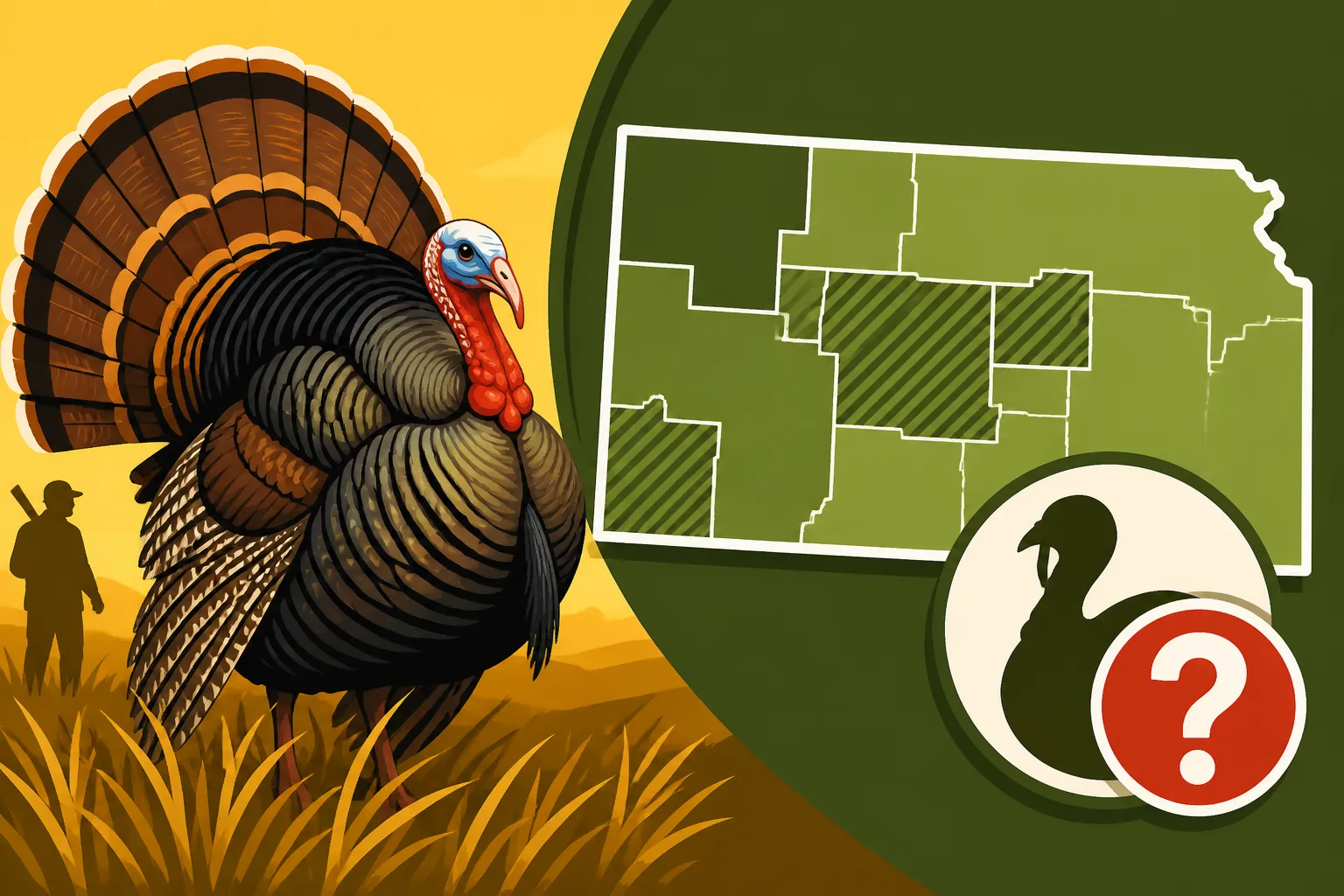
Are Kansas Turkey Permits Unit-Restricted?
It’s a common source of confusion, especially if you’re used to hunting in states with highly restrictive permit systems: are Kansas turkey permits tied to specific hunting units? For many hunters looking to pursue gobblers in the Sunflower State, the thought of navigating complex unit boundaries and strict regulations can be daunting. This guide will cut through the uncertainty, explaining exactly how Kansas turkey permits work, who is affected by unit restrictions, and how you can plan your hunt effectively to avoid any surprises.
Understanding Kansas Turkey Permit Structures
Kansas, like many states, has a system designed to manage its wild turkey populations while providing hunting opportunities. However, how these opportunities are allocated, especially concerning specific geographical units, differs significantly between residents and nonresidents. Before diving into the specifics of unit restrictions, it’s crucial to understand the foundational elements of Kansas turkey permits.
The Basic Permit Requirements
First and foremost, any hunter pursuing turkeys in Kansas, whether resident or nonresident, needs a valid hunting license. This isn't the turkey permit itself, but the general license that allows you to legally hunt any game in the state, provided you have the appropriate permits for that species. Think of it as your entry ticket to the hunting grounds. Once you have that, you're ready to consider your turkey permit.
Kansas offers spring turkey permits, which are the most popular and sought-after. Fall turkey seasons have been closed in recent years to aid population recovery, so our focus here will primarily be on the spring hunt. These spring permits generally allow for the harvest of one male turkey or a turkey with a visible beard. Depending on availability and draw success, hunters may even be able to secure a second turkey permit, often referred to as a "second tag," to extend their opportunities. The specifics of buying these, whether over-the-counter or through a draw, play a significant role in unit restrictions.
General Versus Unit-Specific Permits
The fundamental difference lies in how Kansas views its turkey population across the state for different hunter demographics. For residents, the state generally operates on a more flexible, statewide basis. For nonresidents, however, the approach is much more controlled, with specific unit allocations. This distinction is vital because it directly answers whether your permit is unit-restricted. Many hunters from states where all permits are highly localized often assume Kansas operates the same way, leading to initial confusion. The Kansas Department of Wildlife, Parks and Tourism (KDWP) aims to balance opportunity with conservation, and this often translates into different rules for residents versus those coming from out of state.
Nonresident Turkey Permits and Unit Restrictions
For nonresidents dreaming of a Kansas spring gobbler, the answer to the unit-restriction question is a resounding "yes." Nonresident turkey permits are indeed unit-restricted, and navigating this system requires careful planning and an understanding of the draw process.
The Nonresident Draw and Unit Selection
Kansas divides the state into several turkey management units. Currently, for nonresident spring turkey hunters, the state is generally broken into Units 1, 2, 3, and 4. When you apply for a nonresident turkey permit, you must select one of these specific units. You can't just buy a permit and hunt anywhere; your permit is only valid within the boundaries of the unit you draw. This is a critical point that often catches first-time nonresident applicants off guard.
The process typically involves an application period where nonresidents enter a draw for their chosen unit. These applications are usually due in February, so make sure you mark your calendar. The KDWP then allocates a limited number of permits to each unit based on quotas designed to manage turkey populations and hunting pressure. For instance, you might find that Kansas Nonresident Turkey Unit Quotas vary significantly, with some units offering more permits than others, directly impacting your draw odds. It’s smart to do your homework and research which units have higher success rates or more public land before you apply. Tools like GoHunt can be incredibly useful for analyzing past draw data and understanding which units might offer a better chance of success.
Understanding the Units and Their Limitations
Let's break down the units for nonresidents:
- Units 1, 2, and 3: These units are generally open to nonresident applications, though the number of permits is limited. Your permit, if drawn, is only valid in that specific unit. This means if you drew a Unit 2 permit, you couldn't drive an hour east into Unit 3 and legally hunt there. The boundaries are strictly enforced. These units often offer diverse habitats, from river bottoms to timbered draws, providing excellent opportunities for Kansas Turkey Hunting Tactics for Spring Gobblers.
- Unit 4: This unit is the exception, as it is generally designated as "Resident-Only." This means nonresidents cannot apply for or draw a permit for Unit 4. This regulation is in place to provide additional opportunities for Kansas residents in a specific region of the state. If you were wondering about Kansas Unit 4 Turkey Permit Eligibility, now you know that nonresidents are simply not eligible.
The limited number of nonresident permits means that drawing a tag can sometimes be challenging, especially in popular units. It's not uncommon for applicants to fail to draw in their desired unit, in which case their application fee is typically refunded. However, unlike deer, there isn't a widely established preference point system for turkey permits in Kansas, so each year is essentially a fresh draw for nonresidents. If you don't draw, you might have to look into Kansas Leftover Turkey Permits, which are often limited and sell out quickly.
Resident Turkey Permits and Statewide Access
If you're a Kansas resident, the turkey permit system is much more flexible and, thankfully, less restrictive when it comes to units. This makes planning your spring turkey hunt significantly simpler and allows for greater mobility across the state.
Statewide Validity for Residents
For Kansas residents, most spring turkey permits are valid statewide. This means if you purchase a resident turkey permit, you are generally free to hunt legally throughout the entire state, wherever hunting is permitted. You are not confined to a single unit like nonresidents. This flexibility is a huge advantage, allowing residents to pursue birds based on current scouting reports, recent poult hatches, or simply where they have access to land, whether it's private ground or Public Land Turkey Hunting Spots.
This statewide access means you can explore different regions of Kansas without needing a new permit for each area. You could be calling in a gobbler in the timbered river bottoms of eastern Kansas one week, and the next, be chasing birds on the more open country further west, all on the same permit. This offers incredible freedom for tactics like Run-and-Gun Turkey Tactics on Kansas Walk-In Ground, allowing you to cover vast areas and adapt to bird movements.
Exceptions and Additional Considerations for Residents
While the general rule is statewide validity, there are always minor nuances to be aware of:
- Second Permits: Kansas residents can often purchase a second spring turkey permit, which also typically holds statewide validity. This allows for additional opportunities to fill the freezer or extend the hunting season.
- Special Hunt Areas: Very occasionally, specific wildlife areas or federal lands might have their own unique draw or limited access rules, even for residents. However, these are typically exceptions to the statewide permit rule and would be clearly outlined in the KDWP regulations for that specific area. For example, military installations like Fort Riley have their own distinct permitting process for hunting access, which would supersede a general state permit for hunting on their grounds. Always check the regulations for any specific public land you plan to hunt.
- Harvest Reporting: Regardless of whether you’re resident or nonresident, and regardless of unit restrictions, you are still required to report your turkey harvest to the KDWP. This is a crucial step in wildlife management and ensures accurate population data.
The ease of access for residents is a testament to Kansas's robust turkey management efforts, aiming to provide ample opportunity for its citizens without over-pressuring local populations.
Navigating Your Kansas Turkey Hunt
Understanding the unit restrictions (or lack thereof) is just the first step. The real fun begins when you start planning your actual hunt. Whether you're a resident with statewide access or a nonresident hoping to draw a coveted unit tag, thoughtful preparation is key to a successful spring turkey season.
Planning for Nonresidents: Research and Application Strategy
For nonresidents, your entire hunt hinges on the draw. This means your planning needs to start well in advance of the application deadline.
- Unit Research is Paramount: Before applying, thoroughly research each of the available units. Look into factors like:
- Public Land Availability: How much Walk-In Hunting Access (WIHA) land or other public ground is available in each unit? Using mapping tools like GoHunt or the official Kansas Hunting Atlas can reveal vast amounts of land and help you identify potential spots for Hunting Kansas Walk-In Land Without Burning It Out.
- Turkey Population Trends: While not always unit-specific, understanding general turkey population health in certain regions can guide your choice. Data on Kansas Turkey Population Trends can be helpful.
- Success Rates: While official unit-specific turkey draw success rates aren't as granular as deer, looking at general harvest reports can give you clues.
- Application Precision: Double-check your application before submitting. Ensure you've selected the correct unit and that all your personal information is accurate. Missing a deadline or making an error can cost you a season.
- Backup Plans: What if you don't draw your first-choice unit? Have a plan. Could you potentially find Kansas Leftover Turkey Permits if any are available? Or is this year a skip if you don't get the permit you want? Knowing this upfront helps manage expectations.
- Scouting from Afar: Even if you can't physically scout, utilize online resources. GoHunt's satellite imagery and public/private land ownership layers are invaluable for e-scouting, helping you pinpoint potential roosting areas or feeding spots even before you draw a tag.
Planning for Residents: Flexibility and Local Knowledge
Kansas residents have the luxury of statewide validity, which opens up many more options for planning.
- Leverage Flexibility: Your statewide permit means you can react to conditions. If one area is getting heavily pressured, you can move to another. If a late spring storm impacts a particular region, you have the option to shift.
- Extensive Scouting: With no unit restrictions, residents can spread their scouting efforts across a wider area. Spend time in the preseason listening for gobblers, identifying roost trees, and looking for turkey sign. This is crucial for successful Roosting Kansas Turkeys the Night Before.
- Public and Private Land Access: Utilize both public land opportunities and any private land access you might have. Knowing how to combine these resources can dramatically increase your chances. For tips on navigating different access, refer to Finding Public Access in Kansas.
- Consider a Second Tag: With statewide permits, purchasing a second tag is an excellent way to extend your season and increase your odds of success. Many hunters find that a second opportunity takes some of the pressure off the first permit.
- Adapt Your Tactics: Kansas turkeys can be challenging, whether you're dealing with a hung-up tom or a silent bird. Be ready to adapt your calling and setup strategies. Learning to be patient and persistent, especially when Calling a Henned-Up Kansas Gobbler, will serve you well.
General Tips for All Hunters
- Read the Regulations: No matter your residency, always read the current year's KDWP hunting regulations thoroughly. Rules can change, and ignorance is no excuse. This includes understanding legal hunting hours, tagging requirements, and bag limits.
- Practice Ethics and Safety: Uphold ethical hunting practices. Always be sure of your target and what's beyond it. Familiarize yourself with Public Land Turkey Safety rules and general firearm safety.
- Respect Landowners: If hunting private land, always secure permission beforehand and maintain a good relationship with landowners. This ensures future access for yourself and other hunters.
- Be Patient and Persistent: Turkey hunting often involves early mornings, long walks, and a fair amount of calling without immediate response. Persistence often pays off.
By understanding the specific rules for nonresident unit-restricted permits and resident statewide permits, you can approach your Kansas turkey season with confidence, equipped with the knowledge to plan a successful and enjoyable hunt.
| Permit Type | Residency | Unit Restricted? | How Permits are Obtained | Typical Validity | Common Scenarios |
|---|---|---|---|---|---|
| Spring Turkey Tag | Nonresident | Yes | Annual Draw (Unit-Specific) | Single Unit | Must apply for and draw a permit for a specific unit (1, 2, or 3). Cannot hunt in other units or in Unit 4. Draw odds can vary by unit. Researching Kansas Nonresident Turkey Unit Quotas is essential. |
| Spring Turkey Tag | Resident | Generally No | Over-the-Counter (OTC) / Online | Statewide | Can purchase a permit online or from vendors and hunt almost anywhere in the state. Allows for maximum flexibility to scout and pursue birds across different regions. Some specific wildlife areas may have unique rules, so always verify local regulations. Can also often buy a second statewide tag. |
| Unit 4 Permit | Nonresident | N/A (Resident Only) | Not Applicable | N/A | Nonresidents are explicitly ineligible to hunt Unit 4. This unit is reserved for Kansas residents. |
Disclaimer
The information provided in this guide is for general informational purposes only and does not constitute legal advice or an official interpretation of Kansas hunting regulations. Hunting laws and regulations are subject to change. Always consult the most current Kansas Department of Wildlife, Parks and Tourism (KDWP) official regulations guide before planning or engaging in any hunting activities. It is the hunter's responsibility to know and abide by all applicable laws and regulations.