Kansas Turkey Unit With the Most Permits
Navigating the ins and outs of Kansas turkey permits can feel like trying to solve a complicated puzzle, especially when you're a non-resident just trying to figure out where you stand a decent chance. It’s a common frustration, poring over regulations and trying to decipher which unit offers the best odds or simply has more available tags. This guide is here to cut through that confusion, helping you pinpoint the Kansas turkey unit that historically offers the most permits and prepare you for a successful hunt.
Navigating the Kansas Turkey Unit System
Kansas has a fantastic reputation for its wild turkeys, but knowing how the state manages its flock through a unit system is absolutely crucial, especially for those of us coming from out of state. It's not as simple as just buying a tag; you need to understand the lay of the land, permit-wise.
The Four Key Units: A Quick Breakdown
Kansas divides its turkey hunting opportunities into four distinct units: Units 1, 2, 3, and 4. These aren't just arbitrary lines on a map; they represent different ecological regions, turkey densities, and management strategies. Generally speaking, the eastern half of the state, with its more timbered river bottoms and agricultural pockets, tends to hold higher turkey populations, primarily Rio Grande birds, while the western reaches transition into more open country.
For non-residents, understanding these units is paramount because not all are created equal in terms of accessibility. Unit 4, for example, is traditionally designated as resident-only for spring turkey. This is a critical detail that can catch hunters off guard if they don't do their homework. The Kansas Department of Wildlife, Parks and Tourism (KDWP) uses this system to balance hunting pressure and maintain healthy turkey populations across the state, ensuring sustainable hunting opportunities for everyone.
Non-Resident Permit Challenges
If you're an out-of-state hunter, you've likely already experienced the unique challenges that come with hunting in some of the most sought-after states. Kansas is no different, particularly when it comes to turkey hunting. Non-resident permits are often limited, and getting your hands on one can feel like a mini-draw in itself. This scarcity is precisely why identifying the unit with the highest permit allocation is so important.
The KDWP sets specific quotas for non-resident permits in Units 1, 2, and 3 each year. These numbers are carefully calculated based on population surveys, harvest data from previous seasons, and management goals. The frustration often stems from not knowing where to focus your efforts, leading to wasted application fees or missed opportunities. It's a game of strategy, trying to predict which unit will give you the best chance to draw a tag and then, of course, being successful in the field. This is where researching historical draw odds, often available through resources like GoHunt, becomes invaluable. They can help you sift through years of data to make an informed decision, which feels a lot better than just guessing.
Unveiling Unit 3: Your Best Bet for More Permits
When it comes to spring turkey hunting in Kansas, especially for non-residents, one unit consistently rises to the top if your goal is to maximize your chances of securing a permit: Unit 3. This isn't just a rumor among turkey hunters; it's a pattern seen in KDWP's permit allocations year after year.
Why Unit 3 Stands Out for Non-Residents
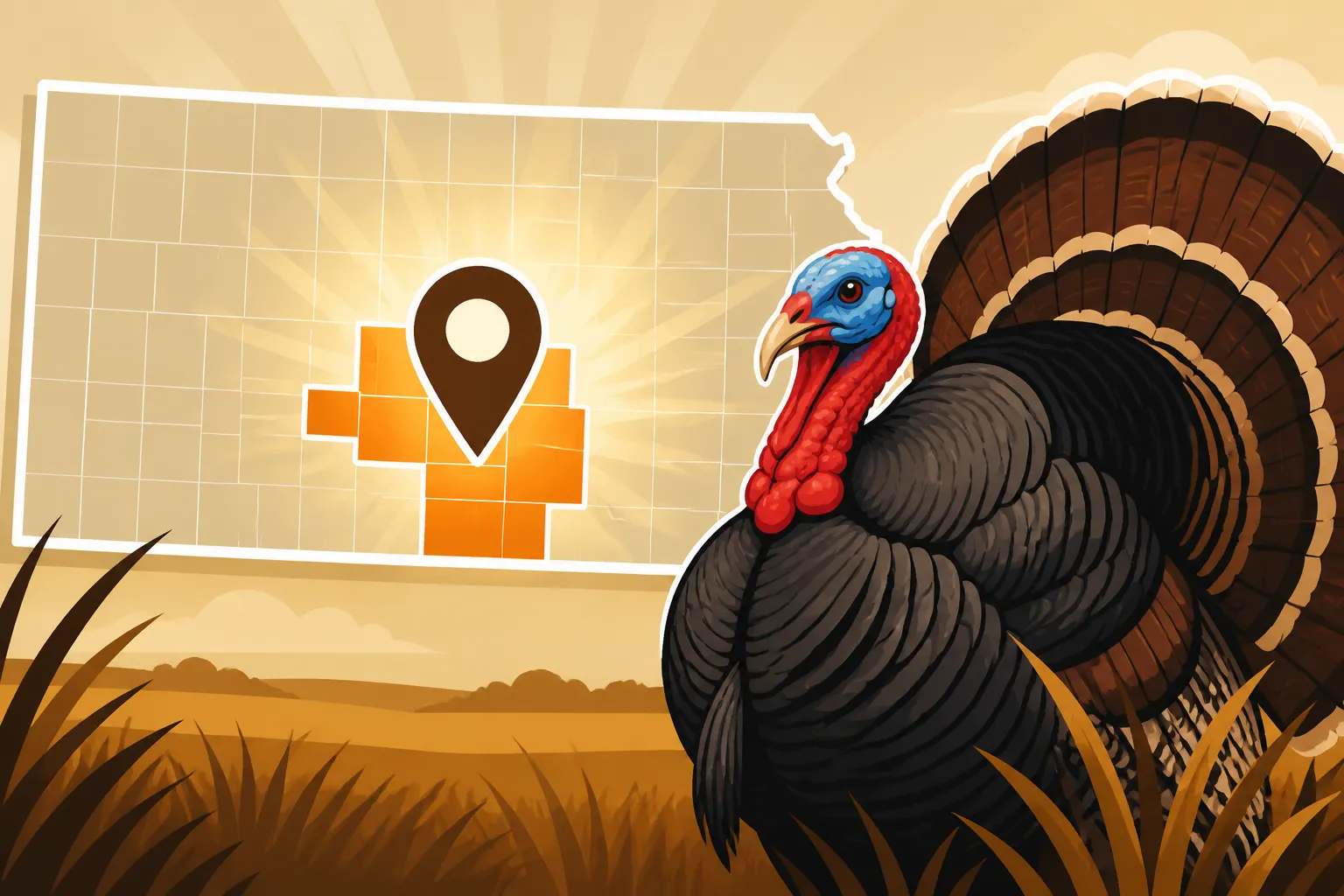
Historically, and for most recent seasons, Unit 3 has been the most generous in terms of non-resident spring turkey permit quotas. This area generally covers a significant portion of central and south-central Kansas, an expansive region rich in turkey habitat. Here, you'll find a mosaic of agricultural fields, river bottom timber, creeks, and pockets of native grass and brush that turkeys absolutely thrive in. The predominant subspecies here is the Rio Grande turkey, known for its vocal nature and tendency to flock, which can make for some incredibly exciting hunting.
The higher quota in Unit 3 is often a reflection of a robust turkey population capable of sustaining more hunting pressure. This doesn't mean it's easier hunting, but it does mean your odds of drawing a permit are generally better than in Units 1 or 2. This often makes Unit 3 a prime target for non-residents looking to experience a fantastic Kansas turkey hunt without battling the extremely tight permit numbers found elsewhere. For those really trying to understand the nuances, digging into data provided by platforms like GoHunt can offer detailed insights into the specific number of tags allocated and how many applications are typically received each year for Kansas Nonresident Turkey Unit Quotas.
Understanding Permit Quotas and Fluctuations
While Unit 3 generally offers the highest number of non-resident permits, it's absolutely crucial to remember that these quotas aren't set in stone forever. Wildlife management is a dynamic process, and permit numbers can fluctuate based on a variety of factors. Things like severe winter weather, nesting success in previous springs, disease outbreaks, and even changes in land use can all impact turkey populations and, consequently, the number of permits issued.
This is why, as a diligent hunter, you absolutely must check the official Kansas Department of Wildlife, Parks and Tourism (KDWP) regulations annually before you apply. Never assume that last year's numbers will be identical to this year's. The KDWP releases its updated hunting regulations each year, typically in late winter or early spring, detailing the exact permit numbers, application deadlines, and any rule changes. Staying informed means keeping an eye on their official publications and potentially subscribing to their newsletters.
Here's a general comparison table of Kansas spring turkey units for non-residents, based on historical trends:
| Kansas Turkey Unit | Typical Non-Resident Permit Quota (Historical) | Primary Turkey Subspecies | General Habitat Characteristics | Non-Resident Access | Notes |
|---|---|---|---|---|---|
| Unit 1 | Moderate | Rio Grande / Eastern Hybrids | Northeastern Kansas: Timber, river bottoms, crop fields | Apply via Draw | Often good densities but typically fewer non-resident permits than Unit 3. |
| Unit 2 | Moderate | Rio Grande / Eastern Hybrids | North-Central Kansas: More open, timbered creeks, crop fields | Apply via Draw | Similar to Unit 1 in permit availability, requires careful planning for draw. |
| Unit 3 | High | Rio Grande | Central/South-Central Kansas: Expansive crop fields, creek and river timber | Apply via Draw | Most permits for non-residents. Good turkey numbers, classic Rio Grande habitat. |
| Unit 4 | N/A (Resident Only) | Rio Grande / Eastern Hybrids | Southeastern Kansas: Heavily timbered, rolling hills | Resident Only | Excellent turkey habitat and populations, but permits are strictly for Kansas residents. This explains Why Kansas Unit 4 Is Resident Only. |
(Note: "High," "Moderate," "Low" are relative terms based on historical non-resident quotas. Always check current KDWP regulations for exact numbers.)
Maximizing Your Hunt in High-Permit Units
Just because a unit offers more permits doesn't automatically guarantee an easy hunt. In fact, a higher permit allocation might even mean more hunter pressure, especially on public land. So, you need to go in with a solid strategy to truly make the most of your time in Unit 3, or any other unit you're fortunate enough to draw.
Scouting and Preparation in Unit 3
Effective scouting is the bedrock of a successful turkey hunt, and it's even more critical when you're traveling to an unfamiliar area or anticipating more competition. Before you even set foot in Kansas, leverage digital tools to e-scout. Satellite imagery, topographical maps, and public land mapping apps can help you identify potential roosting areas along creek beds and river channels, feeding zones in crop fields, and travel corridors between them. Look for pinch points or areas where natural cover funnels birds.
Once you arrive, put boots on the ground. Drive backroads, listen for gobblers in the evenings, and search for fresh tracks, droppings, and strut marks. Understanding where birds roost the night before can give you a significant advantage for those early morning setups. It's often helpful to spend an evening listening from different access points to try and pinpoint exactly where birds are setting up for the night. This kind of diligent preparation, like figuring out Roosting Kansas Turkeys the Night Before, is what separates consistent success from mere luck.
Effective Tactics for Unit 3 Turkeys
Hunting turkeys in Unit 3, with its mix of agricultural landscapes and riverine timber, often calls for a blend of patience and aggressive tactics. Rio Grandes, the primary subspecies here, are known for being very responsive to calling, but they can also be challenging. They often prefer to come in on their own terms, especially if they are henned up.
Starting your morning by setting up near a known roost, well before fly-down, is a classic and often effective strategy. Use soft tree yelps and purrs to entice gobblers down. Once they're on the ground, you might need to become more mobile, especially if birds are henned up or moving away. Don't be afraid to try some run-and-gun turkey tactics, covering ground and stopping to call, listening for a response. Consider using decoys, especially a jake and hen spread, which can be incredibly effective in open country to draw in territorial gobblers. However, be mindful of Turkey Decoy Spreads That Work and remember to always consider your setup and safety, particularly if hunting on public land where other hunters might be present. Learning to adapt your calling from soft, subtle purrs and clucks to more aggressive cutting and yelping, depending on the bird's mood, is a skill that will serve you well.
The Application Process and Beyond
Once you've zeroed in on Unit 3 as your target, the next critical step is to navigate the application process smoothly and then ensure you're fully prepared for your hunt. Missing a deadline or overlooking a key regulation can derail your entire trip.
Applying for Your Kansas Turkey Permit
The application period for Kansas spring turkey permits, particularly for non-residents, typically opens in January and runs through mid-February. It's a relatively short window, so marking your calendar is essential. You'll apply directly through the KDWP website or via their Go Outdoors Kansas portal. You'll need to purchase a hunting license first, and then you can apply for your turkey permit, selecting your desired unit (in this case, Unit 3).
The key here is not to procrastinate. Technical glitches happen, and forgetting to hit "submit" can cost you an entire season. Many experienced hunters use tools like GoHunt to set up application reminders, ensuring they never miss a critical deadline. It's also worth noting that if you don't draw a permit in the initial application, Kansas sometimes offers Kansas Leftover Turkey Permits on a first-come, first-served basis later in the spring, which can be another opportunity, albeit often in more limited units or for specific seasons. Always check the KDWP website for the most current dates and application procedures to avoid any disappointment.
Preparing for a Successful Hunt
Beyond securing your permit, a successful Kansas turkey hunt hinges on thorough preparation. This isn't just about bringing your shotgun and calls. It involves a holistic approach to being ready for whatever the Kansas spring weather and the turkeys throw at you. First, ensure you have all the necessary licenses and stamps, including your Kansas hunting license and any federal or state turkey permits. Review the full list of Kansas Spring Turkey Permits and Units to make sure you haven't overlooked anything.
Practice your calling sequences until they sound natural and confident. Pattern your shotgun with your chosen turkey loads to understand its effective range. This is especially important if you're hunting in open country where longer shots might be common. Think about your gear: comfortable, quiet camouflage, good boots for covering ground, a quality turkey vest with plenty of pockets for calls and essentials, and a comfortable seat or ground blind. Finally, and perhaps most importantly, understand and adhere to all Kansas hunting regulations. This includes legal shooting hours, bag limits, and safety precautions, especially if you're hunting on public access lands. Being aware of Public Land Turkey Safety isn't just a recommendation; it's a responsibility we all share.
Disclaimer
The information provided in this guide is for general informational purposes only and is based on historical trends and publicly available regulations at the time of writing. Hunting regulations, permit quotas, and season dates in Kansas are subject to change annually by the Kansas Department of Wildlife, Parks and Tourism (KDWP). Hunters are solely responsible for verifying all current regulations, season dates, permit requirements, and land access rules directly with the KDWP before planning and undertaking any hunting activities. Always prioritize safety and ethical hunting practices.