Kansas Pre-Rut Antlerless Deer Hunts
The chill hasn't quite bitten hard, and the big bucks are still mostly thinking about food, not does. This time of year can feel like a waiting game for trophy hunters, but for those of us focused on putting venison in the freezer, the Kansas pre-rut antlerless deer hunts offer a fantastic, often overlooked, opportunity. This guide will walk you through everything you need to know to take advantage of these strategic hunts, helping you understand the regulations, refine your tactics, and ultimately, fill your tag before the chaos of the peak rut descends.
Understanding Kansas Pre-Rut Antlerless Seasons
The Kansas Department of Wildlife, Parks and Tourism (KDWP) offers specific antlerless-only seasons that often fall right before the main whitetail rut kicks into high gear. Many hunters focus solely on buck tags, overlooking these opportunities, which is a real shame because they can be incredibly productive for meat hunting and even help manage local deer populations.
When is the "Pre-Rut" for Antlerless Hunts
The term "pre-rut" itself refers to that magical period usually in late October and early November when bucks are starting to rub, scrape, and cruise for does, but the does themselves aren't yet receptive. For antlerless hunts, KDWP often designates specific, sometimes short, windows that align with this period. These aren't the same as the extended January antlerless seasons; rather, they're designed to give hunters a chance to harvest does when they're still in their relatively predictable fall feeding and bedding patterns, before they get too scattered by intense buck activity. Historically, you might see these periods pop up in late October or early November, often overlapping with the tail end of the archery season or a special short firearm window. It's crucial to check the specific year's regulations because these dates can shift slightly, and they're not always available in every deer management unit.
The specific timing is important because deer behavior is still largely driven by food and security during these weeks. Does are often traveling in family groups, hitting predictable food sources like crop fields or lush green forage. They're not yet being pushed relentlessly by bucks, making their movements a bit easier to anticipate. This predictability is a huge advantage for hunters, especially on properties where you might not have extensive timber or cover. Finding a good field edge or a creek bottom funnel can be a goldmine.
Why Antlerless Tags Matter
Harvesting antlerless deer is a cornerstone of responsible deer herd management, especially in a state like Kansas where deer populations can thrive in agricultural landscapes. High deer numbers, while exciting for hunters, can lead to increased crop damage for farmers, higher rates of deer-vehicle collisions, and even contribute to the spread of diseases like Chronic Wasting Disease (CWD). By targeting does, hunters directly help balance the buck-to-doe ratio, which can lead to healthier, more robust deer populations overall and potentially better antler growth in the long run.
Beyond the ecological benefits, antlerless tags are a fantastic way to fill your freezer with lean, organic protein. Let's be honest, not every hunt needs to be about chasing a wall-hanger. Sometimes, the most satisfying hunt is one that results in delicious venison for your family. These pre-rut antlerless hunts often have less pressure than the primary firearm season, making for a more relaxed and focused hunting experience. It's an excellent opportunity for new hunters, youth hunters, or anyone who simply loves spending time afield and bringing home some meat.
Finding and Interpreting Key Dates and Units
One of the biggest hurdles for any Kansas hunter is keeping up with the ever-evolving regulations, season dates, and unit boundaries. It's not always straightforward, and missing a detail can mean missing an opportunity.
Navigating the KDWP Regulations
The official KDWP hunting regulations summary is your bible for all things Kansas hunting. You can usually find a digital version on their website, or pick up a physical copy at most license vendors. Pay particular attention to the "Deer Season Information" section, which will detail all season dates, including any special antlerless-only firearms or archery opportunities. Don't just skim it; read it thoroughly, looking for footnotes or special conditions that apply to antlerless tags.
When looking at the regulations, you’ll often find a table outlining all the different deer seasons. Make sure to differentiate between the general archery or muzzleloader seasons where an antlerless permit might be valid, and the specific “Pre-Rut Antlerless Firearm Season” or similar designations. These focused antlerless periods are often short, perhaps just a few days, and might have their own unique restrictions on the type of weapon or the areas where they are valid. It's not uncommon to find these specific seasons targeting areas with higher deer densities or particular crop damage concerns. Always cross-reference the date with the specific unit you plan to hunt to ensure legality.
Unit-Specific Opportunities
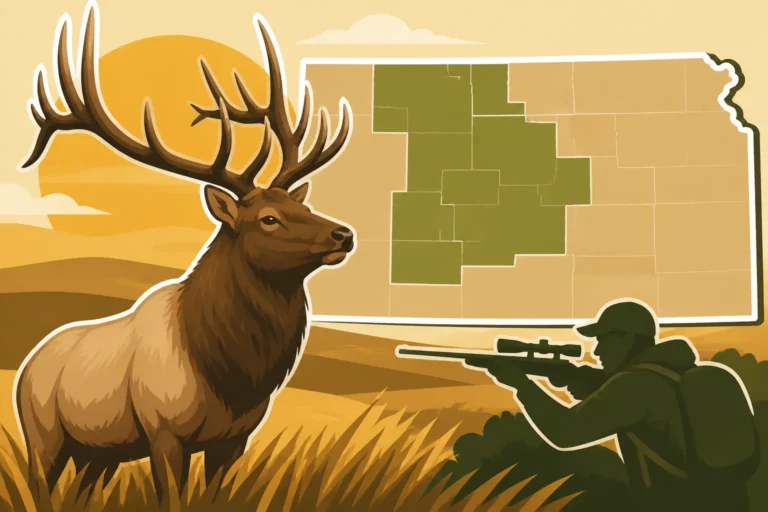
Not every deer management unit in Kansas offers the same antlerless hunting opportunities, especially for these special pre-rut windows. Some units, particularly those with higher deer densities or units bordering urban areas where deer populations need more aggressive management, might have more liberal antlerless seasons. Others, especially in western Kansas where mule deer are present and overall deer numbers might be lower, could have very limited or no pre-rut antlerless options.
This is where detailed research comes in. Websites and apps that integrate KDWP data, such as GoHunt, can be incredibly useful here, allowing you to quickly filter information by unit and season. You can often see which specific units have early antlerless rifle seasons or longer archery antlerless periods. Remember, an antlerless tag is typically unit-specific. If you draw an "Either-Species/Either-Sex" permit for Unit 8, you can't necessarily use a separate antlerless-only permit in Unit 12 during these special seasons unless specified. Always confirm the unit validity of your antlerless permit. Understanding Kansas Deer Units and What Each Holds is vital for making informed decisions on where to focus your efforts.
| Season Type | Typical Dates (Approximate) | Weapon | Key Considerations |
|---|---|---|---|
| Early Pre-Rut Antlerless | Late October – Early November | Firearm | Often short, unit-specific, targets high populations |
| General Archery (Antlerless) | Oct. 1 – Dec. 31 (varies) | Archery | Antlerless tags often valid throughout |
| Muzzleloader (Antlerless) | Mid-September (specific week) | Muzzle. | Antlerless tags often valid during this window |
| Extended Antlerless Season | Jan. 1 – Jan. 31 (varies) | Archery | Often different units than pre-rut, post-rut |
Note: Dates are approximate and vary by year and unit. Always consult the current KDWP regulations.
Strategic Advantages of Hunting Antlerless Deer During the Pre-Rut
Hunting during the pre-rut offers a unique set of advantages that can make these antlerless hunts incredibly rewarding, even more so than waiting for the craziness of the peak rut.
Deer Behavior and Predictability
During the true peak of the rut, deer, especially does, can be incredibly erratic. They're being pushed and pursued, often abandoning their typical patterns. But in the pre-rut, things are generally calmer. Does are still operating largely on their primary instincts: feeding, bedding, and raising their fawns. This means their movements around key resources are often more predictable. They'll typically follow established travel corridors between bedding areas and food sources at dawn and dusk. This makes scouting and patterning a specific group of does much more effective.
For example, if you've been monitoring a particular timber edge next to a standing cornfield, or a creek bottom that provides cover, you'll likely see consistent traffic during the pre-rut. The does will be focused on putting on weight before winter, so their commitment to prime food sources is strong. This is a great time for ambush hunting from a stand or ground blind set up along these predictable routes. Observing deer movement for just a few evenings can give you a solid plan of attack, rather than playing a guessing game during the unpredictable rut. You can learn a lot about Reading a Kansas Creek Bottom for Deer Sign during this period.
Reduced Pressure and Increased Opportunity
Let's face it, hunting the peak firearm season in Kansas can feel like a small war in some areas. The woods are full of orange, and deer quickly become educated and nocturnal. Pre-rut antlerless seasons often see significantly less hunter pressure. Most hunters are either holding out for a big buck during the rut, or they're not even aware these specific antlerless seasons exist. This creates a much more tranquil hunting experience for you.
With fewer hunters in the field, deer are less disturbed, and their daytime activity can be much higher. This reduced pressure means your chances of encountering deer in their natural patterns are greatly increased. It also means you have more flexibility in choosing stand locations or still-hunting routes without worrying about bumping into another hunter. For hunters utilizing public land, especially Kansas Walk-In Hunting Access (WIHA) tracts, this can be a game-changer. You might find entire sections of public ground to yourself, something almost unheard of during the main rifle season. This allows for a more relaxed and strategic approach, focusing on the quality of the hunt rather than the competition.
Effective Tactics for Pre-Rut Antlerless Success
Success in pre-rut antlerless hunting boils down to understanding deer behavior during this specific time and applying proven tactics. It's less about rattling antlers and more about stealth, observation, and capitalizing on consistent movement.
Focusing on Food Sources
During the pre-rut, food is king for deer. Does and fawns are actively trying to bulk up for the winter ahead, and bucks are still feeding heavily as they expend energy on early rut behaviors. This means identifying and keying in on prime food sources will be your most effective strategy. Think about what's available in your hunting area. Are there standing soybean or corn fields? Are agricultural fields recently harvested, leaving behind waste grain? Are there oak trees dropping acorns? Or perhaps a lush alfalfa or winter wheat plot? These areas will be natural magnets for deer.
Scout these food sources diligently. Look for fresh tracks, droppings, and trails leading into and out of them. Pay attention to specific entry and exit points. A classic tactic is to set up a stand or ground blind downwind of a well-used trail leading from bedding cover to a prime feeding area. The early morning and late afternoon hours will be your best bet. Consider what's most palatable to deer at this time; if acorns are falling, they'll likely prioritize those over other options. If acorns are scarce, focus on agricultural fields. This active feeding pattern makes Late-Season Food Source Hunting a crucial skill to develop.
Cover and Travel Corridors
While food sources draw them in, does and fawns rely heavily on good cover and established travel corridors for their daily movements and security. These corridors might be creek bottoms, fence lines lined with brush, unharvested strips of timber between fields, or even thick CRP grass edges. Deer will use these features to move safely and discreetly between their bedding areas and their preferred feeding grounds.
When scouting, walk the edges of potential bedding areas – thickets, dense timber, or tall grass – and identify the most worn trails leading out. Look for natural funnels where cover narrows, forcing deer into predictable paths. Setting up a stand along such a funnel, especially where it intersects with a food source or a water crossing, can be highly effective. The key is to position yourself to intercept them as they move, rather than trying to hunt directly in their bedding or feeding spots, which can lead to spooking deer and reducing your chances of success.
Scent Control and Stealth
No matter what you're hunting, scent control and stealth are always important, but they are absolutely critical when targeting does and fawns during the pre-rut. Does are notoriously wary and have an excellent sense of smell. Any human scent or excessive noise can quickly send them packing, making your efforts futile.
Before every hunt, pay meticulous attention to your scent. Shower with scent-free soap, wash your hunting clothes in scent-free detergent, and store them in airtight containers. Use scent-eliminating sprays on your boots and outer layers. When walking into your stand, be as quiet as possible, taking small, deliberate steps. Avoid breaking twigs or rustling leaves. Approach from a direction that keeps the wind in your favor, carrying your scent away from where you expect deer to approach. Even the slightest sound or whiff of human odor can educate these deer, making them much harder to hunt. Remember, you're trying to outsmart a highly intelligent animal on its home turf, and attention to detail makes all the difference.
Gear and Preparations for an Antlerless Hunt
You might think an antlerless hunt requires less gear, but being properly equipped ensures a more comfortable, safe, and successful experience. Every piece of equipment plays a role in your overall strategy.
Weapon Choice and Ammunition
For pre-rut antlerless deer hunts, your weapon choice is often dictated by the specific season regulations – whether it's archery, muzzleloader, or a specific firearm season. Regardless of the weapon, accuracy is paramount. A clean, ethical kill is always the goal, and that means being proficient with your chosen implement. For firearm hunters, this might mean a reliable .243, .270, or .30-06, paired with good quality deer-specific ammunition. Shot placement on a Whitetail at Twenty Yards remains crucial, even for a doe.
Archery hunters should ensure their bows are tuned, broadheads are sharp, and they've practiced regularly at various distances. Muzzleloader hunters need to have their rifles sighted in with their preferred powder and bullet combination, and understand how to keep a Muzzleloader Dry in Rain if the weather turns. The most important thing is to use a weapon you are comfortable and accurate with, and to practice regularly so that when the moment of truth arrives, you can execute a clean shot.
Clothing and Weather Considerations
The pre-rut period in Kansas can be notoriously variable when it comes to weather. One day might be unseasonably warm, with temperatures in the 60s or 70s, while the next might see a cold front sweep through, dropping temperatures significantly. Layering is key. Start with a moisture-wicking base layer, add insulating layers as needed, and top it off with a quiet, breathable outer layer in camouflage that breaks up your silhouette. For firearm seasons, don't forget your hunter orange requirements – a common oversight when switching from archery.
If it's going to be warm, focus on lightweight, breathable materials to prevent sweating, which can amplify your scent. If it's colder, ensure you have enough insulation to sit comfortably for extended periods. Gloves, a warm hat, and comfortable, waterproof boots are essential regardless of the temperature. Being uncomfortable distracts you, and being too cold or hot can cut your hunt short. Dressing for the conditions allows you to focus on the deer.
Post-Harvest Care
Once you've successfully harvested an antlerless deer, the work isn't over – it's just shifted gears. Proper post-harvest care is critical to ensuring the meat is of the highest quality. This means quickly field dressing the animal to begin the cooling process. If you're hunting in warmer pre-rut temperatures, getting the deer cooled down rapidly is even more vital. Consider bringing extra ice in coolers to pack the cavity, or plan to get the deer to a processor or your own cooling facility as soon as possible.
Have a plan for getting the deer out of the field. A good deer cart can be a lifesaver, especially on Walk-In Hunting Access properties where vehicle access might be limited. If you plan to process the deer yourself, ensure you have all the necessary tools and a clean workspace ready. For those using a locker plant, confirm their hours and capacity, especially if you're hunting around a popular weekend. Field Dressing in Warm Kansas Weather can be challenging, but it's a skill every hunter needs to master for responsible meat handling.
Navigating Public and Private Land for Antlerless Deer
Finding a place to hunt is often the biggest challenge for any hunter. When it comes to pre-rut antlerless deer, both public and private land offer distinct advantages and challenges.
Maximizing Walk-In Hunting Access
Kansas is renowned for its extensive Walk-In Hunting Access (WIHA) program, which provides millions of acres of privately owned land open to public hunting. These tracts are marked with distinctive yellow signs and are often detailed in the annual WIHA atlas or on the KDWP's online hunting atlas. For pre-rut antlerless hunting, WIHA can be a fantastic resource, especially when regular firearm seasons see these areas heavily pressured.
When utilizing WIHA, always check the current year's atlas for specific season dates and permitted activities, as some tracts might have limited access during certain times. Also, remember the general rules for WIHA: no motorized vehicles, no permanent stands, and respect for private property boundaries. Scouting these areas beforehand, using tools like the KDWP online atlas or mapping apps like GoHunt with its WIHA overlay, can help you identify promising sections with good cover and food sources. Early in the pre-rut, many WIHA properties might still have standing crops or crop residues that attract deer. Hunting Pressure Patterns on Kansas Public Land will tell you that the pressure during antlerless seasons is often much lower, increasing your odds.
Building Landowner Relationships
Securing permission to hunt on private land can open up a world of opportunities for pre-rut antlerless hunts. Many landowners, especially farmers, are often more receptive to allowing hunting for does because they understand the benefits of deer herd control and reducing crop damage. Approaching a landowner with a specific request to harvest an antlerless deer during these earlier seasons can often be more successful than asking to hunt bucks during the peak rut.
When you Ask a Kansas Landowner for Permission, be polite, respectful, and clearly state your intentions. Offer to help them with scouting for crop damage or even assist with chores. Build a relationship, don't just ask for access. If granted permission, always follow their rules meticulously, respect their property, and consider offering them some venison from your harvest as a thank you. A positive relationship with a landowner can lead to long-term hunting access and is a rewarding aspect of the hunting tradition. Remember, hunting private land is a privilege, not a right, and maintaining good landowner relations benefits all hunters.
Disclaimer
The information provided in this guide is for general informational purposes only and is not a substitute for official regulations. Hunters are responsible for knowing and adhering to all current Kansas hunting laws and regulations. Always consult the official Kansas Department of Wildlife, Parks and Tourism (KDWP) regulations for the most up-to-date and accurate information regarding season dates, unit boundaries, permit requirements, and legal hunting methods.