Roosting Kansas Turkeys the Night Before
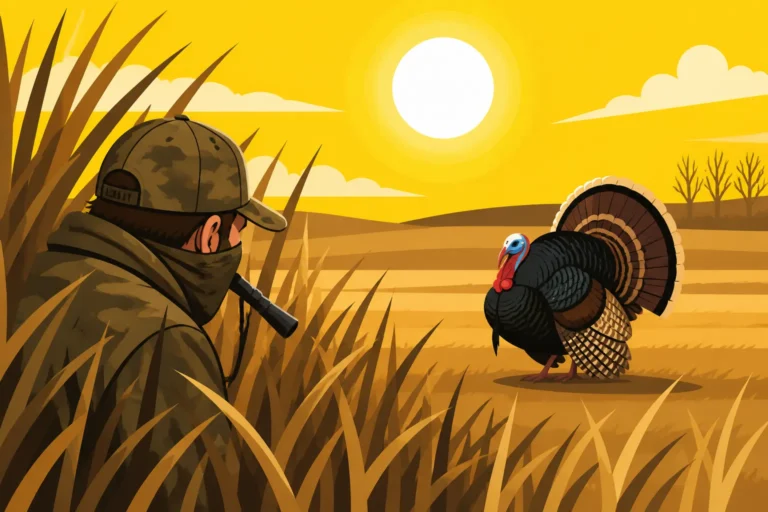
There’s almost nothing more frustrating than waking up before dawn, driving to your hunting spot, and then just hoping to hear a gobble. You spend precious minutes in the cold, listening intently, only for silence to greet you, leaving you to wander aimlessly or resort to blind calling in a spot you just think might hold birds. It's a gamble that often ends in frustration and wasted time. This comprehensive guide is all about eliminating that uncertainty by teaching you the art and science of roosting Kansas turkeys the night before your hunt, giving you a massive advantage when the morning breaks.
Why Roosting Turkeys is a Game-Changer for Kansas Hunters
In the vast and often open landscapes of Kansas, locating wild turkeys can feel like finding a needle in a haystack. Unlike denser, more timbered regions, turkeys here often travel long distances across agricultural fields and sparse woodlands. This makes knowing their precise location absolutely invaluable. Roosting these birds the evening before your hunt isn't just a good idea; it's often the single most effective strategy for consistent success, especially when you're targeting public land or new private ground.
Saving Precious Time and Effort on Hunt Day
Think about all those mornings you've spent driving around, burning fuel, and frantically trying to strike a gobbler. It's exhausting, and let's be honest, it rarely pays off with a prime setup. When you've successfully roosted a gobbler, you know exactly where he's going to be (or at least very close to it) when he wakes up. This eliminates all that guesswork and allows you to formulate a precise plan. Instead of reacting to a gobble that might be too far, too close, or in a terrible position, you're proactively positioning yourself for success. This means more time hunting and less time scouting in the dark.
Dramatically Increasing Your Success Rates
Turkey hunting is often about playing the percentages, and roosting stacks those odds heavily in your favor. When you know which tree a gobbler is in, you can plan your approach, scout the terrain for obstacles, and select the perfect setup location long before the first hint of daylight. This allows you to get within calling distance, set out decoys effectively if you choose to use them, and understand the wind and thermals, all without alerting the bird. This precision makes all the difference between a frustrating morning and a successful harvest. It's the foundation for solid strategies like knowing how to properly set up before fly-down, ensuring you’re not caught off guard by an early riser.
Understanding Turkey Roosting Habits in Kansas
To effectively roost a turkey, you first need to understand why and where they choose to spend the night. Turkeys aren't just picking any old tree; they're making a calculated decision based on safety, comfort, and proximity to food and water. Kansas, with its unique mix of timber, river bottoms, and vast agricultural fields, presents specific challenges and opportunities for roosting birds.
Preferred Roost Trees and Terrain Features
Kansas turkeys, particularly the Rio Grande and hybrid varieties common across the state, have a distinct preference for large, mature trees that offer strong horizontal limbs for perching. These are often the tallest trees in the immediate area, providing a commanding view and a quick escape route. You'll find them frequently choosing:
- Cottonwood Trees: These giants are ubiquitous along Kansas river bottoms and creek draws. Their sheer size and sturdy limbs make them prime roosting locations.
- Sycamore Trees: Similar to cottonwoods, sycamores also grow large along waterways and provide excellent roosting opportunities.
- Large Oak Trees: In more timbered eastern Kansas, or even isolated woodlots in the west, big oaks with expansive canopies are favored.
Beyond the specific tree species, the surrounding terrain is just as important. Turkeys will often roost near:
- River Bottoms and Creek Draws: These areas provide consistent timber, water, and often dense cover, making them natural travel corridors and bedding/roosting spots. Scouting Kansas river bottoms and creek draws is key for both deer and turkeys.
- Timber Edges Adjacent to Open Fields: This setup allows turkeys to feed in agricultural fields (like milo or corn stubble) during the day and then retreat to the safety of the timber for the night.
- Shelterbelts and Timber Points: In flatter, agricultural country, isolated shelterbelts or small timber points can serve as critical roosting cover, offering the only elevated perches for miles. These areas are often used by deer as well, creating terrain funnels that work without hills.
Seasonal Variations in Roosting Behavior
Turkey roosting habits aren't static; they shift throughout the spring season based on weather, available food, and breeding behavior.
- Early Spring/Cooler Weather: In the early season, when temperatures are cooler and vegetation is less dense, turkeys might roost in tighter groups for warmth. They may also favor more sheltered spots within the timber to escape cold winds. You might find them closer to thicker cover.
- Peak Breeding/Warmer Weather: As the season progresses into the peak of the gobbling activity, gobblers become more vocal and might spread out more. They're often eager to gobble from the roost to announce their presence to hens. Their roosting locations might also be influenced by where the hens are feeding or traveling.
- Post-Rain Patterns: After a night of rain, turkeys often seem to gobble with renewed vigor from the roost. The fresh air and clearing skies can really get them fired up, making it an excellent time to try and pinpoint their exact location. This behavior can be tied to a general understanding of turkey poult survival and rainfall, as good moisture often means better bug hatches for poults, and happy turkeys in general.
Key Timeframes and Weather Conditions for Successful Roosting
Just as important as where turkeys roost is when you should be out listening for them. Timing and weather play a huge role in how vocal birds will be and how well sound travels. Missing these key windows can mean the difference between locating a hot gobbler and striking out entirely.
The Golden Hour: Evening Fly-Up
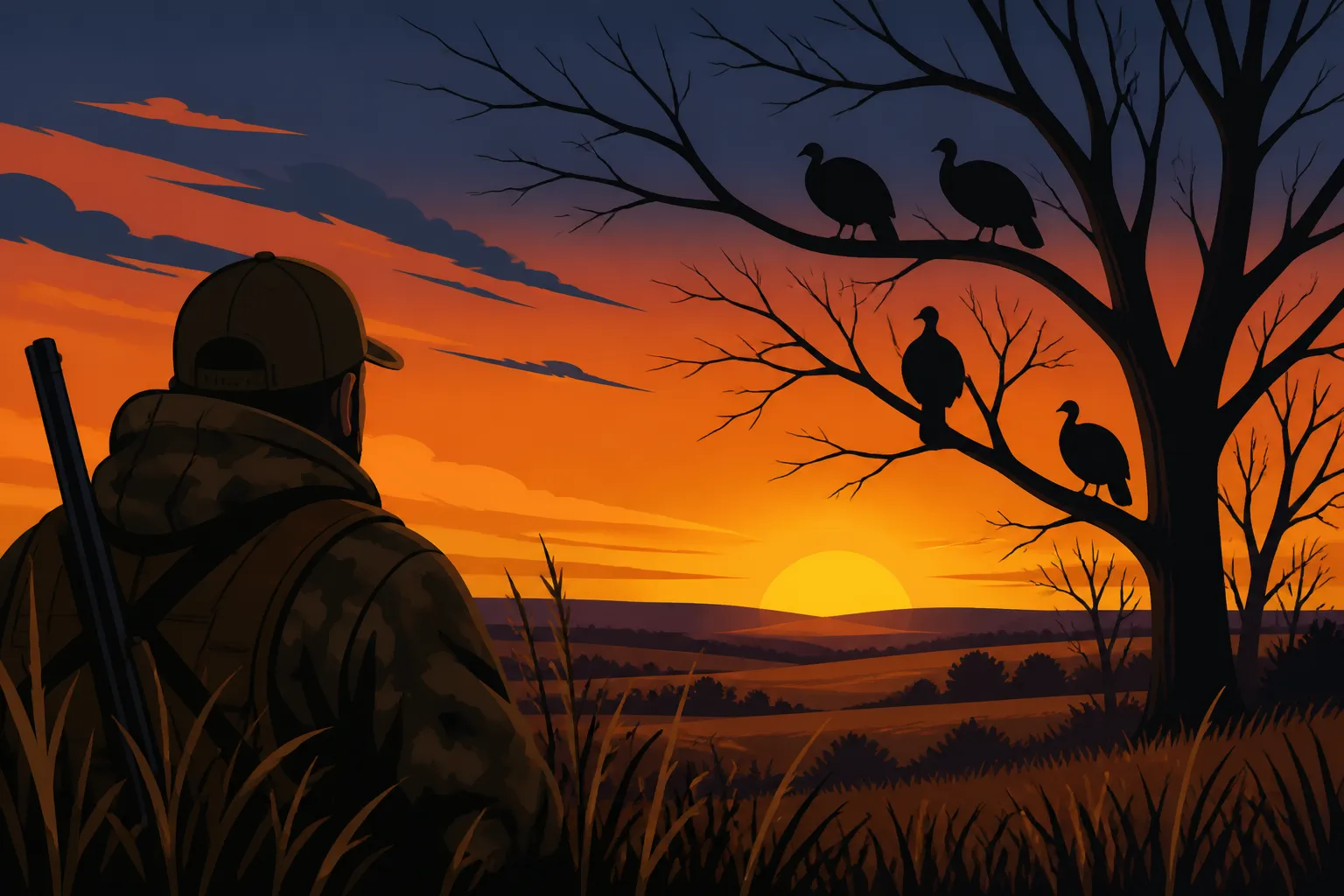
The most productive time to roost turkeys is during the "golden hour" leading up to sunset, and then for a short period after. This is when turkeys are actively flying up to their roost trees. As they settle in, they often let out a series of "good night" gobblers, wing beats, and sometimes even soft clucks and yelps.
- Just Before Sunset: Get into your chosen listening position at least an hour before official sunset. You want to be settled, quiet, and ready to listen.
- Around Sunset: This is often when the first distinct "fly-up" gobblers occur. Listen for loud wing beats as birds launch themselves from the ground into the lower limbs, then ascend higher.
- 15-30 Minutes After Sunset: Even after it seems quiet, birds will often continue to gobble intermittently as they get comfortable or if another gobbler sounds off. Stay put and keep listening. Sometimes a soft hoot owl or crow call can trigger a final "shock gobble" before they settle down completely for the night.
Wind, Rain, and Other Noise Factors
Weather conditions significantly impact your ability to hear roosting turkeys. Being aware of these factors will help you choose the best evenings to scout and the most effective listening locations.
- Wind: High winds are the bane of turkey roosting. Strong winds can carry sound away, drown out distant gobblers, and generally make turkeys less vocal. On windy evenings, try to get into sheltered areas, perhaps on the lee side of a timber block or deep within a creek bottom where the wind noise is less intrusive.
- Rain: Light rain can dampen sound, but a heavy downpour will almost guarantee silent birds. However, as mentioned, the day after a rain can be fantastic for roosting, as turkeys are often very vocal once the weather clears.
- Ambient Noise: Proximity to highways, busy roads, or even barking dogs can make hearing distant gobblers incredibly difficult. Use your e-scouting tools, like the terrain and satellite views on GoHunt, to identify potential listening posts away from significant noise pollution.
- Temperature: While not as critical as wind or rain, extremely cold or hot evenings can sometimes affect turkey vocalizations. Mild, calm evenings are generally the most productive.
Timing Your Roosting Efforts
You don't need to try and roost every single evening of the season. Focus your efforts strategically:
- Before Your Hunt: If you have a specific date for a hunt, try to get out and roost 1-3 evenings beforehand. This gives you multiple chances to locate birds and allows for weather cancellations.
- After a Cold Front: When a cold front passes and brings clear, calm conditions, turkeys often get very active. This is a prime time to listen.
- Mid-Week Scouting: Weekends often see increased pressure on public lands. Scouting on a Tuesday or Wednesday evening can give you a clearer picture of bird activity without as much human disturbance.
| Condition/Time | Ideal for Roosting Turkeys | Less Ideal for Roosting Turkeys |
|---|---|---|
| Time of Day | 1 hour before sunset to 30 mins after sunset | Mid-day, Deep in the night |
| Wind Speed | Calm to light breeze (0-10 mph) | Strong winds (15+ mph), especially gusting |
| Precipitation | Clear, or immediately after a light rain has passed | Heavy rain, ongoing drizzle, thunderstorms |
| Temperature | Mild, moderate temperatures (40-70°F) | Extremely cold (<30°F) or excessively hot (>80°F) |
| Sky Conditions | Clear skies, partly cloudy | Overcast, foggy, extremely dark |
| Ambient Noise | Low human activity, quiet rural areas | Near highways, active farms, barking dogs |
| Gobbling Activity | Regular "good night" gobbles, shock gobbles to locator calls | Silent birds, only occasional soft clucks |
Tools and Techniques for Effective Evening Scouting
Successful roosting isn't just about listening; it's about preparation, strategic movement, and utilizing the right tools. From the comfort of your home to the quiet of the Kansas countryside, a systematic approach will maximize your chances.
E-Scouting Before You Hit the Field
Before you even leave your house, modern technology can give you a massive head start. Mapping applications like GoHunt are invaluable for identifying potential roosting areas.
- Topographical and Satellite Imagery: Zoom in on your chosen hunting area, whether it's public land or a private farm. Look for key features:
- Timber blocks: Identify the largest blocks of timber, especially those bordering open fields.
- River and Creek Systems: Trace these waterways. They almost always have the largest, most mature trees. Look for bends or wider sections where timber expands.
- Shelterbelts and Field Edges: In flat farm country, isolated lines of trees or timber points can be gold.
- Elevation Changes: While Kansas is generally flat, even subtle changes can concentrate trees or create listening advantages.
- Public Land Layers: If you're hunting public land in Kansas, use the public land layers on GoHunt to clearly delineate boundaries. This helps you identify legal access points and plan routes that don't bump deer or turkeys. Understanding how Kansas Walk-In Hunting Access (WIHA) works is crucial here.
- Plan Your Listening Posts: Mark several potential listening locations on your map – points that offer good sound transmission (e.g., elevated spots, clearings), are easily accessible, and allow you to cover different timber blocks or creek stretches.
Boots on the Ground: Strategic Listening Points
Once you have your e-scouting complete, it's time for physical scouting. The goal is to move quietly and efficiently to your predetermined listening posts, disturbing the area as little as possible.
- Silent Approach: Drive or walk to your listening spots as stealthily as possible. Turn off your vehicle well before you arrive and coast in, or park a good distance away and walk.
- Multiple Positions: Don't just pick one spot. Plan to move to 2-3 different listening points within a general area. A gobble might be muffled from one direction but clear from another.
- Use Natural Sound Breaks: Position yourself where sound carries well, often on the edge of an open field looking into timber, or at a high point overlooking a creek bottom. Think about how wind and thermals on a river bank can affect sound.
- Stay Hidden: While you're primarily listening, remain unseen. If a turkey flies up unexpectedly close, you don't want to silhouette yourself.
The Art of the Locator Call
Sometimes, turkeys need a little encouragement to gobble. This is where locator calls come in. The key is to use them sparingly and strategically, as loud, repetitive calling can alert birds to your presence in a negative way.
- Crow Calls: This is perhaps the most common and effective locator call. A loud, sharp crow call can often elicit a shock gobble without putting the turkey on high alert.
- Owl Hooters: Used often in the early morning, an owl hooter can also work effectively at dusk. Its natural sound mimics a common forest resident.
- Coyote Howls: A natural sound that can sometimes trigger a nervous gobble from a distant bird.
- When to Use: Only use a locator call if you haven't heard a natural gobble for 10-15 minutes, or if you want to confirm the exact location of a faint gobble. After a gobble, put the call away and just listen.
- Don't Overdo It: A couple of well-placed calls are usually sufficient. If a gobbler is there and willing to talk, he'll give himself up. If he doesn't respond, move to your next listening point rather than badgering him.
Interpreting Roost Sounds and Signs
Once you're out there, listening intently, it's critical to know what you're hearing and what it means. Turkeys make a variety of sounds around roosting time, and distinguishing between them can help you pinpoint their exact location and plan your next-day strategy.
The Distinctive Shock Gobble
The "shock gobble" is your primary target when roosting. This is a reflexive gobble a tom makes in response to a sudden, loud noise. It's not a voluntary call directed at hens; it's an involuntary outburst.
- Identifying It: A shock gobble often sounds more immediate and explosive than a typical "courting" gobble. It might be a single, sharp "gobble!" rather than a longer series.
- Using It to Pinpoint: When you hear a shock gobble, immediately try to triangulate the sound. Where did it come from? How far away? What direction? If you have a partner, you can stand a distance apart, and both try to get a bearing. The intersection of your bearings will give you a very precise location.
- Confirming the Roost: Once you get a strong shock gobble response from a locator call, cease calling. Listen for natural gobbles, wing beats, or other sounds that confirm the turkey is settling into a tree. If you heard the gobble, and then some wing flapping, you've likely found a roost.
Wing Beats and Fly-Up Noises
Beyond the gobble, the sound of turkeys flying up to roost is an undeniable clue. This is often a loud, unmistakable flurry of wing beats.
- The Sound: It's a deep, powerful "whoosh-whoosh-whoosh" as the large birds propel themselves upward. This sound is especially audible in the quiet of dusk.
- What It Tells You: Hearing fly-up sounds tells you not only that turkeys are in the area but often gives you a very accurate fix on the specific tree or cluster of trees they're using. Multiple sets of wing beats indicate a flock.
- Listen for Direction: Pay attention to the direction of the wing beats. Did they fly up from the field edge into the timber? Or deeper into the woods? This can inform your entry point the next morning.
Visual Confirmation with Optics
While sound is your primary tool for roosting, don't underestimate the power of your eyes, especially with good optics.
- Binoculars and Spotting Scopes: If you can position yourself on higher ground or a field edge, use binoculars or a spotting scope to scan the tops of prominent trees, particularly those identified during e-scouting. Look for dark silhouettes against the fading sky.
- Fading Light Advantage: Turkeys can be surprisingly visible for a short window as they fly up, even in low light, if they pass through an open sky.
- Don't Scare Them: Never try to get too close for a visual confirmation. If you spook a turkey off its roost, it will fly off to another spot, and you'll have to start all over again, potentially burning out the area. Your goal is to gather information silently and discreetly.
Post-Roosting Strategy: Setting Up for Success the Next Morning
Finding a roosted turkey is only half the battle. The next crucial step is to develop a flawless plan for the following morning that leverages your newfound knowledge without spooking the bird. This involves a stealthy exit, a well-planned pre-dawn entry, and considering all environmental factors.
Silent Departure from the Roost Area
Once you've confirmed a roosted gobbler (or flock), the absolute most important thing is to leave the area silently and without alerting the birds. Any noise, a slamming car door, or a sudden beam of light can send them flying off the roost in the dark, undoing all your hard work.
- Move Slow and Quiet: Turn off your vehicle's engine and lights well before you reach your parking spot. Walk slowly and deliberately, avoiding crunching leaves or breaking branches.
- No Headlamps or Flashlights: Unless absolutely necessary for safety, avoid using a headlamp. Your eyes will adjust to the ambient light, and a bright beam can easily spook birds, especially if they are roosted relatively close.
- Mark Your Location: As you leave, make a mental note or use your GoHunt app to mark the exact roost tree and your intended setup point for the morning. This is crucial for navigating in the dark.
- Plan Your Exit Route: Ensure your departure route takes you away from the roosting tree, not past or under it. Minimizing disturbance now maximizes your chances for a successful hunt tomorrow.
Pre-Dawn Setup for Fly-Down
The early bird gets the worm, or in this case, the gobbler. You need to be in position well before first light, which means an even earlier wake-up call than usual.
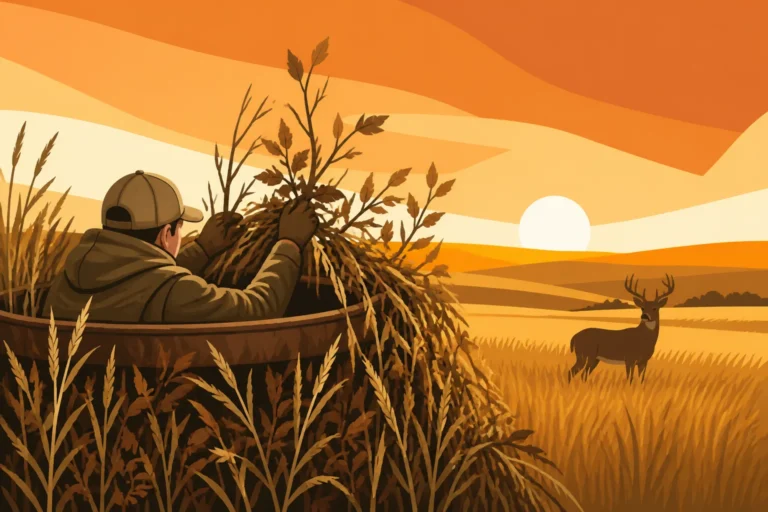
- Early Arrival: Aim to arrive at your planned setup location at least 45 minutes to an hour before legal shooting light. This gives you ample time to get settled, brush in your blind if you’re using one, and prepare your calls and decoys without rushing.
- Strategic Positioning: Based on your knowledge of the roost tree and the surrounding terrain, choose a setup location that offers:
- Good visibility: You need to see the birds when they fly down and approach.
- Shooting lanes: Clear lines of fire for your weapon.
- Cover: Enough natural cover to break up your outline, especially if you're not using a ground blind. Remember, you want to get into your position without movement, similar to how you would hunt from a blind without movement to avoid spooking game.
- Proximity to the roost: You want to be within easy calling distance, but not so close that the birds can pick you out on the roost. Generally, 100-200 yards is a good starting point, depending on the terrain and vegetation.
- Consider Access Routes: Plan your route to the setup location meticulously. Choose an access route that doesn’t bump deer or turkeys, skirts around potential bedding areas, and allows for the quietest approach. This might involve walking through open fields, following ditch lines, or utilizing natural terrain features to stay hidden.
- Decoy Placement: If you plan to use decoys, set them up facing the direction you expect the gobbler to approach, giving him a clear view from the roost and a good landing spot. Positioning them for decoy placement and wind direction is critical.
Accounting for Wind, Thermals, and Natural Obstacles
Even with a roosted bird, mother nature can throw curveballs. Anticipating these will further refine your morning strategy.
- Wind Direction: Turkeys will almost always fly down facing into the wind. Use this knowledge to predict their fly-down path and position yourself accordingly. You want the gobbler to work into your calling and decoys, presenting a good shot.
- Thermals: As the sun rises, thermals begin to lift from lower elevations. In a river bottom or creek draw, scent might be carried upwards. Always try to position yourself so your scent is blowing away from the expected approach of the gobbler. Understanding wind and thermals on a river bank is particularly relevant here.
- Obstacles: Re-evaluate any fences, thick brush, ditches, or creek crossings between the roost tree and your setup. How will the turkey navigate these? How will you navigate them if you need to move? Having a clear understanding of fence crossings deer use every day can provide clues for turkey movement as well.
- Contingency Plan: What if the gobbler flies down in an unexpected direction? What if he pitches down silently and goes the other way? Have a backup plan. This might involve a subtle move to a new position, or switching to run-and-gun turkey tactics on Kansas walk-in ground if the situation calls for it. Being prepared for the unexpected is key to salvaging a hunt.
Roosting a turkey the night before is an art, but with practice, patience, and a keen understanding of their habits and habitat, you can turn those frustrating guessing games into consistent success stories in the Kansas turkey woods.
Disclaimer
Hunting is an inherently dangerous activity. Always follow all local, state, and federal hunting regulations. Ensure you have the proper licenses and permits. Prioritize safety by wearing appropriate gear, knowing your weapon, and communicating your hunt plan with others. The information provided here is for educational purposes only and should not replace professional guidance or official regulations.