Getting a Deer Out of a River Bottom Alone
You’ve done everything right: spent countless hours scouting, endured the cold, waited patiently, and finally, made a perfect shot on a magnificent Kansas whitetail. The adrenaline is pumping, the excitement is palpable… until you look around and realize your prize has fallen deep within a tangled, muddy river bottom, and you're miles from your vehicle, completely alone. That sinking feeling of "now what?" is all too common. This guide is here to help you conquer that challenge, providing practical strategies, essential gear recommendations, and a resilient mindset for safely and efficiently getting your deer out of even the toughest Kansas river bottoms when you're by yourself.
The Unique Challenges of River Bottoms
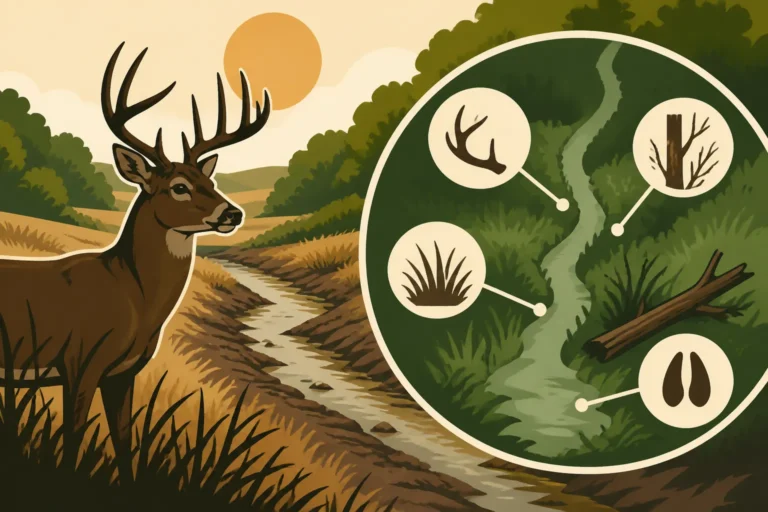
Kansas river bottoms and creek draws are magnets for big whitetails, offering dense cover, consistent water sources, and often, nutrient-rich soil that supports impressive deer. But what makes them prime hunting spots also makes them notoriously difficult for deer recovery, especially when you're hunting solo. The terrain isn't forgiving, and underestimating it can lead to injury, lost game, or just a miserable, exhausting experience.
Navigating Mud, Water, and Dense Cover
Imagine trying to drag a 200-pound animal through a thicket of tangled honeysuckle, across a muddy slough, and over fallen logs, all while trying to maintain your footing. That's the reality of a Kansas river bottom. These areas are often choked with multiflora rose, osage orange, and thick stands of mature timber, making a straight path impossible. Add in the prevalence of standing water, hidden muck, and slick banks from recent rains, and you’ve got a recipe for a real struggle. The heavy, clay-rich soil typical of many Kansas river systems can turn firm ground into a boot-sucking quagmire with just a little moisture, compounding the effort required for every single foot of movement. This kind of environment can quickly drain your energy, making every step feel like walking through quicksand.
The Problem of Elevation Changes and Steep Banks
While Kansas might be known for its relatively flat topography, river and creek bottoms are the exception. They often feature dramatic, sudden elevation changes, with steep banks dropping down into the watercourse. Getting a deer down a steep bank can be a controlled slide, but getting one up the opposite side is a Herculean task for a solo hunter. These banks might be eroded, crumbly, or covered in slick vegetation, presenting serious fall hazards. Furthermore, once you're down in the bottom, finding a suitable exit point that isn't a sheer cliff can be a major challenge. You might follow the flow of the river for a considerable distance, wasting precious time and energy, before locating a gradual slope suitable for hauling out. Understanding these choke points and potential natural ramps is critical during your initial scouting.
Wildlife Activity and Predator Concerns
River bottoms, by their very nature, are teeming with wildlife. While this is great for hunting, it also means predators are present. Coyotes are abundant in Kansas and are opportunistic scavengers. While they rarely pose a direct threat to a living hunter, a downed deer left unattended, even for a short time, can become a target. If you're forced to leave your deer overnight due to an impossible solo extraction, especially in warmer weather, you run the risk of significant spoilage or predation. There's also the subtle mental pressure of knowing other creatures are moving through the same dense cover, adding to the feeling of isolation and urgency as you work to recover your game. Keeping your senses sharp and being aware of your surroundings, even after the shot, is always a good practice.
Essential Gear for Solo Extraction
When you're facing the daunting task of extracting a deer alone from a challenging environment, having the right tools isn't just helpful – it's absolutely critical for success and safety. Skimping on gear here is a mistake many hunters make, only to regret it when faced with an immovable object far from the truck. Think of your extraction gear as an extension of your hunting kit; it’s just as important as your weapon.
Selecting the Right Deer Cart or Sled
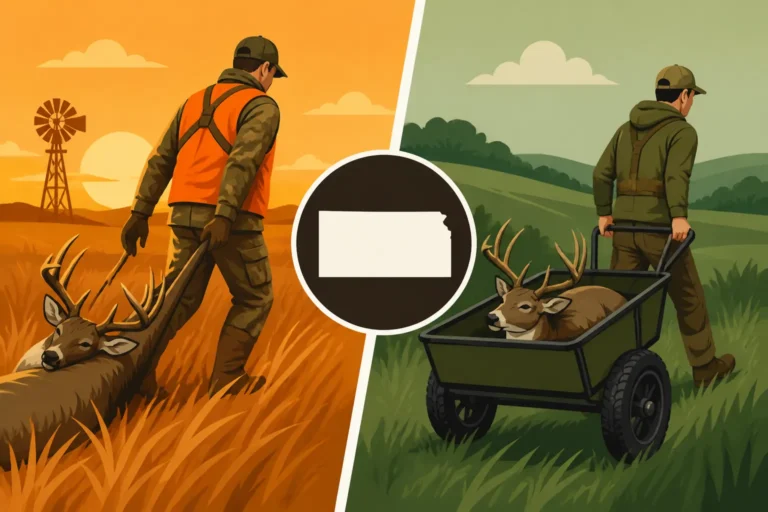
A good deer cart is probably the most valuable piece of equipment for a solo hunter needing to move a large animal. Forget those flimsy, two-wheeled luggage carts; you need something robust. Look for carts with large, pneumatic tires that can roll over logs, rocks, and mud without sinking. A sturdy frame, preferably aluminum to keep weight down, is essential. Some carts even feature a brake system or a kickstand, which can be invaluable when trying to load a heavy deer by yourself on uneven ground. You'll want a cart that can handle at least 250-300 pounds. While a quality cart is an investment, it will save your back and countless hours of grueling labor over the years. Alternatively, a heavy-duty plastic sled can work wonders in mud, snow, or even dry grass. These sleds simply reduce the friction of dragging, making the job much easier. Companies like Jet Sled offer durable options that can be pulled by hand or even hitched to an ATV if you have access. When considering a cart, think about its folded size and how easily it can be transported to your hunting area. If you're going deep into a public land tract, a collapsible design is key. For more insights on this topic, check out our guide on Deer Carts on Walk-In Ground.
The Importance of Strong Ropes and Winches
Beyond a cart, a good length of strong rope is non-negotiable. I always carry at least 50 feet of sturdy, static rope – something like a high-tensile nylon or polypropylene rope that doesn't stretch much. This isn't for tying up bundles of sticks; this is for serious hauling. It can be used to secure your deer to a cart, create a makeshift drag harness, or, crucially, for mechanical advantage. If you encounter a steep bank, you can tie off one end to a tree at the top, loop the other end around the deer (or parts of it), and use your body weight for a controlled descent or ascent. For truly impossible situations, a compact, hand-crank winch or a "come-along" can be a lifesaver. These devices use a ratcheting mechanism to gradually pull heavy loads. While they add weight to your pack, the ability to move hundreds of pounds with minimal effort can mean the difference between recovering your deer and leaving it behind. Just remember, practice using these tools at home before you're in a high-stress situation in the field.
Field Dressing Kit and Quartering Tools
Before any hauling begins, proper field dressing is paramount, especially in Kansas's often warm early-season temperatures. A complete field dressing kit should include a sharp knife (or two, with a sharpener), surgical gloves, wet wipes, and a few contractor-grade trash bags for organs or waste. For solo river bottom extractions, however, you might need to take it a step further: quartering. This means breaking the deer down into manageable pieces right where it lies. For this, you'll want a bone saw or a stout hatchet, and several game bags. Game bags are breathable cloth bags designed to protect meat from dirt, insects, and debris while allowing it to cool. Brands like T.A.G. Bags or Alaskan Game Bags are popular for their durability and efficacy. Being prepared to quarter your deer on the spot significantly reduces the weight you need to move at any one time, transforming an impossible drag into several more manageable trips. This process can be much quicker and less strenuous than trying to drag a whole deer out of an inaccessible area. We cover this process in more detail in our article on Quartering a Deer in the Field, which can be extremely helpful.
Pre-Hunt Planning and Scouting
The battle for deer recovery often begins long before you ever leave your truck. For solo hunters venturing into Kansas river bottoms, pre-hunt planning and meticulous scouting are not just good ideas—they are absolutely essential. Failing to plan for extraction is planning to fail, or at least planning for an unnecessarily brutal experience. This foresight can save you hours of physical labor, ensure a quicker recovery, and ultimately, get your venison into the freezer in prime condition.
Identifying Potential Extraction Routes
When you're scouting a new river bottom, don't just look for deer sign or stand locations; actively identify potential routes you could use to get a deer out. Walk these paths if possible. Look for subtle changes in elevation that might make a slope navigable with a cart. Are there any natural ramps or eroded ditches that offer a more gradual climb out of the bottom? Pay attention to pinch points and funnels that might force deer movement, as these could also dictate your recovery path. Think about areas with fewer fallen trees or less dense undergrowth. Sometimes, the path of least resistance isn't a straight line; it might involve a longer, winding route that avoids the thickest, muddiest sections. Map these out in your head, or better yet, mark them on your digital mapping app. Knowing your exit strategy before you even hang a stand can alleviate a lot of stress after the shot.
Utilizing E-Scouting Tools
In today's hunting world, digital mapping tools are invaluable, especially for pre-hunt scouting. Platforms like GoHunt, onX Hunt, or BaseMap allow you to analyze aerial imagery, topo maps, and land ownership from the comfort of your home. Before you ever step foot on a property, use these tools to identify potential access points, pinpoint areas of dense cover, and locate those crucial elevation changes. Look for contour lines that indicate gentler slopes along the river or creek. Zoom in on satellite imagery to spot open timber patches or old logging roads that might provide easier dragging. You can even mark potential stand sites, bedding areas, and, yes, extraction routes. The ability to overlay different map layers, such as public land boundaries, is especially useful for Scouting Kansas River Bottoms and Creek Draws on publicly accessible areas. Don't just rely on pretty pictures; use the mapping features to measure distances, mark waypoints for easy navigation, and save specific routes. This digital reconnaissance can save you countless hours of unproductive boots-on-the-ground scouting and help you strategize the most efficient path out, even when you're hunting alone.
Parking and Access Considerations
It seems obvious, but where you park and how you access your hunting area plays a huge role in solo deer recovery. When hunting river bottoms, consider parking as close as legally and practically possible to potential extraction points. If you know there's a gentle slope out of the bottom 800 yards upstream from your stand, and a road is accessible there, plan your exit strategy around that spot. Sometimes, this means Parking Away From Your Stand and walking a bit further at the beginning of your hunt, but it can drastically reduce your hauling distance and effort with a heavy deer. Pay attention to private land boundaries shown on your GoHunt app or paper maps; ensure your planned extraction route doesn't inadvertently lead you into a trespassing situation, which can only add complications to an already tough task. If possible, scout multiple access points and have a primary and secondary plan. Consider bringing a bicycle or an e-bike if trails allow, to quickly shuttle your gear or even quartered meat closer to your vehicle, minimizing the actual carrying distance.
On-Site Strategy After the Shot
You've made the shot, found your deer, and now the real work begins. The decisions you make immediately after recovery can dramatically affect the ease of extraction, the quality of your meat, and your personal safety. Rushing through these crucial steps or making poor choices in the moment of excitement can turn a successful hunt into a frustrating ordeal. Prioritize efficiency and preservation of the meat above all else.
Efficient Field Dressing Techniques
The very first step, after taking a moment to appreciate your harvest, is to field dress the deer. This removes the entrails, significantly reducing the overall weight of the animal and, more importantly, allowing the carcass to cool down rapidly. This is absolutely vital, especially if you're hunting during Kansas's warmer early archery season or during a mild firearms season in December. The internal organs hold a tremendous amount of heat, and if not removed quickly, they can cause the meat to spoil. Lay the deer on a slight incline if possible, belly-side up, to help with drainage. Use sharp knives and work carefully to avoid puncturing the stomach or intestines. A pair of rubber gloves is a must for hygiene. Our guide on Field Dressing in Warm Kansas Weather offers detailed advice on this critical step, emphasizing speed and cleanliness. Removing the heart, liver, and any other desired organs should be done first, setting them aside in a game bag if you plan to keep them. The goal is to get the cavity open and everything out as quickly and cleanly as possible.
Cooling the Carcass in Warm Weather
Once field dressed, the deer needs to cool down. In a hot Kansas river bottom, this can be a significant challenge. If there's any breeze, try to position the deer in a way that allows air circulation through the cavity. Prop the cavity open with a stick to maximize airflow. If you're near a creek, avoid submerging the deer directly, as this can introduce bacteria and make the hair wet and heavier for dragging. However, placing the deer in a shaded area and even putting bags of ice (if you brought them) into the cavity can dramatically help. If you anticipate a long, strenuous haul, and especially if temperatures are above 40-50°F, quartering the deer immediately might be the best option to facilitate rapid cooling of the individual meat sections. Hanging the deer, even for a short time from a sturdy limb if available, will help with drainage and air circulation. Remember, rapid cooling is your best defense against meat spoilage and is a non-negotiable step in warmer conditions.
Quartering a Deer in the Field
When facing an impossible drag out of a deep river bottom alone, quartering the deer in the field is often the smartest, albeit messiest, solution. This involves breaking the deer down into its primal cuts right where it lies. You'll remove the front shoulders, hindquarters, backstraps, and tenderloins. Many hunters also take the neck meat and trimmings. This process distributes the weight into more manageable loads that can be carried in a pack, greatly reducing the physical strain compared to dragging a whole animal. You'll need a sharp knife, a bone saw, and several sturdy game bags for this. Lay down a tarp or plastic sheet if you have one to keep the meat clean while you work. Start by skinning one side, then detach the front leg at the shoulder blade (no bone attachment). Next, separate the hind leg at the ball-and-socket joint of the hip. Then, you can remove the backstraps running along the spine. Finally, reach inside the cavity for the tenderloins. Repeat on the other side. This method, while requiring more time initially, will make the actual "getting out" process far more efficient and less damaging to the meat, as it prevents grinding dirt into the hide and meat from dragging. Our detailed guide on Quartering a Deer in the Field provides a step-by-step breakdown.
Extraction Techniques for Solo Hunters
After field dressing and perhaps quartering, the real physical challenge of extraction begins. This is where your planning, gear, and sheer determination come into play. Solo hunters must be resourceful and understand their physical limits. Don't be a hero; use smart techniques to make the task manageable.
Dragging Strategies and Body Mechanics
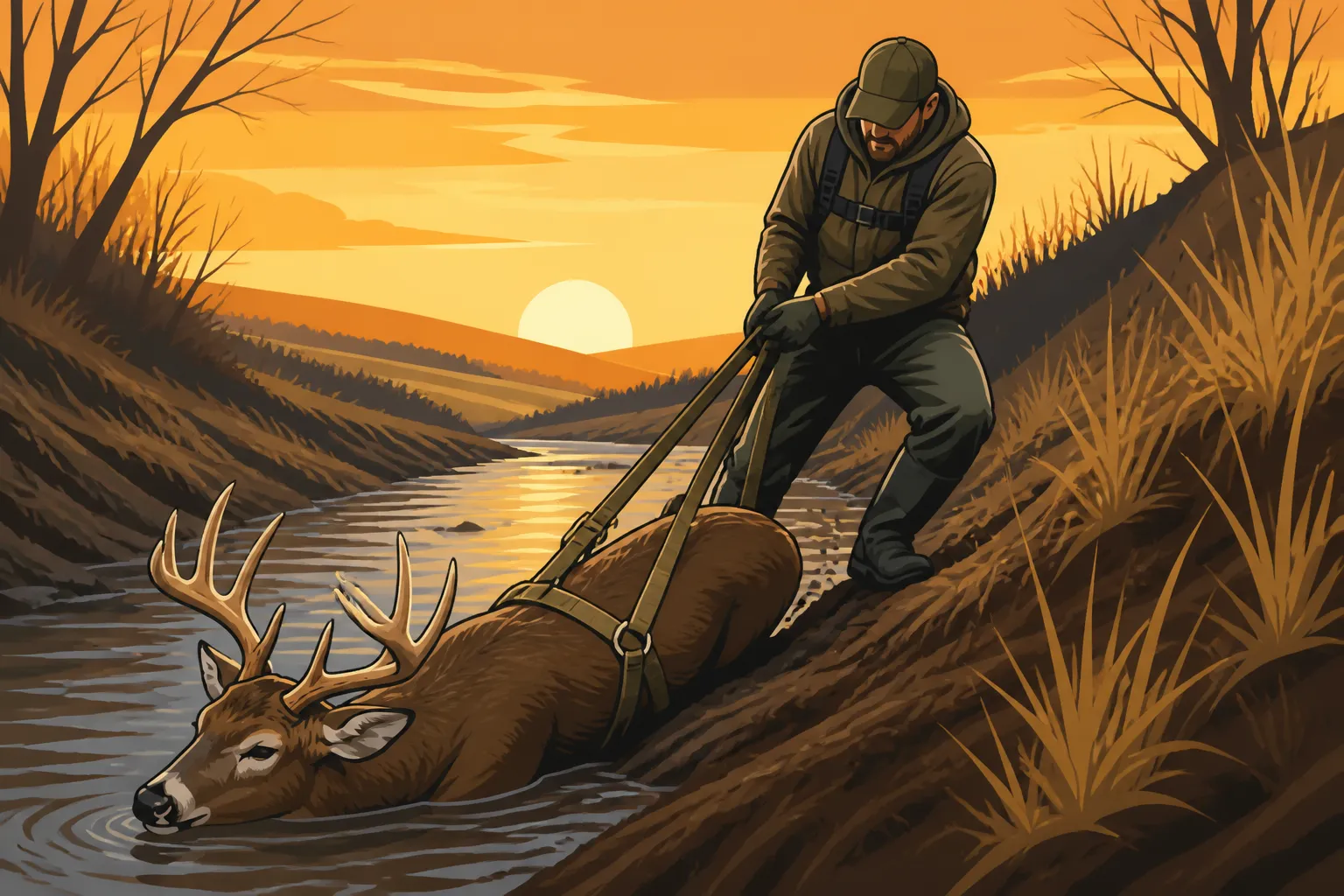
If you decide to drag your deer whole, which is often feasible for smaller does or if you’ve managed to drop the deer close to an accessible exit, proper technique is crucial to prevent injury. First, invest in a quality drag harness that goes over your shoulders and chest, distributing the weight evenly across your torso. Never try to drag a deer by hand for any significant distance; you'll quickly fatigue your back and arms. When dragging, keep your back straight, bend your knees, and use your legs to power the pull. Take small, controlled steps. When encountering obstacles like logs, try to pivot the deer over them rather than lifting it directly. If the ground is muddy or soft, try to find a drier path, even if it's a bit longer.
| Dragging Scenario | Strategy | Pros | Cons |
|---|---|---|---|
| Whole Deer, Short Distance, Flat Ground | Use a chest/shoulder harness, maintain good posture. | Quickest for short hauls, minimal breakdown. | Very high physical strain, meat contamination risk. |
| Whole Deer, Moderate Distance, Obstacles | Use a robust deer sled with harness; pivot over logs. | Reduces friction, protects meat from dirt. | Sled can get stuck, adds gear to carry. |
| Quartered Deer, Any Distance | Backpack out individual game bags. | Most manageable weight per trip, best for cooling. | Requires multiple trips, more field work. |
Remember to take frequent breaks. Push too hard, and you risk muscle strains or worse. Stay hydrated. Dragging a whole deer, especially a large Kansas buck, through a river bottom is one of the most physically demanding aspects of hunting. If possible, consider dragging it to a more accessible spot and then calling a friend for help, even if they can only meet you part way. For more advanced dragging tactics, you might find ideas in a general guide about Getting a Deer Out of a River Bottom Alone.
Using Deer Carts on Uneven Terrain
A deer cart is a game-changer for solo extractions, but navigating uneven river bottom terrain with one still requires skill. The key is balance and momentum. Load the deer onto the cart carefully, ensuring it's centered to distribute weight evenly. Secure it firmly with straps or bungee cords so it doesn't shift. When pushing or pulling, approach obstacles like downed logs or ditches at an angle to prevent the cart from tipping. Use your body to help balance the load, leaning into turns or lifting the handles slightly over bumps. On steep, muddy banks, it might be necessary to unload the deer, haul the cart up, then return to hoist the deer or its quarters up separately. If the slope is too severe, you can also use your rope to lower the loaded cart down a bank in a controlled manner, tied off to a tree, or to pull it up a gradual incline. Remember that the large wheels are your friend, but they still need a relatively clear path. Sometimes, it's worth clearing a few small branches with a saw or machete to create a smoother lane for the cart. Always think two steps ahead about how the cart will handle the next patch of ground.
Backpacking Out Quarters
When the terrain is truly impassable for a cart or dragging a whole deer is simply too much, backpacking out quartered meat is the most practical and often safest method for solo hunters. After meticulously quartering and bagging your deer in the field, load the meat into a sturdy hunting backpack. A frame pack designed for hauling heavy loads is ideal, as it distributes weight effectively onto your hips and can handle the bulk. Depending on the size of the deer and your physical conditioning, you might need to make two or even three trips. The benefit here is immense: you're moving smaller, more manageable loads, which is far less taxing than trying to move hundreds of pounds at once. This method also allows the meat to cool more effectively within the breathable game bags, preserving its quality. On the first trip, prioritize the most valuable cuts like the backstraps and hindquarters. On subsequent trips, you can retrieve the front shoulders, neck meat, and any remaining desired cuts. Always mark the location of your remaining meat with flagging tape or a waypoint on your GPS/phone if you leave it to ensure you can find it easily, especially if you're taking multiple trips and the light is fading. Remember to keep a vigilant eye on the path as you ferry meat out; tired legs can lead to missteps. For those who embrace a mobile hunting approach, Mobile Hunting With a Saddle in Kansas often means carrying less gear into the woods, but it also necessitates a plan for backpacking out the deer if it falls deep.
Safety First: Avoiding Injury and Getting Help
Recovering a deer alone from a river bottom is inherently risky. The combination of heavy lifting, uneven terrain, potential fatigue, and isolation creates a situation ripe for accidents. Your primary goal, even after the shot, is to get yourself and your game out safely. Pushing your physical limits too far can lead to serious injury, which could leave you stranded in a remote area without immediate help.
Managing Physical Exertion and Hydration
Dragging or carrying a deer, even when quartered, is incredibly strenuous. It's easy to get tunnel vision and push yourself beyond your limits in the rush to recover your animal. This is where injuries happen. Take frequent breaks. Stop, breathe deeply, stretch, and assess your progress. If your muscles start to cramp or you feel lightheaded, that's your body telling you to slow down. Hydration is key. Always carry more water than you think you'll need, even on a cool day, because the exertion of extraction can quickly lead to dehydration. Sports drinks with electrolytes can also be beneficial to replenish what you're sweating out. Avoid hunting when you're already feeling under the weather or overly fatigued. Listen to your body; it's better to make an extra trip or even leave the deer overnight (if weather permits cooling and predation isn't an immediate threat) than to injure yourself miles from help.
Communication Devices and Emergency Plans
Being alone in a remote Kansas river bottom means you need a rock-solid communication plan. Your cell phone might not have service deep in a draw. This is where a satellite messenger device, like those from Garmin inReach or Zoleo, becomes a critical piece of gear. These devices allow you to send texts even without cell service and, crucially, have an SOS button that connects you directly to emergency services worldwide. Always let someone know your exact hunting location and your expected return time. Give them a detailed trip plan, including your intended access points and the general area you'll be hunting. If you're going to be out of cell service, tell them not to worry if you don't check in for a certain period, but to initiate an emergency contact if they don't hear from you by a specific, agreed-upon time. Carry a fully charged power bank for your phone and any other electronic devices. A whistle can also be useful for signaling if you run into trouble or if you need to alert other hunters to your presence. Remember, having a plan for help is just as important as having the tools to do the job yourself. When using tools like GoHunt, make sure to share your location with trusted contacts before heading out.
Post-Exertion Recovery
Once you've successfully extracted your deer, the work isn't entirely over. The physical toll can linger, and proper post-exertion recovery is important to prevent lasting aches and pains. Rehydrate thoroughly, eat a good meal, and get some rest. Take a warm shower or bath to soothe tired muscles. Stretch gently. If you experience unusual pain or discomfort, don't hesitate to seek medical attention. It's tempting to immediately start processing your deer, but sometimes a short break or even a full night's sleep before beginning the butchering process is the smartest move for your body. The exhilaration of a successful hunt can mask true fatigue, so be mindful of how your body feels in the hours and days following a strenuous recovery. After all that effort, you deserve to enjoy the fruits of your labor without being laid up with an injury.
Disclaimer
Hunting involves inherent risks, including physical exertion, navigating challenging terrain, and exposure to wildlife. This guide provides general advice and should not replace professional safety training, local regulations, or personal judgment. Always prioritize your safety, carry appropriate gear, and inform others of your hunting plans.