Finding a Kansas Lease for Deer
For many deer hunters in Kansas, the dream isn't just about punching a tag; it's about finding that special piece of ground, a place you can call your own for a season or more. The frustrating reality is that accessible public land often comes with heavy pressure, and knocking on doors for permission can feel like a fruitless endeavor. This guide is here to help you navigate the increasingly popular world of private land leasing, offering practical steps to find and secure a Kansas deer lease that might just become your hunting sanctuary.
Understanding the Kansas Deer Lease Landscape
Let's be honest, finding a truly great hunting spot in Kansas is getting harder every year. Public land is fantastic, and we're blessed with programs like Walk-In Hunting Access (WIHA), but it often means dealing with competition, crowded access points, and deer that are constantly on high alert. That's where the idea of leasing private land really starts to shine for many hunters looking for a more consistent, controlled experience.
Why Leasing is Becoming a Go-To Option
The drive to lease isn't just about avoiding other hunters, though that's certainly a big part of it. It's about securing a consistent piece of ground where you can implement your own strategies, invest your time, and truly get to know the deer patterns. Imagine scouting year-round, hanging stands in prime locations without worrying about someone else using them, and having the satisfaction of managing a property for better deer habitat. This sense of ownership and control over your hunting environment is incredibly appealing, especially after years of trying to beat the crowds on public tracts.
The frustration of showing up to your favorite public land spot only to find another truck already there is a feeling many of us know too well. Leasing offers a refuge from that constant stress. It allows you to build a long-term relationship with the land and the local wildlife, understanding nuances that only come from repeated, dedicated observation. You can focus on things like Kansas Whitetail Hunting Tactics Through the Rut or Early-Season Bowhunting Over Water without unexpected interference.
The Realities of Leasing in Kansas
Now, let's be realistic. Leasing isn't a magic bullet, and it comes with its own set of challenges, primarily cost and competition. Kansas is renowned for its big whitetails and abundant game, so demand for quality hunting leases is incredibly high. Landowners know the value of their ground, and lease prices reflect that. You're entering a competitive market, where good properties can get snapped up quickly, sometimes years in advance.
It's an investment, plain and simple. Not just financially, but in time and effort. You'll need to dedicate resources to not only find the right property but also to maintain the relationship with the landowner and potentially improve the habitat. Don't go into it expecting a cheap, easy solution. Think of it as a commitment to a premium hunting experience, and understand that due diligence on your part is essential to avoid disappointment. You want to make sure the ground lives up to its promise, and that means asking tough questions and doing your homework.
Where to Start Your Search for a Lease
So, you're ready to dive into the world of leasing. Fantastic! But where do you even begin? It can feel a bit overwhelming, like searching for a needle in a haystack, especially if you're not already connected to the rural Kansas community. The good news is there are several avenues to explore, each with its own advantages.
Leveraging Online Platforms and Resources
In today's digital age, online resources are often the first stop for hunters seeking a lease. There are numerous websites dedicated solely to listing hunting leases, often broken down by state, game species, and acreage. These platforms act as a marketplace, connecting landowners with potential lessees. Browsing these sites can give you a good idea of what's available, typical prices, and common lease terms. Be ready to act fast, though, as prime properties don't stay listed for long.
Beyond dedicated lease sites, don't underestimate the power of general online hunting forums and social media groups focused on Kansas hunting. Landowners or fellow hunters might post about available leases, or you could put out a "looking for lease" message yourself. When you find a potential property, tools like onX Hunt or GoHunt can be invaluable. They allow you to virtually scout the land, view aerial imagery, identify potential food plots, cover, and water sources, and even see property ownership details. This kind of E-Scouting Kansas Farm Country From Home can save you countless hours of driving.
Networking and Local Connections
While the internet is convenient, sometimes the best leases are found through old-fashioned networking. Many landowners prefer to lease to someone they know or someone referred by a trusted contact. Start by talking to people in rural communities. Visit local co-ops, diners, farm supply stores, or small-town hardware shops. Strike up conversations. You'd be surprised how often a casual chat about deer hunting can lead to a lead on an available lease.
Building relationships with local farmers, ranchers, and even other hunters can open doors that aren't advertised online. Offer to help with chores, attend local community events, or simply be a friendly face. The goodwill you build can pay dividends, as landowners often value a responsible, respectful hunter over the highest bidder from an unknown source. Sometimes, the best way to find a great piece of ground is to earn the trust of those who own it.
Exploring Lesser-Known Avenues
If online searches and networking aren't yielding results, it's time to get creative. Consider placing a "wanted" ad in local newspapers, especially those in smaller, rural towns known for good deer hunting. These ads can sometimes reach landowners who aren't tech-savvy or don't use lease listing services.
Another proactive approach is a direct mail campaign. Use mapping apps like onX Hunt to identify landowners in desirable areas, then send them a personalized letter explaining your interest in leasing. This shows initiative and targets specific properties you're interested in. Don't forget the power of just driving rural roads during the off-season. Keep an eye out for "Hunting Lease Available" signs, or even just properties that look like prime deer habitat. Sometimes you can spot a hidden gem and then use your mapping tools to Finding Property Lines in Kansas and identify the owner for a direct approach. It's a bit like cold-calling, but for land, and it can occasionally pay off big.
What to Look For in a Potential Deer Lease
Once you've identified a few potential lease properties, it's time to put on your scouting hat and really evaluate what you're getting into. Just because a property is available doesn't mean it's the right fit for your hunting goals. You need to assess the land, understand its potential, and ensure it aligns with your expectations.
Key Habitat Features and Deer Sign
The first thing to look for, naturally, is good deer habitat. This means a mosaic of cover, food, and water. Are there diverse timber stands, dense CRP (Conservation Reserve Program) fields, or thick cedar thickets that offer prime bedding cover? Deer need places to feel safe and hide from pressure. When you're Reading a Kansas Creek Bottom for Deer Sign, look for worn trails, old rubs, and recent scrapes that indicate consistent deer movement.
Beyond cover, evaluate the food sources. Kansas is an agricultural state, so crop fields are often a major draw. Standing corn, milo, alfalfa, or even cut bean fields can be magnets for deer. Understand the crop rotation on the property and adjacent lands. Milo and Corn Stubble Deer Patterns can be incredibly productive during late season hunts. Also, consider natural food sources like acorns, persimmons, and browse. Access to reliable water sources, especially in drier western Kansas, is also crucial. The more diverse and balanced the habitat, the more likely it is to hold and grow quality deer.
Access, Boundaries, and Neighboring Pressure
Before committing to a lease, thoroughly understand the access points and property boundaries. Can you get to your hunting spots without disturbing bedding areas? Are the property lines clearly marked with fences, purple paint, or natural features? Misunderstandings about boundaries can lead to uncomfortable situations or even trespass violations, so clarify this upfront. Referencing Kansas Trespass Law and Posted Land can help you understand your rights and responsibilities.
It's also vital to consider the hunting pressure on neighboring properties. A fantastic piece of ground can quickly become less appealing if surrounded by land that's heavily hunted or has a high volume of trespassers. Use mapping tools to see property divisions around the lease, and don't be shy about asking the landowner about their neighbors' hunting habits. Sometimes, a smaller, less "perfect" piece of ground with low surrounding pressure can be more productive than a larger tract that's constantly being pushed by external hunting activity.
Understanding the Landowner's Expectations
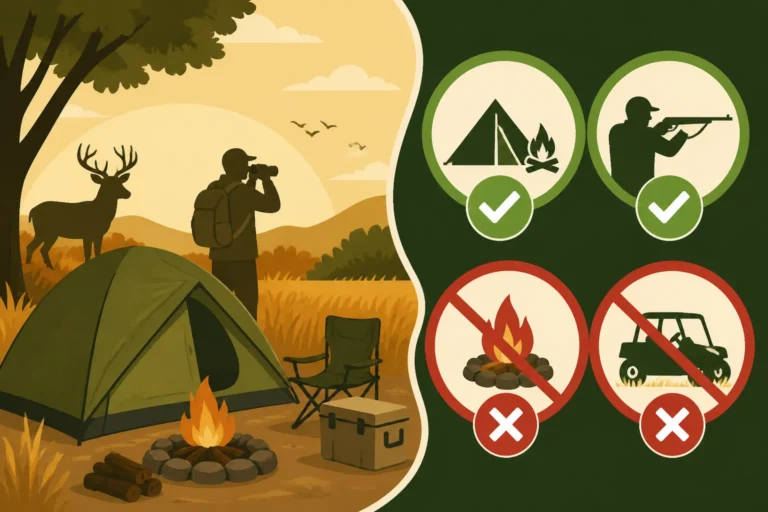
A successful lease relationship is a partnership. Before signing anything, have an open and honest conversation with the landowner about their expectations. What are their rules regarding ATVs, camping, guest hunters, or specific harvest limits? Do they have any concerns about property damage or maintaining farm equipment? Clarity here is paramount.
Some landowners might be open to habitat improvements, such as planting food plots or hinge-cutting timber, while others may prefer you leave things as they are. Make sure their vision aligns with your hunting style and management goals. For example, if you dream of managing for older, trophy-class bucks, but the landowner expects every legal deer to be taken, you might have a conflict. A clear understanding of these expectations from the outset will prevent headaches down the road and help establish a positive, long-lasting relationship.
Securing Your Lease and Building a Partnership
You've found the perfect piece of ground, you've scouted it, and you've had a great conversation with the landowner. Now comes the exciting part: making it official and embarking on what could be a fantastic long-term hunting opportunity.
Crafting a Clear Lease Agreement
Never, ever rely on a handshake deal for a hunting lease. A written lease agreement is essential for both your protection and the landowner's. This document should clearly outline all terms and conditions, leaving no room for ambiguity. Think of it as your roadmap for the season, or multiple seasons if it's a multi-year agreement.
Key elements to include are the lease dates (start and end), the exact amount of the lease fee and payment schedule, the specific species you are permitted to hunt, and the number of hunters allowed on the property. Detail any restrictions on vehicle use, tree stand placement, food plot planting, or the presence of non-hunting guests. Specify who is responsible for liability insurance, which is a huge topic to cover in any Lease Agreements and Liability. A well-drafted contract protects both parties and ensures that everyone is on the same page, preventing potential disputes down the line. It's an investment in peace of mind.
Managing Expectations and Building Trust
Once the ink is dry, your real work begins: building and maintaining a strong relationship with the landowner. This isn't just a transactional agreement; it's a partnership. Communicate regularly, but don't overdo it. Keep them informed of your activities, report anything unusual you notice on the property, and always follow through on your commitments.
Consider going above and beyond. Offer to help with small tasks around the farm, like fixing a fence post or clearing brush, even when you're not hunting. Show up to camp clean and leave it cleaner. Demonstrate respect for their land, their property, and their privacy. This kind of goodwill fosters trust and significantly increases your chances of renewing the lease for future seasons. Remember, a landowner with a good experience is far more likely to renew your lease than to seek out new, unknown hunters, especially in a competitive market where new hunters are always looking to pay top dollar.
Costs and Considerations
The financial commitment for a Kansas deer lease can vary widely depending on the unit, the quality of the ground, and the acreage. While we can't give specific figures, expect it to be a significant investment. Beyond the base lease price, factor in costs for liability insurance (often required by landowners), fuel for scouting and hunting trips, and any potential habitat improvements you might want to make. You can read more about typical ranges in Kansas Hunting Lease Costs.
The time commitment is another crucial consideration. Leasing is not a set-it-and-forget-it proposition. To truly maximize its potential, you'll need to invest time in scouting, stand placement, trail camera monitoring, and potentially habitat work. It's a year-round endeavor that pays dividends during hunting season. Consider all these factors when weighing a potential lease.
Here's a quick look at the pros and cons of different lease search methods:
| Search Method | Pros | Cons |
|---|---|---|
| Online Platforms | Wide selection, direct landowner contact often available, easy browsing | High competition, properties go fast, less personal connection |
| Networking/Word-of-Mouth | Builds trust, often leads to unlisted properties, local insights | Can be slow, relies on personal connections, inconsistent availability |
| Direct Mail/Driving Roads | Highly targeted, proactive, reaches non-online landowners | Low response rate, time-consuming, requires more initial research (e.g., Finding Property Lines in Kansas) |
Ultimately, finding a Kansas lease for deer hunting requires patience, persistence, and a willingness to invest. But for many, the rewards of having a private piece of prime whitetail ground are well worth the effort.
Disclaimer
This article is for general informational purposes only and does not constitute professional advice. Laws, prices and regulations vary by location and change over time. Consult a qualified professional for guidance on your specific situation.