Toronto Wildlife Area Access
It can be incredibly challenging to pinpoint a specific public hunting area in Kansas and understand exactly how to make the most of it. So often, you hear about a place, but getting down to the nitty-gritty of access points, regulations, and what game to expect can feel like a treasure hunt itself. This guide is here to unravel those mysteries for the Toronto Wildlife Area, helping you confidently plan your next hunting adventure.
Understanding the Toronto Wildlife Area
The Toronto Wildlife Area (WLA) is a gem tucked away in southeast Kansas, a place that offers a truly diverse hunting experience if you know how to approach it. Many hunters overlook these kinds of areas, driving right past them on the way to more famous spots, but they're missing out on some incredible opportunities. It's not just a patch of woods; it's a dynamic landscape managed specifically for wildlife and public recreation.
Location and General Characteristics
Situated in Woodson County, the Toronto Wildlife Area sprawls around Toronto Lake, offering a fantastic mix of habitats that Kansas is known for. You'll find expansive timbered tracts, especially along the Verdigris River and its tributaries, which is prime cover for deer and turkeys. Interspersed with these woodlands are fertile crop fields, often leased for agricultural purposes, providing critical food sources for a variety of game. Beyond the timber and fields, you'll encounter native grass prairies and managed grassland areas, perfect for upland birds. This blend of environments is what makes Toronto WLA stand out – it's not a one-trick pony.
Think about it: one moment you could be easing through a dense timber block, listening for a rustle in the leaves, and the next you might be peering across a stubble field or a CRP patch. This topographical variety, even in relatively flat Kansas, creates a complex network of cover, food, and travel corridors that game animals absolutely thrive in. It truly feels like several different hunting areas rolled into one, demanding a versatile approach from any hunter.
What Makes Toronto Unique for Hunters
What really sets Toronto WLA apart is its sheer variety of huntable species, all within a reasonably accessible public footprint. Many Kansas public lands might lean heavily into one type of habitat, specializing in waterfowl or upland birds, but Toronto truly offers a full buffet. For the deer hunter, those river bottom timbers hold some mature bucks that have learned to navigate pressure. The edges of the ag fields provide excellent ambush points, especially during the early season or late in the year when food is a primary driver.
Then there's the turkey hunting. The extensive timber provides ample roosting sites, and those spring mornings can be electrifying with gobblers sounding off. Upland bird enthusiasts aren't left out either; the managed grasslands and brushy plum thickets are classic haunts for pheasants and quail. And, of course, with a large lake and associated wetlands, Toronto WLA can be a fantastic spot for ducks and geese, particularly during migration. It's this multifaceted potential that draws hunters looking for more than just a single-species pursuit, giving you options no matter what season it is. You might even stumble upon some unexpected opportunities, like a coyote slipping through a treeline while you're waiting for a buck.
Navigating Access and Regulations
Stepping onto any public land in Kansas, including the Toronto Wildlife Area, requires a good understanding of how to get in, where to park, and what rules you absolutely need to follow. It’s not always as simple as pulling off the highway and walking in; there are designated access points and specific guidelines to ensure safety, fairness, and responsible land use. Thinking through your approach beforehand can save a lot of headaches and ensure a smooth day afield.
Key Access Points and Parking
Accessing the Toronto Wildlife Area typically involves gravel roads that spiderweb off paved highways, leading to designated parking areas. These often include small gravel pull-offs, larger parking lots near boat ramps, or access points marked clearly by the Kansas Department of Wildlife and Parks (KDWP) signs. It's crucial not to block gates or drive off-road where it's not permitted, as this can lead to fines and restrict access for others. Many of these access points are strategically placed to give hunters entry into different habitat types, allowing you to choose whether you want to start in a timber block, near a field edge, or closer to the water.
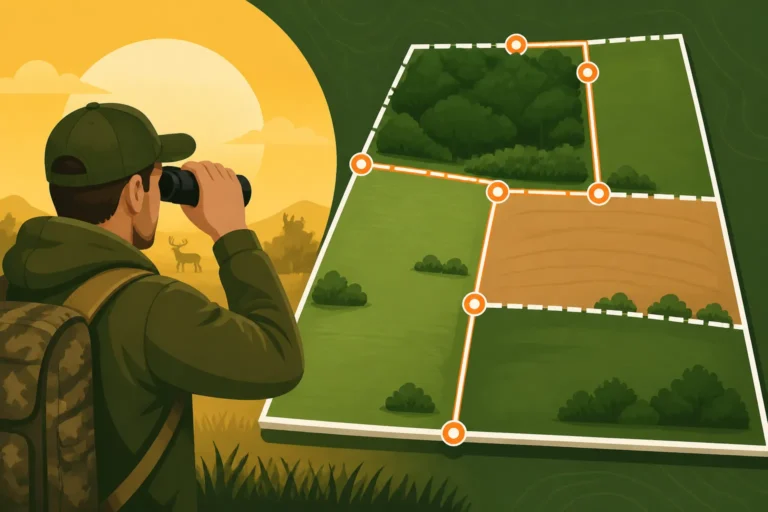
Before you even leave home, pulling up a detailed map is absolutely essential. Tools like onX Hunt are invaluable here, as they overlay public land boundaries, parcel lines, and often show marked access points and trails. This can prevent you from inadvertently trespassing or wasting precious hunting time trying to find an entry point in the dark. Imagine arriving pre-dawn, ready for an archery hunt, only to find yourself unsure which dirt track leads to legal public access – it's a frustrating situation that a little pre-scouting with a mapping app can completely eliminate. Familiarize yourself with a map of the area, noting where parking is allowed and what roads are open to vehicle traffic.
General Rules and Considerations
Like all KDWP-managed lands, Toronto Wildlife Area has specific regulations governing hunting activities. These rules cover everything from weapon restrictions during certain seasons to permissible methods of stand placement and vehicle usage. For instance, while permanent stands are generally not allowed on public lands, portable stands and ground blinds are often permitted, but usually with a requirement to remove them daily or within a specified timeframe. Some areas might have restrictions on certain types of firearms, or specific boundaries where hunting is prohibited, such as near developed recreation areas or residences.
It's your responsibility as a hunter to consult the most current KDWP hunting regulations summary for the Toronto WLA before you head out. These regulations can change year to year, so relying on old information is a recipe for trouble. Pay close attention to rules regarding baiting, motorized vehicle use, and the legal times for hunting. For instance, some areas may have specific rules about camping, or even daily hunter capacity limits, especially during peak seasons. Understanding Kansas Hunter Education and Licensing Basics is the foundation, but always dig into the specific area regulations. Make sure you understand the difference between a general statewide rule and a site-specific regulation that applies only to the Toronto Wildlife Area.
Hunting Strategies for Toronto Wildlife Area
The Toronto Wildlife Area is a place where a versatile hunting approach really pays off. Because of its diverse habitat, you can't just apply a single tactic and expect success for every species. Being able to adapt your strategy to the specific cover, food sources, and game you're pursuing is key to unlocking the full potential of this public land.
Deer Hunting Tactics
When it comes to deer hunting at Toronto WLA, the timbered river bottoms and creek draws are your bread and butter. Whitetails love thick cover, and these areas provide both shelter and often travel corridors. Focus on scouting for rubs, scrapes, and well-used trails, especially where these timbered areas pinch down or connect to crop fields. Reading a Kansas Creek Bottom for Deer Sign will give you an advantage, helping you identify subtle indicators of deer activity that others might miss. During the early archery season, deer will be predictable around water sources and green food plots if they're present. As the season progresses into the rut, those timbered fingers extending into open fields become critical funnels for cruising bucks.
Considering the landscape, paying attention to terrain features is also vital. Even in relatively flat Kansas, subtle changes in elevation, creek bends, or lines of dense cedars can act as natural funnels. Deer will often choose the path of least resistance or the route that offers the most cover. Using onX Hunt to identify these subtle topographical changes and pinch points will be a game-changer. For example, a small drainage cutting through a field or a narrow strip of trees connecting two larger timber blocks might be overlooked by other hunters, but can be a consistent deer highway. Don't be afraid to walk deeper into the timber, away from obvious access points; many bucks will hold tight in these overlooked sanctuaries. These areas are textbook examples of Hunting Terrain Funnels in Flat Country.
Upland Bird and Waterfowl Opportunities
For upland birds at Toronto WLA, your focus should shift to the grasslands, field edges, and brushy cover. Pheasants will often be found in taller native grass, especially near crop fields like milo or corn, where they can feed and then quickly retreat into dense cover. Work these edges meticulously, especially if you have a dog. If you're hunting without a dog, Working Pheasant Fields Without a Dog might involve blocking the ends of fields or using a zig-zag pattern to flush birds. Quail, on the other hand, will favor plum thickets, brushy draws, and areas with good vertical cover. These dense pockets provide crucial protection from predators and harsh weather.
Waterfowl hunting, primarily ducks and geese, can be productive on Toronto Lake and its associated wetlands and marshy areas. Scouting is crucial to identify where birds are loafing or feeding. Early in the season, teal and wood ducks might be found in smaller sloughs or flooded timber. As the season progresses and colder weather moves in, larger concentrations of mallards and other dabblers will use the main lake and larger wetland pools. Setting up decoys in strategic locations, often using layout blinds in cut fields or natural cover along the water's edge, can be effective. Understanding Waterfowl Hunting Kansas Reservoirs and Playas will give you a good foundation for approaching these specific hunting scenarios at Toronto. Always pay attention to wind direction when setting your spread and positioning yourself.
Turkey Hunting Considerations
Toronto Wildlife Area offers solid spring turkey hunting opportunities, with Rio Grande turkeys being the predominant species, though hybrids can occur where ranges overlap with Easterns. The key here is the extensive timber and river bottom habitat. Turkeys will often roost along the Verdigris River or in large, mature timber blocks that offer tall trees for security. Your strategy should often begin by Roosting Turkeys on a Kansas Evening the night before your hunt, listening for gobblers to pitch up. This gives you a massive advantage in knowing where to set up pre-dawn.
During the hunt itself, focusing on ridge lines, timbered creek breaks, and the edges of fields where turkeys might fly down to feed is a good bet. Patience is a virtue when calling, especially if birds are henned-up, which is a common frustration. Knowing Calling a Henned-Up Kansas Gobbler requires subtlety and persistence. Often, setting up in a travel corridor between a roost site and a known feeding area can intercept birds as they move. Don't be afraid to use locator calls to get a response, but then switch to softer hen vocalizations to draw them in. Early morning and late afternoon tend to be the most active times, so plan your sits accordingly.
Tools and Resources for a Successful Hunt
Hunting public land like the Toronto Wildlife Area is made significantly easier and more enjoyable when you leverage the right tools and information. Gone are the days of just a paper map and a compass, though those still have their place. Modern technology and a mindful approach to hunting ethics can elevate your experience and increase your chances of success.
Mapping and Scouting Aids
In today's hunting world, digital mapping applications are indispensable, and onX Hunt stands out as a prime example. For Toronto WLA, or any Kansas public land, this app can be a game-changer for several reasons. First, it clearly delineates public and private land boundaries, preventing accidental trespass which is a common concern on properties bordering private holdings. You can see precisely where the Toronto Wildlife Area ends and private ground begins. This is critical when you're walking in before legal light or trying to recover game near a property line. Second, it allows you to mark waypoints for parking, stand locations, food sources, and even fresh sign you've found while scouting. This builds a digital history of your hunt area, helping you track deer movement or bird activity over time.
Beyond simply showing boundaries, onX Hunt can display various satellite imagery layers, topography, and even property owner information in some areas. This allows you to "e-scout" the area from the comfort of your home, identifying potential travel corridors, bedding cover, and pinch points without ever setting foot in the woods. You can look for subtle terrain features like creek crossings, old fence lines, or timber points that naturally funnel deer. Combine this with the KDWP's online hunting atlas, which specifically highlights WIHA and WLA tracts, and you've got a powerful scouting arsenal. Understanding E-Scouting Kansas Farm Country From Home is a skill that will dramatically improve your success rate on complex areas like Toronto. While GoHunt is often used for permit applications and draw odds, for on-the-ground navigation and scouting, onX Hunt is truly hard to beat.
Respecting the Land and Other Hunters
Hunting on public land is a privilege, and ensuring continued access for everyone means practicing good etiquette and leaving no trace. Toronto WLA can see significant hunter pressure, especially during peak seasons. Being mindful of other hunters' space and intentions goes a long way. If you see another vehicle parked at an access point, consider trying a different section of the WLA, or at least giving them ample space. Nothing sours a hunt faster than feeling like someone is crowding your spot. Understanding Hunting Pressure Patterns on Kansas Public Land can help you anticipate where hunters will likely congregate and find those less-pressured areas.
This also extends to how you leave the area. Pack out everything you pack in, and then some. This includes spent shell casings, food wrappers, and any flagging tape you might use. If you hang a treestand or ground blind, ensure it's removed according to KDWP regulations – usually daily. Leaving trash or equipment behind not only creates an unsightly mess but can also lead to stricter regulations and detracts from the experience for future hunters. Being a good steward of the land ensures that places like Toronto Wildlife Area remain open and enjoyable for generations of hunters to come. It's a shared resource, and we all have a responsibility to treat it with respect.
Toronto Wildlife Area Hunting Opportunities Overview
| Game Species | Primary Habitat | Key Access Considerations | Best Times to Hunt | Typical Tactics |
|---|---|---|---|---|
| Whitetail Deer | River bottom timber, field edges, creek draws | Interior access roads, parking along perimeter | Early archery, late October (rut), December firearm | Stand/blind near funnels, food sources, rattling |
| Wild Turkey | Mature timber, wooded hillsides | Access to deep timber, scouting for roosts | Spring (April-May) | Calling, ambush near roost/feed, run-and-gun |
| Pheasant | Native grass, CRP fields, milo/corn stubble | Access to open fields, walking dense cover | Fall (November-January) | Walk-ups, working field edges, blocking with partners |
| Bobwhite Quail | Plum thickets, brushy draws, transition areas | Access to thickets and brush, careful walking | Fall (November-January) | Flushing from coverts, focusing on dense pockets |
| Waterfowl (Ducks/Geese) | Toronto Lake, associated wetlands, playas | Boat ramps, marked wetland access, blinds | Fall migration (October-February) | Decoying, jump shooting, layout blinds |
Disclaimer
This article is for general informational purposes only and does not constitute professional advice. Laws, prices and regulations vary by location and change over time. Consult a qualified professional for guidance on your specific situation.