Where Prairie Chicken Leks Form
Many folks who want to experience the incredible spectacle of prairie chickens often wonder where these elusive birds gather for their mating rituals. Finding an active lek can feel like hunting for a needle in a haystack if you don't know what to look for, but understanding the precise habitat characteristics and geographical hotbeds in Kansas makes all the difference. This guide will walk you through exactly where and why prairie chicken leks form, helping you pinpoint these vital spots for observation or hunting opportunities.
Understanding the Prairie Chicken Lek: A Vital Hub
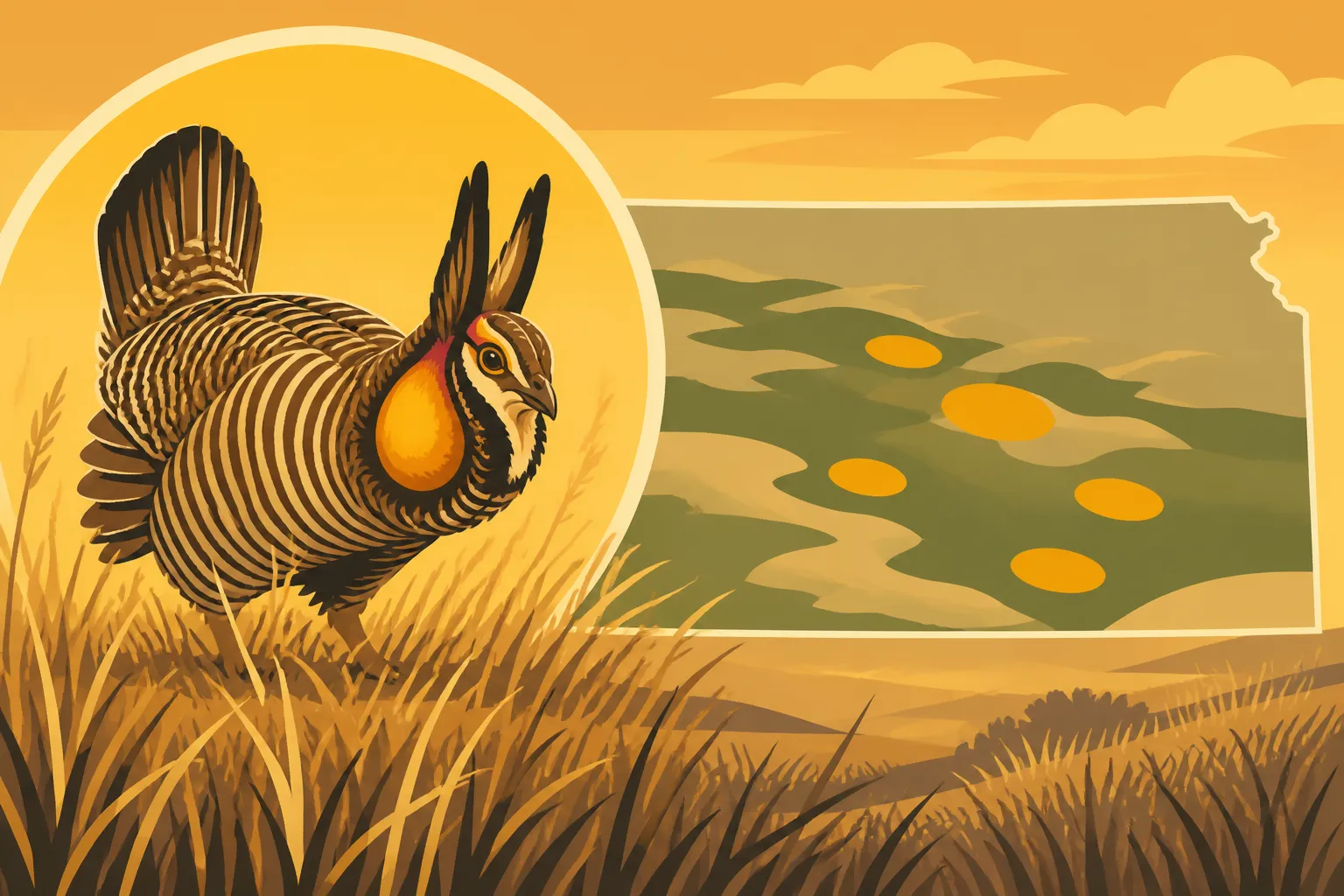
Before we dive into where prairie chicken leks form, let's nail down what a lek actually is. If you've never witnessed this phenomenon, it's truly a sight to behold, but it's more than just a casual gathering. A lek is essentially a traditional communal display ground where male prairie chickens, specifically the Greater Prairie Chicken in most of Kansas, gather during the breeding season to perform elaborate courtship rituals. They inflate air sacs on their necks, stomp their feet, spread their tails, and emit booming calls that can carry for miles across the open prairie. It's a true spectacle, and understanding why they choose these particular spots is key to finding them.
These chosen sites aren't random. They are critical social hubs where the males compete for the attention of visiting females. The females observe these displays and then select a mate, usually from the most dominant males in the center of the lek. This intense competition means the males return to the same general location, sometimes for decades, because it offers the perfect conditions for their performance and for ensuring their survival while they are so exposed. For hunters, knowing these spots, or at least the type of terrain that attracts them, is invaluable for successful Prairie Chicken Tactics in Flint Hills Grass later in the fall.
The formation of a lek is driven by a complex interplay of instinct, tradition, and environmental factors. It's not just about a flat piece of ground; it's about a place that feels "right" for generations of birds. If a lek is disturbed too often, or if the habitat around it drastically changes, the birds might abandon it, making it harder for them to find a new, equally suitable spot. That's why conservation efforts often focus on protecting these booming grounds and the surrounding habitat, ensuring the future of these iconic grassland birds.
Prime Habitat Characteristics for Lek Formation
Prairie chickens are incredibly particular about their booming grounds. You won't find them in dense timber or rolling hills covered in thick brush. Their survival depends on specific environmental cues that signal safety and visibility. Understanding these characteristics is the first step to narrowing down your search for an active lek.
Open, Elevated, and Well-Drained Sites
The absolute most crucial factor for lek formation is an open, relatively flat, and often slightly elevated area. Think about it from a prairie chicken's perspective: when you're puffed up, stomping, and booming, you're also vulnerable to predators. An open area allows males to see potential threats approaching from a distance, giving them precious time to escape. Being slightly elevated, even just a few feet higher than the surrounding terrain, enhances this visibility even further.
Furthermore, leks almost always form on well-drained ground. This isn't just a preference; it's a necessity, especially in the spring when Kansas weather can be unpredictable. Muddy, waterlogged areas would be impossible for their elaborate displays, and standing water would make them even more susceptible to predators. Sandy or gravelly soil, or even areas with sparse, short vegetation, are ideal because they dry out quickly after rain. You'll rarely find a booming ground in a depression or a low-lying area that holds water.
Specific Vegetation Type and Height
While "open" is key, it's not entirely devoid of vegetation. Prairie chickens prefer shortgrass or sparse residual grass. If the grass is too tall or too dense, it obstructs their view of predators and also makes their displays less visible to discerning hens. Imagine trying to impress someone if you're hidden in a crowd! They need a clear stage. This usually means areas with natural shortgrass prairie, or sometimes agricultural fields that have been recently harvested, leaving behind very short stubble.
Sometimes, you'll find leks on areas that have been grazed by cattle, which keeps the grass height in check. Controlled burns, a common management practice in the Flint Hills, can also create ideal conditions by clearing out old, tall growth and promoting fresh, short shoots. The contrast between the short lek site and slightly taller, denser nesting cover nearby is often a key feature, providing security for hens after mating. This careful balance of cover types is essential for the entire life cycle of these birds, not just their breeding season.
Proximity to Nesting and Brooding Cover
While the lek itself is open, it's almost always situated within reasonable proximity to denser, taller cover that hens use for nesting and, later, for brooding their chicks. This adjacent cover provides security from predators and protection from the elements. Hens don't want to travel miles from their nesting sites just to visit a lek. A healthy mosaic of short-statured lek habitat, medium-height nesting cover, and taller, ranker cover for winter survival is crucial.
Often, you'll find leks located on the edge of larger expanses of grassland, or where different types of habitat converge, offering both the open stage and the necessary escape routes and nesting grounds. This might be on a slight rise within a vast prairie or at the intersection of a shortgrass pasture and a slightly taller hayfield that hasn't been cut yet. The overall Prairie Chicken Range and Leks in Kansas relies heavily on these diverse habitat components existing in close concert.
Kansas Hotbeds for Prairie Chicken Leks
Kansas is blessed with some of the best prairie chicken habitat in the country, especially for Greater Prairie Chickens. While their numbers have fluctuated over the years, certain regions remain strongholds where leks reliably form. Knowing these geographical areas is fundamental to finding these birds.
The Iconic Flint Hills Region
Without a doubt, the Flint Hills of eastern Kansas are the premier location for finding Greater Prairie Chicken leks. This vast expanse of unbroken native tallgrass prairie, stretching from near the Nebraska border south into Oklahoma, is truly special. The topography here features rolling hills interspersed with broad, flat ridgetops and wide valleys. It's on these broad, flat ridgetops, or sometimes on gentle slopes, that leks most commonly form.
The ranching practices in the Flint Hills, particularly spring burning and rotational grazing, often create the perfect conditions. The burns clear out old growth, leaving behind short, new grass, and grazing helps maintain that short stature. You'll find active leks year after year in the same spots here, a testament to the stability of the habitat. Counties like Chase, Wabaunsee, Morris, and Lyon are historically productive areas. Anyone interested in Greater Prairie Chickens of the Kansas Flint Hills knows this region is where the heart of their population beats. When scouting, focus on the largest, most open native grass pastures, especially those with subtle elevation changes.
Western Kansas Shortgrass Prairie and Sandsage
While the Flint Hills get a lot of attention, don't overlook the vast shortgrass prairies of western Kansas, particularly in the southwest. This landscape, characterized by flatter terrain and different grass species like buffalo grass and blue grama, also hosts prairie chicken populations. Here, leks tend to form on slight rises or broad, flat plains. The habitat might look different from the Flint Hills, with less dramatic elevation changes, but the core requirements of open, visible ground remain the same.
In areas with sandsage prairie, such as parts of Morton or Stevens counties, leks will often be found in more open, sandy areas or on subtle knolls within the sandsage landscape. These birds often benefit from areas where agricultural lands are interspersed with native prairie, offering a variety of foraging and cover options. The key is to look for those uninterrupted stretches of grass where vision is paramount. This region also provides crucial habitat for species like mule deer and antelope, demonstrating its unique ecological value. Cimarron National Grassland Hunting is a prime example of a western Kansas area offering public access to these types of landscapes.
Other Potential Areas
Beyond these two main strongholds, you might find smaller, more isolated lek activity in other parts of the state where remnant patches of suitable grassland exist. These are often less consistent and more tied to specific land management practices. For instance, some state wildlife areas or large private ranches in central Kansas that maintain extensive native grass pastures might host leks. However, for sheer numbers and consistent activity, the Flint Hills and the southwestern shortgrass prairies are your best bets. Consulting resources like the GoHunt app can provide valuable satellite imagery and public land boundaries to help identify potential lek sites in these varied landscapes, allowing you to E-Scouting Kansas Farm Country From Home before you ever set foot on the ground.
Here’s a quick overview of what makes a site ideal for a prairie chicken lek:
| Characteristic | Ideal Lek Environment | Less Ideal Environment |
|---|---|---|
| Topography | Flat, open ridgetops, subtle knolls, gentle slopes | Steep hillsides, dense river bottoms, deep valleys |
| Vegetation Type | Shortgrass prairie, grazed pastures, sparse stubble | Tall, dense grasses, brushy areas, heavy timber |
| Grass Height | 2-6 inches, allowing clear visibility and movement | Over 12 inches, obstructing views and displays |
| Soil Drainage | Well-drained, sandy, gravelly, dries quickly | Heavy clay, marshy, prone to standing water |
| Proximity to Cover | Within 0.5 – 1 mile of moderate nesting/brooding cover | Too far from any suitable nesting or escape cover |
| Historical Use | Sites used consistently over many years | Recently disturbed areas, new habitat types |
Scouting and Confirming Active Leks
So you've got a handle on the habitat and the regions. Now, how do you actually find an active lek? It takes a bit of timing, patience, and some keen observation skills. Remember, these birds are wary, and disturbing them during their breeding season can be detrimental.
Timing is Everything
The primary lekking season for Greater Prairie Chickens in Kansas typically runs from mid-March through early May. This is when the males are most active on the booming grounds. The peak activity usually occurs just before sunrise and again in the late afternoon, often an hour or two before sunset. On calm, clear mornings, especially as the sun is just coming up, their booming calls can be heard for an incredible distance. Booming Ground Behaviour in Spring is truly something special to witness.
If you're scouting, aim to be in position well before legal shooting light in the spring, or just as the sun begins to dip in the evening. You want to avoid driving directly onto or near a potential lek site during these prime activity windows. Park a good distance away and approach on foot, using terrain to your advantage to stay hidden. Wind can make a difference; a strong wind will dampen their calls, making them harder to hear and potentially less active.
Visual and Auditory Cues
The most obvious sign of an active lek is the distinct booming call of the male prairie chickens. It's a low-frequency, resonant sound that vibrates through the air, almost like blowing across the top of a glass bottle, but much louder and deeper. Listen for it! In open country, you might hear it long before you see the birds. Binoculars or a spotting scope are indispensable for scanning potential areas from a distance without disturbing the birds. You'll be looking for small, dark specks moving on the open ground, often appearing to dance.
Another visual cue, though harder to spot initially, is the "scraped" earth. Over years of activity, the males' constant stomping can wear down the vegetation, leaving small, bare patches of ground. While not a guarantee of a current lek, finding these worn areas is a strong indicator of past or potential future use. Look for these subtle disturbances in areas matching the ideal habitat description.
Using Technology for Identification
In today's age, technology can be a huge asset in your scouting efforts. Satellite imagery, available through apps like GoHunt or even basic online mapping services, can help you identify open, flat areas within prime prairie chicken range. Look for areas with light-colored, short vegetation, distinct from surrounding taller grasses or agricultural fields. Identify potential access routes that minimize disturbance.
The Kansas Department of Wildlife, Parks and Tourism (KDWP) often provides maps or general information about prairie chicken range, which can help you focus your efforts. While they typically don't share exact lek locations to protect the birds, understanding the broader Kansas Prairie Chicken Permit Requirement and regulated units can help you align your scouting with legal hunting opportunities. Always remember to check land ownership and access rules carefully, especially if you're on private land or Kansas Walk-In Hunting Access Explained (WIHA) tracts. Ethical observation and minimal disturbance are paramount to preserving these incredible birds and their unique breeding grounds.
Disclaimer
This article is for general informational purposes only and does not constitute professional advice. Laws, prices and regulations vary by location and change over time. Consult a qualified professional for guidance on your specific situation.