Kansas Dove and Early Season Birds
As the sweltering Kansas summer begins its slow retreat, a familiar itch starts to set in for hunters across the state. That long wait since last season can feel endless, and the opening of dove and early teal seasons in September is often the first true breath of fresh air, a chance to shake off the dust and reconnect with the wild. Many of us grapple with exactly how to best approach these initial opportunities, especially when the weather can still be brutally hot and the birds can be unpredictable. This guide is here to walk you through everything you need to know to make your early season bird hunts a resounding success, from understanding bird behavior to navigating regulations and honing your field tactics.
The Allure of Early Season Kansas Doves
There's something uniquely enchanting about a dove hunt. It's often the first real hunting experience of the fall, a social affair, and a fantastic way to warm up your shooting skills after a long off-season. But don't let the relaxed atmosphere fool you; doves can be incredibly challenging, and understanding their patterns is key to filling your limit.
Understanding Kansas Dove Populations and Behavior
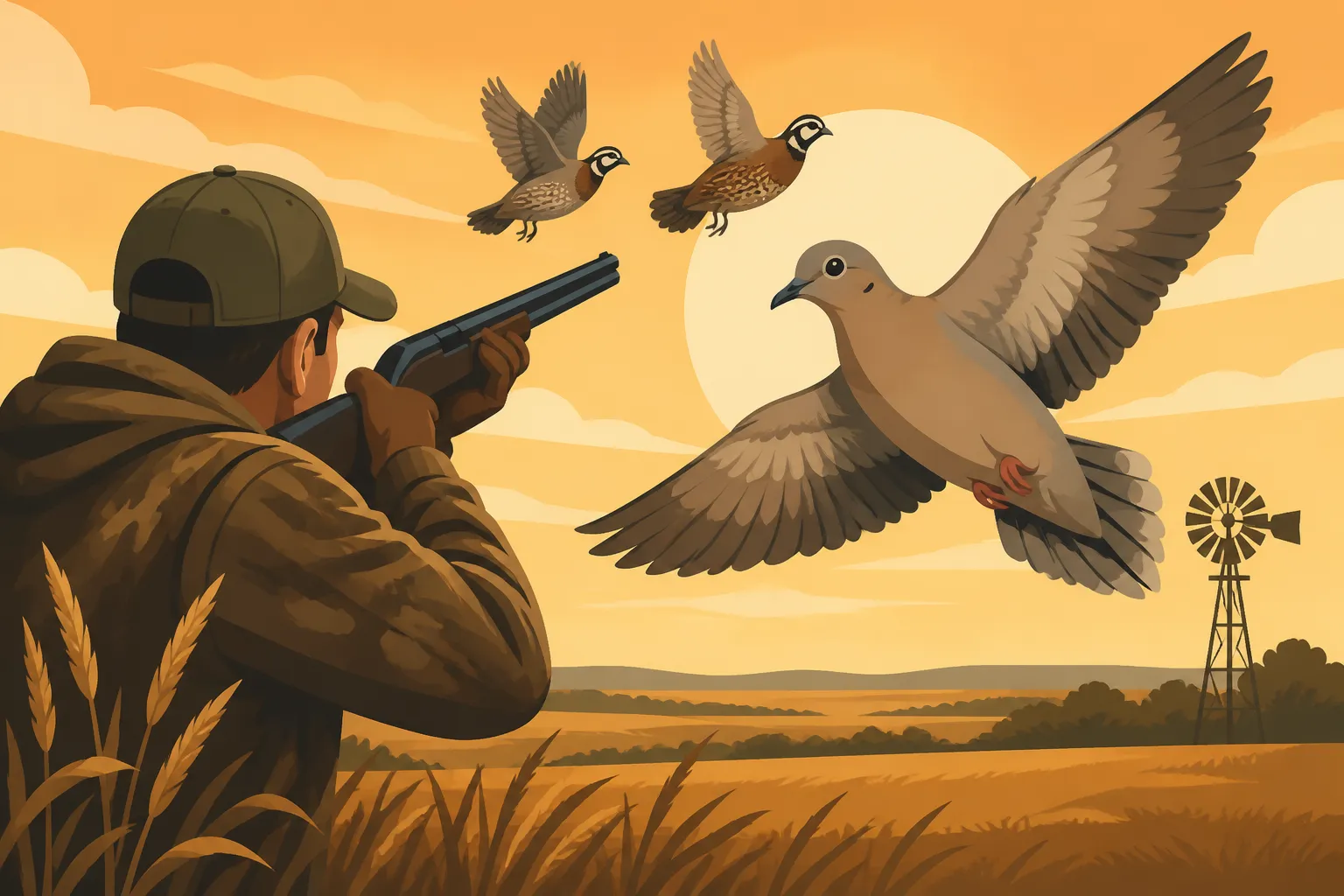
Kansas is a fantastic state for mourning doves, and for good reason. Our vast agricultural landscape provides an abundance of food, and the numerous water sources and tree lines offer critical roosting and watering spots. When September rolls around, you'll encounter a mix of local birds that hatched and grew up right here, alongside migrants that are already pushing south on the Central Flyway. Local birds tend to have more predictable patterns, sticking to familiar feeding and watering routes. Migrants, on the other hand, can appear overnight in massive numbers, or simply trickle through, making for a dynamic hunting situation.
It's also worth noting the increasing presence of Eurasian Collared Doves in Kansas. These larger, lighter-colored doves are an introduced species and, importantly, they do not count towards your daily bag limit for mourning doves. This means if you can identify them, you can harvest them in addition to your mourning dove limit, offering even more opportunity. They often frequent farmsteads and grain elevators, but it's crucial to be able to tell them apart from their native cousins in flight, as they often mingle in the same areas. Understanding the general trends in Kansas Dove Numbers in September can give you a better idea of what to expect regionally.
Prime Dove Habitat and Scouting Strategies
Finding doves is all about understanding their daily routine: feed, water, grit, and roost. Identifying areas that provide these essentials in close proximity is the secret sauce. Doves are primarily seed-eeters, and in Kansas, that means focusing on agricultural fields. Harvested wheat stubble fields, particularly those with a lot of scattered grain, are absolute magnets. So are fields of sunflowers, milo, or even corn that might have shattered kernels on the ground. They'll hit these fields in the morning and late afternoon.
Water is another critical component, especially in the early season heat. Doves need to drink, often multiple times a day. Farm ponds, creek bends, and even stagnant puddles can draw them in. Look for areas where the ground slopes gently to the water's edge, creating easy access for them. Similarly, doves need grit (small pebbles) to help digest seeds, and gravel roads or exposed dirt patches near feeding areas will often show sign. Finally, they need secure places to roost, typically dead trees, power lines, or dense shelterbelts. When scouting, pay close attention to flight paths. Birds will often follow the same routes between food, water, and roosts. Tools like the GoHunt app are invaluable here, allowing you to e-scout for these habitat features from home before you ever set foot in the field. You can zoom in on satellite imagery to identify harvested fields, water sources, and potential roosting cover, saving you a ton of legwork. Scouting Kansas River Bottoms and Creek Draws can also reveal hidden dove hotspots, as these areas often provide the perfect mix of water, roost trees, and nearby fields.
Essential Gear and Setup for Dove Hunting
Dove hunting isn't overly complicated when it comes to gear, but a few key items can make a world of difference. A good, light shotgun in 12 or 20 gauge is perfect, and you'll want to bring plenty of shells. Doves are notoriously tricky targets, and it's not uncommon to shoot a box or two for a limit. Light loads with smaller shot sizes, like 7.5 or 8, are ideal. An improved cylinder or modified choke is usually sufficient for the varying shot distances you'll encounter.
Comfort is paramount, especially when sitting in a field in September heat. A portable chair or bucket is a must. Camouflage clothing that blends with the field stubble, or even a simple drab green or brown, will help you disappear. Many hunters overlook the value of a good dove decoy spread. Placing a few spinning-wing decoys (like a Mojo Dove) or static decoys on stakes can significantly increase your success by drawing birds in closer. Consider a small cooler with ice for your birds and plenty of water for yourself – dehydration can sneak up on you fast.
The Fast-Paced Challenge of Early Teal
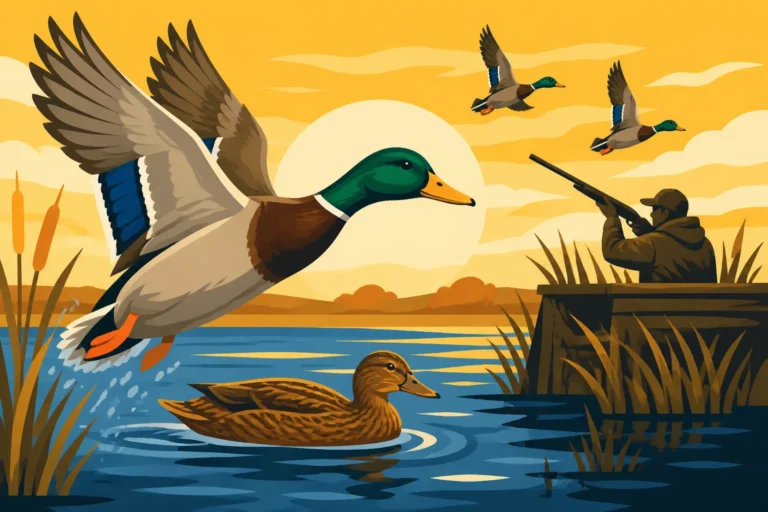
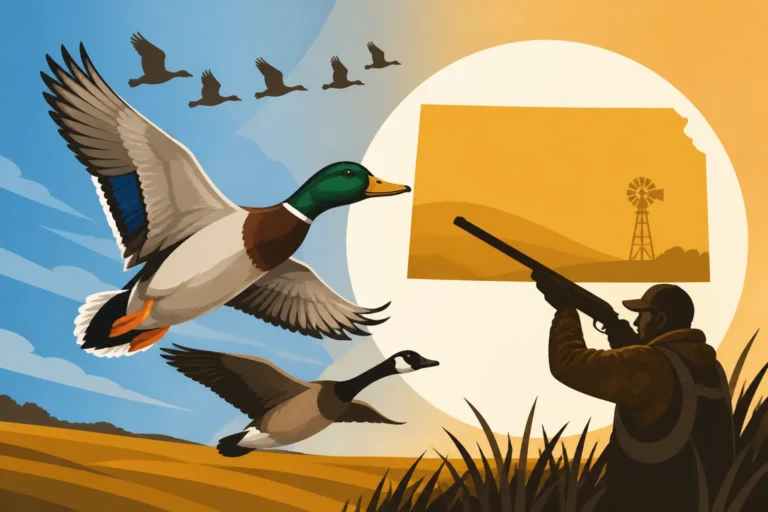
While doves offer a great warm-up, the early teal season is often where the real excitement begins for waterfowl hunters. This abbreviated season, typically in early September, is specifically designed to target early-migrating blue-winged teal before other duck species begin their southward journey. It's fast, furious, and incredibly rewarding if you hit it right.
Identifying and Locating Blue-Winged Teal
Blue-winged teal are small, speedy ducks characterized by the prominent iridescent blue patch on their forewings, visible in flight. Males have a distinctive white crescent on their face, while females are more mottled brown. Their flight is erratic and incredibly quick, often twisting and turning in tight flocks, which makes them thrilling targets. They are among the earliest waterfowl to migrate south, driven by their long journey to Central and South America.
During the early Kansas teal season, you'll encounter a mix of local teal that hatched in the region and early migrants pushing down from the northern states and Canada. Local birds might be found on familiar ponds or wetlands, while migrants can show up in large numbers on larger bodies of water or newly flooded areas. Understanding Duck and Goose Migration Timing can give you an edge, as specific weather fronts can trigger waves of teal movement.
Optimal Teal Hunting Locations and Waterfowl Scouting
Teal prefer shallow water with emergent vegetation and abundant aquatic invertebrates – think mudflats, flooded agriculture, shallow edges of reservoirs, and playa lakes. Unlike larger ducks, they don't need deep water and will readily land in small, shallow depressions. Good scouting is absolutely essential for teal, as their preferred locations can change quickly with water levels and migration patterns.
Start by checking out areas known for shallow water, such as the backwaters of larger reservoirs like Cheney Lake or Perry Lake, or state wildlife areas like Cheyenne Bottoms and Marais des Cygnes Wildlife Area. Pay particular attention to temporary water bodies like playa lakes in western Kansas after a good rain; these can become teal magnets overnight. Again, aerial imagery, particularly through a premium hunting app like GoHunt, is your best friend. You can identify potential shallow water habitats, flooded crop fields, and subtle depressions that might hold water. Look for green, lush vegetation in and around shallow water, as this indicates good food sources. Jump Shooting Kansas Farm Ponds can be a highly effective tactic for individual teal or small groups, especially if you find them loafing on smaller, unpressured waters.
Decoy Spreads and Calling for Teal
Teal aren't particularly decoy-shy, and a simple spread can be very effective. A dozen or two teal decoys are usually plenty, mixed with a few mallard or pintail decoys for added visibility. Place them in shallow water, often facing into the wind, with a landing zone in front of your blind. Motion decoys, like spinning-wing teal, can be incredibly effective at drawing their attention from a distance.
Calling for teal is less about complex sequences and more about producing a quick, high-pitched "kicker" or "peep-peep-peep" sound. Many standard duck calls can replicate this, or you can get a dedicated teal call. Use the call to get their attention when they're far out, and then soft clucks as they come closer. Concealment is critical, as these birds have excellent eyesight. Utilize natural vegetation, or consider using portable Layout Blinds in Cut Fields if you're hunting stubble or a dry field edge near water.
Navigating Regulations and Licensing for Early Season Birds
Hunting in Kansas, particularly for migratory birds, comes with a specific set of rules and requirements designed to ensure healthy populations and fair chase. It's paramount to understand and comply with these regulations before you even step into the field.
Kansas Hunting Licenses and Migratory Bird Stamps
Before you can pursue doves or teal in Kansas, you'll need a valid Kansas hunting license. For residents, this is straightforward. Nonresidents will need a nonresident hunting license. Beyond the general hunting license, migratory bird hunters have additional federal requirements. Every migratory bird hunter, regardless of age, must possess a current Harvest Information Program (HIP) Registration. This short survey helps the U.S. Fish and Wildlife Service gather vital harvest data, which informs future season setting. You simply declare what migratory birds you intend to hunt, and you're good to go.
For those pursuing early teal, an additional federal requirement is the purchase of a Federal Duck Stamp. This stamp is mandatory for all waterfowl hunters aged 16 and older. Not only does it allow you to legally hunt waterfowl, but a significant portion of the revenue from stamp sales goes directly towards conserving wetlands and waterfowl habitat. Be sure to check the Kansas Department of Wildlife and Parks (KDWP) website for the specific Kansas Duck Stamp Requirements and the most up-to-date season dates, daily bag limits, and possession limits for both doves and teal, as these can change annually.
The following table summarizes key regulations for these early season birds:
| Bird Species | Season Start (Typical) | Season End (Typical) | Daily Bag Limit | Possession Limit | Required Stamps/Registrations | Notes |
|---|---|---|---|---|---|---|
| Mourning Doves | Sept 1 | Mid-Nov | 15 | 45 | HIP Registration | Eurasian Collared Doves are separate and have no bag limit |
| Blue-Winged Teal | Early Sept | Mid-Sept | 6 | 18 | HIP & Federal Duck Stamp | Only blue-winged, green-winged, and cinnamon teal count during early season |
| Other Ducks | Later in Fall | Later in Winter | Varies by species | Varies by species | HIP & Federal Duck Stamp | Not legal to harvest during early teal season |
Always check the current Kansas Hunting and Trapping Regulations Summary for exact dates and limits, as these are subject to change.
Public vs. Private Land Access Considerations
Kansas offers a wealth of hunting opportunities, both on public and private lands. For many hunters, especially those without established private land connections, the Kansas Walk-In Hunting Access Explained (WIHA) program is an absolute godsend. WIHA tracts are private lands leased by the KDWP for public hunting, offering millions of acres across the state. These areas are clearly marked with distinctive signs, and you can find detailed maps in the annual WIHA Atlas or on the KDWP website and apps like GoHunt. Remember to always respect the specific rules for WIHA, which can include restrictions on vehicle access, overnight camping, or stand placement.
While WIHA is fantastic, don't overlook the potential of hunting Kansas State Wildlife Areas or Corps of Engineers land around larger reservoirs. These lands are specifically managed for wildlife and often hold excellent populations of doves and teal. Again, checking the KDWP regulations for specific area rules is essential. For private land, gaining permission is the traditional route. A polite knock on a farmer's door, a clean-cut appearance, and an offer to help with chores can go a long way. Always obtain written permission to avoid any misunderstandings, and leave the property better than you found it. Finding Private Land Access in Kansas can be challenging, but perseverance often pays off.
Safety First and Ethical Hunting Practices
Early season hunting, particularly for doves, can sometimes bring many hunters into relatively small areas. It's crucial to prioritize safety above all else. Always be aware of your surroundings, know where other hunters are, and understand your shooting lanes. Never shoot at low-flying birds or birds silhouetted against the horizon where a house or road might be. Hunter orange is not typically required for dove or waterfowl hunting, but wearing it when walking to and from your blind, especially on public land, is always a good idea.
Ethical hunting also means making every effort to retrieve downed birds. In thick cover, this can be challenging, so marking where a bird falls is crucial. A good retrieving dog can be an invaluable asset. If you don't have one, consider bringing a friend to help spot fall zones. Respect property boundaries, leave no trace of your presence (pick up all spent shells!), and dispose of any game waste properly. These actions not only ensure your safety and enjoyment but also help maintain a positive image of hunters to landowners and the non-hunting public.
Tactics for Success in the Field
Having the right gear and knowing the regulations is just the beginning. The real challenge, and the real fun, comes in applying effective tactics in the field, adapting to the conditions, and outsmarting these wily early season birds.
Wind, Weather, and Timing Strategies
The wind is arguably the most critical factor for any bird hunter, and for early season doves and teal, it's no different. Birds almost always take off and land into the wind, which helps them with lift and control. Positioning your setup with the wind at your back, or at least a quartering wind, will force birds to approach your decoys or pass by your shooting lane head-on or quartering, presenting higher-percentage shots. You can learn a lot about Reading a Kansas Wind for Waterfowl, and those lessons apply well to dove. Strong winds can also make birds fly lower and faster, so adjust your lead accordingly.
Weather, particularly temperature, plays a huge role in early September. Hot, sunny days often mean doves will hit water sources more frequently midday, offering a different hunting opportunity than the morning or evening field shoots. Teal migrations can be triggered by cold fronts, so keeping an eye on weather patterns to predict new waves of birds is a smart move. Cloud cover can also impact bird visibility and flight patterns, sometimes making birds fly lower and more spread out. Pay attention to changes in the barometer; a falling barometer often signals an impending front and increased bird movement.
Timing your hunt is also key. For doves, early mornings and late afternoons are prime feeding times in fields. Midday can be productive near water sources. For teal, the first few hours after legal shooting light are often the most productive, as they fly from roosts to feeding areas. As the sun gets higher, their activity tends to wane, though they can still be found loafing on shallow water.
Adapting to Pressure and Changing Conditions
Early season hunting can see a lot of hunting pressure, especially on popular public lands. Doves and teal are smart, and they quickly learn to avoid areas where they've been shot at. If your chosen spot isn't producing, don't be afraid to move. A mobile approach can often out-produce sitting in a dead spot. This is where scouting with tools like GoHunt really shines, giving you multiple backup options.
If birds are avoiding your decoys or flying high, change your tactics. Sometimes, pulling decoys and trying to pass-shoot birds flying between two known points is more effective. Or, if you're on a larger water body, you might need to try Jump Shooting Kansas Farm Ponds or small creek bends where birds might feel safer. For dove, if a field gets too much pressure, they might shift to a less popular field, or retreat to dense cover. Being flexible and observant in the field is paramount. Watch how birds react to your setup and adjust accordingly. Even subtle changes in your camouflage or decoy placement can make a difference.
Field Dressing and Game Care in Warm Weather
One of the biggest challenges of early season hunting in Kansas is the heat. Birds, especially teal, can spoil quickly if not properly handled. As soon as you retrieve a bird, get it into a cooler on ice. The faster you cool them down, the better the meat quality will be. Many hunters field dress their birds immediately, either by breasting them out or gutting them entirely, to remove heat from the body cavity.
For doves, simply breasting them out in the field is common. A quick cut through the breastbone and a pull will yield two beautiful breast fillets. For teal, it's often best to pluck and gut them whole if you have the time and facilities, as their legs and thighs offer delicious meat. Transporting your birds in a cooler packed with ice is non-negotiable. If you're going to be out all day, consider bringing an extra bag of ice. This diligent attention to game care ensures that your hard-earned harvest makes it to the table in prime condition, a fitting end to a successful early season hunt.
Disclaimer
Please remember that hunting regulations, season dates, and bag limits are subject to change. It is your responsibility to consult the most current Kansas Hunting and Trapping Regulations Summary provided by the Kansas Department of Wildlife and Parks (KDWP) before engaging in any hunting activities. This article is for informational purposes only and should not be considered legal advice or a substitute for official regulations. Stay safe and hunt ethically.