Hunting a Single Timber Point
Kansas whitetail deer use isolated timber points as secure bedding areas and travel corridors, offering high-traffic hunting locations near crop fields.
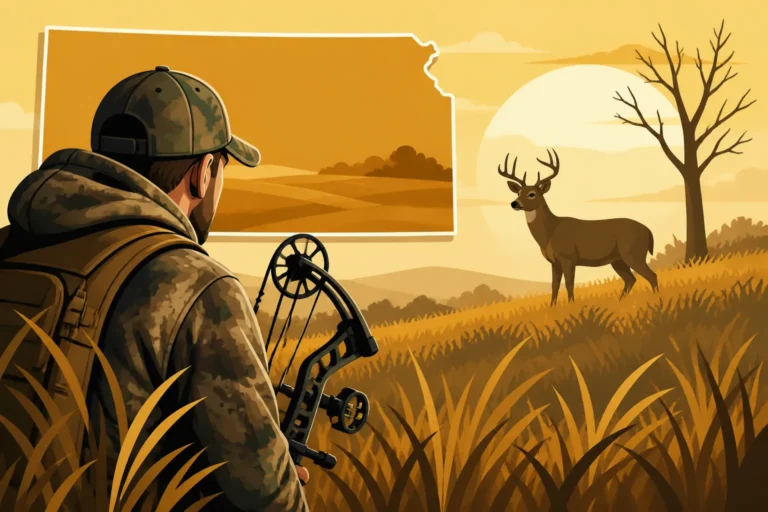
Kansas whitetail deer use isolated timber points as secure bedding areas and travel corridors, offering high-traffic hunting locations near crop fields.
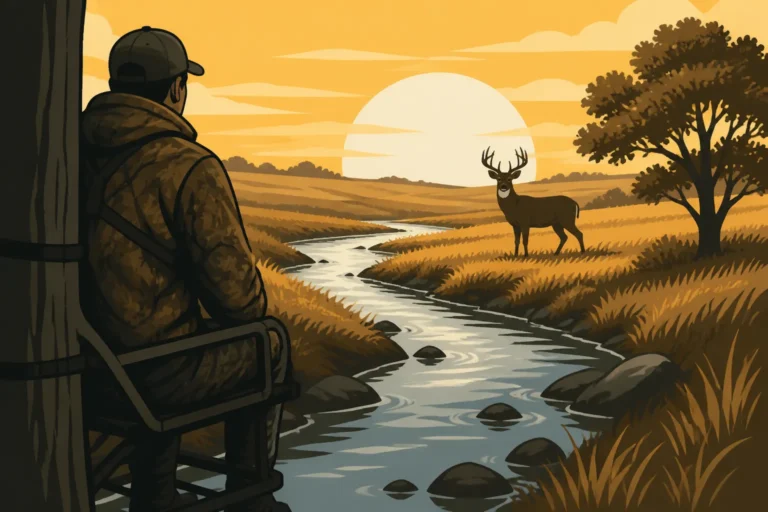
Kansas deer hunters can identify productive creek crossings and locate prime whitetail stands using natural travel funnels.
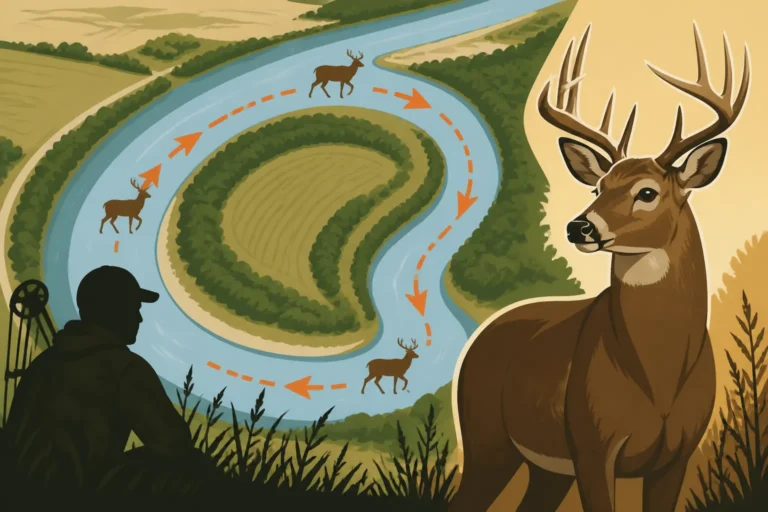
River oxbows provide Kansas deer with security cover, thermal regulation, and water, shaping whitetail movement in open landscapes.
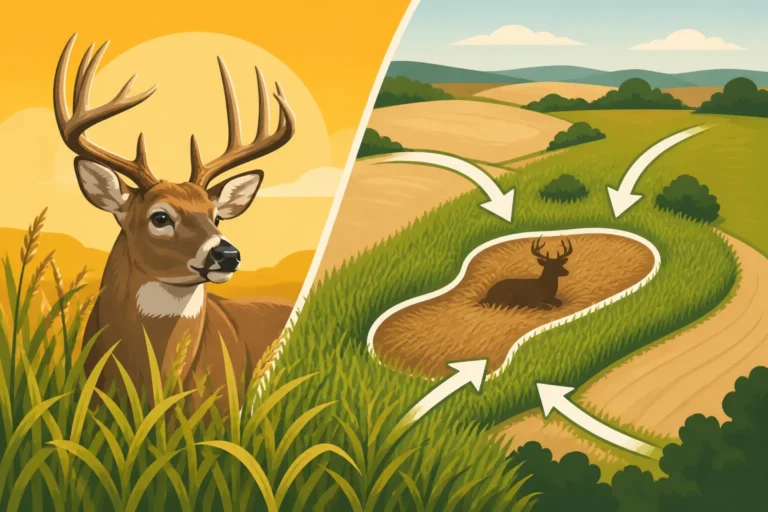
Kansas Conservation Reserve Program fields provide whitetail deer with thermal cover and security, helping hunters find bedding bucks.

Kansas cedar thickets offer whitetail deer thermal regulation and visual security for daytime bedding cover across open landscapes.
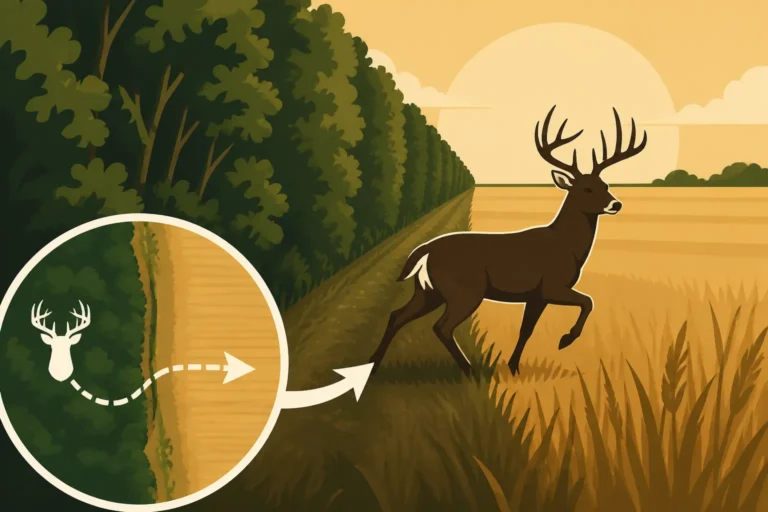
Kansas shelterbelt ends serve as key travel corridors and staging areas for mature whitetail bucks in open agricultural landscapes.
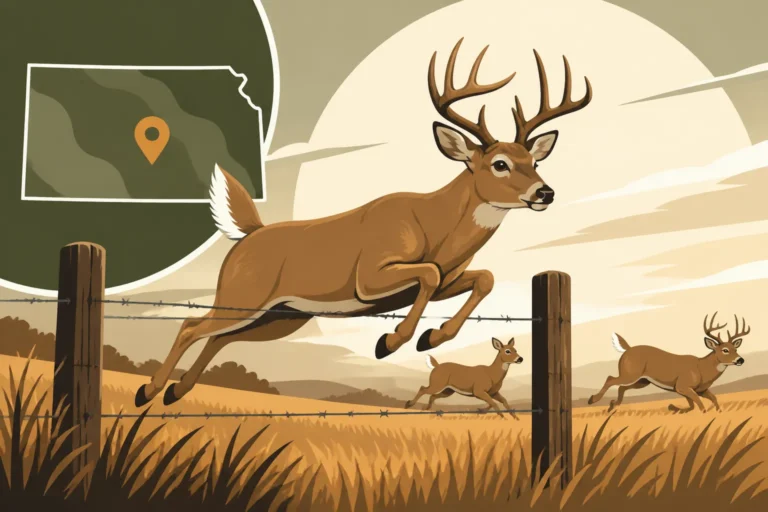
Kansas fence crossings create predictable whitetail travel patterns, offering hunters reliable ambush locations and consistent shot opportunities.
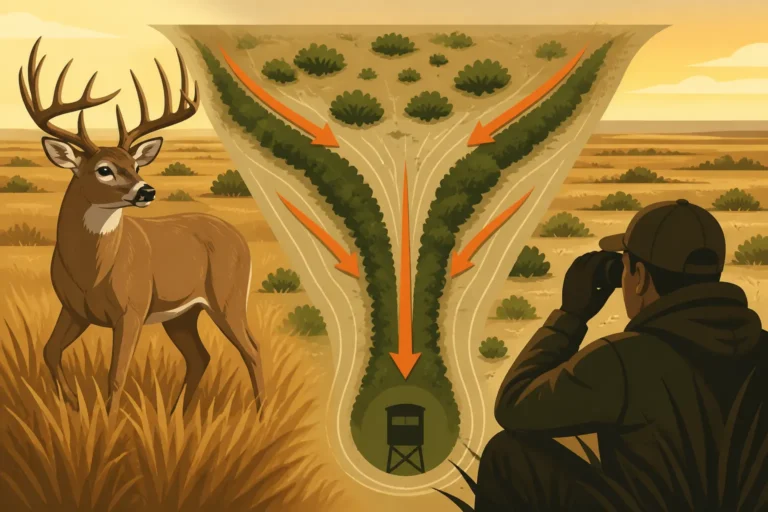
Subtle terrain funnels in flat Kansas landscapes help hunters locate deer movement using micro-terrain features and agricultural edges.
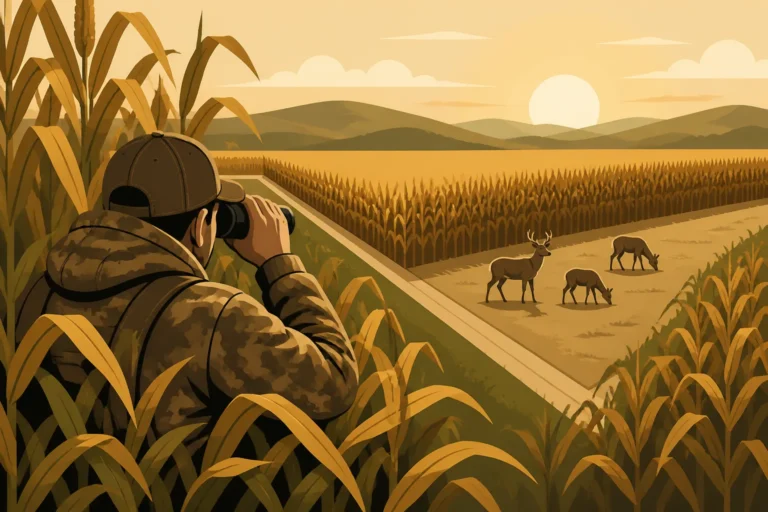
Inside corners of Kansas crop fields serve as natural travel funnels, offering whitetail deer food and secure bedding cover.
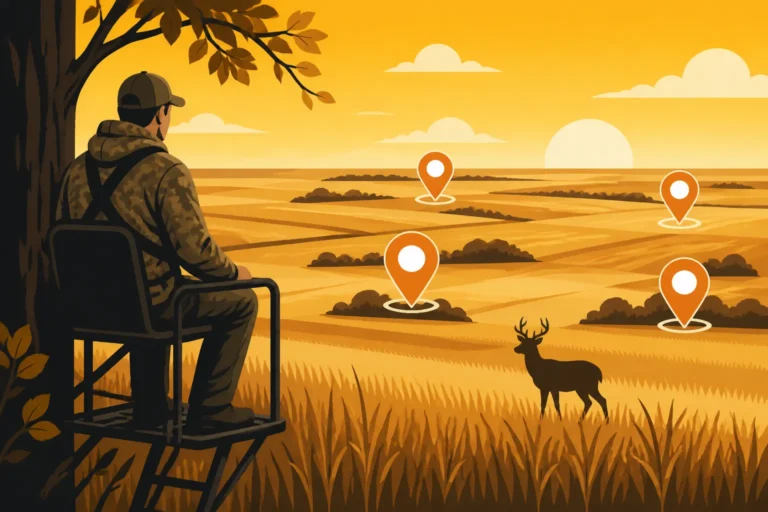
Kansas flat farm country deer hunting stand locations include shelterbelts, creek bottoms, and subtle micro-terrain features.