Field Dressing in Seventy-Degree Weather
Field dressing a deer in seventy-degree weather requires rapid cooling techniques to prevent meat spoilage and bacterial growth.
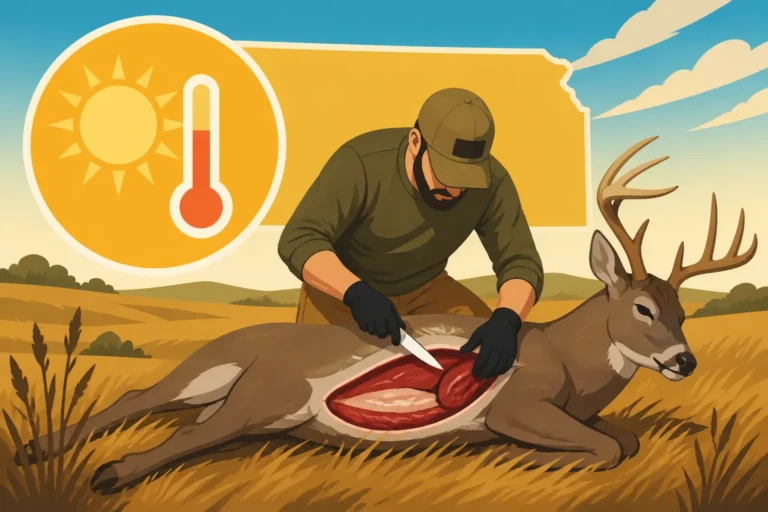
Field dressing a deer in seventy-degree weather requires rapid cooling techniques to prevent meat spoilage and bacterial growth.
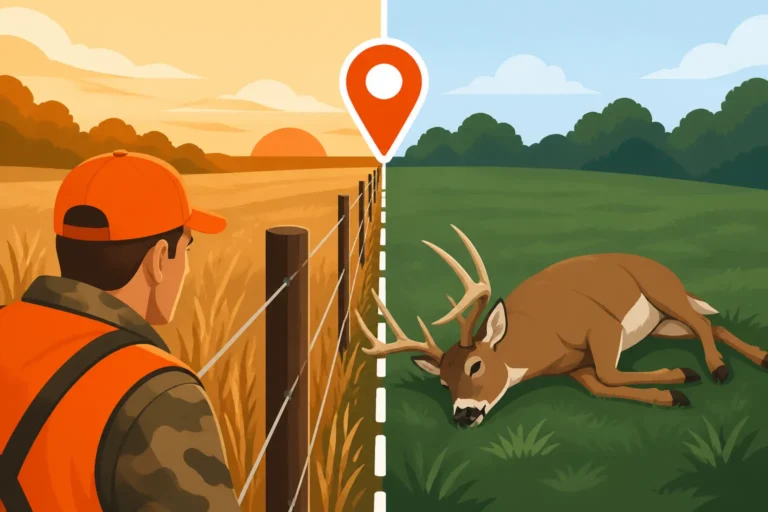
Kansas Statute 21-5808 dictates trespass rules for hunters recovering wounded deer across private property boundary lines.
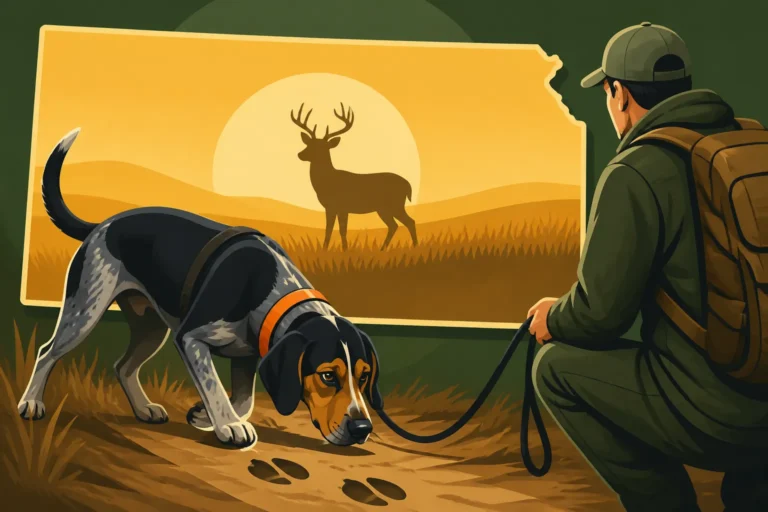
Kansas tracking dog regulations require handlers to hold a KDWP permit and obtain landowner permission for private land.
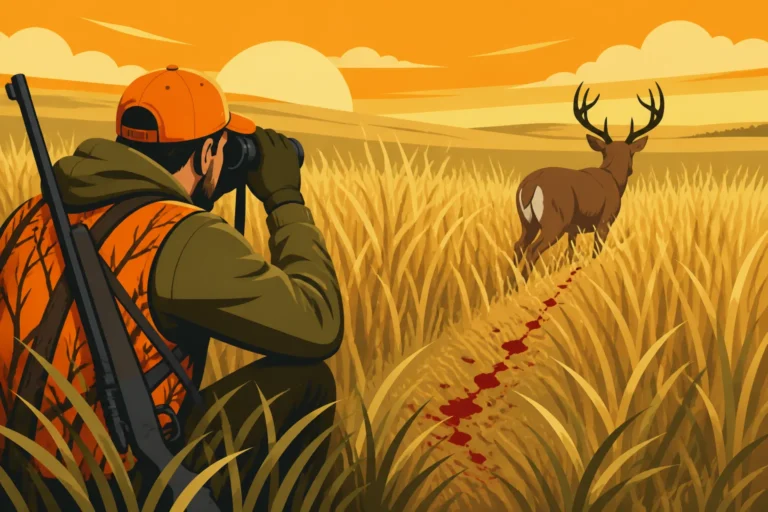
Blood trailing wounded deer in tall Kansas Conservation Reserve Program grass requires proven recovery strategies and practical steps.
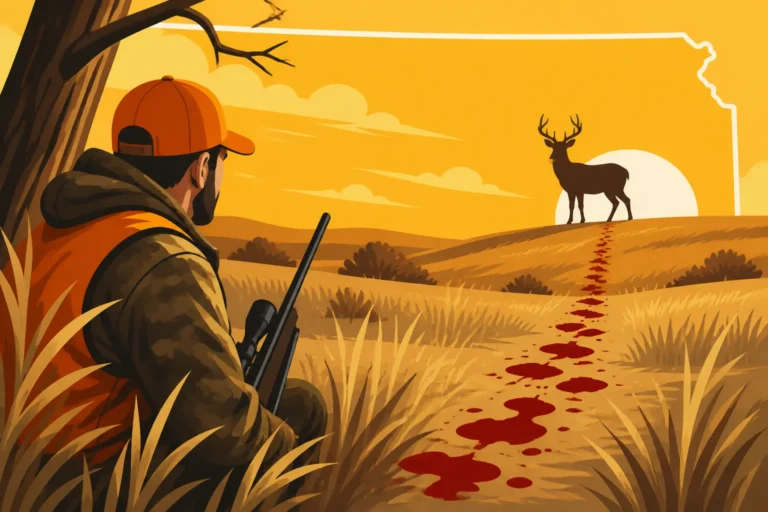
Proper waiting times after different deer hits help hunters recover wounded animals and avoid losing blood trails.
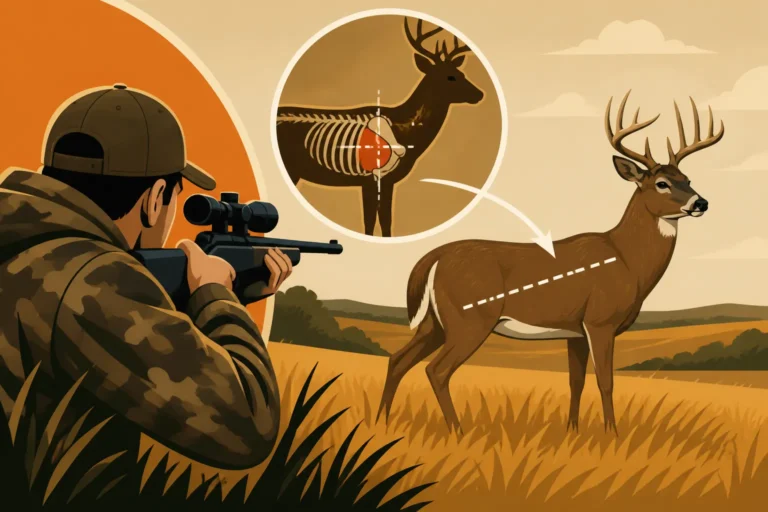
Quartering-away shots on whitetails require understanding shifted vitals, bone structures, and aiming points for ethical harvests.
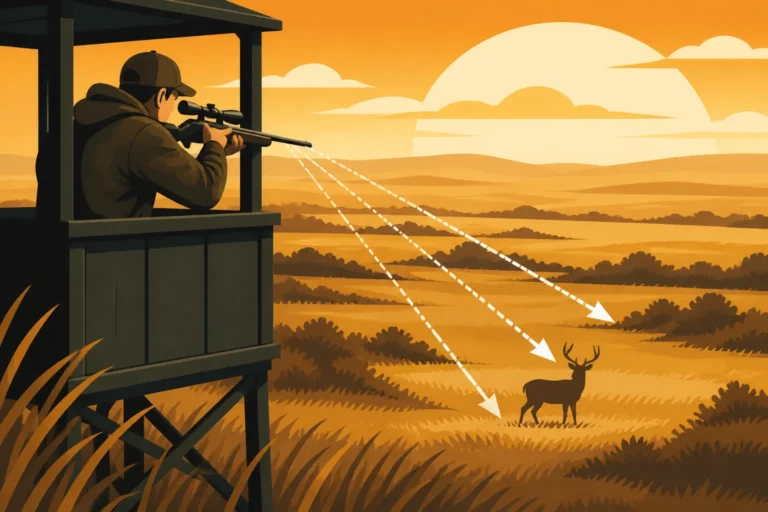
Elevated treestand shot angles change whitetail anatomy paths, requiring hunters to aim behind the shoulder to hit vitals.
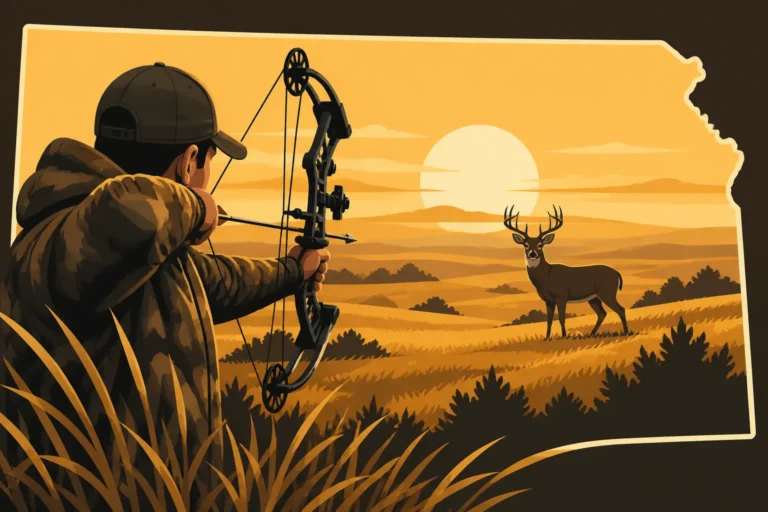
January bowhunting in Kansas Unit 19 offers late-season strategies for finding whitetails amid harsh winter conditions and changing deer behaviors.
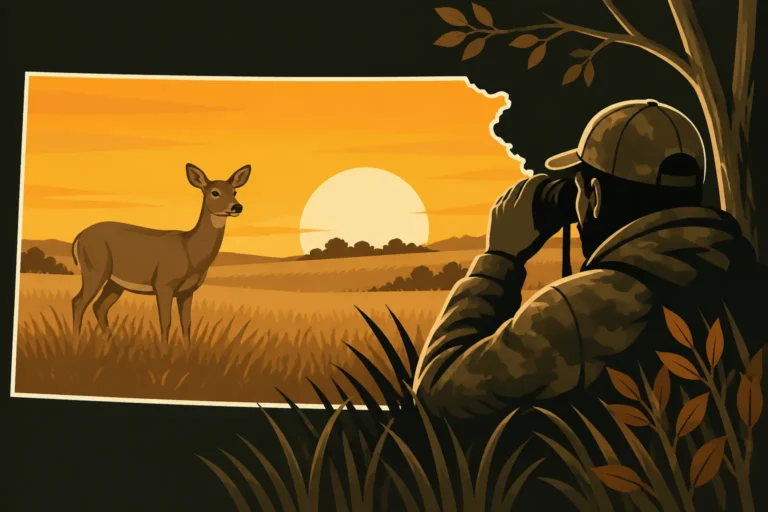
Kansas extended antlerless season tactics explain late winter deer behavior and permit rules to help hunters fill freezer venison tags.
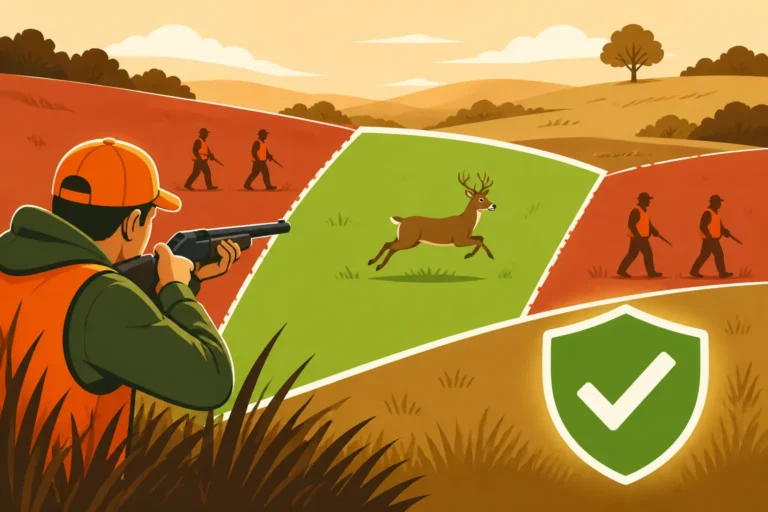
Safe zones, communication protocols, and mandatory hunter orange clothing prevent accidents during deer drives in Kansas.