Kansas Archery Versus Firearm Hunt Pricing
Kansas deer hunt pricing varies between archery and firearm seasons based on weapon type, season length, and harvest success rates.
Book the hunt, not the brochure.
Guided, semi-guided, and drop-camp options, which outfitters work which units, guide licensing requirements, booking timelines, and what a deposit actually covers.
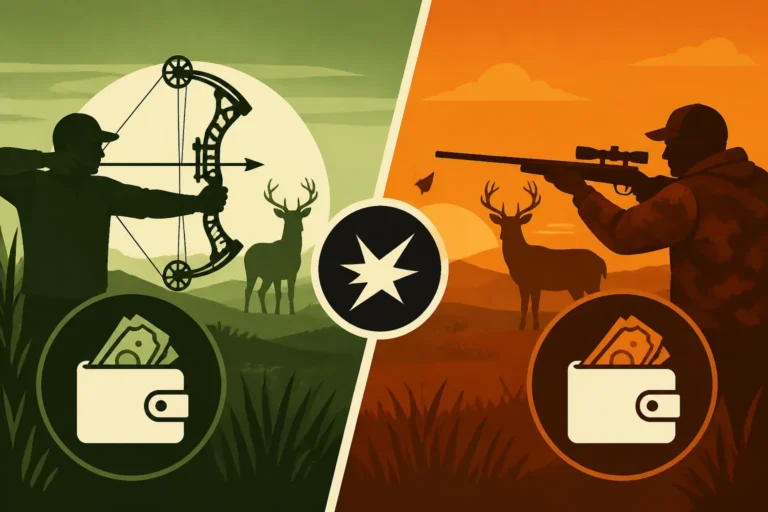
Kansas deer hunt pricing varies between archery and firearm seasons based on weapon type, season length, and harvest success rates.

Early booking for a Kansas rut hunt secures scarce November dates before prime whitetail deer hunting slots vanish completely.

Tipping a Kansas hunting guide typically ranges from ten to twenty percent of the total hunt cost for their long hours of hard work.
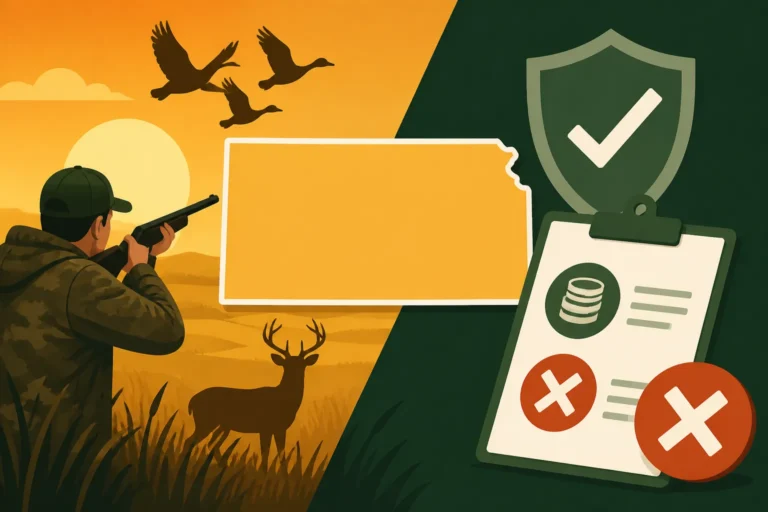
Kansas hunting deposit structures and cancellation terms explained, detailing contracts, written agreements, and outfitter obligations for hunters.

Trophy fees on Kansas deer hunts are additional charges for harvesting mature bucks exceeding specific antler scores like 140 inches.

Kansas guided hunt pricing covers professional guiding services, lodging, meals, and pre-hung stands, but base packages exclude extra costs.
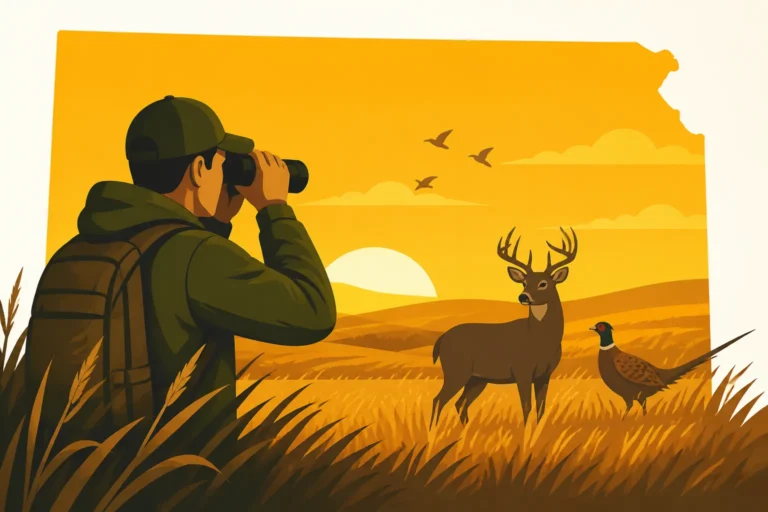
Kansas self-guided lease hunts provide private land deer hunting access without outfitter prices, reducing public land competition.

Kansas semi-guided deer hunt costs, outfitter services, and hybrid pricing models compared against fully guided and DIY adventures.

Kansas guided deer hunt price ranges depend on hunt duration, luxury lodging, weapon choice, season dates, and nonresident permit draws.

Kansas outfitters provide pre-hunt permit planning, property management, trail camera surveys, and access to private land.