Kansas Archery Season Opening Date
It's that time of year again when the days start to shorten, and every Kansas hunter's mind drifts to one thing: deer season. Trying to nail down that exact start date for archery can feel like a moving target sometimes, especially when you're juggling work, family, and scouting trips. But don't you worry, because this guide is going to lock in the Kansas archery season opening date for you, along with a deep dive into what that means for your early season strategy, so you can plan your hunt with confidence and hit the woods prepared.
Understanding the Kansas Archery Season Dates
The Kansas archery deer season holds a special place in the hearts of many hunters, marking the true beginning of the deer hunting calendar in the Sunflower State. Unlike some other seasons, which might have varied dates or specific draw periods, the archery season generally kicks off reliably on the same date each year. This consistency is a huge relief for those of us who plan our entire fall around chasing whitetails and even mule deer with a bow. Knowing this date well in advance is crucial for everything from booking vacation days to fine-tuning your gear.
The All-Important First Day of Archery
For most of us, the first day of Kansas archery season isn't just a date on the calendar; it's a holiday. The official opening date for the Kansas archery deer season is typically September 1st. This is a statewide opening for both resident and nonresident hunters with the appropriate permits. This early start means hunters get a jump on the deer, long before the chaos of the rut truly kicks in or the gun season pressures them into hiding. It's a fantastic opportunity to capitalize on summer patterns, though it comes with its own set of unique challenges that we'll explore. This early September start gives bowhunters a prolonged period to pursue deer, stretching well into the colder months. You can find more details about the full season timeframe by looking into the "Kansas Archery Season Closing Date".
Why the Dates Matter for Planning Your Hunt
Having that September 1st date locked in changes everything about how you plan your deer season. For starters, if you're a nonresident, securing your tags and understanding the application process, which often happens much earlier in the year, is paramount. You'll need to know about "Kansas Deer Permits and the Nonresident Draw" and potentially the "Kansas Nonresident Hunting Licence Price" long before September rolls around. Beyond the paperwork, it dictates when you schedule your precious time off work. Many hunters, myself included, like to take at least the first few days of September off to be in the woods, experiencing the crisp mornings and quiet evenings. It's about more than just hunting; it's about being out there, shaking off the summer dust, and reconnecting with nature. This date also influences your scouting schedule; you'll want to be out there observing deer behavior and checking trail cameras right up until opening day to confirm patterns.
Navigating Early Archery Season Challenges
While the September 1st opener is exciting, it’s not without its difficulties. Early season hunting in Kansas can be a real test of patience and skill. The deer are still largely on their summer patterns, but they're also keenly aware of any changes in their environment. Plus, the weather in early September can still feel a lot like summer, which presents its own unique set of problems for both hunters and harvested game.
Dealing with Warm Weather and Deer Behavior
One of the biggest hurdles for the Kansas archery opener is the weather. September in Kansas can still be quite warm, with daytime temperatures often climbing into the 80s or even 90s, especially in the western half of the state. This heat significantly impacts deer behavior. They often become more nocturnal, moving primarily during the cooler hours of dawn and dusk, and sometimes not even then if the temperatures remain stubbornly high. This makes midday sits largely unproductive and can make those prime morning and evening windows incredibly short. Deer will be seeking shade and water during the heat of the day. For an in-depth look at coping with the heat, check out "September Bow Season Heat Strategy".
Furthermore, warm weather poses a serious challenge for meat care. A deer left in the heat for even a short period can spoil quickly, leading to wasted meat – a hunter's worst nightmare. You need a solid plan for immediate field dressing and cooling, which often means quick retrieval and perhaps even quartering in the field. This might mean adjusting your shot distance expectations or hunting closer to vehicle access. Don't forget the bugs either! Early September is prime time for ticks and chiggers, which are not only annoying but can carry diseases. Proper insect repellent and checking yourself thoroughly after a hunt are non-negotiable routines during this time of year.
Scouting and Stand Selection for Opening Day
Successful early season hunting hinges on meticulous scouting and smart stand placement. Deer, especially bucks, are often still in their bachelor groups and haven't dispersed much from their summer ranges. They are highly patterned, moving between bedding areas, food sources, and water. Identifying these key locations is paramount. Food sources like alfalfa, soybeans, and even standing corn or milo fields are often hot tickets. Water sources, especially in dry years or regions, can be absolute magnets for deer in the heat.
When "Scouting Kansas Walk-In Tracts Before the Opener" or any other public land, you'll want to focus on fresh sign around these areas: tracks, droppings, and rubbed velvet on low branches. Using aerial imagery from tools like GoHunt can be incredibly helpful for identifying potential bedding cover, travel corridors, and even small, overlooked water sources or pinch points. Many hunters swear by these digital platforms, leveraging their mapping capabilities to drop pins on potential stand locations and mark deer sightings. Remember, during these early days, deer movement is often predictable, so identifying those distinct patterns is key. For more on reading the landscape, consider learning how to properly use "Reading Aerial Imagery for Bedding Cover".
Essential Gear and Preparations for the Opener
Getting ready for the Kansas archery opener isn't just about marking the date; it's about being physically and mentally prepared, and having the right gear dialed in. From your bow to your clothing, every detail matters when you're trying to outsmart a wary whitetail.
Bow Setup and Practice for Early Season
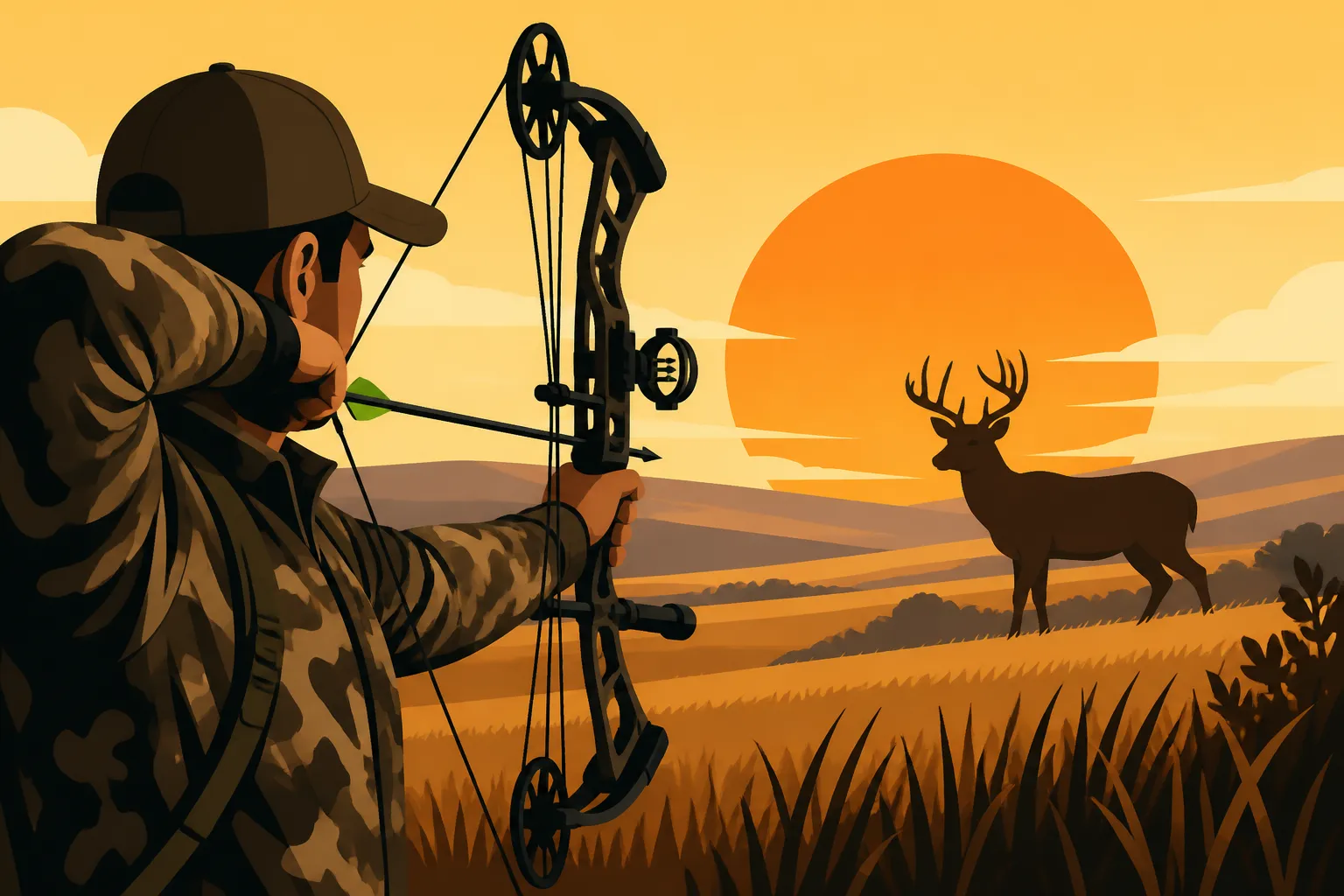
Your bow needs to be absolutely perfect for opening day. This isn't the time to be making major adjustments or trying out new broadheads. Weeks, if not months, before September 1st, you should be consistently practicing at various distances, from different positions (like from an elevated stand or simulating a ground blind), and in different lighting conditions. Make sure your bow is perfectly tuned, your arrows are flying true, and your broadheads are shaving-sharp. It's often a good idea to shoot the exact broadheads you intend to hunt with, ensuring they fly identically to your field points. Many archers will spend their summer shooting several times a week, ensuring their muscle memory is spot on. Using a rangefinder in flat Kansas country, especially, will help eliminate guessing games in the field. Remember, the early season can offer some of the best opportunities for close-range shots if you play your cards right, so practice those awkward angles and tight shots.
Scent Control and Bug Protection
In the warm, humid air of early September, deer can detect human scent from an astonishing distance. This makes meticulous scent control absolutely crucial. This includes using scent-eliminating sprays, washing hunting clothes in scent-free detergents, and storing them properly. Consider showering with scent-free soap before heading out. While ozone generators and other high-tech scent solutions have their proponents, the basics of wind awareness, clean clothes, and careful entry/exit remain king.
Beyond scent, the aforementioned insect population is a real nuisance. Mosquitoes, ticks, and chiggers are abundant. Investing in good bug repellent, ideally one containing DEET or permethrin for clothing, is essential. Wearing lightweight, long-sleeved shirts and pants, even in the heat, can provide a physical barrier against bites. Pay particular attention to tucking your pants into your socks, and always perform a thorough tick check after your hunt. You can find more targeted advice for managing these pests by looking up "Tick and Chigger Season in September".
Beyond the Opening Day: What Comes Next
While opening day gets all the hype, the Kansas archery season is a long, rewarding journey that changes dramatically as the weeks progress. Understanding the full scope of the season helps you stay adaptive and successful.
The Full Archery Season Window
The archery season doesn't just end after the first week or two. In Kansas, the archery deer season typically runs from September 1st all the way through December 31st, with a short break during the firearm season in early December. This extended window gives bowhunters an incredible amount of time to pursue deer, adapting their tactics as deer behavior shifts from early season summer patterns, through the exciting pre-rut and peak rut, and into the challenging late season. This long season allows for multiple hunting trips and a chance to experience the nuances of deer movement throughout the fall. Keeping track of the entire season's dates, not just the opener, is essential for a complete strategy. Remember that you will also need to comply with "Kansas Deer Tagging Requirements" once you've harvested a deer.
Transitioning from Early Season to the Rut
As September gives way to October and November, deer behavior undergoes a dramatic transformation. The early season focus on food and water gradually gives way to an increasing interest in scrapes, rubs, and eventually, does. Bucks will break from their bachelor groups, becoming more solitary and aggressive. The "pre-rut" in late October sees increased daytime movement as bucks begin to search for the first does coming into estrus. This is a highly anticipated time for many hunters, offering some of the best chances to encounter mature bucks. Tools like GoHunt can help you track these phases and plan your hunts accordingly, providing data and insights into deer activity. For more insights into how deer move and respond to pressure, especially on public land, consider studying "Hunting Pressure Patterns on Kansas Public Land".
The table below offers a quick overview of key considerations for the Kansas archery opener:
| Aspect | Early Season (Sept 1-15) | Key Challenges | Recommended Tactics |
|---|---|---|---|
| Weather | Warm, often hot (80-90°F) | Deer largely nocturnal, meat spoilage risk, bugs | Hunt water sources, shade, dawn/dusk, swift recovery |
| Deer Behavior | Summer patterns, bachelor groups, food/water focused | Predictable but often only low-light movement | Scout food/water, transition areas, pinch points |
| Vegetation | Lush, full canopy, standing crops | Thick cover, limited visibility | Hunt edges, trails, open timber, utilize GoHunt maps |
| Bugs | High activity (ticks, mosquitoes, chiggers) | Annoyance, disease risk | Repellent, long sleeves, tick checks |
| Hunting Pressure | Low to moderate on public land, higher on private | Deer can pattern hunters quickly | Stealthy access/exit routes, minimal disturbance |
This transition from the early season to the rut requires different strategies, from calling techniques to stand locations. What works on September 1st might not be effective on November 1st. But knowing that critical opening date is the first, most important step in preparing for the entire journey. For those interested in public land hunting, understanding options like the "Kansas Walk-In Hunting Access Explained" program is vital for extending your hunting opportunities throughout the season.
Disclaimer
The information provided in this guide is for general informational purposes only and is subject to change. Hunting regulations, season dates, and permit requirements are established by the Kansas Department of Wildlife, Parks and Tourism (KDWP) and can be updated annually. Always consult the most current official KDWP hunting regulations and proclamations before planning or engaging in any hunting activity.