How Long Kansas Preference Points Last
It's tough enough to plan an out-of-state hunt, let alone keep track of all the different preference point systems each state has. Kansas, with its fantastic whitetail hunting opportunities, is a popular choice, but its draw system can feel a bit like navigating a maze. One of the biggest questions I hear from fellow hunters is about how long those hard-earned Kansas preference points actually last. This guide will clear up the confusion, helping you understand the rules so you don't accidentally lose your progress toward that dream tag.
The Kansas Preference Point Expiration Rule
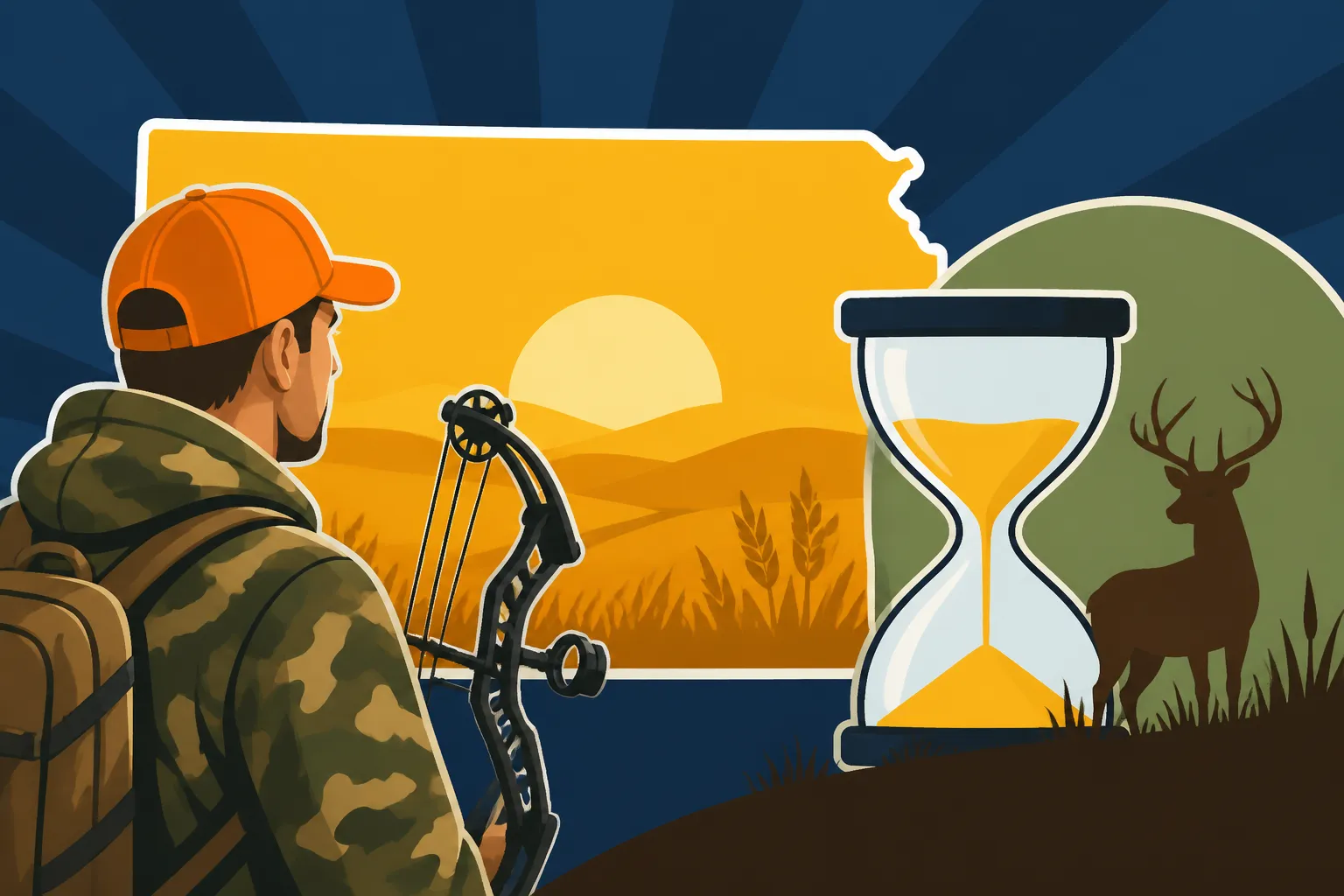
Let's cut right to the chase: Kansas preference points don't last forever if you're not actively engaged in the draw process. The Kansas Department of Wildlife, Parks and Tourism (KDWP) has a clear rule: you will lose all accumulated preference points if you fail to apply for a deer permit or purchase a preference point for five consecutive years. This isn't a "use it or lose it in a single year" scenario, but it's also not a "set it and forget it" system for a decade. Five years sounds like a long time, but as anyone who's been hunting for a while knows, five years can fly by when you're busy with life and other hunting adventures.
Understanding the Five-Year Clock
This five-year clock starts ticking the last time you either applied for a deer permit or specifically purchased a preference point. For example, if you applied for a Kansas deer permit in 2020, and then didn't apply or buy a point in 2021, 2022, 2023, or 2024, you would still have your points. However, if you missed applying or buying a point in 2025 as well, your points from 2020 would be completely wiped out. It's truly five consecutive years of inactivity that trigger the loss. This rule is designed to ensure that those who are seriously pursuing a Kansas deer tag remain invested in the system, even if they choose not to apply for a permit every single year. It keeps the pool of actively accumulating points somewhat current.
What "Applying" or "Purchasing a Point" Means
To keep your preference points active, you have two main options during the annual application period. The first, and most obvious, is to apply for a deer permit. When you submit your application, even if you don't draw, that action counts as "applying" and resets your five-year clock. The second option, which is often overlooked by newer applicants, is simply to Buying a Kansas Point Without Applying. This is a crucial distinction. If you know you can't hunt Kansas in a particular year, or if you're still building points for a highly coveted unit and don't want to burn a tag in a less desirable one, you can just purchase a point. This typically costs the same as the non-refundable application fee. This method allows you to maintain your point accumulation without committing to a hunt or risking drawing a tag you can't use that year. Many savvy hunters use this strategy to steadily build points until they have enough to practically guarantee a tag in their desired unit.
Why Preference Points Matter in Kansas
Kansas has earned a reputation for producing some truly exceptional whitetail deer, especially for non-resident hunters. This, coupled with conservative tag allocations, means demand often outstrips supply, making the draw system competitive. Understanding Kansas Preference Points Explained is fundamental to successfully hunting here.
The Role of Preference Points in the Draw
For non-residents, Kansas utilizes a preference point system for its whitetail deer permits, meaning those with more points get preference in the draw. It's not a lottery where everyone has an equal chance each year. Instead, points reward consistency. The more points you have, the higher your chances of drawing a permit, especially for the coveted "either-species/either-sex" permits in popular units. This system essentially creates a queue; you move closer to the front of the line each year you accumulate a point. Without points, drawing a desirable non-resident tag is incredibly difficult, often relying on pure luck or applying in less popular units. This is particularly true for units known for their trophy potential or abundant public land.
Building Points for Desired Units
Different deer management units in Kansas require varying numbers of preference points to draw a permit. Some units, particularly in eastern Kansas with its rich timber and agricultural land, might take several years to draw for non-residents. Others, often in central or western Kansas, might be drawn with fewer points, or even zero points, though these often come with different hunting challenges and deer densities. When planning your hunt, it's vital to research the historical draw odds for your chosen unit. Websites like GoHunt compile extensive draw data that can help you estimate how many points you'll likely need to secure a tag in your preferred area. This data is invaluable for setting realistic expectations and planning your multi-year point strategy. The higher the demand for a unit, the more preference points you'll typically need to be successful in the draw.
The Cost of Preference Points
While the concept of points might seem abstract, there's a real financial investment involved. Every time you apply for a permit or purchase a preference point, you'll pay a non-refundable application fee. For example, The $27.50 Kansas Application Fee is a standard cost you'll incur annually to either enter the draw or secure a point. Over several years, these fees can add up, which is why it's so frustrating to lose points due to an oversight. Additionally, once you do draw a permit, the actual Kansas Nonresident Deer Permit Cost is a significant expense, so you want to make sure you're ready to commit when your number finally comes up.
Strategies for Managing Your Kansas Preference Points
Given the investment of time and money, actively managing your preference points is key to realizing your Kansas deer hunting aspirations. It’s not just about accumulating them; it’s about strategically maintaining them.
Annual Application Process and Reminders
The most straightforward way to keep your points active is to participate in the draw every year. The When Kansas Deer Applications Open is typically in early April, and the Kansas Deer Application Window in April usually runs for about a month. Mark your calendar, set phone reminders, and tell your hunting buddies to remind you! Missing this window means you automatically lose a year of point accumulation, and if it happens for five consecutive years, you lose everything. I personally use multiple reminders on my phone and an old-school paper calendar. Some folks even create an annual "hunting budget" line item for preference point fees to ensure they don't forget the financial commitment.
Buying a Point Versus Applying for a Permit
As mentioned, if you're not ready to hunt but want to keep your points, purchasing a point is the way to go. This strategy is perfect for those who are still several points away from drawing their dream unit, or who have other hunting commitments that year. It prevents you from drawing a tag and having to either decline it (and likely lose your application fee) or scrambling to make a hunt work when you're not prepared. For example, if you're sitting on two points and know your desired unit takes four, you might buy a point for the next year or two, rather than applying for a tag you won't get, or risking drawing a less-desirable "adjacent unit" if your primary choice isn't available. You can always refer to the full process for How to Apply for a Kansas Nonresident Deer Permit for all the details on both options.
Utilizing Resources for Data and Planning
Information is power when it comes to draw systems. Resources like the Kansas Department of Wildlife, Parks and Tourism website are your primary source for official regulations and application dates. However, third-party platforms such as GoHunt offer in-depth draw odds, success rates, and unit analysis that can significantly inform your strategy. These tools can show you the historical point totals required to draw specific permits, helping you decide whether to apply or simply buy a point for the year. This kind of data can save you years of frustration and wasted application fees by guiding you toward realistic goals for specific Kansas Deer Units 1 Through 19. Before you decide on a primary and adjacent unit, dive into the data to understand what you're up against.
Planning Multi-Year Point Strategies
A successful Kansas deer hunt for a non-resident is rarely a one-year affair. It often requires a multi-year strategy focused on accumulating enough points to draw a desirable tag. This involves:
- Researching your target unit: Determine the average number of points needed for the unit you wish to hunt.
- Assessing your current points: Know exactly how many points you have.
- Deciding your annual action: Will you apply for a permit, or just buy a point?
- Setting reminders: Crucial for staying on track.
It's a marathon, not a sprint. If you're new to the system, consider starting with a goal of simply accumulating points for the first few years. As your points grow, so do your odds, and you'll get a better feel for How Many Points to Draw a Kansas Unit that aligns with your hunting goals.
Common Misconceptions and Pitfalls
Even experienced hunters can trip up on the nuances of preference point systems. Kansas has its own set of particularities that can lead to confusion or lost points if you're not careful.
Forgetting to Apply or Purchase a Point
This is, hands down, the most common reason hunters lose their hard-earned Kansas preference points. Life gets busy. Other state draws might have different deadlines, or you might simply have a lapse in memory. The five-year expiration rule is fairly generous, but it's not foolproof against forgetfulness. I've heard too many stories of hunters who were just one year away from drawing their dream tag, only to realize they'd missed the application window for the fifth consecutive time, and poof, their points were gone. The sting of that kind of mistake lasts longer than any successful hunt. Make sure to double-check the Kansas Application Window in April every single year.
Confusing Point Systems with Other States
Many states have different terminology and rules for their draw systems. Some use true "bonus points" where your name is entered multiple times for each point, effectively increasing your odds but not guaranteeing a draw based purely on point totals. Others have "loyalty programs" or "pure lottery" systems. Kansas's preference point system, which generally favors those with more points, is distinct. Assuming Kansas operates like Colorado or Wyoming can lead to critical misunderstandings about draw odds and point retention. Always refer to the specific Kansas regulations, especially the yearly Kansas Regulation Summary Release Date from KDWP.
The Mule Deer Stamp Draw is Different
It’s crucial to understand that preference points generally apply to whitetail deer permits in Kansas. The draw for a mule deer stamp, which allows a hunter to take a mule deer instead of a whitetail with their either-species/either-sex permit, operates under different rules. Why Points Do Not Help the Kansas Mule Deer Draw in the same way is because the mule deer stamp is typically allocated via a random drawing from eligible applicants. While you need an either-species permit to even apply for the mule deer stamp, your preference points for that initial permit don't directly influence your chances of drawing the mule deer stamp itself. This can be a source of confusion for hunters hoping to hunt mule deer in western Kansas, where they primarily reside.
Not Checking Your Point Totals Regularly
It's a good practice to log into your Kansas Outdoor Skills & Licenses (KOSL) account annually to verify your preference point total. Mistakes can happen, or you might simply want to confirm that your application or point purchase was properly recorded. This is also the platform where you'll find out your results once the Kansas Deer Draw Results Date arrives, usually in June. Knowing your exact point count helps you stay on track with your multi-year plan and ensures there are no surprises when you finally decide it's time to put in for that highly sought-after permit.
| Action | Impact on Preference Points | Expiration Rule | Cost |
|---|---|---|---|
| Apply for a Deer Permit | Accumulates 1 point (if unsuccessful) | Resets 5-year clock | Non-refundable application fee + Permit fee (if drawn) |
| Purchase a Preference Point Only | Accumulates 1 point | Resets 5-year clock | Non-refundable application fee |
| Fail to Apply/Purchase for 1-4 Years | Points retained | 5-year clock continues | None |
| Fail to Apply/Purchase for 5+ Years | All points forfeited | 5-year clock resets to zero | None |
Disclaimer
Please remember that hunting regulations, fees, and season dates are subject to change. Always consult the official Kansas Department of Wildlife, Parks and Tourism (KDWP) website and current year's hunting regulations for the most accurate and up-to-date information before planning any hunting trip.