Leaving a Trip Plan for a Public Hunt
Stepping onto public hunting ground in Kansas, whether it's a bustling Walk-In Hunting Access (WIHA) tract or a quieter state wildlife area, comes with its own unique set of challenges and, frankly, worries. It's not just about finding that perfect spot or outsmarting a wary whitetail; it's also about ensuring your safety in areas that might be remote, have limited cell service, or where you're just one of many hunters. This guide is all about taking one crucial step to mitigate those concerns: creating and sharing a detailed trip plan, a simple but profoundly important habit that could literally save your life.
The Undeniable Need for a Trip Plan on Public Land
We've all been there: that surge of excitement before a hunt, where the last thing on your mind is paperwork or formalities. You've scouted, you've packed your gear, and all you want to do is hit the timber or the CRP field. But the reality of hunting public land, especially in a state like Kansas with its vast and sometimes isolated tracts, means you're often far from immediate help. A sudden fall, an unexpected medical emergency, getting turned around in unfamiliar cover, or even just a vehicle breakdown can quickly turn a great day into a desperate situation. That's why a trip plan isn't just a suggestion; it's a fundamental part of responsible public land hunting.
Why Complacency is Your Biggest Foe
It's easy to think, "It won't happen to me." We often overestimate our knowledge of an area or underestimate the potential hazards. Maybe you've hunted that same small timber point for years, but what if a new logging cut changes the landscape, or a sudden downpour makes the creek impassable? Perhaps you're feeling a bit under the weather but push through, only for it to escalate when you're miles from your truck. These aren't far-fetched scenarios; they happen every season. Public land, by its nature, can be less predictable than private ground you've known for decades. Other hunters, varied terrain, and often sparse signage all contribute to an environment where complacency can lead to serious trouble. A trip plan forces you to think through these possibilities before you even step out of the vehicle. It's not about being paranoid; it's about being prepared and respecting the unpredictable nature of the outdoors and, frankly, the unpredictable nature of ourselves.
The Reality of Limited Resources and Response Times
When you're out chasing pheasants in western Kansas or waiting for a buck along a secluded creek bottom, you're not usually within shouting distance of help. Cell service, while much improved, still has significant dead zones, particularly in low-lying areas, heavy timber, or expansive grasslands. If something goes wrong, a simple call to 911 might not be an option, or it might be delayed. Even if you can make contact, knowing exactly where you are is critical for emergency responders. Many public land areas, especially those managed through the Kansas Walk-In Hunting Access (WIHA) program, are often remote and don't have easily identifiable landmarks or numbered access points. Providing a detailed map location, an estimated return time, and a list of who is with you drastically cuts down on search and rescue efforts. Think of it as providing a cheat sheet to the folks who might one day be looking for you.
What to Absolutely Include in Your Trip Plan
So, you're convinced. You need a trip plan. But what exactly goes into it? It needs to be comprehensive enough to be useful, but not so cumbersome that you never actually fill it out. The key is vital information: the who, what, where, when, and how, condensed into an easily digestible format.
Your Specific Destination and Route
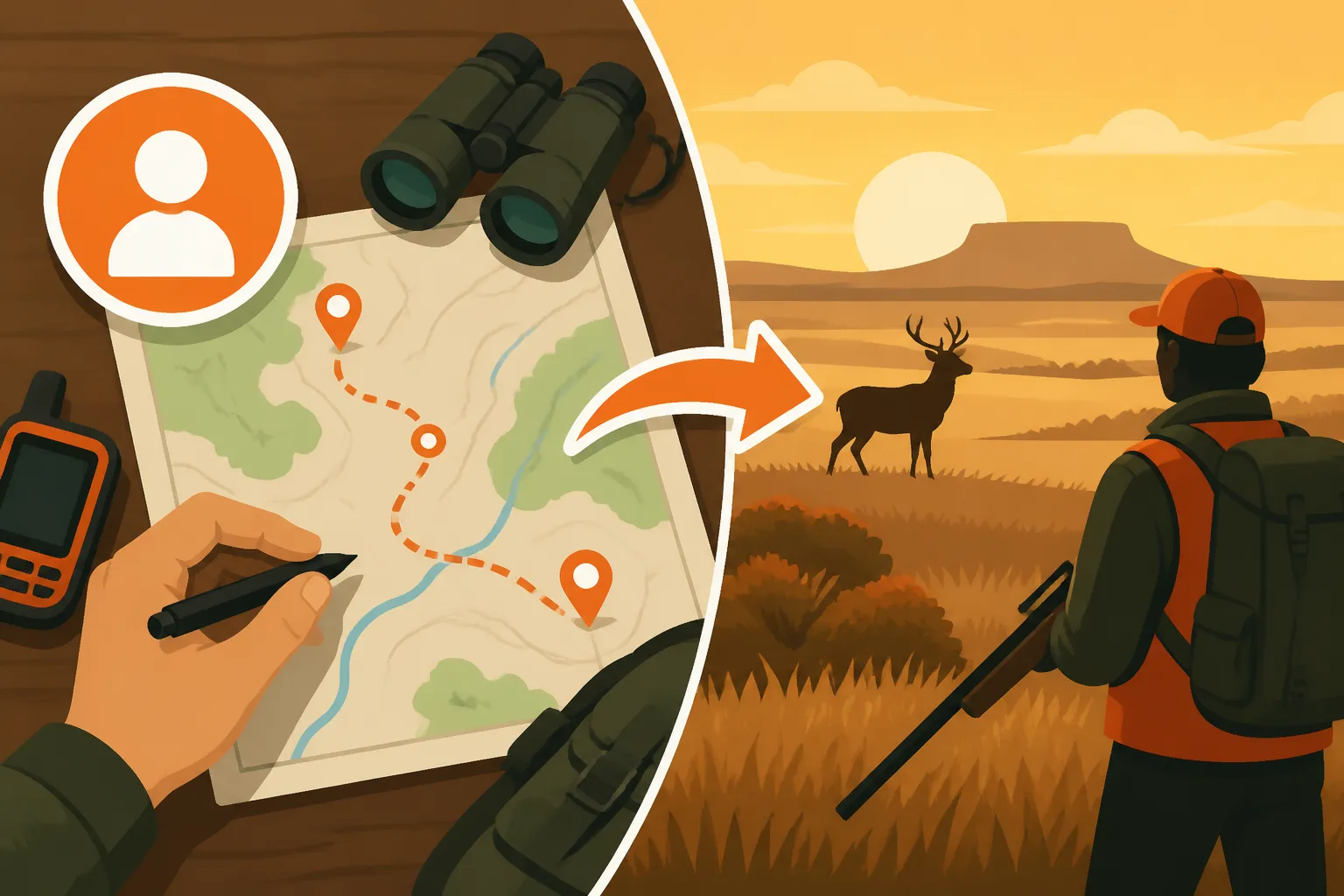
This is the absolute cornerstone of any good trip plan. Don't just say "I'm going hunting near Emporia." Be precise. Identify the specific WIHA tract number, the State Wildlife Area name, or the exact coordinates of your intended parking spot and general hunting area. If you're using a tool like the Kansas Hunting Atlas Online or onX, screenshot your planned entry and exit points, and even a general route you intend to take. If you're planning to hunt in areas that are accessed by navigating river systems or crossing distinct terrain, mentioning these details can be incredibly helpful. For instance, stating "I'll be parking at the southeast corner of WIHA tract #1234, entering the timber, and planning to move north along the creek until I hit the standing corn" paints a much clearer picture than a vague description. If you're going to be moving between different tracts or areas, detail each one. Consider including a backup plan too, in case your primary spot is occupied or less promising than anticipated. This information is paramount for anyone trying to locate you.
Your Timeline: Expected Departure and Return
Time is of the essence in an emergency. Clearly state when you plan to leave home, when you expect to arrive at your hunting location, and, most importantly, when you anticipate being back home or at least out of the field and safely en route. Building in a buffer is always a smart idea. For example, if you think you'll be out by 5 PM, tell your contact you expect to be out by 6 PM. This allows for unexpected delays like a difficult blood trail, a flat tire, or simply deciding to stay a little longer. If you don't check in by your specified return time, that's the trigger for your contact person to initiate the emergency protocol you've established. Be realistic, but also add a little cushion. This timing also helps when considering Hunting Pressure Patterns on Kansas Public Land—knowing when other hunters might be entering or leaving can influence your own timeline.
Crucial Personal and Emergency Contact Information
This might seem obvious, but many people forget to put down critical personal details. Include your full name, date of birth, and any known medical conditions or allergies that could impact an emergency response. Think about those "in case of emergency" (ICE) contacts on your phone, but put them in writing. Who should be called first? What's their relationship to you? Also, include the license plate number, make, model, and color of your vehicle. If you're hunting with a group, list every person in your party, their contact information, and their vehicle details as well. If you have any specific gear that might aid in a search, like a satellite communicator or a unique piece of clothing, mention that too.
Who to Share Your Trip Plan With and How
A trip plan is only as good as its distribution. It does no good tucked away in your hunting pack or saved on your phone if no one knows where to look for it. Choosing the right person to share it with and establishing clear communication protocols are just as important as the details within the plan itself.
The Designated Contact Person: Your Lifeline
This needs to be someone reliable, responsible, and who understands the seriousness of the task. It shouldn't just be a casual acquaintance. Choose a spouse, a close family member, or a trusted friend who is not only reachable but also knows exactly what to do if you don't check in. Before you head out, sit down with them and walk them through every detail of the plan. Explain the exact location you’ll be hunting, what time they should expect to hear from you, and what steps to take if they don’t. This might include trying your cell phone multiple times, then calling your hunting partners, and finally, contacting local law enforcement or the Kansas Department of Wildlife, Parks and Tourism (KDWP) game wardens, providing them with all the information from your trip plan. It's like having a dispatcher who's personally invested in your safe return.
Leveraging Technology for Easier Sharing and Tracking
In today's world, there are fantastic tools available to make sharing your trip plan simple and effective. Services like GoHunt, for example, often integrate mapping features that allow you to mark your intended route and share it directly with contacts. Many GPS apps, like onX Hunt, also have tracking features or "share my location" options that can be incredibly useful. You can often export your marked maps or waypoints and send them via email or text. Some apps even allow for real-time tracking, which, while battery-intensive, can provide peace of mind in certain situations. Even a simple text message with a dropped pin and a quick summary of your plan is better than nothing. Just remember that technology can fail – batteries die, and signals drop – so always have a backup paper map and compass, and a hard copy of your trip plan given to your contact. For those Scouting Kansas Walk-In Tracts Before the Opener, these digital tools are invaluable in planning and communicating your intentions.
Technology and Best Practices for Enhanced Safety
Beyond the trip plan itself, integrating certain technologies and adopting smart habits can significantly boost your overall safety while hunting public land in Kansas. These practices aren't just convenient; they're essential layers of protection.
Satellite Communicators and Personal Locator Beacons
For the serious public land hunter, especially those venturing into truly remote areas or hunting alone, a satellite communicator (like a Garmin InReach or Spot device) is an absolute game-changer. These devices allow you to send and receive text messages even when you have no cell service, share your GPS location in real-time, and, critically, send an SOS signal directly to a 24/7 emergency response center. This kind of direct, immediate communication in a crisis situation cannot be overstated. While they come with a subscription fee, the peace of mind and the potential for rapid rescue are well worth the investment. Think of it as your portable emergency beacon that also lets you text your spouse to say you'll be late for dinner. When you're deep in a Kansas river bottom, trying to retrieve a deer, or navigating miles of CRP, these devices become invaluable.
Understanding Public Land Rules and Regulations
Part of a solid trip plan and overall safety involves knowing the rules of the game. Kansas public land, including WIHA tracts and State Wildlife Areas, often have specific regulations beyond statewide hunting laws. This could include restrictions on camping, vehicle access, or even where you can hang a tree stand. For example, knowing the rules around Overnight Stand Storage on Public Ground can prevent potential issues. Before you go, always check the KDWP website or the specific area's regulations. Understanding these rules helps you avoid accidental violations and potential encounters with game wardens that, while usually friendly, can be a distraction from your hunt and an unnecessary stressor. Familiarizing yourself with the Kansas WIHA Atlas and the Kansas Online Hunting Atlas is crucial for this pre-hunt research.
Leaving No Trace and Respecting Other Hunters
Your personal safety on public land can also be influenced by how you interact with the environment and other users. Practicing principles like Leaving No Trace on Walk-In Ground not only preserves the land for future generations but also helps maintain a positive image for hunters. Be mindful of others; public land is a shared resource. Avoid setting up too close to another hunter’s vehicle or known stand location. If you encounter another hunter, a friendly nod or brief greeting is usually sufficient. Being aware of others in the vicinity can also play a role in safety, especially if you hear unexpected shots or see signs of another hunter struggling. Remember, we're all out there to enjoy the outdoors safely.
Trip Plan Essentials Summary Table
To help consolidate all this information, here's a quick reference table of what your trip plan should always include:
| Category | Essential Information to Include | Importance |
|---|---|---|
| Personal Details | Full Name, Date of Birth, Emergency Contacts (Name, Relation, Phone), Medical Conditions, Allergies, Medications. | Critical for emergency responders to provide appropriate care. |
| Vehicle Information | Make, Model, Color, License Plate Number. | Helps locate your access point and identify your presence. |
| Hunting Location | Specific WIHA Tract #, State Wildlife Area Name, GPS Coordinates of Parking/Entry, General Hunting Area Description (e.g., "north timber"). | Most Important: Guides search and rescue directly to your location. |
| Planned Route/Movement | General direction of travel, major landmarks (creeks, roads, crop fields), intended stand locations, backup spots. | Helps narrow down search areas if you become lost or incapacitated. |
| Timeline | Departure Time (from home), Arrival Time (at location), Expected Return Time (out of field/home). | Establishes a clear "check-in" time for your contact person. |
| Hunting Party Details | Names, Contact Info for everyone in your group. | Allows for multiple points of contact and accounts for all individuals present. |
| Communication Plan | How and when you'll check in (text, call, satellite message), what device you'll use. | Sets expectations and defines the trigger for emergency action. |
| Emergency Contacts | Designated contact person's name and number, local Sheriff/KDWP (non-emergency) numbers. | Provides the primary point of contact and escalating steps for a no-show. |
| Gear/Equipment Notes | Satellite communicator, specific colored clothing, significant gear you'll carry. | Helps searchers identify you or use your tech to locate you. |
| Contingency Notes | "If I don't check in by X time, try Y, then call Z." Weather considerations, alternative routes. | Guides your contact person through necessary actions if communication fails. |
By filling out a similar table for every hunt, you're not just organizing your thoughts; you're building a comprehensive safety net.
Final Thoughts on Your Safety in the Kansas Wild
Hunting in Kansas offers incredible opportunities, from chasing trophy whitetails in the eastern river bottoms to pheasants across the western plains. But with every step into the wild, especially on public land, comes a responsibility to prioritize safety – for yourself, for your hunting partners, and for anyone who might need to come looking for you. A well-constructed and thoughtfully shared trip plan isn't a burden; it's a vital tool. It’s a proactive measure that speaks volumes about your respect for the outdoors and your loved ones. Make it a non-negotiable part of your hunting routine, right alongside checking your gear and sighting in your rifle. Because ultimately, the most successful hunt is always the one you come home from safely, ready to tell your stories.
Disclaimer
The information provided in this guide is for informational purposes only and does not constitute professional advice. Hunting regulations and safety protocols can change, so always consult the latest Kansas Department of Wildlife, Parks and Tourism (KDWP) regulations and consider professional training for outdoor safety and first aid. Engage in hunting activities at your own risk and responsibility.