Standing Corn Late in the Season
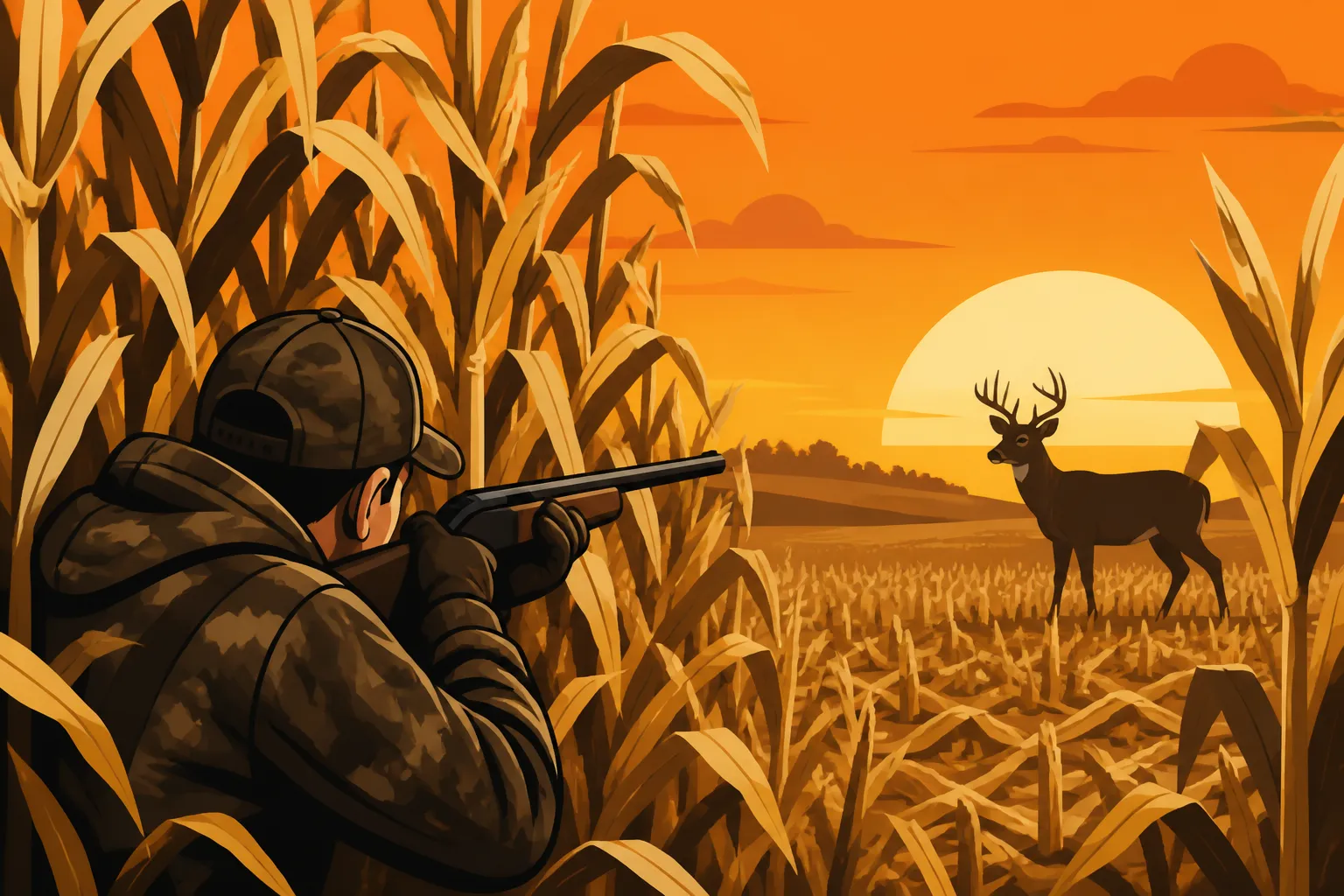
It’s late in the hunting season in Kansas, the calendar is flipping toward December or even January, and many of the fields you scouted meticulously in early fall are now barren. Standing beans have been cut, the milo is gone, and even most of the corn has been harvested. This can leave you scratching your head, wondering where all the deer have gone. The answer, for many frustrated hunters, often lies in the remaining pockets of standing corn, which become absolute magnets for whitetails. This guide will walk you through the critical reasons deer flock to these golden fortresses and provide actionable strategies to successfully hunt them when other options have dried up.
Why Deer Gravitate to Standing Corn Late in the Season
Late season hunting, especially when the temperatures drop and the snow starts to fly, presents a unique set of challenges. Deer are focused almost entirely on survival: finding food and staying warm while avoiding predators. Standing cornfields, often overlooked or deemed too difficult to hunt, actually provide an incredible solution for whitetails, making them prime targets for a savvy hunter.
Unmatched Food and Cover Combination
Imagine it from a deer’s perspective. Most of the natural browse has lost its nutritional value, and the easy pickings from harvested fields are long gone. What remains? Often, large tracts of standing corn. These fields are a powerhouse of carbohydrates and fats, essential for deer trying to pack on weight or simply maintain their energy reserves during the leanest months. It's a readily available, high-calorie buffet that is simply hard to pass up.
But it's not just the food. The sheer density of standing corn stalks provides unparalleled visual security. A deer can disappear into a few rows and feel completely hidden from prying eyes, whether those belong to a hunter or a coyote. This dense cover also offers a tremendous sense of safety, allowing deer to move, feed, and bed down with a reduced feeling of vulnerability. When you combine this dense cover with the abundant food source, you have a perfect storm for drawing deer in and holding them in specific areas, especially in the vast, open landscapes of Kansas farm country where natural timber or thickets might be few and far between.
Thermal Refuge and Wind Protection
Kansas winters can be brutal, with frigid winds sweeping across the plains and temperatures plummeting well below freezing. For deer, conserving energy is paramount, and battling the elements constantly can quickly deplete their fat reserves. This is where standing corn truly shines as a thermal refuge. The tall, tightly packed stalks create a microclimate within the field. Think of it like a natural windbreak. The wind, which can strip heat away from a deer's body at an alarming rate, is significantly dampened, if not completely blocked, inside the corn.
Furthermore, the dense canopy of cornstalks can actually trap heat, particularly on sunny days, making the interior of the field warmer than the exposed areas outside. This effect is subtle but significant for a deer trying to minimize energy expenditure. Compare this to a patch of CRP grass, which offers visual cover but does little to block a biting north wind, or a thin timber edge that might provide some breaking of the wind but doesn't offer the same insulated feel. Deer will naturally seek out these areas where they can stay out of the wind and soak up any available warmth, allowing them to bed comfortably and save precious calories that would otherwise be spent shivering. This desire for warmth and protection makes standing corn a sanctuary, especially after a cold front movement in December.
Scouting Strategies for Standing Corn Fields
Hunting standing corn isn't like hunting a timber patch; you can't just walk in and expect to see what's happening. The density of the cover means you need a calculated approach to scouting. Going in blindly will almost certainly blow deer out, making your hunt even tougher. The goal is to gather as much information as possible without disturbing the deer that are calling that corn home.
Interpreting Entry and Exit Points
Deer don't just appear magically in a cornfield. They have preferred pathways they use to enter and exit, often along the edges where the corn meets timber, a ditch, or another type of cover. Your first step should be to identify these key entry and exit points. Look for well-worn trails, especially where they emerge from deeper cover or cross a fence line. These trails will be noticeably beaten down, sometimes even showing signs of mud or freshly turned earth if it's been wet. Focus on the corners of the field, as these often act as natural funnel points, and pay close attention to any interior "fingers" of timber or overgrown fence rows that might extend into or alongside the corn. These are classic spots for deer to stage before entering the deeper corn or to use as an escape route. Understanding and utilizing "Access Routes That Do Not Bump Deer" is absolutely vital here.
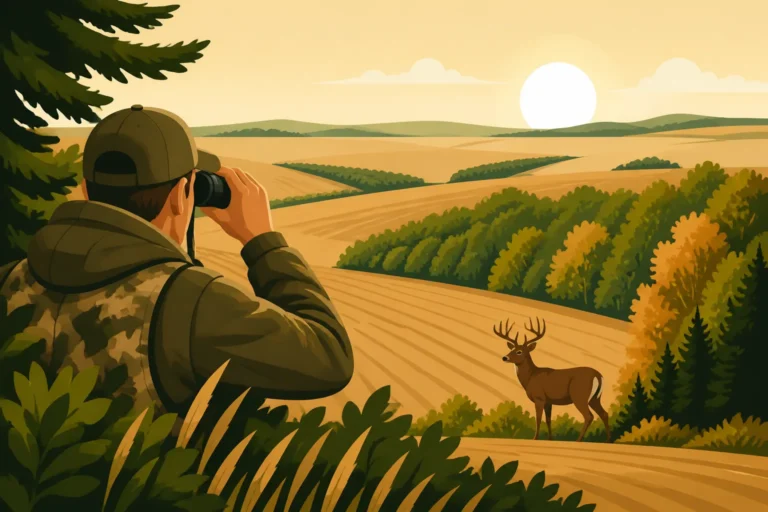
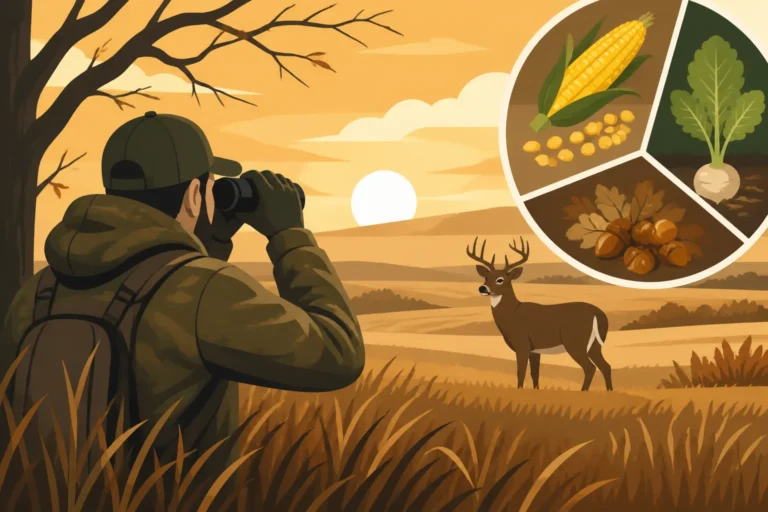
You'll also want to observe these fields from a distance, perhaps with binoculars or a spotting scope, especially in the late afternoons or early mornings. Watch to see where deer emerge, which rows they favor, and if they follow any specific terrain features. A slight dip in the field, a drainage ditch, or even an old farm road can create a subtle travel corridor that deer will consistently use. The more you can learn without putting human scent or pressure directly into the corn, the better your chances of a successful hunt.
Locating Bedding and Feeding Zones Within the Corn
This is arguably the most challenging aspect of scouting standing corn: determining where deer are bedding and feeding inside the dense cover without actually entering it and spooking them. Unlike an open field where you might see deer milling about, within the corn, they are almost invisible. However, there are clues. Deer will often bed in the thickest parts of the corn, often near the center of a large block, or sometimes along a slight rise in topography that offers a better vantage point, however subtle. They'll also bed where the corn offers maximum wind protection.
To locate these areas, start with an aerial view. Tools like GoHunt mapping are invaluable for e-scouting. Look for areas where the corn is particularly dense, or where it might meet a small drainage or an old growth of weeds within the field. Sometimes, even a slight change in elevation can be a key bedding factor. You might also spot subtle "blowdowns" where a deer has pushed over stalks to create a bed.
The key is to differentiate between random tracks and concentrated activity. If you see multiple fresh tracks heading into one specific area, especially if accompanied by droppings, you’re on the right track. You might have to make a very cautious, midday intrusion on a windy day, but only if you suspect a high-value bedding area. The goal is to find signs of regular usage – heavy trails leading deep into the field, concentrated droppings, and perhaps even some rub lines along the stoutest cornstalks. Remember, these are often the same areas where they'll feed, as they don't want to travel far from their secure bedding. For more on this, check out "Reading Aerial Imagery for Bedding Cover".
Tracking Movement Patterns and Times
Deer movement in late season standing corn isn't always typical. While dawn and dusk remain prime times for activity, severe cold or heavy hunting pressure can push deer into moving more during midday, especially to feed. Your scouting needs to focus on pinpointing when and how deer are using the corn. This means paying attention to the freshness of tracks and droppings. Fresh tracks will have sharp edges, and fresh droppings will still be soft and shiny. If you're consistently seeing fresh sign from mid-morning onward, it might indicate midday movement.
Consider the weather: extremely cold, post-front days, especially after a period of stable weather, can trigger intense feeding frenzies as deer need to replenish energy. Conversely, during a mild late-season spell, deer might be more nocturnal. Observing nearby food sources (like winter wheat or alfalfa) can give you clues about when deer are leaving the corn to supplement their diet. If they're hitting other fields heavily at night, they're likely bedding and perhaps even feeding lightly within the corn during the day. This ties directly into understanding "Hunting Pressure Patterns on Kansas Public Land" – highly pressured deer will rarely leave the corn during daylight hours unless forced.
| Scouting Method | Pros | Cons | Best Use Case |
|---|---|---|---|
| Distant Observation | No disturbance to deer; allows for long-term pattern recognition. | Limited visibility into dense corn; weather dependent; requires patience and optics. | Identifying primary entry/exit points and overall field usage from a safe distance. |
| Edge Walking | Reveals immediate fresh sign at field perimeter; relatively low impact. | Only shows edge activity; risks bumping deer if too close to prime entry points. | Confirming fresh tracks, droppings, and specific ingress/egress routes along the corn's perimeter. |
| Midday Intrusion | Can reveal internal bedding/feeding areas; provides direct evidence. | High risk of spooking deer; leaves scent; should only be done during high winds or unfavorable hunting conditions for limited impact. | Pinpointing specific bedding thickets or high-traffic interior trails that are otherwise undetectable. |
| E-Scouting | Zero disturbance; quick overview of terrain; pre-season planning. | Relies on historical imagery; cannot confirm current fresh sign; requires interpretation skills. | Identifying likely pinch points, funnels, and potential bedding topography before boots-on-the-ground scouting. |
Effective Hunting Tactics for Late Season Standing Corn
Once you've done your homework and understand how deer are using a particular standing cornfield, it's time to put a plan into action. Hunting these areas requires precision, stealth, and often a willingness to adapt, as the dense cover and wary late-season deer can be unforgiving.
Stand Placement and Wind Considerations
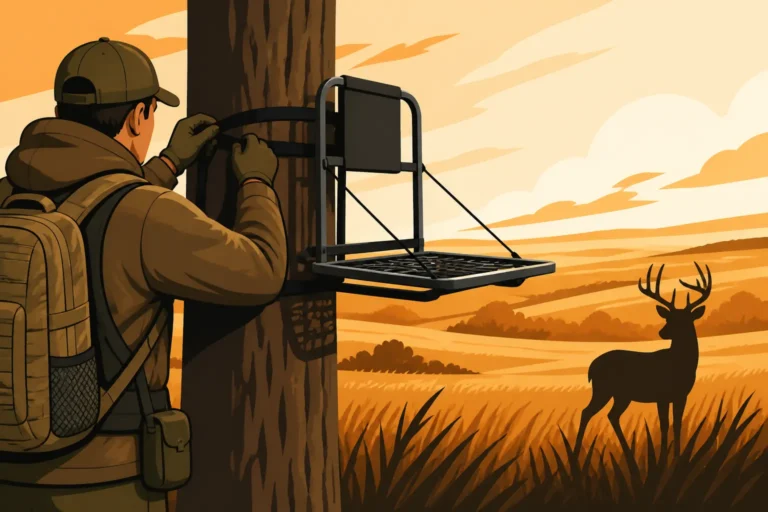
Where you put your stand or blind is absolutely crucial when hunting standing corn. You can't just slap a stand up anywhere; it needs to be strategically placed to intercept deer moving in or out of the corn, or even moving within it. Classic locations include corners of the cornfield, especially where the corn transitions into timber or a thick fence row. These areas create natural bottlenecks. Look for interior "points" of woods or brush that jut into the corn, or ditch lines and creek crossings worth hanging a stand on that run through or along the field. Deer will often follow these natural linear features. Consider any subtle funnels that might force deer into a predictable path, even if it's just a slight elevation change or a narrow strip of corn between two other obstacles. For more on this, consider "Best Stand Locations in Flat Farm Country" and "Hunting Inside Corners of Crop Fields".
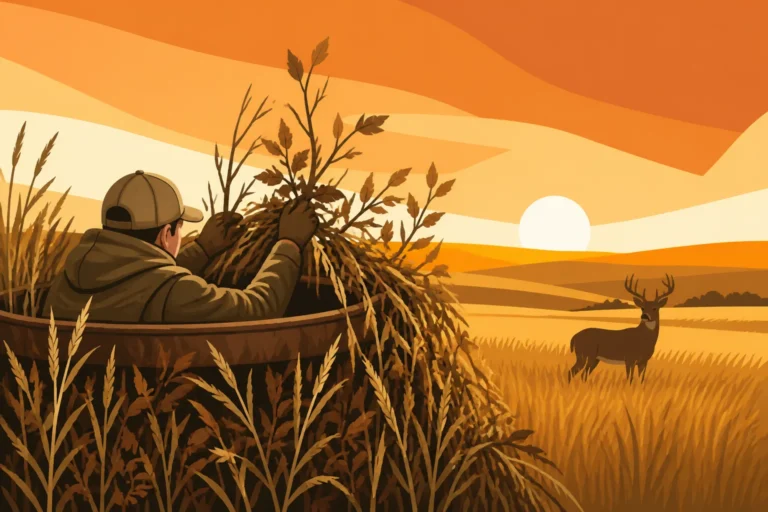
The wind is your ultimate boss. A slight mistake in playing the wind can ruin your hunt before it even begins. Always place your stand downwind of where you expect deer to approach or exit the corn. This means having a clear understanding of the prevailing wind direction for your chosen day and being ready to audible if the wind shifts unexpectedly. For open country hunting, ground blinds can be extremely effective, particularly in the late season when natural cover for treestands might be sparse. Make sure your blind is thoroughly brushed in and set up well in advance to allow deer to get used to its presence. This advice on "Ground Blind Brushing In" is invaluable for success in these exposed areas.
Strategic Still Hunting and Drives
Given the density of standing corn, traditional sit-and-wait methods aren't always the only or best option. Sometimes, a more active approach is necessary. Still hunting, moving incredibly slowly and deliberately within the corn, can be highly effective. The key is to move with the wind in your face or quartering, taking only a few steps at a time, pausing to listen and scan. Wear quiet clothing, take advantage of the rustling cornstalks to mask your movements, and be prepared for extremely close-range encounters. This method demands immense patience and discipline, but it allows you to penetrate the deer's sanctuary and often catch them off guard.
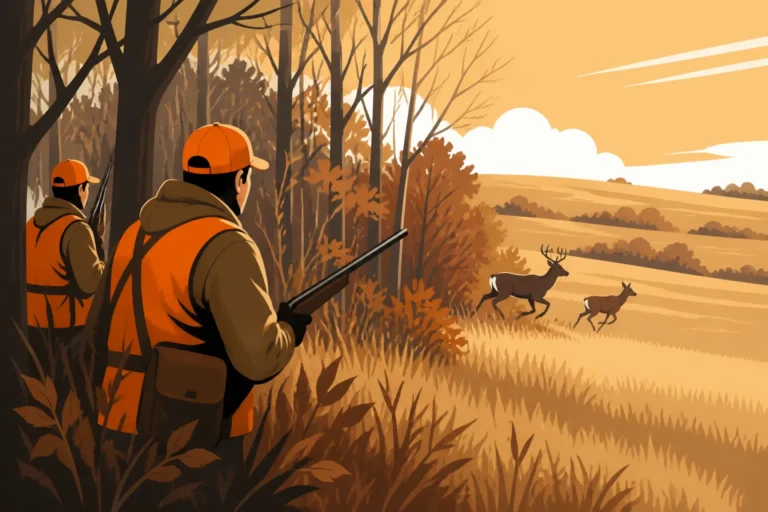
Another powerful tactic, especially when you have a few hunting partners, is a small, controlled drive. This is not about pushing deer pell-mell through the field, but rather a strategic, slow push designed to gently move deer towards waiting standers. The drivers move slowly and quietly through the corn, focusing on known bedding areas or thick pockets, while the standers are positioned on the downwind side of travel corridors or escape routes. Communication between drivers and standers is paramount for safety and effectiveness. This tactic is particularly well-suited for "Firearm Season Drives on Small Timber" or smaller corn blocks. It requires careful planning and a good understanding of how deer will react when pressured within the corn.
Utilizing Scents and Calls
Late in the season, after weeks or even months of hunting pressure, deer are notoriously wary. Their priorities are food, warmth, and survival, and their guard is up. This means that aggressive calling or scent strategies that might work during the rut are generally less effective and can even be detrimental in the late season. Subtlety is key.
A soft doe bleat or a quiet grunt call might pique a deer's curiosity if they are already moving and relaxed, but don't expect them to come charging in. Deer communication is minimal outside the rut, and loud calls can easily spook a wary whitetail. Instead, focus more on scent control. Given the close quarters you'll often find yourself in when hunting corn, impeccable scent control is non-negotiable. Use scent-eliminating sprays, wash your clothes in unscented detergent, and store them in airtight containers.
While mock scrapes are less effective than during the rut, creating a fresh mock scrape near a major entry point or travel corridor and adding some dominant buck urine can sometimes draw a curious buck in, especially if he's still checking for late-season does. However, your primary focus should always be on precise stand placement and playing the wind flawlessly, as these factors will have a far greater impact on your success than any call or scent late in the season. Remember that late-season bucks are rarely thinking about breeding; they're thinking about survival and finding good "Late-Season Food Source Hunting" opportunities.
Disclaimer
Hunting is an inherently dangerous activity. Always follow all local, state, and federal hunting regulations. Prioritize safety by wearing appropriate hunter orange, using safe firearm and archery practices, and informing someone of your hunting location and expected return time. The information provided in this guide is for informational purposes only and does not substitute for proper hunter education or professional guidance.