Carcass Transport Across State Lines
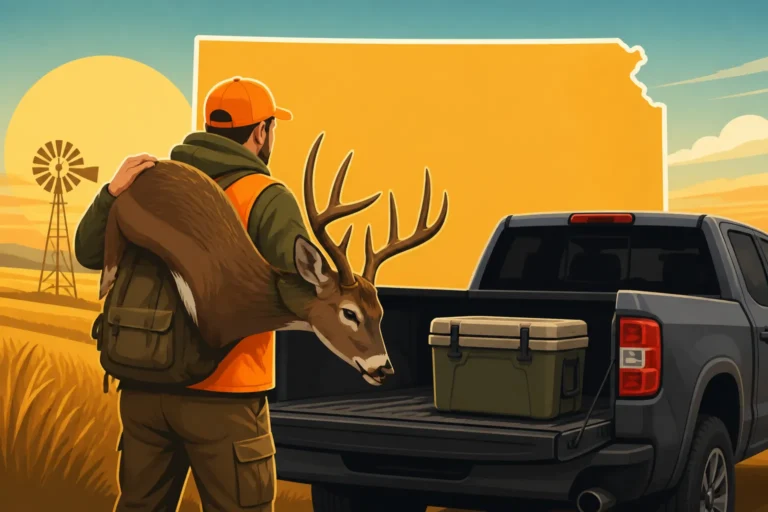
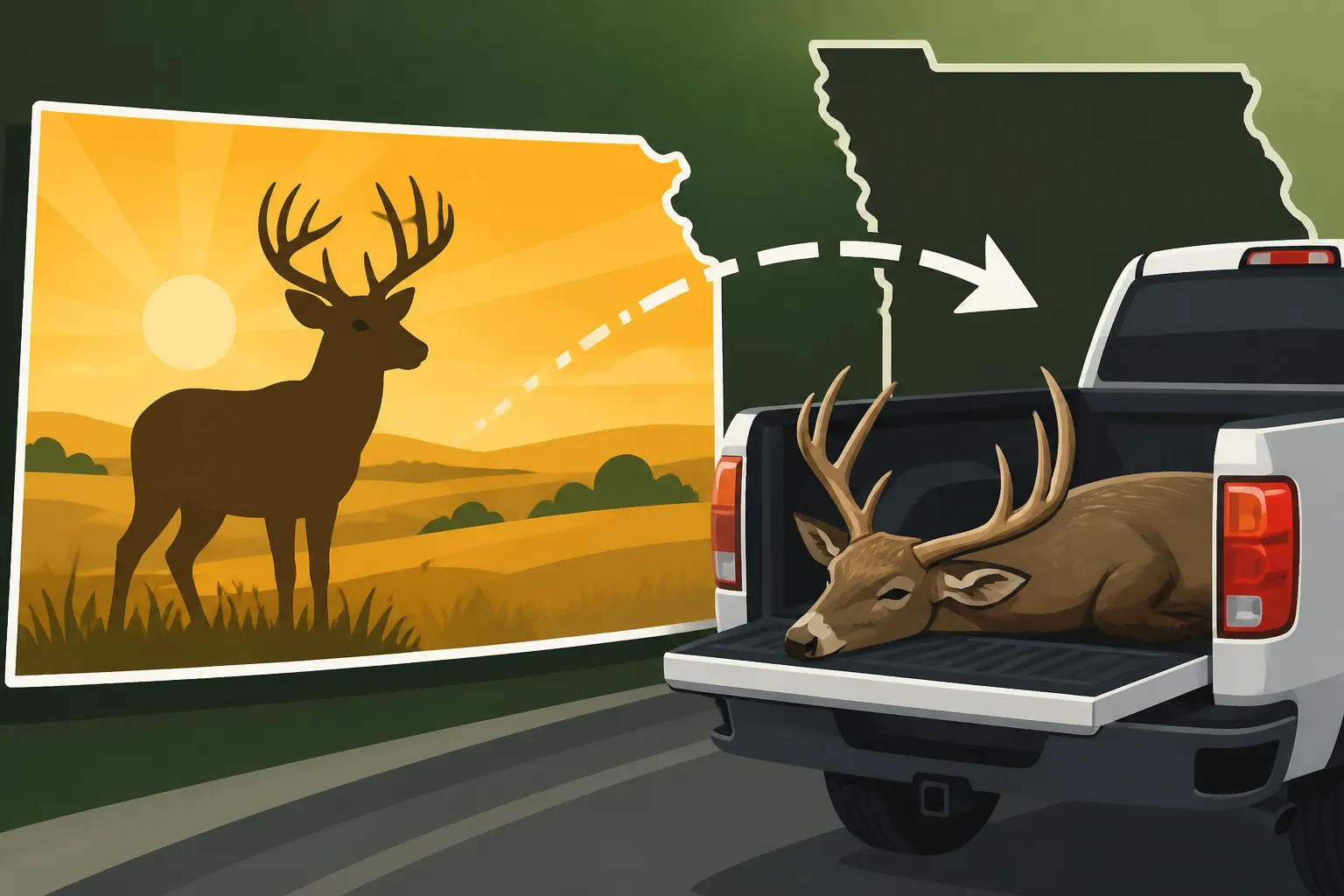
You've just finished a fantastic hunt in Kansas, maybe even tagged that buck of a lifetime, and the adrenaline is still pumping. But then, a wave of concern washes over you: "How in the world do I get this deer home, especially if I'm crossing state lines?" It's a real headache, isn't it? The thought of navigating complex regulations, especially with all the talk about Chronic Wasting Disease (CWD), can quickly turn that post-hunt glow into dread. This guide is here to untangle those rules, giving you clear, actionable steps to ensure your hard-earned Kansas harvest makes it safely and legally back to your freezer, no matter where "home" is.
Understanding CWD and Its Impact on Transport
Let's face it, CWD is a big reason why interstate game transport rules are such a maze. It’s not just a buzzword; it's a serious neurological disease affecting deer, elk, and moose. Understanding what it is and why the rules exist is the first step to confidently bringing your animal home.
Why CWD Regulations Exist
Chronic Wasting Disease is caused by abnormal proteins called prions, and it’s always fatal for the animals that contract it. What makes it particularly concerning for wildlife agencies and hunters alike is its ability to spread. The prions can be shed through saliva, urine, and feces, contaminating the environment for years. States implement strict carcass transport regulations primarily to prevent hunters from unknowingly introducing CWD into new areas. Imagine harvesting a deer in a CWD-positive area, taking certain high-risk parts across state lines, and then those prions contaminating the soil or water in your home state, potentially infecting local deer herds. That’s the nightmare scenario everyone is trying to avoid, and it's why these rules, while sometimes frustrating, are so crucial for wildlife management.
The regulations are a direct response to scientific understanding of how CWD prions concentrate in certain tissues. These are usually the brain, spinal cord, lymph nodes, and spleen – the parts you wouldn't typically consume anyway. By requiring the removal of these specific tissues, states aim to minimize the risk of spreading the disease while still allowing hunters to enjoy their harvest. It's a delicate balance between public health, wildlife conservation, and a hunter's right to take their game home. Knowing this background helps put the sometimes-tedious rules into perspective, reminding us that we're all playing a part in protecting our deer herds.
General Carcass Part Restrictions
So, what exactly are these "high-risk" parts that states want you to leave behind? While specific regulations vary by state, there's a pretty consistent list of what you generally cannot transport across state lines from a CWD-positive area, which includes much of Kansas. These usually include the brain, spinal cord, eyes, lymph nodes, spleen, and any nervous system tissue. This means whole carcasses are almost universally prohibited unless you're moving between areas with very similar CWD statuses or within the same CWD management zone.
On the flip side, most states do allow the transport of certain low-risk parts. This typically includes boned-out meat (meaning all bones and connective tissue have been removed), cleaned skulls (with all brain and nervous tissue removed), antlers, hides (without the head attached), and finished taxidermy mounts. Essentially, if it’s pure muscle meat or completely bone-dry and clean bone/antler, you’re usually in the clear. However, always double-check your destination state's specific rules, as some might have even more stringent requirements or require specific permits or declarations. For instance, some states might only allow a skull plate with antlers, even if the entire skull is cleaned.
Here's a quick overview of generally allowed and restricted parts:
| Generally Allowed (Low Risk) | Generally Restricted (High Risk) |
|---|---|
| Boned-out meat | Whole carcass (unless otherwise specified) |
| Cleaned skull plate with antlers | Brain and nervous tissue |
| Cleaned skull (all tissue removed) | Spinal cord |
| Antlers (shed or attached to clean skull) | Eyes |
| Hides (without head or spinal column) | Spleen |
| Teeth | Lymph nodes |
| Finished taxidermy mounts | Organs (beyond boned-out meat) |
Preparing Your Kansas Harvest for Interstate Travel
Once you've got your Kansas deer on the ground, the real work, especially if you're traveling, begins. Proper field preparation isn't just about preserving your meat; it's about ensuring you meet those crucial CWD transport regulations for your home state. It's a bummer to have your success turn into a legal headache at a state line checkpoint, so doing it right in the field is paramount.
Field Dressing and Quartering for Compliance
For most out-of-state hunters, the safest and most compliant way to transport your Kansas whitetail or mule deer is to completely bone it out. This means removing all the muscle tissue from the bone, leaving behind the skeletal structure in the field. This method eliminates all the high-risk CWD parts like the spinal cord, brain, and major lymph nodes. It might seem like a lot of extra work, especially if you're used to hauling whole deer, but it’s often the only legal way to cross state lines without issues. Imagine getting a beautiful buck and then realizing you can't take it home because you didn't bone it out. That's a heartache we all want to avoid.
Start by field dressing your deer as usual, making sure to completely remove all internal organs. Then, proceed to quarter the animal. This involves separating the deer into its four major leg sections, backstraps, and tenderloins. From there, meticulously bone out the meat, carefully removing all muscle from the bones. Take your time to trim off any excess fat, fascia, and any visible lymph nodes. Package the boned-out meat in heavy-duty game bags or vacuum-sealable bags, ensuring it's clearly labeled as "Kansas Deer Meat." This step not only makes transport easier but also helps cool the meat quickly, which is essential, especially if you're hunting during the Muzzleloader Deer Tactics in Warm September Weather or other warm periods. Field Dressing in Warm Kansas Weather offers some great tips on handling your harvest when the temperatures aren't cooperating.
Skull and Antler Preparation
If you've harvested a buck and want to take the antlers or a skull home for a mount, you need to be just as diligent. Simply chopping off the head isn't enough; you need to clean it thoroughly. For antlers attached to a skull plate, ensure all brain and nervous tissue is completely removed from the skull plate. This often means boiling or pressure washing the skull cap until it’s bone-white and free of any organic material. Any remaining soft tissue can be a vector for CWD prions, making it non-compliant for transport. Many hunters opt for just the skull plate (the portion of the skull holding the antlers) to minimize bulk and ensure compliance.
If you're planning a full European mount, you'll need to remove the entire brain, eyes, and any connective tissue from the skull cavity. This can be a messy process and requires thorough cleaning. The skull needs to be completely dried and free of any odor or biological material. Some outfitters or local processors in Kansas might offer skull cleaning services that meet interstate transport requirements, which can be a huge convenience. Always verify that their cleaning methods meet the regulations of your home state before relying on them. When it comes to antlers, simply detached antlers or shed antlers are almost always allowed, as they are non-biological material. If you're pondering between a European mount and a shoulder mount, consider the transport implications; a cape adds another layer of regulation to navigate.
Navigating Your Home State's Import Laws
You've done the hard work in the field, now comes the crucial research: understanding the specific import laws of your destination state. This is where many hunters get tripped up, thinking "Kansas rules" are the only ones that matter. In reality, your home state has the final say on what you can bring across its borders.
Researching Your Destination State's Rules
This cannot be stressed enough: You must check your home state's wildlife agency website before you even leave for your Kansas hunt. Every state has different regulations regarding the importation of deer and elk carcasses, especially concerning CWD. Some states might have a blanket ban on certain parts from any CWD-positive state (which Kansas is often listed as due to detected cases). Others might have more nuanced rules, allowing boned-out meat and cleaned skulls, but requiring a specific declaration or even a permit. Don't rely on what your buddy "heard" or assume the rules are the same as last year. Laws and regulations change, sometimes annually, so getting the most current information directly from the source is vital.
The easiest way to do this is to visit the official website of your state's Department of Natural Resources, Fish and Game, or equivalent wildlife agency. Look for sections on CWD, interstate transport of game, or importation rules. You might find a specific FAQ section or a detailed PDF document outlining the precise requirements. For example, if you're driving from Kansas back to Missouri, you'll need to understand Missouri's specific CWD rules for importing deer from an affected state. Some states even have interactive maps showing CWD management zones and corresponding transport restrictions. Knowing these rules beforehand allows you to plan your field processing accordingly, saving you a potential headache, or worse, having your hard-earned meat confiscated at a checkpoint.
Documentation and Declarations
While Kansas might have its own tagging and harvest reporting requirements, your home state might have additional paperwork for imported game. Some states require you to fill out a declaration form upon re-entry, stating that you are bringing in game from another state. This form often asks for details about where the animal was harvested, what parts are being imported, and confirmation that specific high-risk parts have been removed. It’s essentially an affidavit to ensure you’re complying with their CWD mitigation efforts.
Beyond CWD declarations, ensure you have all your original Kansas tags and licenses readily available. Even if your home state doesn't require a formal declaration, having proof of a legal harvest is always a good idea. Some states, particularly those with complex CWD zones or special management areas, might require specific permits if you're bringing an animal into one of these zones. Think of it like flying internationally: you need your passport, visa, and customs declarations. Interstate game transport isn't quite that complex, but it definitely has its own set of "customs" you need to clear. If you're using a service like GoHunt for hunt planning, their resources might even point you toward specific state regulations or forms needed for your destination state.
Practical Tips for Smooth Transport
Getting your deer from the field to your freezer, especially across state lines, involves more than just adhering to regulations; it requires practical planning and smart execution. From keeping your meat cool to understanding potential pitfalls, a little foresight goes a long way.
Packaging and Cooling Your Meat
Once your Kansas deer is boned out and cleaned according to your home state's regulations, proper packaging and cooling are critical for preserving the meat quality and ensuring it arrives safely. Quality game bags are essential in the field to protect the meat from dirt, insects, and initial bacterial growth. After boning, transfer the meat to durable, food-grade bags or vacuum-sealable bags. Label each bag clearly with "Kansas Whitetail Deer" (or Mule Deer) and the date of harvest. This helps you keep track and provides clear identification if needed.
For the journey home, robust coolers are your best friend. Pack the meat tightly and surround it with plenty of ice. Block ice lasts longer than cubed ice, but a mix often works best. Drain melted water regularly to prevent the meat from sitting in water, which can degrade quality quickly. Some hunters prefer to freeze their boned-out meat solid before transport, especially for long drives, which can reduce the need for constant ice replenishment. Ensure your coolers are in a secure location in your vehicle, protected from direct sunlight. Getting a Deer Cooled in September discusses some excellent strategies for rapid cooling that can extend the life of your meat, which is vital when planning a long drive home.
Avoiding Common Pitfalls
The biggest pitfall is simply not knowing or ignoring the rules. Don't assume anything. Always consult your home state's regulations before you leave for Kansas. Another common mistake is insufficient cleaning of skulls or skull plates. Even a tiny bit of brain tissue or lymph node material can lead to problems at a state border or with a wildlife official. Be meticulous. If you're unsure, it's always better to over-clean or opt for only antlers.
Make sure all your tags are properly filled out and remain with the corresponding meat or parts until you're completely done processing. Have your Kansas hunting license and any permits easily accessible. If you encounter a game warden or law enforcement officer, being prepared and transparent will make the interaction much smoother. Remember, they're just doing their job to protect wildlife resources. Furthermore, if you're considering a guided hunt, ask your outfitter about their experience with interstate transport regulations. Many outfitters, especially those listed on platforms like BookYourHunt, are very familiar with what their out-of-state clients need to do and can often provide local processing options or advice. Similarly, resources from GoHunt can help you vet outfitters who prioritize client success, including the legal transport of their harvest.
Disclaimer
This article is for general informational purposes only and does not constitute professional advice. Laws, prices and regulations vary by location and change over time. Consult a qualified professional for guidance on your specific situation.