How Much Ground a Kansas Outfitter Controls
When you're dreaming of a Kansas hunting adventure, especially for those coveted whitetails, one of the biggest questions that often lurks in the back of your mind is exactly what kind of ground you'll be hunting. It’s tough to commit to a trip without a clear picture of the land, how much of it there is, and how it’s managed. This guide is all about helping you understand the ins and outs of how Kansas outfitters acquire, manage, and utilize their hunting acreage, so you can make an informed decision and set realistic expectations for your next hunt.
Understanding Outfitter Acreage and Lease Structures
Booking a hunt with a Kansas outfitter often means entrusting your hard-earned money and precious vacation time to someone who promises access to prime hunting ground. But what does that really mean? The "ground" an outfitter controls isn't always a monolithic block of land. It can be a patchwork of owned properties and leased tracts, each with its own nuances that directly impact your hunting experience. Knowing the differences can help you ask the right questions and truly understand what you're buying into.
The Different Types of Land Outfitters Manage
Outfitters in Kansas typically operate on a combination of owned and leased land. An outfitter who owns their land usually has the most control over habitat management, food plots, and long-term deer management strategies. They can plant specific crops, manage timber stands, and create sanctuary areas without worrying about a landowner changing their mind or selling the property. This level of control often translates to more consistent hunting conditions year after year, as they can truly cultivate the environment for big bucks.
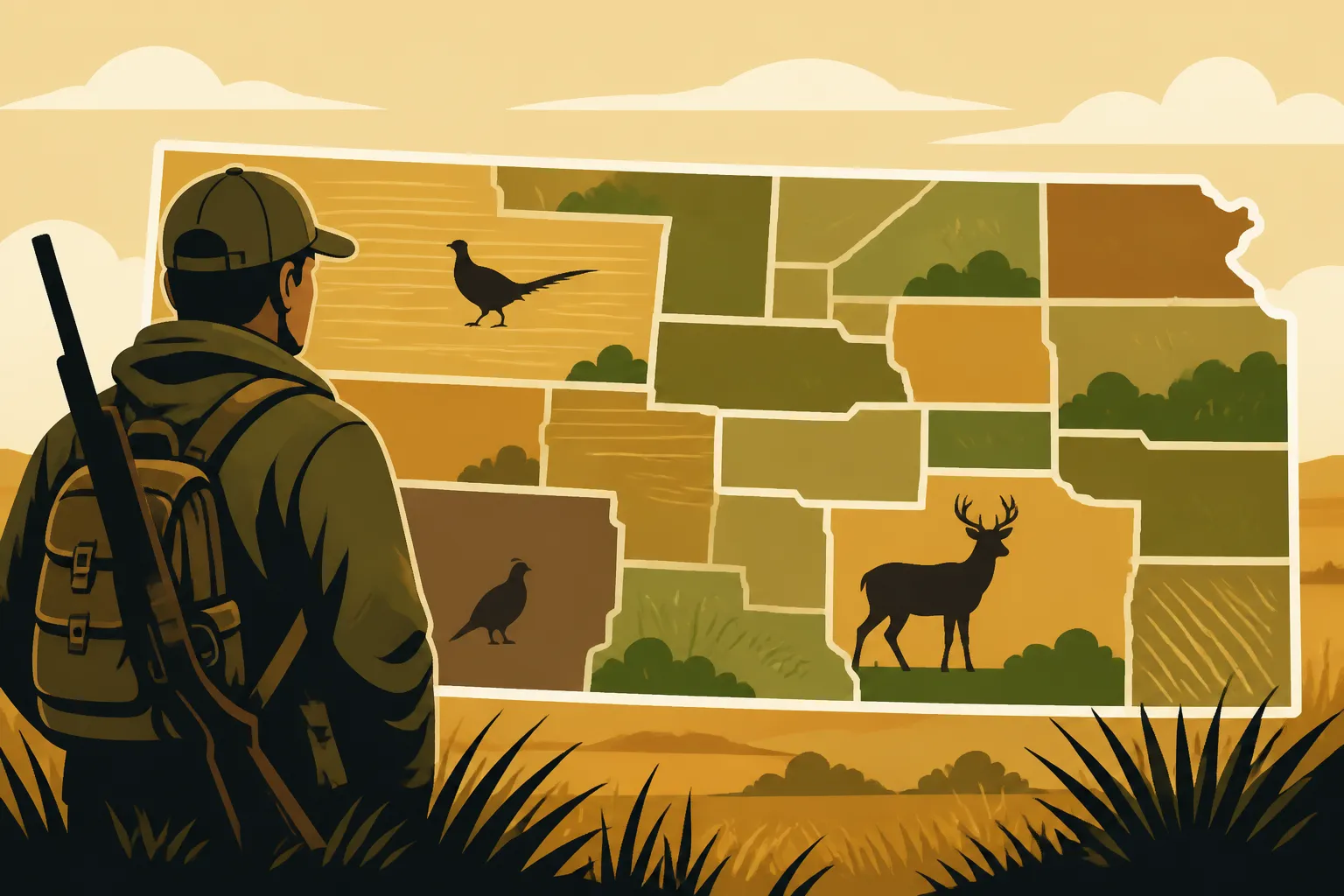
On the flip side, many excellent outfitters lease a significant portion, or even all, of their hunting acreage. Leasing allows an outfitter to scale their operation, accessing more ground across various parts of a unit. However, leased land comes with its own set of considerations. The outfitter's control over habitat improvements might be limited by the landowner's preferences or the terms of the lease agreement. Lease agreements can vary greatly, and they might dictate what kind of improvements can be made, how long the lease is for, and even specific farming practices. It's not uncommon for an outfitter to have a portfolio of 20-30 different leases, some spanning hundreds of acres, others smaller pockets. This mosaic approach means they might move hunters between parcels based on conditions, current deer movement, or pressure.
Why Acreage Matters More Than You Think
The sheer volume of acres an outfitter controls is a huge factor in the quality of your hunt. Larger, contiguous tracts of land, whether owned or long-term leased, provide more room for deer to roam naturally without constantly encountering hunter pressure. In Kansas, where agriculture dominates the landscape, deer often utilize pockets of timber, creek bottoms, and CRP fields surrounded by vast crop fields. An outfitter with extensive acreage can strategically place hunters, ensuring that certain areas remain undisturbed sanctuaries throughout the season.
Imagine an outfitter with several thousand acres spread across multiple townships. This allows them to have diverse habitat, from thick river bottoms to open CRP fields and dense cedar thickets. When one area gets too much pressure, they can simply move hunters to a fresh piece of ground, giving the deer a break. This flexibility is critical, especially during high-pressure times like the firearm season. It also means they can chase specific deer movements, perhaps targeting a River Oxbows and Deer Movement in one area, or Milo and Corn Stubble Deer Patterns in another, knowing they have ample ground to spread out.
Hunter Density and Pressure on Outfitted Land
It's one thing to know how many acres an outfitter has; it's another to understand how those acres are utilized and how many hunters will be sharing that space. Hunter density directly impacts the quality of your hunt, influencing deer behavior and your chances of encountering mature animals. Even the best ground can feel small if it's over-pressured, leading to skittish deer and a frustrating experience.
How Many Hunters Per Acre is "Enough"?
There’s no magic formula for the perfect number of acres per hunter, as it’s highly dependent on the type of terrain, the quality of the habitat, and the outfitter's management philosophy. A sprawling, heavily timbered river bottom might support more hunters per acre than sparse shelterbelts in open farm country. Generally, a good outfitter strives for a balance, ensuring each hunter has enough personal space to feel like they are truly hunting wild, unpressured deer.
An ethical outfitter will often rotate their hunting properties or limit the number of hunters in camp at any given time. They understand that constantly pounding the same stands or the same few hundred acres will quickly educate the deer, driving them nocturnal or off the property entirely. They might have a ratio of several hundred acres per hunter, or even over a thousand, to ensure fresh stands and minimal impact. This strategic rotation is key to maintaining a healthy deer herd and providing consistent opportunities for their clients. You can often learn a lot about this by asking specific questions when you're Booking a Kansas Hunt a Year Out.
The Impact of Neighboring Pressure
Even if your outfitter controls thousands of acres, the pressure on neighboring properties can still influence your hunt. In Kansas, where property lines are often clearly defined by fence rows or crop field edges, deer can easily cross into less pressured areas. If adjacent landowners or other outfitters are running high hunter densities or engaging in aggressive hunting tactics, deer on your outfitter's ground might feel that pressure and alter their patterns. They might bed up tighter, move more at night, or simply relocate to more secure areas.
A savvy outfitter considers this "neighbouring pressure" when setting up stands and managing their properties. They might strategically lease ground that acts as a buffer or focus on creating natural sanctuaries within their boundaries that deer will gravitate to when feeling pushed. For instance, if a public land tract known for heavy pressure borders an outfitter's lease, that outfitter might place stands further inside their property, targeting deer that seek refuge from the public ground. Understanding Hunting Pressure Patterns on Kansas Public Land can help you appreciate an outfitter's efforts to mitigate these external factors on their private leases.
Questions to Ask About an Outfitter's Ground
Before you commit to a hunt, it's absolutely vital to do your due diligence. Don't be afraid to ask direct, pointed questions about the outfitter's land management and hunter density. A reputable outfitter will be transparent and proud to share this information, as it reflects their commitment to a quality hunting experience. Platforms like BookYourHunt or GoHunt are great for initial research, but nothing beats a direct conversation.
Key Information to Gather Before Booking
When you're talking to an outfitter, make sure you get clear answers on the following:
- Total Acreage Under Management: Ask for the total number of acres, and also inquire about how many of those are owned versus leased. While you don't need exact GPS coordinates for every parcel, a general understanding of their footprint is valuable.
- Contiguity of Land: Are the acres in one large block, or are they scattered parcels? Scattered parcels can still be excellent, but it means deer movement might be more influenced by what's happening between those parcels.
- Number of Hunters in Camp: Find out how many hunters will be in camp at the same time as you. This is crucial for understanding the hunter density. A small number of hunters on vast acreage is usually a good sign.
- Hunter-to-Acre Ratio: While you might have to calculate this yourself, ask for their average hunter-to-acre ratio. This helps you compare different outfitters objectively.
- Stand Rotation and Pressure Management: Inquire about their system for rotating stands and managing pressure. Do they rest certain areas? How do they avoid over-pressuring specific properties?
- Food Plot and Habitat Management: Ask what kind of habitat improvements they make, such as food plots, timber stand improvements, or sanctuary areas. This shows a commitment to deer management, not just harvest. You can refer to Food Plots on Leased Kansas Ground for ideas of what they might be doing.
- History of the Ground: How long has the outfitter had access to this particular ground? Long-term control often indicates consistent quality and better deer management.
- Nearby Public Land or High-Pressure Areas: Ask about the proximity of public hunting grounds or other heavily hunted private properties. A good outfitter will be honest about this and explain how they mitigate its impact.
| Factor to Consider | Owned Land | Leased Land (Outfitter Managed) | General Hunting Experience Implications |
|---|---|---|---|
| Control Over Habitat | High: Full ability to manage habitat, food plots, sanctuaries for long-term. | Moderate to High: Depends on lease terms and landowner cooperation; often still very good. | More consistent quality, stability in deer patterns; potential for more tailored habitat for trophy deer. |
| Longevity of Access | Permanent (as long as owned). | Variable: Leases can change, be lost, or renewed. | Consistency can fluctuate if key leases are lost; good outfitters secure long-term leases. |
| Scalability | Limited by capital investment for purchases. | High: Can add or drop leases more easily to adapt. | Can offer diverse properties across different areas; sometimes more flexibility to move hunters. |
| Hunter Density Control | High: Full discretion on how many hunters to host and where. | High: Outfitter still sets hunter limits on their leased ground. | A good outfitter will prioritize low density regardless of owned/leased status, for quality experience. |
| Investment in Land | High: Direct investment in property and improvements. | Moderate: Investment in lease fees and temporary improvements. | Reflects commitment to quality; often higher upfront cost but better long-term predictability. |
Verifying Claims and Doing Your Homework
Don't just take an outfitter's word at face value. A critical part of Choosing a Kansas Deer Outfitter is doing your own research. Ask for references from past clients, and make sure you actually call them. Ask those references about the amount of ground they hunted, how many other hunters they saw, and if they felt the deer were pressured. An outfitter who can provide a long list of satisfied, repeat clients is a strong indicator of a quality operation.
Furthermore, use online mapping tools to visually inspect the general area an outfitter operates in (if they are willing to provide general locations). While they won't give you exact stand locations, they can often show you large blocks of timber or CRP. Tools like GoHunt can provide insights into unit-specific draw odds and general hunting conditions, while BookYourHunt might offer reviews that mention acreage or hunter density. Look for areas with diverse habitat, good cover, and natural pinch points. You can learn a lot from Reading Aerial Imagery for Bedding Cover even without knowing the exact boundaries. Be wary of any outfitter who is vague about their acreage, doesn't provide references, or seems to promise an unrealistic "guaranteed" outcome.
Ultimately, the goal is to find an outfitter who is transparent about their operation and actively manages their ground for the long-term health of the deer herd and the satisfaction of their hunters. Knowing how much ground a Kansas outfitter controls, and how they manage it, is paramount to a successful and enjoyable hunt.
Disclaimer
This article is for general informational purposes only and does not constitute professional advice. Laws, prices and regulations vary by location and change over time. Consult a qualified professional for guidance on your specific situation.