Cancellation Terms on a Kansas Booking
It’s a hunter’s worst nightmare: you’ve got your heart set on a Kansas deer or turkey hunt, the dates are blocked off, the anticipation is building, and then… life happens. Whether it’s an unexpected illness, a family emergency, or simply not drawing that coveted tag, having to cancel a trip is a gut-wrenching experience, often compounded by the fear of losing your hard-earned deposit. This guide is here to walk you through the often-confusing world of cancellation terms on a Kansas booking, helping you understand what to expect and how to protect yourself.
The Harsh Reality of Hunting Trip Cancellations
Let's face it, nobody books a hunting trip expecting to cancel, but it's a fact of life that things don't always go as planned. For hunters, cancelling can mean losing a significant financial investment. For outfitters, a cancellation means lost income, a potentially empty stand, and the scramble to fill a last-minute spot that might have been booked a year in advance. This push and pull between the hunter's unforeseen circumstances and the outfitter's business stability is why cancellation policies are so important, and often, so strict.
Why Cancellations Hurt Everyone Involved
When you book a hunt, especially for popular seasons like the Kansas Rut Hunt Price in November or the prime spring turkey dates, outfitters are banking on that spot being filled. They've likely turned away other clients, invested in preparing the hunting grounds, and scheduled guides and cooks. Your deposit often goes towards securing that logistical chain. When you cancel, that entire system can be disrupted. This is why many outfitters have non-refundable deposits or tiered refund structures – it's their way of mitigating the financial hit. It can feel unfair when it's your grandmother's emergency or a sudden job loss, but from their perspective, they're running a business that relies on predictable bookings.
Common Reasons Hunters Cancel (and Outfitters Dread)
Hunters cancel for a myriad of reasons, many of which are completely out of their control. Illness or injury, particularly for a physically demanding hunt, is a common one. Family emergencies, unexpected work obligations, or even a simple scheduling conflict can derail plans. For non-residents, not drawing a coveted Kansas deer permit is a huge reason for cancellation, even if they've applied for How to Apply for a Kansas Nonresident Deer Permit through the outfitter. Sometimes, it's just a change of heart or unforeseen financial strain. Regardless of the reason, the moment you realize you can't go, that dread of the cancellation policy sets in.
Understanding Common Cancellation Policies
Cancellation policies are like snowflakes – no two are exactly alike, though they often share common characteristics. It’s absolutely critical to read every word of an outfitter’s agreement before you put down a deposit. Don't assume anything; ask questions until you're crystal clear.
Non-Refundable Deposits
This is perhaps the most common and often the most frustrating for hunters. A non-refundable deposit means exactly what it sounds like: if you cancel for any reason, you forfeit that initial payment. The amount can vary widely, from a small percentage to a substantial portion of the total hunt cost. Outfitters use this to cover administrative costs, hold your spot, and account for potential lost revenue if they can't rebook. While it stings, it's a standard practice in the industry. For example, if you're booking a Kansas Turkey Hunt Package Prices, that deposit might cover the outfitter's early season scouting and ensuring guides are available.
Tiered Refund Structures
Many outfitters employ a tiered system where the refund amount decreases the closer you get to the hunt date. This acknowledges that the outfitter's ability to rebook a spot diminishes significantly as the season approaches. Here’s a typical example:
- 90+ days out: Full refund minus a small administrative fee.
- 60-89 days out: 50% refund of total hunt cost.
- 30-59 days out: 25% refund of total hunt cost.
- Less than 30 days out: No refund.
This kind of structure incentivizes hunters to cancel as early as possible, giving the outfitter a better chance to fill the vacancy. You might see variations of this for different hunt types, like a Kansas Pheasant and Quail Hunt Packages versus a prime whitetail rut hunt.
Transferable Deposits or Credits
Some outfitters offer a more flexible approach, especially if they value repeat business or understand that life can be unpredictable. Instead of a refund, they might allow you to:
- Transfer your deposit to a different hunt date within the same season or the following year. This is often contingent on rebooking within a certain timeframe and might involve a transfer fee.
- Receive a credit for a future hunt. This keeps your money with the outfitter but gives you flexibility.
- Transfer your booking to another hunter you find. This puts the onus on you to fill your spot but prevents a total loss.
This is a great option to look for, as it provides a safety net if your plans genuinely fall apart. When discussing Trophy Fees on Kansas Deer Hunts or other costs, always clarify if a deposit can be applied to a future hunt.
Weather-Related Cancellations
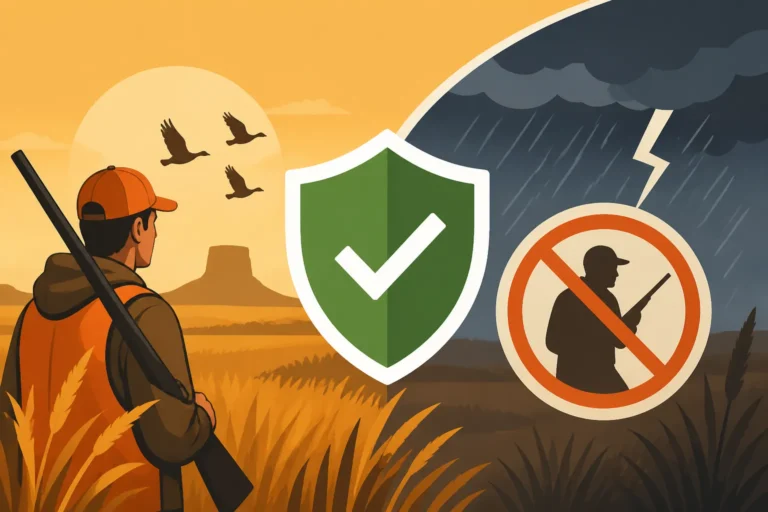
Kansas weather can be notoriously unpredictable, especially during certain seasons. A sudden blizzard during December firearm season or an unexpected heatwave during the Kansas Muzzleloader Season Deer Behaviour can significantly impact hunting conditions or even make travel impossible. Most outfitter contracts will address weather. Generally, if the outfitter cancels the hunt due to extreme weather making the hunt unsafe or impossible (e.g., roads are impassable, hunting areas flooded), you might be offered a full refund or a chance to rebook. However, if the weather is just unpleasant but still huntable, don't expect a refund. Always ask about their specific policy for weather impacts.
What to Look For Before You Book
The best defense against cancellation woes is a good offense: doing your homework upfront. Before you ever sign a contract or send a deposit, take the time to thoroughly vet the outfitter and understand every clause.
Read the Contract Diligently
This might seem obvious, but it's where most hunters get into trouble. Don't skim! Read every single paragraph of the outfitter agreement. Look specifically for sections titled "Cancellation Policy," "Deposits," "Refunds," or similar. If anything is unclear, write it down and ask for clarification in writing. A reputable outfitter will be happy to explain their terms. Be wary of any outfitter who rushes you or avoids answering direct questions about their policies. This is especially true when booking something like Booking a Kansas Rut Hunt Early, as those spots fill quickly and deposits are substantial.
Ask Specific Questions About Scenarios
Don't just read the policy; apply it to hypothetical situations. Ask:
- "What happens if I don't draw my Kansas deer tag?" (This is crucial for non-residents.)
- "What if I get sick right before the hunt?"
- "What if my flight gets canceled due to weather and I can't make it?"
- "If the outfitter has to cancel due to unforeseen circumstances on their end (e.g., property access revoked), what are my options?"
- "Can I roll my deposit over to next year if something comes up?"
Getting these answers upfront, preferably in writing, can save you a world of heartache later. When inquiring about a Kansas Archery Deer Hunt Cost, don't just focus on the price; focus on the "what ifs."
Consider Trip Insurance
For larger investments, trip insurance is often your best friend. This isn't just for exotic international trips; it's a valuable tool for domestic hunting adventures too. Many companies offer policies that cover non-refundable deposits and other expenses if you have to cancel for a covered reason, such as:
- Sudden illness or injury (of you or a family member)
- Job loss
- Death in the family
- Severe weather preventing travel
- Even, in some cases, not drawing a tag (though this specific coverage can be harder to find, so read the fine print!)
It's a small upfront cost that can protect a significant investment. When you're looking at Hunt Insurance Worth Buying, remember that the policy is distinct from the outfitter's cancellation terms. It's a third-party safety net.
Research Outfitter Reputations
Before you commit, do your due diligence on the outfitter's reputation, especially concerning their business practices and how they handle cancellations. Online forums, social media groups, and dedicated hunting review sites can be incredibly valuable. Platforms like BookYourHunt often feature reviews where past clients might mention their experience with cancellation or rescheduling. Similarly, resources like GoHunt might offer insights or forums where hunters discuss their experiences. Don't just look for success stories; look for how they handle adversity or client issues. Talking to past clients is invaluable; ask them directly about their experience with any changes or issues. You can also research Checking a Kansas Outfitter's Reputation more broadly.
Navigating a Cancellation When It Happens
So, despite all your planning, you find yourself needing to cancel. This is where clear, timely communication and a level head become your most important tools.
Communicate Promptly and Clearly
As soon as you know you need to cancel, contact the outfitter immediately. Do not delay. The sooner you inform them, the better their chances of rebooking your spot, and the better your chances of potentially recouping some funds or finding a flexible solution. Follow up any phone calls with an email summarizing your conversation. Keep a record of all communications. This written trail can be invaluable if there's any dispute later on regarding Kansas Outfitter Deposit Amounts or other financial terms.
Reference Your Contract
Before you even make the call, reread your signed contract. Understand exactly what the policy states for your situation. This prepares you for the conversation and helps you advocate for yourself within the agreed-upon terms. If the contract explicitly says "non-refundable," then you know going in that a refund is unlikely, but you can still inquire about other options like transferring your hunt or booking.
Explore Alternatives with the Outfitter
Even if the contract is strict, it doesn't hurt to ask if there are any alternative solutions. Can they offer you a credit for a future year? Can you transfer your booking to a friend or family member? If it's a situation like not drawing a tag, ask about Rolling a Deposit to the Next Kansas Season. Outfitters are often more willing to work with you if you're polite, respectful, and communicate early, especially if they understand the unique circumstances. They want happy customers, even if those customers have to cancel.
Understand the Financial Implications
Be prepared for the financial consequences. If your deposit is non-refundable, accept that fact and try to focus on future hunts. If you have trip insurance, initiate your claim process immediately. Understand that losing a deposit, while painful, is often a part of the calculated risk of booking a hunting trip, especially in demand areas like Kansas, known for its trophy potential. Learning about Kansas Nonresident Deer Permit Cost is just one part; understanding the associated risks of non-refundable deposits is another.
A Quick Look at Cancellation Policy Comparisons
| Policy Type | Description | Hunter Benefit | Outfitter Benefit |
|---|---|---|---|
| Non-Refundable Deposit | Initial payment is forfeited upon cancellation, regardless of timing. | Clear expectation of cost. | Guarantees some income, covers initial booking costs. |
| Tiered Refund Structure | Refund amount decreases based on how close the cancellation is to hunt date. | Encourages early cancellation, potential partial refund. | Mitigates losses, better chance to rebook closer to date. |
| Transferable Booking | Hunter can transfer deposit/hunt to another hunter or a future date. | Flexibility, avoids total loss of funds. | Retains client's business, potentially fills spot. |
| Weather Clause | Specific terms for cancellations due to extreme, unhuntable weather. | Protects hunter from truly impossible conditions. | Protects outfitter from refund demands for merely bad weather. |
| Draw Contingency | Policy specifically addresses not drawing a required permit. | Crucial for non-residents, offers peace of mind. | Manages expectations for permit-dependent hunts. |
Understanding these common types will help you better assess any outfitter's cancellation terms before you commit. The goal is always to have a fantastic hunting trip, but being prepared for the unexpected is part of being a responsible hunter and consumer.
Disclaimer
This article is for general informational purposes only and does not constitute professional advice. Laws, prices and regulations vary by location and change over time. Consult a qualified professional for guidance on your specific situation.