Kansas Landowner Permission Basics
Ah, the age-old dilemma of Kansas hunters: where to hunt! While our public lands are certainly a blessing, the truth is, a lot of the best hunting, especially for those elusive big Kansas whitetails, often lies behind a "No Trespassing" sign. Figuring out how to legally and respectfully gain access to private land can feel like navigating a minefield, full of uncertainty and the fear of offending someone. This guide is all about breaking down those barriers, giving you the fundamental understanding of Kansas landowner permission, and equipping you with the strategies to confidently and successfully approach property owners, turning those private acres into your next hunting hot spot.
Understanding Kansas Trespass Law for Hunters
Before you even think about stepping foot on private ground, even just to scout, it's absolutely crucial to understand the legal framework in Kansas regarding private property and hunting. It’s not just about avoiding a fine; it’s about respecting property rights and building a foundation of trust. Ignorance of the law is never an excuse, and a bad impression can spoil opportunities for all hunters.
The Importance of Written Permission
Let's be crystal clear right out of the gate: in Kansas, all private land requires permission to hunt, fish, or trap, whether it's posted or not. This is a common misconception, where some hunters mistakenly believe that if there isn't a "No Trespassing" sign every ten feet, it's fair game. That simply isn't true, and it's a quick way to get yourself into legal trouble and earn a bad reputation.
While verbal permission might seem sufficient for friends or family, for anyone else, especially someone new to a property, written permission is always, always the gold standard. It protects both you and the landowner. For the landowner, it clearly defines who is allowed on their property and for what purpose, helping manage liability concerns (which we’ll get into later) and preventing unauthorized individuals from claiming they had permission. For you, the hunter, it's your legal shield. Should any questions arise, you have a physical document proving your right to be there. Many landowners are now savvy enough to understand this, and often prefer it themselves. It's a sign of professionalism and respect when you come prepared to offer or ask for written permission. You can find more specific details on what this should entail in Written Permission Requirements in Kansas.
Posted Land, Unposted Land, and the Purple Paint Law
Kansas has specific laws that define how landowners communicate their intent regarding trespass. While any private land is off-limits without permission, the way land is "posted" affects legal ramifications and clearly signals the landowner's wishes.
Traditionally, "No Hunting" or "No Trespassing" signs were the primary method. These signs must be conspicuous and placed at reasonable intervals along the property boundary. However, Kansas also has a "purple paint law," which offers an alternative, often more durable, method for landowners to mark their boundaries. If you see vertical purple marks on fence posts or trees at regular intervals, those areas are legally considered posted. These marks are usually at least 8 inches long and no less than 1 inch wide, and they're placed between 3 and 5 feet high. Seeing purple paint, or traditional signs, means the landowner has made a very clear statement about restricted access, and you should consider it a serious warning. Even if a property isn't posted with signs or purple paint, it doesn't give you carte blanche to hunt. The law still requires permission. However, the penalties for trespassing on "posted" land can sometimes be more severe, reflecting the landowner's explicit desire to keep people out. Always assume private land is off-limits until you have explicit permission. This is especially true when you are trying to find new hunting spots, and resources like the Kansas Posted Land and Purple Paint article can give you deeper insights into these regulations.
What About Retrieving Game?
This is a scenario every hunter dreads: you make a great shot, the deer runs, and you watch it bound onto the adjacent private property where you don't have permission. It's a gut-wrenching feeling, knowing your animal is there but you can't just cross the fence.
In Kansas, as in many states, you do not have an automatic right to enter private property, even to retrieve a wounded animal, without permission. Simply put, chasing your deer onto someone else's property without permission is still trespassing. This can be incredibly frustrating, especially when the recovery is time-sensitive. The ethical and legal course of action is to make immediate contact with the landowner. Explain the situation calmly and respectfully, asking for their permission to enter and retrieve your game. Be prepared to show your license and permit, and offer to walk with them if they prefer. If you can't reach the landowner, or they deny permission, you're in a tough spot. It's a harsh reality, but you cannot legally pursue the animal without that explicit permission. This is why having a good relationship with neighboring landowners, even if you don't hunt their property, can be invaluable. Being proactive and understanding the nuances of Retrieving Game From Private Land in Kansas is key to handling these difficult situations ethically and legally.
The Art of Approaching Kansas Landowners
Once you understand the legal landscape, the next step is perhaps the most daunting for many hunters: actually asking for permission. This isn't just a casual request; it's a negotiation, a first impression, and the start of a potential relationship. Approach it with respect, humility, and a clear understanding of what you’re asking for.
Preparing for the Conversation
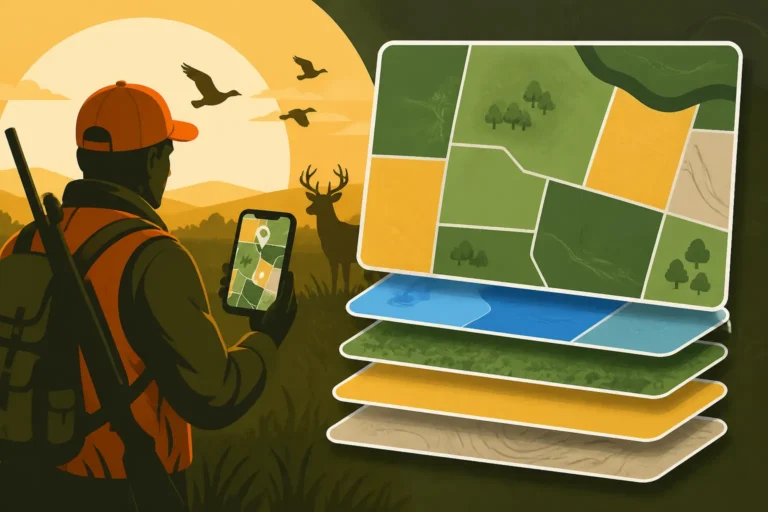
Before you even knock on a door, do your homework. Start by identifying potential properties from a distance. Use digital mapping tools like onX Hunt to pinpoint land ownership, analyze terrain features, and understand the property boundaries. This preparation allows you to have an intelligent conversation, showing the landowner you’ve put in effort and are serious. Knowing their name, which onX Hunt can often provide through property data layers, is a huge step.
Think about your request. Are you asking to hunt deer for the entire season? Just for a specific weekend? Or perhaps just to scout for a few hours? Be clear in your mind what you’re hoping for. Plan what you’ll say: a brief introduction, who you are, why you're interested in their property (e.g., "I've noticed some great deer sign on the timber edge near your south field"), and what you hope to do. Dress neatly and respectfully – no muddy boots or camo straight from the woods. This is a job interview, in a way, for access to their valuable property. Having an idea of the layout using tools like GoHunt's mapping features can also help you discuss specific areas of interest intelligently.
Making the Initial Contact
Timing is everything when approaching a landowner. Avoid times when they are clearly busy with chores, during meals, or late in the evening. Mid-morning or early afternoon on a weekday, when farm operations might be a bit slower, can often be a good window. Always approach them at their home, or where they are clearly working on their own property. Never try to flag them down on the road or accost them in town – it can be seen as intrusive.
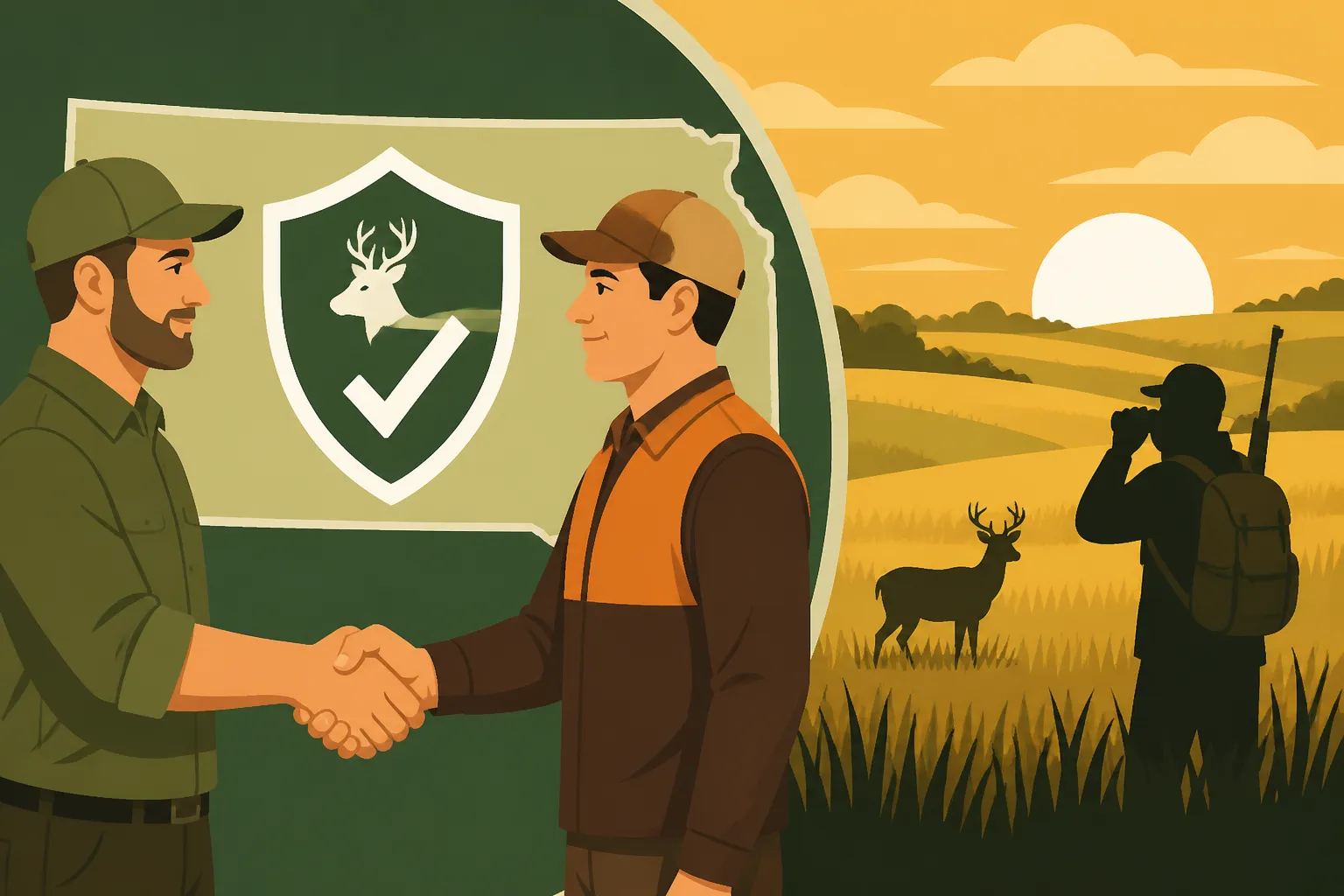
When you make contact, start with a polite introduction. State your name, where you’re from, and why you’re there. Be concise and respectful. A good opener might be, "Good morning, Mr./Ms. [Landowner's Last Name]. My name is [Your Name], and I was hoping to speak with you for a few minutes about hunting permission on your land." Observe their body language and listen more than you talk. Sometimes, starting with a smaller request can be more effective. Instead of asking for a full season of deer hunting, you might ask for permission to squirrel hunt for an afternoon, or simply permission to scout their timber. This lowers the barrier to entry and allows them to get to know you on a smaller scale. If they see you respect their property during a smaller hunt, they might be more willing to grant broader access later. This initial interaction is critical, so be genuine and humble. For a deeper dive into effective strategies, check out Asking a Kansas Landowner for Permission.
What to Offer and What to Expect
When asking for permission, don't just expect to take. Think about what you can offer in return. This isn't always about money; often, it's about service or goodwill. Can you help with some chores? Fix a fence? Assist with haying? Offer to share some of your harvest if you're successful. Even just offering to keep an eye on their property for anything suspicious while you’re out hunting can be a valuable service to a rural landowner.
Be prepared for any answer, including "no." A "no" isn't a personal rejection; it often stems from previous bad experiences with hunters, existing arrangements, or simply a desire for privacy. If they say no, thank them politely for their time and move on. Do not argue, badger, or try to change their mind. Leave a good impression, because circumstances can change. Sometimes a "no" today can become a "yes" a few years down the road if you’ve left them with a positive memory of your interaction. Remember, their property is their livelihood and their home; their decision is theirs alone.
Essential Information to Share and Clarify
Once a landowner indicates they might be open to granting permission, it's your responsibility to provide clear, reassuring information. This helps them feel comfortable with you on their property and ensures everyone is on the same page.
Your Hunting Plan and Safety Measures
Be very specific about your intentions. Will you be hunting with a bow or a firearm? What species are you targeting? During what season? What dates are you hoping for? "I'd like to bowhunt for deer during the first two weeks of November, primarily focusing on the timbered creek bottom on the north side of your property," is far more reassuring than a vague, "I want to hunt deer."
Discuss your safety practices. Mention that you'll be identifying safe zones of fire, always know what's beyond your target, and will be aware of their livestock or any specific areas they want avoided. If you hunt from a tree stand, explain your safety harness usage. If you plan to use a ground blind, tell them where you intend to place it and how long it will be there. Reassure them you understand the importance of hunting responsibly and safely, not just for your own well-being, but for theirs and their property. This transparency builds trust and mitigates their concerns about potential accidents.
Liability Concerns and Solutions
One of the biggest anxieties for landowners is liability. They worry that if you get hurt on their property, they could be sued. This is a legitimate concern, and addressing it head-on is crucial. Kansas has recreational use statutes that offer some protection to landowners who allow public access for recreational purposes without charging a fee. However, the extent of this protection can be complex.
Providing written permission can sometimes help solidify this understanding, outlining that you, the hunter, assume the risks. You might even offer to sign a waiver of liability. While not foolproof, it shows you're aware of their concerns and willing to take responsibility. If you carry personal liability insurance as part of your hunting organization membership, you can mention that as an extra layer of reassurance. Showing you understand their perspective on liability, and are willing to take steps to mitigate their risk, goes a long way in earning their trust.
Clear Communication and Contact Details
Establish clear lines of communication from the outset. Provide the landowner with your full name, phone number, and vehicle description (make, model, license plate number). Offer to let them know each time you plan to hunt and when you’re leaving. This simple courtesy makes them feel in control and aware of who is on their property.
Ask them how they prefer to be contacted – phone call, text, or a knock on the door. Inquire if there are any specific areas they want you to avoid or any particular times they prefer you not to hunt. For instance, they might have cattle rotating through a certain pasture or kids playing near the house. It's also wise to ask if they want you to report anything unusual you might see on their property, like trespassers, downed fences, or sick livestock. This positions you not just as a hunter, but as an extra set of eyes and ears for their property, adding value to your presence.
Nurturing Your Landowner Relationships
Getting permission is just the first step. Maintaining that relationship is paramount, ensuring you have continued access and leaving a positive legacy for future hunters. A good relationship is built on consistent respect, open communication, and showing genuine appreciation.
Respecting the Land and Its Resources
This cannot be overstated: treat their property better than you would treat your own, and certainly better than you found it. This means leaving no trace of your presence. Pack out all your trash, including spent shell casings, food wrappers, and anything else you brought in. Do not leave behind old ground blinds, tree stands (unless explicitly agreed upon), or flagging tape.
Be incredibly mindful of their crops and livestock. Never drive or walk through standing crops, even if it seems like a shortcut. Use existing field roads and trails. If you encounter livestock, give them a wide berth and never harass them. Always close gates behind you, even if you found them open – a landowner’s cattle getting out is a serious problem. Be aware of fragile areas, like creek banks or wet spots, and avoid causing ruts or erosion with your vehicle or ATV if you have permission to use one. Your actions speak volumes about your character and your respect for their livelihood. This level of care reflects directly on your reputation and the likelihood of renewed permission.
Giving Back to the Landowner
Beyond simply not causing problems, actively look for ways to give back. A successful hunt offers a prime opportunity to show gratitude. Offer to share some of the meat from your harvest – a common and much-appreciated gesture. Even if they decline the meat, a gift card to a local store, a box of homemade cookies, or a small gift around the holidays (like a basket of local Kansas-made goods) can go a long way.
Think beyond gifts. Can you offer a helping hand with physical labor? Maybe they need help fixing a fence, moving some equipment, or keeping watch for coyotes. Many landowners are incredibly busy, and an offer of honest labor can be more valuable than any store-bought gift. Your willingness to assist, without being asked, demonstrates genuine appreciation and builds a deeper connection. This is how you transition from a "hunter asking for permission" to a "trusted friend who hunts their land."
Ongoing Communication and Feedback
Regular, polite communication is the bedrock of a lasting relationship. It’s not just about calling when you want to hunt. Check in periodically, even when you're not planning a trip. A quick call or text, "Just wanted to see how the wheat harvest went this year," or "I saw you got some rain, hope it helped the pastures," shows you care about their land and operations, not just the hunting aspect.
When you do hunt, report back to them. Let them know what you saw, what deer patterns you observed, or if you noticed anything unusual. This information can be valuable to them for managing their property. After your hunt, thank them again. And don't be afraid to ask for feedback. "Was everything okay while I was out there? Is there anything I could do differently next time?" This proactive approach shows your commitment to being a responsible and respectful guest, solidifying your access for seasons to come.
Exploring Alternative Private Land Access
While directly asking a landowner is often the ideal scenario, it’s not the only way to gain private land access in Kansas. Sometimes, a more formal arrangement is necessary or preferred by the landowner. These alternatives can open doors where direct permission might be harder to come by.
Understanding Hunting Leases
Hunting leases are formal, contractual agreements where a landowner grants a hunter or group of hunters exclusive access to their property for hunting purposes, typically for a fee. This is a very common arrangement in Kansas, especially for prime deer hunting ground, and it offers benefits to both parties. For the landowner, it provides a reliable income stream and often means less hassle dealing with numerous individual requests. For the hunter, a lease offers guaranteed, often exclusive, access to a specific piece of land for an extended period, allowing for more in-depth scouting, stand placement, and habitat management.
Leases usually involve a written contract specifying the terms: duration, cost, species that can be hunted, number of hunters, liability clauses, and any specific rules or restrictions (e.g., no ATV use, specific stand types). Prices for Kansas hunting leases can vary wildly depending on the quality of the hunting, location, and acreage. They can range from hundreds to thousands of dollars per season. While it's a financial commitment, for many serious hunters, it's a worthwhile investment for consistent, quality hunting opportunities. Be sure to look into Kansas Hunting Lease Costs to get a better idea of what to expect.
Trade-for-Work Arrangements
For hunters who might not have the budget for a full lease, or for landowners who prefer help over cash, a trade-for-work arrangement can be an excellent alternative. In this scenario, you offer your labor or specific skills in exchange for hunting access. This can be a fantastic way to build a strong, mutually beneficial relationship with a landowner.
What kind of work? The possibilities are broad: repairing fences, helping with haying, mechanical work on farm equipment, brush clearing, planting food plots, painting barns, or even just general farm labor. If you have a particular skill, like welding or carpentry, highlight that. These arrangements require clear communication about expectations on both sides: what work will be done, when, and what kind of hunting access will be granted in return. A written agreement, even a simple one, can prevent misunderstandings. This type of arrangement fosters a deeper connection to the land and the landowner, as you are actively contributing to the property's upkeep and success, making you a valued partner rather than just a transient hunter.
Connecting Through Local Networks
Sometimes, finding private land access is less about direct asking and more about who you know. Local networks, community events, and even casual conversations can open doors. Small-town cafes, feed stores, hardware shops, and churches are often hubs of local information. Striking up conversations with locals, being friendly and respectful, can lead to introductions to landowners.
Join local conservation organizations like Pheasants Forever or Ducks Unlimited chapters. These groups often have strong ties within the rural community, and active membership can lead to networking opportunities. Similarly, attending local county fairs, agricultural events, or even high school sporting events can put you in contact with landowners in a relaxed, non-pressure environment. Always present yourself as a responsible, ethical hunter who respects property and wildlife. A positive reputation spread by word of mouth can be incredibly effective in gaining trust and, eventually, access.
Tools to Aid Your Private Land Search
In today's digital age, hunters have an incredible array of tools at their fingertips that can dramatically simplify the process of identifying potential hunting properties and their owners. These resources can save you countless hours and make your efforts far more targeted and efficient.
Digital Mapping and Property Data
Hands down, one of the most transformative tools for modern hunters seeking private land access is digital mapping software, particularly apps like onX Hunt. These platforms layer public and private land ownership data directly onto detailed satellite imagery and topographic maps. With onX Hunt, you can instantly see property boundaries, identify the landowner's name and contact information, and even view parcel sizes and property tax data in some areas.
This kind of information is invaluable. Instead of driving around blindly or guessing who owns a piece of land, you can scout from your couch. You can identify key habitat features like timber edges, creek bottoms, pinch points, and food sources, and then immediately know whose door to knock on. You can drop pins to mark potential access points, note observed deer sign, and plan your approach routes without ever stepping foot on the property initially. Understanding onX Layers for Kansas Land Status can unlock even more potential, allowing you to filter by specific land designations and understand complex boundaries. This technology isn't just a convenience; it's a strategic advantage for serious hunters.
Leveraging Online Resources
Beyond dedicated hunting apps, several other online resources can provide valuable insights into Kansas land, both public and private. The Kansas Department of Wildlife, Parks and Tourism (KDWP) website is a treasure trove of information. While primarily focused on public access, their online hunting atlas can help you understand the patchwork of land ownership and identify where public lands butt up against private holdings. This can be crucial for understanding access routes and potential deer movement corridors, even if you’re primarily interested in private ground.
Websites like GoHunt also offer detailed mapping features and can sometimes provide information on land ownership, though their primary focus might be broader hunting information or tag application strategies. Even county assessor websites are often publicly accessible and can provide property ownership details. While more cumbersome than a dedicated hunting app, these resources can fill in gaps or offer alternative ways to find landowner information. Combining various digital resources allows you to build a comprehensive picture of the hunting landscape you're interested in. Learn more about how to navigate these digital tools effectively in Using the Kansas Hunting Atlas Online.
The Power of Local Knowledge
Even with all the high-tech mapping tools at our disposal, there’s simply no substitute for local knowledge. While digital maps tell you who owns the land, local folks can tell you what kind of person the landowner is, their history with hunters, and if they've granted permission in the past.
Stopping at local diners, gas stations, co-ops, or sporting goods stores in small Kansas towns can be incredibly enlightening. Strike up friendly conversations. You'd be surprised what you can learn about local landowners, deer movement patterns, or even potential opportunities that aren't advertised anywhere. Just remember to be respectful and don’t be overtly pushy about asking for "secret spots." Your goal is to build rapport, gather general information, and potentially get an introduction or a helpful tip. This grassroots approach, combined with modern technology, creates the most powerful strategy for gaining private land access in Kansas.
| Do's of Seeking Private Land Permission | Don'ts of Seeking Private Land Permission |
|---|---|
| Do your homework on the property and owner. | Don't trespass, even to scout, before asking. |
| Do dress neatly and respectfully. | Don't approach during busy farm work or meal times. |
| Do be polite, humble, and concise. | Don't argue, beg, or badger a landowner if they say no. |
| Do offer written permission and proof of insurance. | Don't assume unposted land means open access. |
| Do clearly state your hunting plan and safety measures. | Don't drive off designated paths or through crops. |
| Do offer to help with chores or share game. | Don't leave trash or any sign of your presence. |
| Do provide your contact information and vehicle details. | Don't neglect to close gates or disturb livestock. |
| Do follow up with a thank you and periodic check-ins. | Don't discuss your "secret spot" with everyone you meet. |
| Do treat their land better than your own. | Don't take anything for granted; permission can be revoked. |
Disclaimer
This article is for general informational purposes only and does not constitute professional advice. Laws, prices and regulations vary by location and change over time. Consult a qualified professional for guidance on your specific situation.