Cheney Wildlife Area Hunting
For many Kansas hunters, the dream of a successful season often clashes with the reality of finding accessible land that offers diverse opportunities. It's a common frustration to feel like prime spots are locked behind private gates or require extensive travel. This comprehensive guide aims to alleviate that pressure by diving deep into Cheney Wildlife Area, showcasing it as a premier public land destination that truly stands out for its varied hunting experiences, from whitetail deer to a fantastic array of upland birds and waterfowl.
Understanding Cheney Wildlife Area's Unique Appeal
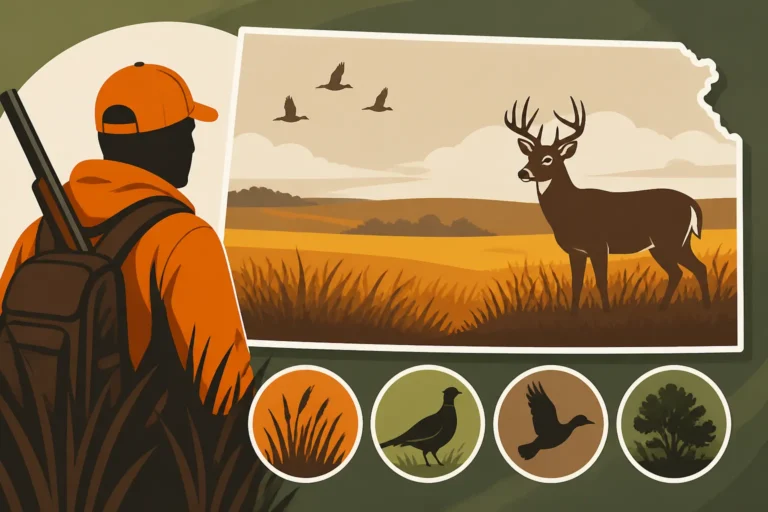
Cheney Wildlife Area, often simply called Cheney WMA, isn't just another dot on the map; it's a sprawling public land jewel surrounding Cheney Reservoir in south-central Kansas. What truly sets it apart is the sheer diversity of its landscape. Unlike some WMAs that might specialize in one type of habitat, Cheney offers a fantastic mix of water, timber, native grass, and cultivated fields, creating a mosaic that supports a wide array of game species. This means you can often transition from hunting ducks over water in the morning to stalking pheasants in the afternoon, all within the same general area. It's a hunter's paradise for those who appreciate variety and are willing to adapt their tactics to the conditions.
A Diverse Landscape for Various Game
Imagine hundreds, if not thousands, of acres encompassing the shores of one of Kansas's largest reservoirs. You've got the vast expanse of the lake itself, naturally drawing in waterfowl. But move inland even a short distance, and the terrain quickly transforms. You'll find dense timbered creek bottoms and draws, perfect travel corridors and bedding areas for whitetail deer. Then there are expansive tracts of native prairie and managed grasslands, interspersed with agricultural fields – the ideal recipe for robust populations of pheasants and quail. This blending of environments is what makes Cheney so special; it's not a single-species destination. Instead, it's a dynamic ecosystem where different hunting pursuits can often happen concurrently, sometimes even overlapping in surprising ways. It’s this multi-faceted nature that keeps hunters coming back year after year, offering new challenges and rewards with each visit.
Beyond Just Waterfowl: The Upland and Deer Potential
While Cheney Reservoir is undoubtedly famous for its waterfowl hunting, many hunters overlook its incredible potential for other species. Don't make that mistake! The uplands at Cheney, particularly the native grass sections and areas planted for wildlife cover, hold some impressive pheasant and quail numbers, especially after a good hatch year. These areas often run right up against the timbered fingers or crop fields, creating excellent edges and transition zones that birds absolutely love. For deer hunters, those same timbered draws and brushy river bottoms are prime whitetail habitat. Bucks use these areas for bedding, feeding, and cruising during the rut. The blend of dense cover, water sources, and nearby agricultural fields provides everything a deer needs to thrive. Many serious deer hunters have found tremendous success pursuing Kansas Whitetail Hunting Tactics Through the Rut within the WMA, often encountering mature bucks that have grown up with abundant forage and cover. It's a place where you can truly experience diverse Kansas hunting, not just one facet of it.
Navigating Access and Regulations at Cheney
Hunting any public land requires a solid understanding of its access points and specific rules, and Cheney Wildlife Area is no exception. Given its size and the presence of the reservoir, there are particular considerations to keep in mind to ensure a safe and legal hunt. It’s a bit more complex than just pulling off the road onto a simple Kansas Walk-In Hunting Access Explained (WIHA) tract, but the rewards are well worth the homework. Knowing where you can park, where you can walk, and what hunting methods are permitted will set you up for success and prevent any unnecessary headaches with wildlife enforcement.
General Access Points and Parking Considerations
Cheney WMA has numerous access points scattered around the reservoir. Many of these are well-marked gravel roads leading to designated parking areas. It's absolutely crucial to use these designated spots to avoid trespassing on adjacent private land or blocking access roads for other hunters or management personnel. When planning your hunt, particularly for deer or upland birds, it’s often beneficial to look for access points that are less obvious or require a bit more walking. These less-traveled areas tend to hold less pressured game. For waterfowl, specific boat ramps and designated hunting zones exist, and understanding these is paramount. The Kansas Online Hunting Atlas is an indispensable tool for identifying these access points, boundary lines, and designated parking areas. Using a mapping app like onX Hunt can also be incredibly helpful for pinpointing your location and understanding the public/private land mosaic, especially when you’re deep in the timber or chasing birds across a large section of grass. Always be respectful of other users and never block gates or roadways.
Key Regulations Specific to Cheney Wildlife Area
Like all Kansas State Wildlife Areas, Cheney WMA has general statewide hunting regulations, but it also has specific rules that are unique to its management plan. These often relate to waterfowl hunting zones, non-toxic shot requirements, specific open/closed dates for certain areas (especially around refuges), and sometimes even restrictions on camping or vehicle use. For instance, waterfowl hunting might be restricted to specific blinds or zones on certain days of the week, or require reservations. Deer hunting may have limitations on stand types or placement. It's vital to consult the current Kansas Department of Wildlife and Parks (KDWP) regulations for Cheney WMA before you go. These are often published in annual hunting atlases or on the KDWP website. Pay close attention to any areas designated as "refuges" or "no hunting" zones, as violating these can lead to serious penalties. Never assume the rules are the same as another WMA you've hunted; always verify the specifics for Cheney.
Deer Hunting Strategies for Cheney's Diverse Habitat
Cheney Wildlife Area offers a challenging yet rewarding experience for deer hunters, especially for those who enjoy covering ground and adapting to different terrains. The WMA's unique combination of dense timber, brushy edges, and open fields provides a variety of setups for pursuing whitetails. Success often hinges on effective scouting and understanding how deer utilize this diverse habitat throughout the various seasons, whether you're targeting the early archery season or the Kansas Firearm Deer Season in December.
Timbered Draws and Creek Bottoms for Whitetails
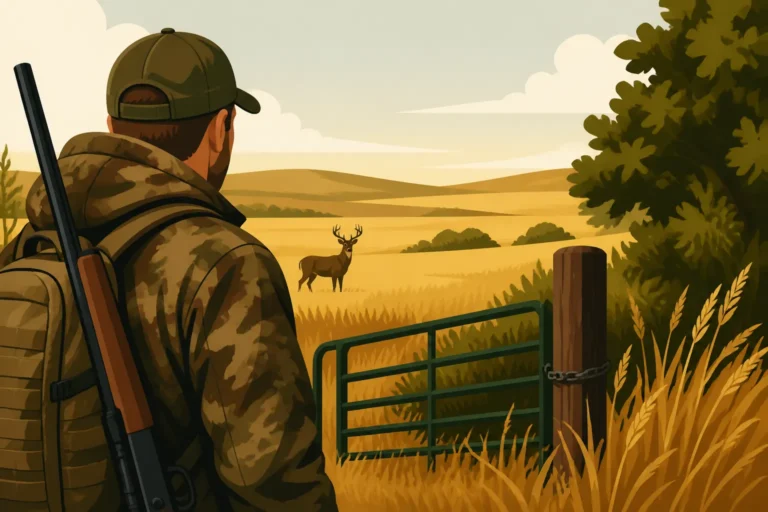
The timbered draws and creek bottoms that snake through Cheney WMA are absolute magnets for whitetail deer. These areas provide vital cover, especially in a landscape that can often feel very open. Bucks will use these timber strips as travel corridors, moving between bedding areas in thicker cover and feeding grounds in nearby crop fields. During the rut, these draws become high-traffic highways for cruising bucks searching for does. Hunters focusing on these areas should pay close attention to pinch points, subtle terrain changes, and old fence lines that create natural funnels. Looking for fresh rubs and scrapes along these edges can give you a strong indication of buck activity. Setting up a stand or ground blind on an inside corner where two timber strips meet, or where a draw opens into a field, can be incredibly effective. Consider the wind carefully, as thermals can be tricky along creek banks. For a more mobile approach, Hunting Terrain Funnels in Flat Country can be successfully applied to these subtle elevation changes within Cheney's timbered sections.
Scouting the Edges of Crop Fields and Brushy Pockets
Beyond the main timber, Cheney WMA features numerous crop fields – often corn, milo, or soybeans – which provide critical food sources for deer. The edges where these fields meet brushy pockets, patches of dense cedars, or taller grasslands are fantastic places to intercept deer moving to feed, particularly in the evenings or during the colder late season. Don't overlook smaller, isolated pockets of cover within or adjacent to these fields; a mature buck might bed down in surprisingly small patches of dense brush, just a stone's throw from a food source. Milo and Corn Stubble Deer Patterns are especially important to understand here, as deer will often feed in these fields long after the harvest. Spend time observing deer movement from a distance during scouting trips, paying attention to where they enter and exit fields. Look for well-worn trails, fresh droppings, and browse lines on vegetation. These subtle clues will guide you to the most productive stand locations. Remember to factor in prevailing winds, as deer will almost always approach a food source with the wind in their favor, trying to scent-check for danger.
Upland Bird Hunting Opportunities at Cheney
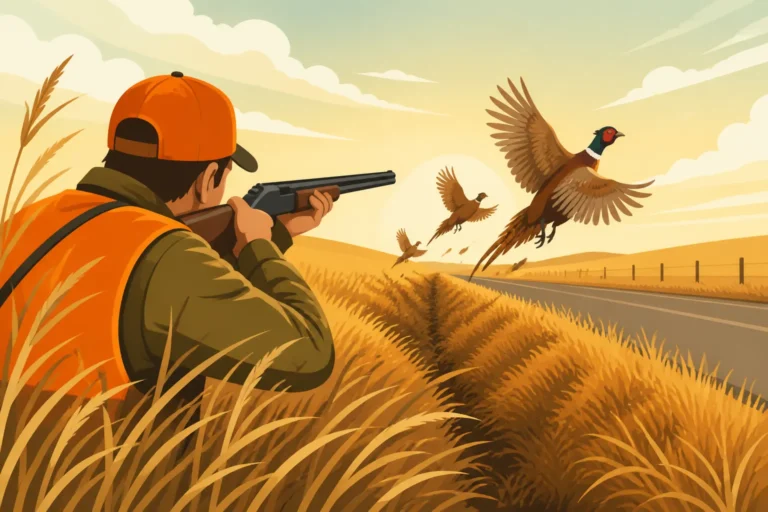
Cheney Wildlife Area isn't just a deer hunter's haven or a waterfowl hot spot; it's also a fantastic place to chase pheasants and quail. The extensive grasslands, brushy draws, and crop field edges create ideal habitat for these popular game birds. While it can be challenging, especially without a dog, the opportunity for a mixed bag is very real here.
Pheasant and Quail in Grasslands and Field Edges
The key to finding pheasants and quail at Cheney lies in understanding their habitat preferences. Pheasants love dense, tall grass cover for roosting and loafing, often moving into crop stubble to feed. Look for areas where thick CRP-style grass transitions into cut fields of milo or corn. Field edges with brushy fencerows or small plum thickets also offer excellent holding cover. Quail, on the other hand, often prefer slightly more scattered cover, often found in smaller brushy draws, plum thickets, or areas with a mix of short and tall grasses providing escape routes. Quail Coveys in Plum Thickets are a common sight across Kansas, and Cheney is no exception. Walking these transition zones, especially in the mornings or late afternoons, can be highly productive. Focus your efforts on the perimeter of larger grass blocks, working towards any patches of denser cover.
Working Coverts and Public Pressure Patterns
Hunting pressure is a real factor on any public land, including Cheney. Birds quickly learn to avoid easy access points and heavily hunted areas. To increase your chances, be prepared to walk further into the WMA, away from readily visible parking areas. Look for smaller, overlooked coverts or brushy pockets that might be skipped by hunters sticking to the main trails. Don't be afraid to work against the wind when hunting pheasants, as they often prefer to run or fly into it. For quail, walking a grid pattern through prime habitat, with several hunters spaced out, can help flush coveys. If you're Working Pheasant Fields Without a Dog, remember to move slowly, pause frequently, and be ready for a quick shot as birds often hold tight before bursting out. Observing where other hunters are concentrating their efforts can sometimes reveal less-pressured areas. Sometimes, the best strategy is to hit Cheney during weekdays when hunter numbers are lower, or target areas that require a longer walk to reach.
Waterfowl Hunting on Cheney Reservoir and Wetlands
Cheney Reservoir is undeniably a prime destination for waterfowl hunters in Kansas, situated right in the heart of the Central Flyway. The vast expanse of open water, combined with managed wetland units and surrounding agricultural fields, creates a powerful magnet for migrating ducks and geese. However, effective hunting here requires specific tactics and a good understanding of the area's layout and regulations.
Decoying Ducks on the Reservoir and Associated Marshes
For duck hunters, Cheney offers both open-water opportunities on the main reservoir and more secluded marsh and wetland areas. When hunting the main lake, scouting for active feeding or resting areas is crucial. Ducks will often key into specific parts of the reservoir based on wind direction, food availability, and pressure. Setting up a large decoy spread, often with mallards, pintails, and wigeon, can be effective for Decoying Ducks on a Kansas Reservoir. Consider spread visibility from the air and adjust based on wind and sun. Many hunters utilize boat blinds or layout blinds placed strategically. For marsh hunting, smaller spreads and more natural cover are often the key. Identify sloughs, potholes, and channels within the wetland units where ducks are likely to pitch in. These areas often require wading or specialized shallow-water boats for access. Remember, non-toxic shot is required for all waterfowl hunting, and specific regulations regarding blind placement and usage might apply, so always check the current KDWP rules for the WMA.
Goose Hunting in Stubble Fields and Refuge Edges
While ducks might prefer the open water and marshes, geese, particularly Canada geese and snow geese, often congregate in the surrounding agricultural fields to feed. After the harvest, these fields of corn and milo stubble become prime feeding grounds. Hunting these fields often involves setting up large decoy spreads of full-body goose decoys and utilizing Layout Blinds in Cut Fields to remain concealed. Scouting is absolutely critical for goose hunting; you need to know where the birds are actively feeding. Observe flight patterns and field usage in the days leading up to your hunt. Geese are incredibly wary, so concealment is paramount. Look for fields that are adjacent to, but outside of, any designated waterfowl refuge areas, as geese will often move between refuge protection and feeding grounds. Sometimes, hunting the edges of these refuges, where geese are leaving or returning, can be highly productive, but be absolutely certain of boundary lines to avoid violations. The success of a goose hunt often comes down to precise scouting, meticulous hide setup, and patience.
Leveraging Technology and Pre-Season Scouting
In today's hunting world, technology can be a game-changer, especially on large public land tracts like Cheney Wildlife Area. Combining digital tools with good old-fashioned boots-on-the-ground scouting can significantly increase your chances of success, allowing you to maximize your time in the field rather than aimlessly wandering. Whether you're chasing deer, pheasants, or ducks, a strategic approach to scouting is invaluable.
Using Mapping Apps for Efficient Scouting
Gone are the days when a paper map was your only resource. Modern mapping applications, like onX Hunt, have revolutionized how hunters approach public land. For Cheney WMA, these apps are indispensable. You can use them for E-Scouting Kansas Farm Country From Home, identifying public and private boundaries with clear color coding, locating access roads and parking areas, and visualizing the terrain with topographical overlays. Before you even step foot on the WMA, you can identify potential pinch points in timber for deer, mark dense grass coverts for upland birds, or locate prime water features and probable duck blinds. onX Hunt allows you to drop pins, measure distances, and track your movements, which is incredibly useful when navigating complex terrain. GoHunt also provides valuable insights and data that can help you understand game populations and drawing odds if you're planning more extensive Kansas adventures. These tools help you eliminate unproductive ground and focus your efforts on areas with the highest potential, saving you valuable time and energy in the field.
Reading the Landscape Before You Hunt
While mapping apps are fantastic, they are no substitute for physically scouting the area. Pre-season scouting, especially in the weeks leading up to your chosen season, allows you to "read" the current landscape. Are the crops still standing, or have they been harvested? Where are the freshest deer tracks and droppings? Which plum thickets are holding birds? Is the water level in the marshes high or low? These are all critical observations that can only be made on the ground. Look for subtle deer trails, rub lines, and scrapes. For upland birds, identify areas with good nesting cover from spring that might now hold birds. Pay attention to water sources for all species, as these can be crucial, especially during dry spells. Understanding wind direction and how it affects game movement and your scent dispersion is also key. Combining your digital research with actual field reconnaissance gives you the most complete picture, helping you develop a more informed and effective hunting plan for Cheney Wildlife Area.
Here's a quick overview of typical game and their primary habitats within Cheney WMA:
| Game Species | Primary Habitat Types at Cheney WMA | Key Considerations |
|---|---|---|
| Whitetail Deer | Timbered draws, creek bottoms, brushy edges, crop field transitions | Focus on travel corridors between cover and food; scout for rubs/scrapes. |
| Ringneck Pheasant | Tall grasslands, milo/corn stubble, brushy fencerows | Look for dense cover near food sources; pressured birds will hold tight. |
| Bobwhite Quail | Plum thickets, mixed grass/brush, shrubby draws | Coveys prefer thicker, varied cover; listen for calls and work systematic patterns. |
| Ducks (Mallard, Pintail, Wigeon, Teal) | Reservoir open water, managed marshes, shallow sloughs | Identify active feeding/resting areas; utilize appropriate decoys; check specific waterfowl zone rules. |
| Geese (Canada, Snow) | Crop stubble fields (corn, milo), refuge edges | Scout active feeding fields; large decoy spreads; meticulous concealment from wary birds. |
Cheney Wildlife Area truly offers a multifaceted hunting experience for those willing to put in the effort. Its diverse habitat, from sprawling waters to dense timber and open fields, provides opportunities for a wide range of game, making it a valuable public land resource for any Kansas hunter. Whether you're chasing a mature buck, flushing a covey of quail, or calling in ducks over the reservoir, Cheney has something to offer. Just remember to do your homework, understand the specific regulations, and embrace the challenge of hunting diverse public ground.
Disclaimer
This article is for general informational purposes only and does not constitute professional advice. Laws, prices and regulations vary by location and change over time. Consult a qualified professional for guidance on your specific situation.