Kansas Wildlife Area Special Regulations
We've all been there: you spend hours pouring over maps, dreaming of that perfect Kansas hunting spot on public land, only to arrive and find a sign post riddled with regulations you never anticipated. It's truly a gut punch when you realize your carefully planned hunt might be derailed by a rule you simply didn't know about. While the Kansas Department of Wildlife and Parks (KDWP) sets the general hunting laws for our beautiful state, many of its dedicated Wildlife Areas operate under their own distinct sets of rules. These special regulations are put in place for a good reason – to manage hunter pressure, protect sensitive habitats, and ensure everyone has a safe, quality experience. This guide is all about helping you navigate that sometimes-confusing landscape, so you can understand why these specific rules exist, what common ones you're likely to encounter, and, most importantly, how to confidently find the exact regulations for your chosen hunting grounds before you head out, saving you a world of frustration and potential legal trouble.
The Patchwork Quilt of Regulations: Why Wildlife Areas are Different
Kansas boasts an incredible amount of public land, from sprawling Walk-In Hunting Access (WIHA) tracts to vast State Wildlife Areas. It can feel like a dream come true for hunters looking for opportunities. However, treating all public land the same is a quick way to find yourself in a bind. Each State Wildlife Area is a unique beast, managed with specific goals in mind, which often necessitates rules beyond the general statewide hunting regulations. It's not about making things complicated; it's about making sure these precious resources remain viable for generations of hunters and wildlife.
Understanding the Purpose of Special Regulations
Think about it this way: a small, timbered wildlife area surrounded by suburban development might need different rules than a vast prairie grassland in western Kansas. The KDWP isn't just throwing darts at a board when they create these regulations. They're looking at specific factors like the size of the area, the type of habitat it offers, the species that frequent it, and the amount of hunter pressure it typically receives. For instance, an area might be a critical nesting ground for certain waterfowl, leading to very specific rules about access during certain times of the year, or perhaps a designated non-toxic shot zone. Other areas might be particularly sensitive to vehicle traffic, prompting strict limitations on where you can drive or park.
The overarching goal is to balance public access with conservation. Without these tailored rules, some areas could be over-harvested, habitats could be degraded, or the quality of the hunting experience could plummet due to overcrowding. These special regulations are often a testament to dedicated wildlife managers trying to make the most out of limited resources. It's about protecting the resource itself, and in turn, protecting our future hunting opportunities.
General Statewide Rules vs. Area-Specific Additions
The statewide Kansas hunting regulations are your baseline. These are the broad strokes that dictate season dates, bag limits, licensing requirements, and legal weapon types for various game animals across the entire state. Every hunter, regardless of where they hunt, must adhere to these. However, when you step onto a State Wildlife Area, those statewide rules are often supplemented by additional regulations specific to that particular property.
It's crucial to understand that these area-specific rules don't replace the statewide regulations; they build upon them. For example, if the statewide archery deer season runs from September to December, a particular wildlife area might specify "archery-only" for deer hunting, but within those statewide season dates. It wouldn't magically extend the season or allow a rifle during archery season. Similarly, if the statewide rule prohibits baiting deer, an area-specific rule might further restrict what you can even possess in terms of attractants. The key is to always start with the statewide regulations, then layer on any special rules for your chosen public land. Ignoring this layering can lead to a quick violation. For more general details on how to use public land effectively, you might want to check out Public Land Deer Hunting in Kansas.
Common Special Regulations You'll Encounter
When you start looking into specific State Wildlife Areas, you'll notice certain types of regulations pop up repeatedly. These aren't universal, but knowing what categories to look for can really streamline your research and help you prepare. Don't be surprised if your chosen spot has a unique combination of these common restrictions.
Weapon Restrictions and Season Adjustments
One of the most frequent special regulations you'll encounter involves limitations on weapon types or adjustments to season dates. It's not uncommon for a wildlife area to be designated "archery-only" for deer, even during the statewide firearm season. This is often done to reduce pressure, manage herd numbers in specific ways, or enhance the quality of the hunting experience for bowhunters. You might also find restrictions on bullet types or shot sizes, especially for upland bird hunting, requiring non-toxic shot for all species or certain shot sizes only. For instance, some areas might prohibit centerfire rifles for deer hunting, only allowing muzzleloaders or shotguns with slugs, even if rifles are legal statewide.
Season dates can also see subtle tweaks. While the main statewide seasons are usually set in stone, some wildlife areas might have special extended antlerless seasons to manage deer populations, or conversely, a shortened season for certain species to protect vulnerable populations. You might also find specific "draw-only" hunts for deer or turkey within a wildlife area, meaning you have to apply and be selected for a permit to hunt there during those specific times, rather than simply showing up with an over-the-counter tag. Always verify the specific rules for your dates and weapon choice. Learning about Kansas Deer Season Dates by Weapon is a great starting point for statewide regulations.
Vehicle Access, Camping, and Blind Rules
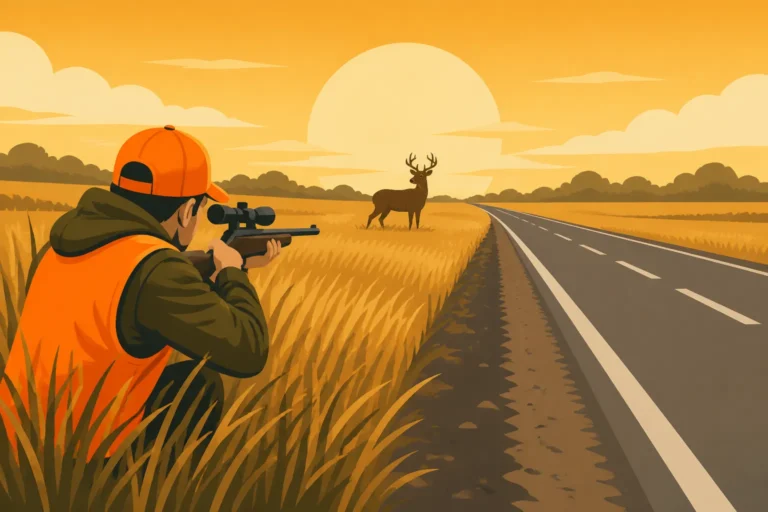
Getting to your hunting spot is half the battle, but even once you're there, special regulations might dictate how you can move around or set up camp. Many wildlife areas have very strict rules about vehicle access, often limiting travel to designated hard-surface roads and parking areas only. Off-road vehicles, ATVs, or even driving on unmaintained two-track trails might be completely prohibited to prevent habitat damage, reduce erosion, and minimize disturbance to wildlife. You might also find rules specifying that all vehicles must be parked in a designated lot, not just pulled off the side of a road.
Camping is another common area of regulation. While some larger wildlife areas or those adjacent to state parks might have designated camping sites, many prohibit overnight camping entirely. If primitive camping is allowed, it's typically restricted to specific zones, requires a permit, or has a strict stay limit. When it comes to setting up for your hunt, rules for blinds and stands vary wildly. Some areas allow portable stands but require them to be removed daily, while others might permit temporary ground blinds but ban tree stands altogether. Screw-in steps are generally a no-go on public land across Kansas, but some areas might even have additional restrictions on what materials you can use for brushing in a ground blind or how long it can remain in place. For tips on setting up, consider Ground Blinds in Open Country.
Hunter Density and Permit Requirements
Perhaps one of the more impactful special regulations involves managing hunter density. Nobody likes showing up to their carefully scouted spot only to find four other trucks already parked there. To prevent overcrowding and ensure a higher quality hunt, some wildlife areas implement systems to limit the number of hunters at any given time. This is especially true for the newer "iWIHA" (interactive WIHA) tracts, where you often have to check in online or through an app, and access is granted on a first-come, first-served basis until a daily capacity limit is met. It can be frustrating if you travel a long way only to find a tract "full," but it's a measure to protect the experience.
Beyond general access, certain highly sought-after hunts within wildlife areas might require special permits obtained through a lottery draw. These "draw-only" hunts are typically for species like deer or turkey and are designed to tightly control harvest numbers or offer a unique, low-pressure hunting experience. You'll need to pay close attention to application periods and requirements for these, as they are often separate from your standard statewide permits. Always check if your target area falls under a draw system before making travel plans, as missing an application deadline means missing the opportunity entirely.
How to Find the Specific Rules for Your Hunting Spot
Okay, so we know these special regulations exist, and we know they can make or break a hunt. The absolute most important part is knowing how to find them. Luckily, the KDWP has made significant strides in making this information accessible, but it still requires a proactive approach from the hunter. Don't rely on word-of-mouth or assumptions; always verify directly with the source.
Navigating the KDWP Website and Hunting Atlas
Your first and most reliable source for specific wildlife area regulations is the official Kansas Department of Wildlife and Parks website. This is the ultimate authority. Every year, KDWP publishes an updated hunting and fishing regulations summary, which includes a section dedicated to special regulations for individual State Wildlife Areas, State Parks, and other public lands. You can usually find a PDF version of this online, which you can download to your phone for offline access.
Beyond the general regulations summary, the KDWP's online Hunting Atlas is an invaluable tool. This interactive map allows you to zoom in on specific public land tracts, including State Wildlife Areas, and often has clickable links or pop-up windows that provide the specific regulations for that particular parcel. It's truly a game-changer. I always recommend spending some quality time with this atlas, not just for identifying potential hunting spots, but for methodically checking the rules for each one. Some areas might have small, easy-to-miss details that can profoundly impact your hunt, like specific shooting hours or areas designated as refuges where no hunting is permitted at all. For more help with digital scouting, consider E-Scouting Kansas Farm Country From Home.
Leveraging Mapping Apps for On-the-Go Information
While the KDWP website and official atlas are paramount, modern mapping applications can be incredibly helpful for consolidating this information and having it literally in the palm of your hand in the field. Apps like onX Hunt have revolutionized how many of us explore public land. They often include layers that identify public land boundaries, specific KDWP wildlife areas, and sometimes even a summary of the regulations for those areas directly within the app. While these apps are fantastic for a quick reference and visualizing boundaries, it's critical to understand that they are secondary sources. Always cross-reference any regulation summaries found in an app with the official KDWP website, as updates or nuances might not always be immediately reflected in third-party applications.
Another useful resource is GoHunt, which offers detailed information and mapping features that can assist in scouting and understanding public land rules. These platforms often combine land ownership data with topographic maps, satellite imagery, and even some regulatory information, helping you identify potential access points, bedding areas, and pinch points. The true power of these apps comes when you combine them with your knowledge from the official KDWP sources. Use them to confirm boundaries, identify potential access routes, and verify details you've already researched. But never, ever assume the app is 100% up-to-date or exhaustive on regulations; the KDWP's published rules are the final word. Knowing how to use onX Layers for Kansas Land Status is a powerful skill.
Planning Your Hunt Around Wildlife Area Restrictions
Understanding the rules is one thing, but actually incorporating them into your hunt plan is where the rubber meets the road. It's not just about avoiding a ticket; it's about making your hunt successful and respecting the resource. A little pre-planning goes a long way in ensuring your time in the field is well-spent and compliant.
Pre-Season Scouting and Rule Verification
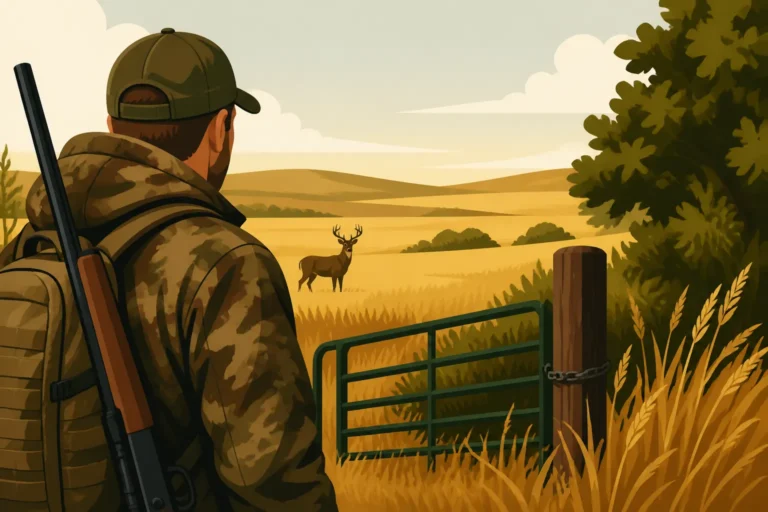
Effective hunting starts long before opening day, and for public land, that means rigorous pre-season scouting, both digitally and on the ground. Once you've identified a potential wildlife area, the very first step, after checking the statewide regulations, is to find and meticulously read the specific rules for that exact parcel. Don't skim. Print them out, highlight key points, and discuss them with your hunting partners. Are there specific gates that are closed during certain seasons? Are there zones marked as "no hunting"? Does it require special permits or check-in procedures?
Then, take that information to the field. During your physical scouting trips, look for the signs that often post these special regulations. While you should already know the rules, seeing them posted can act as a crucial reminder and help you visualize how they apply to the terrain. Verify access points, look for designated parking, and identify any areas that might be off-limits. This ground-truthing helps solidify your understanding and prevents last-minute surprises. A thorough scouting trip ensures you're not just reading the rules, but seeing them in action on the ground. You can find more detail on this in Scouting Kansas Walk-In Tracts Before the Opener.
Adapting Your Tactics to Area-Specific Limitations
Once you're armed with all the rules, the next step is to adapt your hunting strategy accordingly. If a wildlife area is archery-only, you obviously won't be bringing your rifle. If vehicles are restricted, you might need to plan for longer walks or consider gear that's easier to haul in on foot, like a deer cart or a mobile saddle hunting setup. A hunting saddle can be a great option for Mobile Hunting With a Saddle in Kansas. If camping is prohibited, you'll need to secure nearby lodging or plan for longer daily drives.
Sometimes, the adaptations are more subtle. If hunter density is managed through a check-in system, you might need to arrive extra early on popular weekend mornings to secure your spot. If shot size is restricted for upland birds, you'll need to make sure your shells comply. These aren't just inconveniences; they are integral parts of the hunt. Embrace them as part of the challenge and the strategy. By understanding and adapting to these limitations, you're not just being compliant, you're becoming a more versatile and informed hunter, ultimately increasing your chances of success within the unique framework of that specific public land.
Respecting the Rules: The Impact of Non-Compliance
It can be tempting to bend a rule here or there, especially if you think no one is watching, but operating outside of the established regulations on a Kansas Wildlife Area has far-reaching consequences. It's not just about the individual hunter; it's about the entire hunting community and the future of public land access in our state.
Protecting Access for All Hunters
Every time a hunter disregards a special regulation on a wildlife area, it chips away at the trust between the KDWP and the hunting public. Wildlife areas are managed with taxpayer dollars and hunting license fees, and they are a privilege, not an inherent right. When rules are consistently broken, it forces the KDWP to consider stricter measures, such as closing areas entirely, implementing more restrictive draw systems, or increasing enforcement, which can then negatively impact all responsible hunters.
For example, if vehicle restrictions are routinely ignored, it can lead to habitat degradation, erosion, and increased disturbance to wildlife, potentially prompting the KDWP to close vehicle access altogether, even for legitimate purposes. If illegal stands are left up or trash is left behind, the response might be a blanket ban on all temporary blinds. By adhering to the specific rules of each wildlife area, you are actively contributing to the sustainability of the resource and helping to ensure that these valuable public hunting opportunities remain open and accessible for everyone, including future generations of hunters. Your actions reflect on all of us.
Potential Penalties and Enforcement
Beyond the ethical considerations, violating special regulations on a Kansas Wildlife Area carries tangible legal consequences. KDWP game wardens regularly patrol these areas, and they are well-versed in the specific rules for each property. A violation, even if unintentional, can result in a citation, which could mean fines, court appearances, and in some cases, the loss of hunting privileges. The severity of the penalty often depends on the nature of the violation, whether it's a first offense, and the discretion of the enforcing officer.
Imagine traveling from out of state to hunt during Kansas Deer Permits and the Nonresident Draw, only to receive a ticket for hunting an archery-only area with a rifle because you didn't read the signs. Not only is your hunt over, but you're now facing legal fees, fines, and the potential for losing your ability to hunt in Kansas or other states. Enforcement is a serious matter, and ignorance of the rules is rarely an accepted excuse. It's a harsh reality, but one that underscores the importance of thorough preparation. Always assume that the rules will be enforced and conduct yourself accordingly.
Comparing Common Wildlife Area Regulation Variations
To give you a clearer picture of how diverse these regulations can be, here's a table illustrating some common categories of special rules and how they might differ from the general statewide approach. Remember, these are illustrative examples, and you must check the specific rules for any area you plan to hunt.
| Regulation Category | Common Statewide Rule (General Example) | Potential Wildlife Area Variation (Illustrative) | Why it Might Exist |
|---|---|---|---|
| Weapon Type | Rifle, shotgun, muzzleloader, archery legal for deer during respective seasons | Archery-only for deer; shotguns with slugs only; non-toxic shot required for all upland birds | Reduce pressure, manage specific deer herds, protect waterfowl from lead shot |
| Vehicle Access | Most maintained roads open; parking on shoulders often allowed | Designated parking lots only; no off-road vehicles (ATVs, UTVs); foot traffic only in sensitive zones | Prevent habitat damage, reduce erosion, minimize disturbance to wildlife |
| Camping | Allowed in designated state parks/campgrounds | No overnight camping allowed; primitive camping only in specified zones with permit; 7-day maximum stay | Manage visitor use, protect sensitive areas, prevent long-term occupation |
| Blinds/Stands | Portable stands allowed; no screw-in steps; blinds must have hunter's name | Temporary ground blinds only, removed daily; no permanent stands; use of natural vegetation for blinds prohibited | Prevent property abandonment, maintain aesthetic value, ensure fair use by all hunters |
| Season Dates | Standard opening/closing dates for specific species | Special early or late antlerless-only hunts; draw-only hunts for specific timeframes; shorter small game seasons | Population control, reduce pressure on certain species, enhance quality hunting experiences |
| Hunter Density | Open access within season and bag limits | Mandatory daily check-in/out (e.g., iWIHA); limited daily hunter quota; specific sections closed to hunting | Prevent overcrowding, improve hunter success, provide wildlife refuge |
Disclaimer
This article is for general informational purposes only and does not constitute professional advice. Laws, prices and regulations vary by location and change over time. Consult a qualified professional for guidance on your specific situation.