Kansas Public Land Baiting Rules
Kansas public land baiting rules explain what constitutes illegal attractants, fair chase principles, and penalties for wildlife violations.
Find ground you can hunt.
National forest, BLM, and state land — WMAs, walk-in programs, unit boundaries, access rules, and how to get permission on private ground.
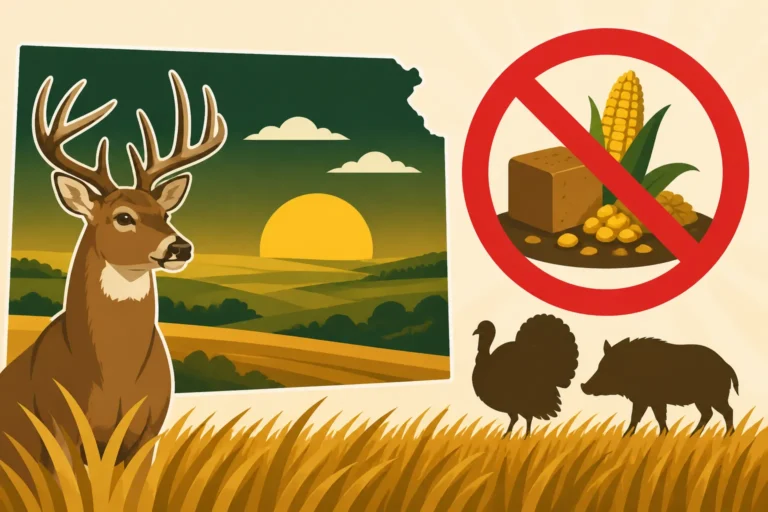
Kansas public land baiting rules explain what constitutes illegal attractants, fair chase principles, and penalties for wildlife violations.
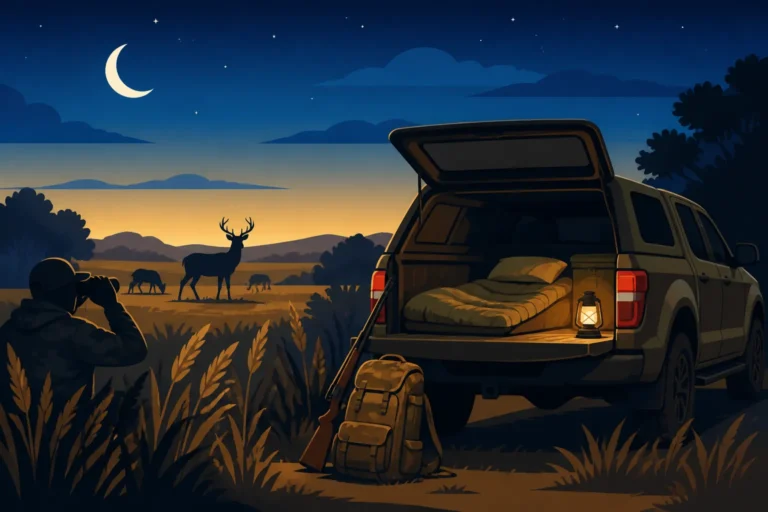
Overnight parking rules at Kansas wildlife areas explain where hunters can legally leave trucks to avoid costly tickets.
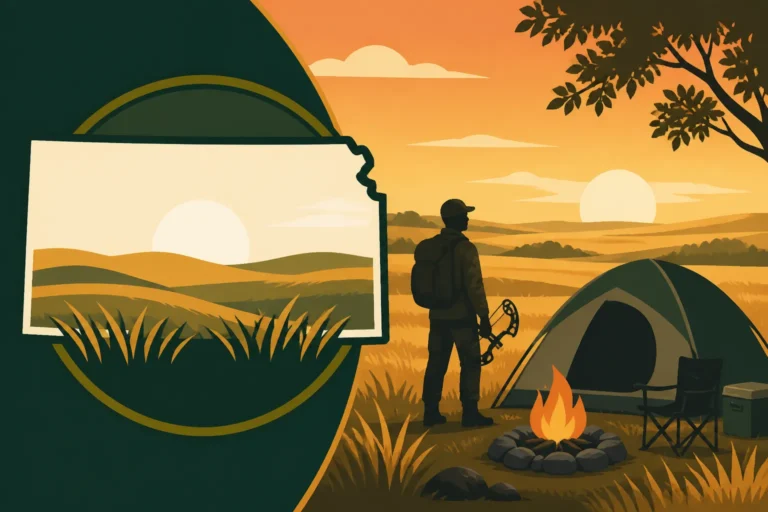
Kansas public land camping limits and regulations, managed by the Kansas Department of Wildlife and Parks, explained clearly.
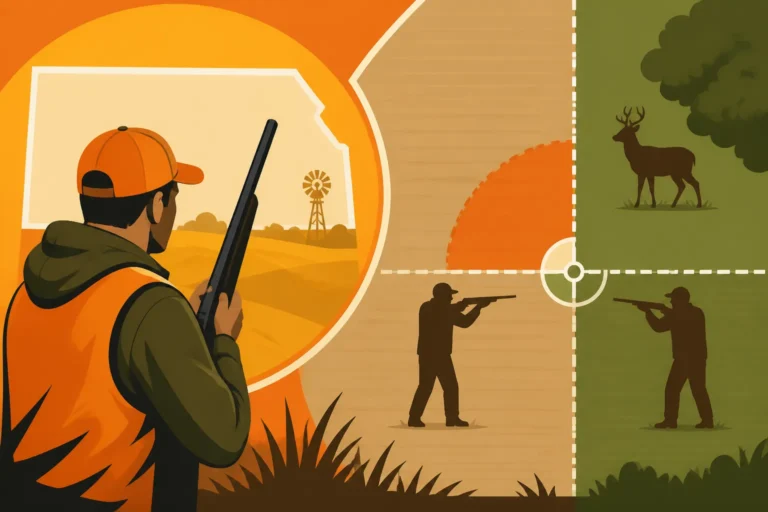
Corner crossing rules in Kansas explain how hunters can legally access public land parcels sharing corners without trespassing on private airspace.
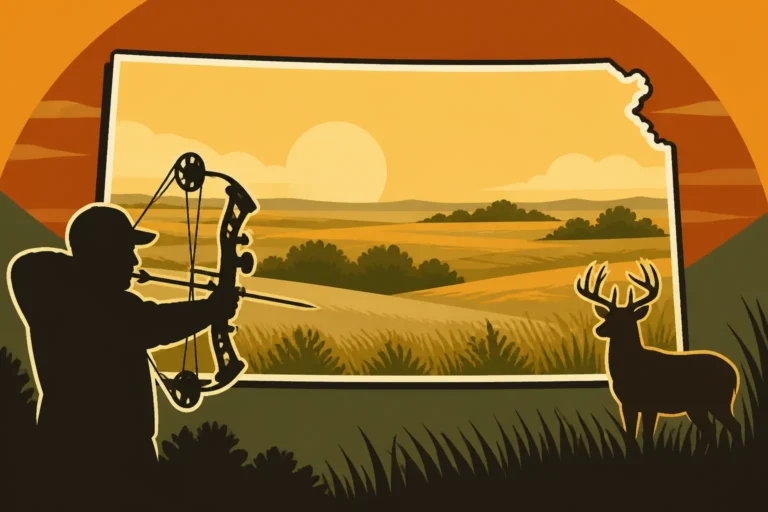
Landlocked public land in Kansas consists of state or federal parcels entirely enclosed by private property without legal access.
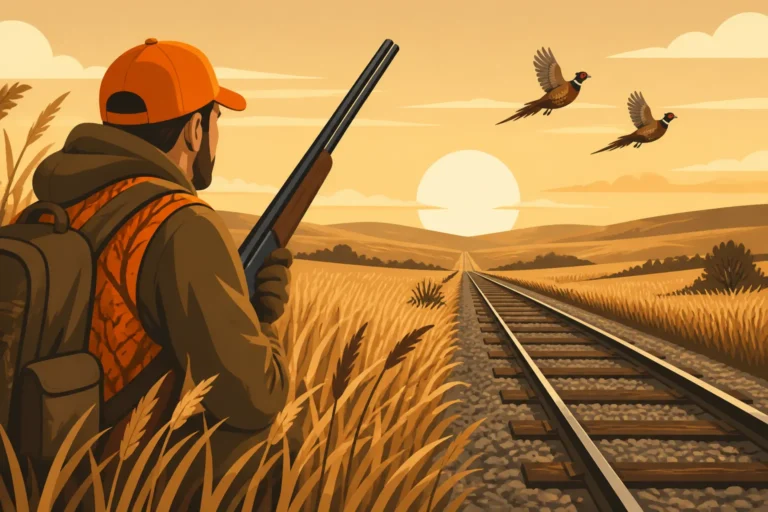
Kansas railroad right-of-way hunting rules explain property ownership, legal boundaries, and safety considerations for hunters.
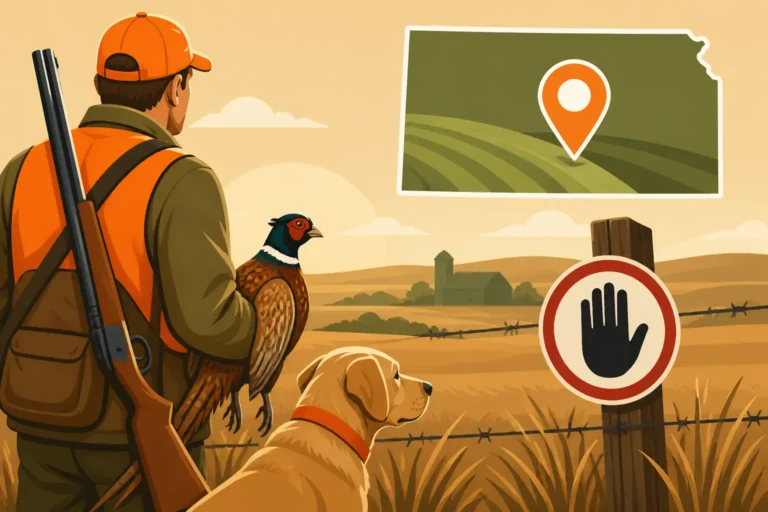
A deer that runs over a fence onto private property calls for a legal, ethical response, so hunters need Kansas trespass law before stepping onto the land.
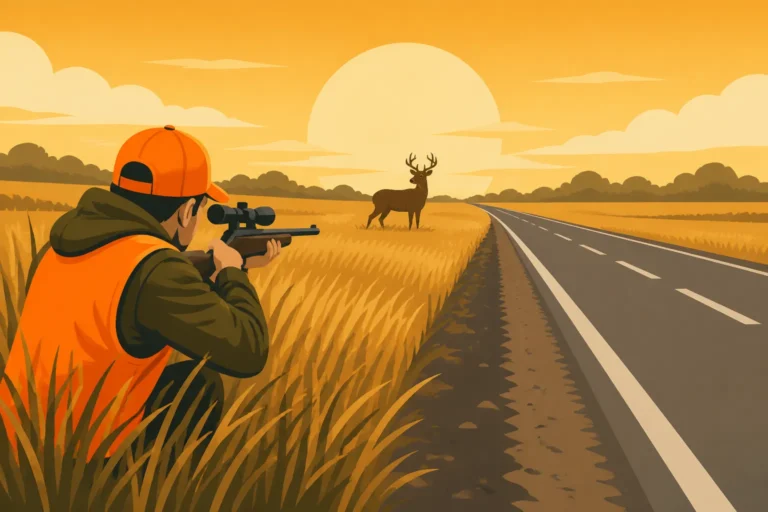
Kansas road right-of-way laws prohibit hunters from discharging firearms from, upon, across, or into public roads and ditches.
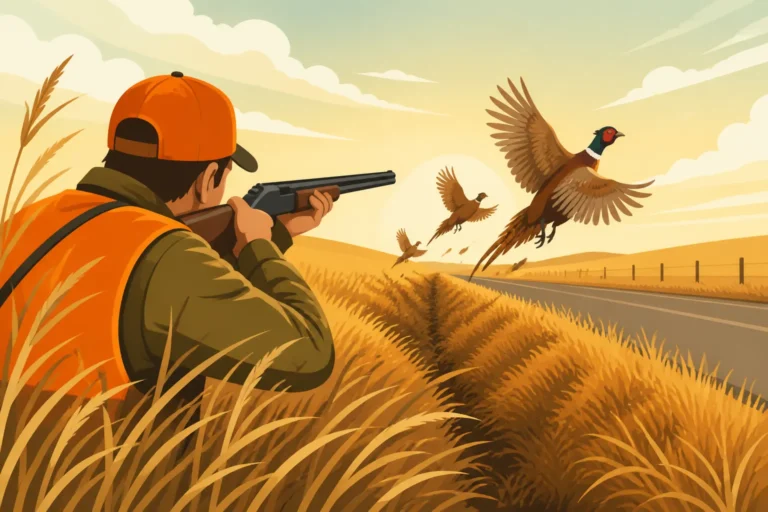
Kansas road ditch hunting laws explain public right-of-way regulations, private property ownership, and deer and pheasant access.
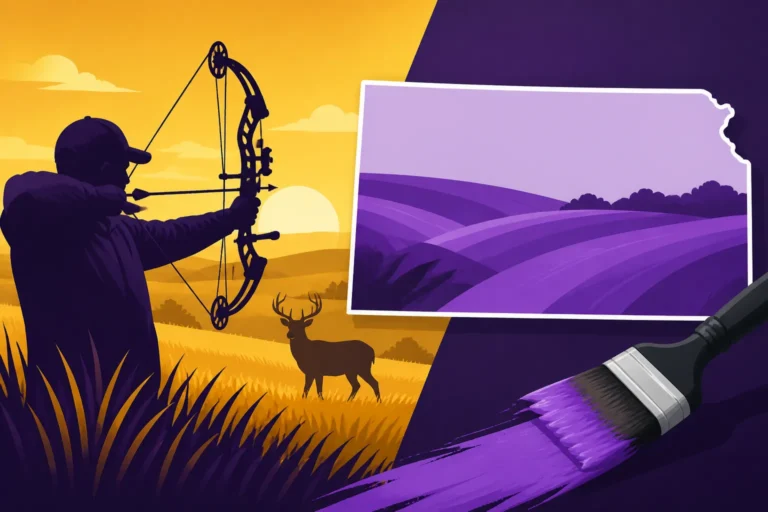
Kansas posted land laws and purple paint regulations explain private property boundaries and legal hunting responsibilities.