Turkey Flock Behaviour in Winter
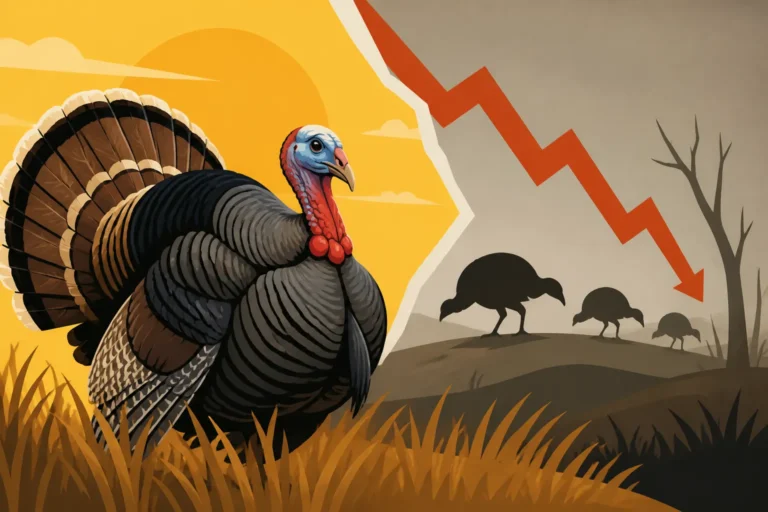
Winter in Kansas can be a real head-scratcher for turkey hunters. The familiar sounds of spring gobblers echoing through the timber are long gone, replaced by a quiet, often stark landscape. Figuring out where these birds disappear to and how they survive the colder months is the key to any successful late-season hunt. This guide will break down the specific behaviors of Kansas turkey flocks in winter, helping you decipher their movements and increase your chances of finding them.
Understanding Winter Turkey Flock Dynamics
As soon as the leaves drop and the first real cold snap hits, Kansas turkeys undergo a significant shift in their social structure and daily routines. Gone are the days of scattered small family groups or solitary gobblers patrolling their breeding territories. Instead, you'll see a consolidation, a gathering of forces that helps them endure the leanest part of the year. This flocking behavior isn't just random; it's a critical survival mechanism driven by the need for warmth, safety, and efficient foraging.
Why Turkeys Flock Up in Winter
Think about it from a turkey's perspective: a cold Kansas wind cutting through sparse timber, snow covering potential food, and predators like coyotes and bobcats on the prowl. There's safety and efficiency in numbers. A large flock means more eyes and ears to spot danger, allowing individual birds to focus more on feeding without constantly craning their necks. It's a collective defense strategy. Furthermore, huddling together can offer a degree of thermal protection, reducing individual heat loss in bitter temperatures. This collective intelligence also plays a role in finding limited food resources. One bird might spot a patch of waste grain or a lone oak dropping acorns, and the rest of the flock quickly capitalizes on that discovery. This communal approach drastically improves their chances of survival when resources are scarce.
Changes in Flock Size and Composition
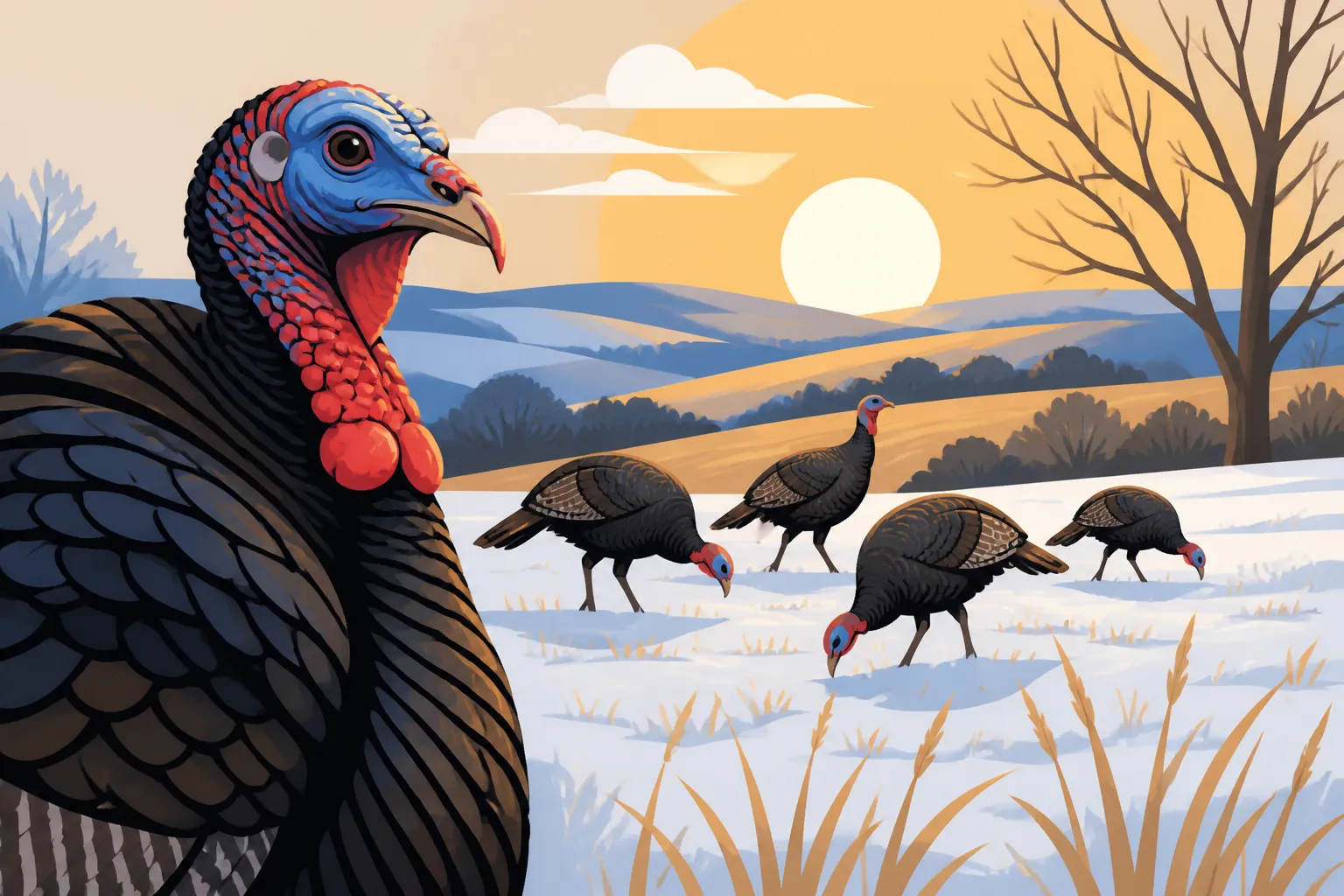
During the winter, you'll generally encounter much larger turkey flocks than you would during the spring or even early fall. These can often number into the dozens, sometimes even approaching a hundred birds. The composition of these flocks also changes. It's not uncommon to see a mix of hens, jakes, and even mature gobblers all feeding and roosting in the same general area, though often separated into distinct sub-groups within the larger flock. Mature gobblers, which are fierce rivals during the spring breeding season, often tolerate each other's presence in winter bachelor groups, putting their territorial squabbles on hold until spring fever kicks in again. Hens and their poults (now jakes and jennies) will also form their own large groups, often joining with other hen flocks. The individual birds aren't focused on breeding or territorial dominance; they're simply focused on making it through winter, which means safety and food trump all else.
Impact of Snow and Cold on Grouping
Snow and extreme cold are major drivers of winter turkey behavior. When a heavy blanket of snow covers the ground, it drastically limits food availability and forces turkeys to concentrate in areas where food is still accessible. This might be a south-facing slope where snow melts quicker, or a picked crop field where they can scratch through shallow snow for waste grain. Prolonged cold also pushes them towards the best thermal cover. Dense cedar thickets, large stands of pines, or thick river bottom timber provide a crucial buffer against biting winds and freezing temperatures. You'll often find these birds packed into these areas, only venturing out to feed when necessary. Understanding this push-and-pull between food and cover, exacerbated by harsh weather, is essential for locating winter flocks.
Key Factors Influencing Winter Turkey Location
Finding winter turkeys often feels like solving a puzzle with very subtle clues. Unlike the vocal exuberance of spring, winter hunting is a silent game of observation and deduction. The birds aren't making it easy for you, so you have to think like them and understand their priorities: food, shelter, and water. These three elements dictate their movements more than anything else during the colder months.
Food Sources Turkeys Prefer in Winter
In Kansas, winter food sources for turkeys are primarily driven by what's available and easy to access. Hard mast, like acorns and pecans, remains a critical food source as long as it's not buried too deep under snow or ice. You'll find turkeys relentlessly scratching in timbered areas, particularly around large oak trees, to uncover these nutrient-rich morsels.
However, in our agricultural landscape, waste grain often becomes king. Picked corn and milo fields are magnets for turkeys. They'll spend hours, even entire days, meticulously working through these fields, sifting through the stubble for dropped kernels. This is especially true after a good snowmelt or a period of thaw, when the ground softens just enough for them to scratch and uncover what was previously hidden. Don't underestimate the drawing power of these fields, especially those adjacent to good cover. Sometimes, they'll even browse on evergreen leaves or dormant buds if other food sources are extremely scarce, but this is usually a last resort.
Thermal Cover and Shelter from the Elements
Just as important as food is reliable shelter. Kansas winters can be brutal, with sharp winds and frigid temperatures. Turkeys seek out thermal cover that offers protection from these elements. Dense evergreen stands, like cedar thickets or planted pines, are prime real estate. The thick needles and branches create a microclimate that can be several degrees warmer and significantly less windy than the surrounding open areas. You'll often find birds roosting in the tallest trees within these protected areas.
Similarly, thick creek draws and river bottoms with dense undergrowth provide excellent windbreaks and roosting opportunities. South-facing slopes are also highly favored, as they receive more direct sunlight throughout the day, melting snow quicker and offering a warmer spot to loaf or sunbathe. When you're scouting, look for these features on maps, and then confirm them on the ground. A good tool like GoHunt can help you quickly identify these potential areas, showing you changes in vegetation and elevation that might indicate prime turkey hangouts. These birds aren't going to be sitting out in the open prairie unless they're actively feeding and even then, their preferred routes will keep them close to safety.
Water Sources and Their Importance
While not always as obvious as food or cover, water is still a necessity, even in winter. Turkeys can get some moisture from the foods they eat or from snow, but consistent open water sources are always a draw. Creeks, ponds, and river edges that remain unfrozen, or where ice is easily broken, will often have turkey tracks in the snow along their banks. These water sources are frequently located near good roosting habitat and feeding areas, making them natural hubs for turkey activity. When looking for signs, always check around these water points for tracks, droppings, and scratchings. You might find turkeys making regular visits to a particular seep or a section of a creek that never fully freezes over. This can be a reliable spot to set up an ambush.
Scouting and Locating Winter Flocks
Finding winter turkeys isn't about blind luck; it's about systematic scouting, keen observation, and leveraging the tools at your disposal. The birds aren't calling out their locations, so you need to be the detective, piecing together clues from the landscape. It requires patience and a good understanding of their winter priorities.
Using Optics for Wide-Area Scanning
One of the most effective tools for locating winter turkey flocks in Kansas, especially in more open country, is a good pair of binoculars or a spotting scope. Turkeys are often visible from a distance as they feed in large fields or move through sparse timber. Get to a high vantage point before legal shooting light and spend time glassing. Look for dark blobs moving against a snowy or stubble background. Pay close attention to south-facing slopes, the edges of picked cornfields, and areas where timber transitions to open ground.
A technique I use is to find a good spot with a wide view, perhaps an old county road, and systematically scan sections. Take your time. Don't just glance. Let your eyes linger, looking for subtle movements or the distinctive shape of a turkey. In winter, they often stand out against the muted colors of the dormant landscape. This long-range observation prevents you from bumping birds and gives you an idea of their daily travel routes between roosts, feeding areas, and water. This is where E-Scouting Kansas Farm Country From Home can really pay off before you even leave the house.
Reading Sign on the Ground
Once you've narrowed down a potential area, it's time to hit the ground and read the sign. Turkey tracks in snow or soft earth are a dead giveaway. Pay attention to the direction of travel, the size of the tracks (large, widely spaced tracks indicate gobblers; smaller, tighter tracks indicate hens), and the freshness of the print. Fresh tracks often mean the birds are still in the vicinity or passed through recently.
Look for droppings, too. Gobbler droppings are typically J-shaped or elongated, while hen droppings are more coiled or blob-like. An accumulation of droppings indicates a roosting area or a heavily used feeding spot. Scratchings are another key indicator. Turkeys will aggressively scratch and dig for food, especially hard mast. Fresh scratchings, with leaves and debris recently overturned, tell you they've been there. This is different from deer sign, which typically involves pawing, not the distinct scratch patterns of turkeys. If you find heavy sign around a Creek Crossings Worth Hanging a Stand On, that's a prime spot.
Leveraging Digital Tools for Scouting
In today's hunting world, digital mapping tools are invaluable, especially when you're trying to locate winter turkeys on unfamiliar ground. Platforms like GoHunt allow you to overlay property lines, topographic maps, and satellite imagery, helping you identify critical habitat features from your couch. You can pinpoint dense timber, likely roosting sites in creek bottoms, picked crop fields (often still showing stubble in satellite views), and water sources.
By studying these maps, you can identify potential travel corridors between food and cover. For example, you might see a long shelterbelt or a finger of timber leading from a large roosting block directly to a cornfield. This is a classic travel route. You can also use these tools to understand access points for Scouting Kansas Walk-In Tracts Before the Opener or other public land, making sure you don't spook birds on your way in. Having a clear understanding of the terrain before you set foot on it saves time and minimizes disturbance, which is crucial for elusive winter flocks.
Hunting Strategies for Winter Flocks
Hunting winter turkeys demands a different approach than the run-and-gun tactics often employed during the spring. The birds are less vocal, more concentrated, and highly sensitive to pressure. Your strategy needs to be focused on stealth, patience, and anticipating their movements rather than relying on aggressive calling.
Ambush Points Near Food and Roosts
Given their predictable routines of moving from roosts to food sources, setting up an ambush point is often the most effective winter strategy. Identify their primary feeding areas, whether it's a picked cornfield or a timbered flat with abundant acorns. Then, locate their probable roosting sites – typically tall trees in protected, dense timber or along a river bottom. The key is to find a choke point or travel corridor between these two locations.
Set up before first light, well concealed, along these travel routes. This might be a ground blind tucked into a fencerow or a natural hide built from downed limbs at the edge of a woodlot. You want to be in position before the birds leave their roosts. Pay attention to the wind direction; you want it in your favor to carry your scent away from their approach. For more on finding these spots, consider exploring Best Stand Locations in Flat Farm Country which, while focused on deer, offers principles applicable to finding ambush points near key resources in open Kansas landscapes.
Calling Tactics for Winter Turkeys
Forget the aggressive gobbling and excited yelps of spring. Winter turkey calling is all about soft, subtle social calls. Think content clucks, soft purrs, and quiet tree yelps if you're trying to locate them on the roost. The goal isn't to provoke a dominant tom into a fight or a hen into breeding mode; it's to sound like a natural, content member of the flock.
A couple of soft clucks on a pot call or slate can sometimes draw a curious bird closer, especially if they are already heading in your general direction. Overcalling will likely spook them. These birds are survival-focused, not romance-focused. If they associate your calling with danger, they'll simply melt away into the cover. It's often better to call sparingly, using just enough sound to confirm their presence or subtly guide them without alarming them.
Decoy Usage in Winter
Decoy usage in winter can be a mixed bag, but when used correctly, it can be highly effective. Unlike the spring where multiple hen and even aggressive gobbler decoys are common, a single hen or jake decoy is usually sufficient, and often preferable, in winter. The idea is to present a non-threatening, social image. A single hen decoy positioned near your ambush point, looking like she's contentedly feeding, can provide that extra bit of confidence to a wary flock. They might see her, feel safe, and move closer to investigate or join what appears to be a calm gathering.
However, use caution. If turkeys are heavily pressured, any decoy might make them nervous. Always assess the situation. If you're hunting open fields, consider a full-strut gobbler decoy if you want to be aggressive, but often a simpler, less intimidating setup is better for drawing in an entire flock rather than just an individual bird. Position your decoy where it's visible but also offers a clear shot, keeping in mind the Decoy Placement and Wind Direction for optimal presentation.
The Patience Game
Ultimately, winter turkey hunting in Kansas is a test of patience. These birds don't move as much or as fast as they do in warmer months. They'll spend long periods in feeding areas, slowly working their way through the stubble. They also spend significant time in thermal cover, only venturing out when necessary. You might need to sit for hours in cold conditions, waiting for the perfect opportunity.
Having appropriate cold weather gear is non-negotiable. Layers, hand warmers, and a good insulated blind are crucial. Remember that the window for movement might be smaller, often centered around midday when temperatures are highest. Don't get discouraged by the lack of activity; just keep your eyes and ears open, stay warm, and be ready for that single, fleeting chance.
| Winter Turkey Behavior Trait | Typical Winter Characteristic | Hunter's Implication |
|---|---|---|
| Flock Size | Large, consolidated groups | More eyes/ears; harder to approach undetected. |
| Flock Composition | Mixed hens, jakes, gobblers | Social, not breeding focused; less aggressive. |
| Vocalizations | Minimal, soft, social calls | Aggressive calling will likely spook them. |
| Food Preference | Waste grain, hard mast, browse | Focus scouting on picked fields and timbered areas. |
| Cover Preference | Dense evergreens, thick timber | Ambush travel routes to/from these areas. |
| Movement Patterns | Predictable, daily routes | Key to setting up effective ambushes. |
| Pressure Sensitivity | High, wary | Stealth and patience are paramount. |
This article is for general informational purposes only and does not constitute professional advice. Laws, prices and regulations vary by location and change over time. Consult a qualified professional for guidance on your specific situation.